
Creating an online business is a journey that, at its core, revolves around financial strategy, income generation, and sustainable growth. While technology and branding play crucial supporting roles, the bedrock of any successful online venture is its ability to generate revenue, manage finances effectively, and scale profitably. Understanding the financial landscape, from initial investment to long-term income streams, is paramount for aspiring entrepreneurs.
Identifying Profitable Niches and Business Models
The first financial imperative in establishing an online business is to pinpoint a niche that possesses genuine market demand and a clear path to monetization. A well-chosen niche not only fuels passion but, more importantly, ensures a viable customer base willing to exchange value for your offerings.
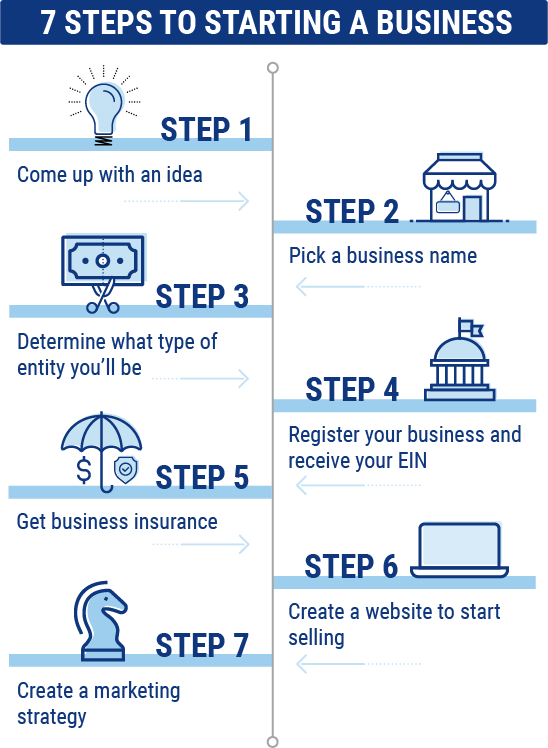
Market Research and Validation
Before investing significant time or capital, robust market research is indispensable. This involves analyzing existing market gaps, identifying pain points, and understanding customer demographics. Tools like Google Trends, keyword research platforms, and competitor analysis can reveal what products or services people are actively searching for and spending money on. Look for areas where demand outstrips supply, or where current solutions are inadequate. Validate your ideas by surveying potential customers, launching minimum viable products (MVPs), or even engaging in pre-sales to gauge interest. The goal is to verify that a significant number of people are willing to pay for your proposed solution, thereby confirming its financial viability before a full-scale launch. This validation process minimizes the risk of pouring resources into an unprofitable venture.
Choosing Your Online Business Model
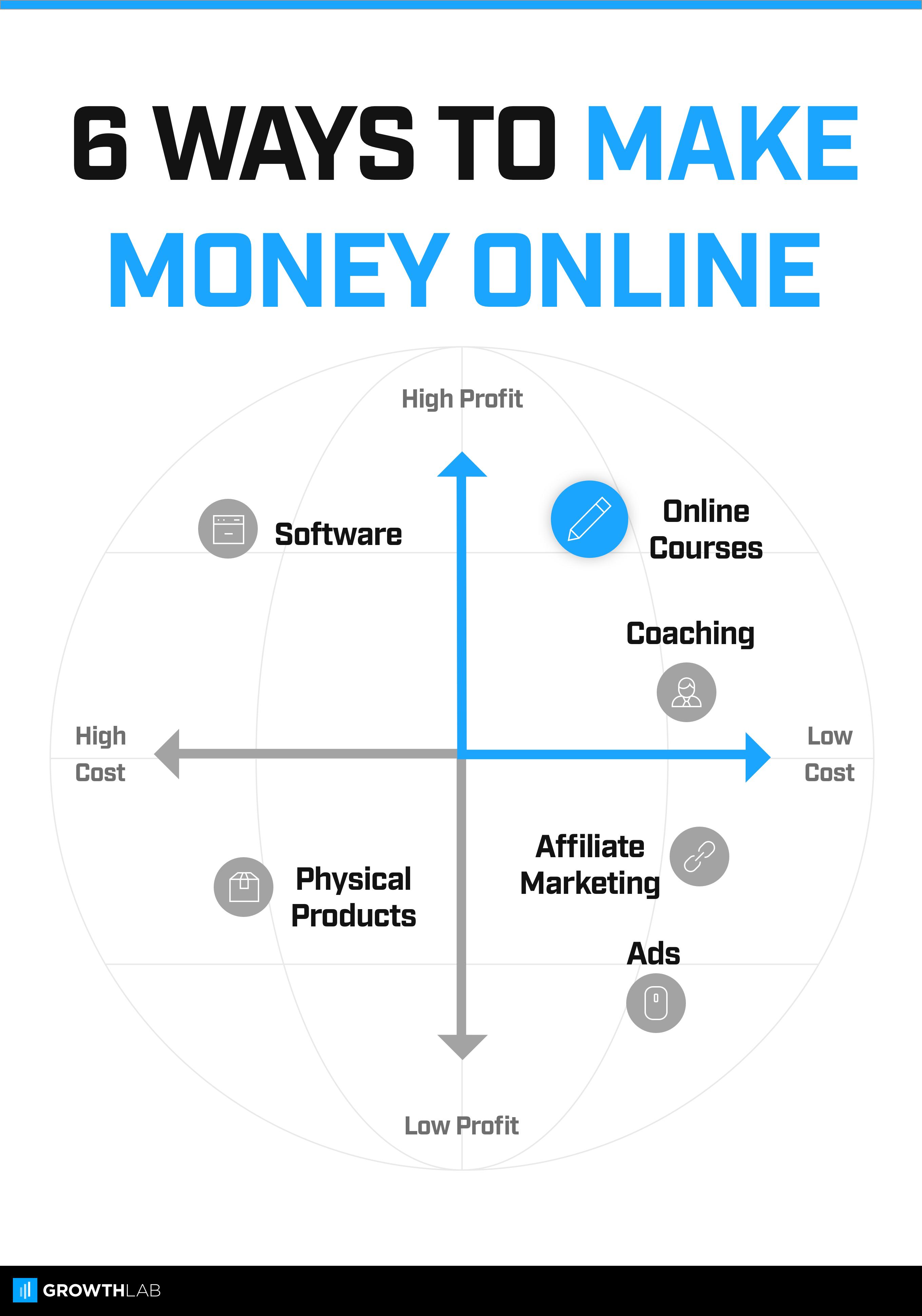
The selection of your business model directly impacts your income streams, operational costs, and scalability. Each model presents distinct financial implications.
- E-commerce (Product Sales): This involves selling physical or digital products. Financial considerations include inventory management, shipping costs, payment processing fees, and robust sales forecasting. Profit margins can vary widely depending on product type and sourcing.
- Services (Freelancing/Consulting): Offering your skills (e.g., writing, graphic design, web development, coaching) on an hourly, project, or retainer basis. Key financial aspects here include setting competitive rates, tracking billable hours, managing client acquisition costs, and ensuring consistent workflow to maintain income stability.
- Content Creation (Advertising/Subscriptions/Affiliate Marketing): Monetizing content through ads, sponsored posts, paid subscriptions, or promoting other companies’ products for a commission. Financial success here relies on building a large audience, understanding ad rates, optimizing conversion funnels for affiliate sales, and designing appealing subscription tiers.
- Software as a Service (SaaS): Developing and selling access to software on a subscription basis. This model typically requires significant upfront development costs but can generate recurring revenue with high-profit margins once established. Financial planning must account for development, marketing, customer acquisition costs (CAC), and churn rates.
- Dropshipping: Selling products without holding inventory. While it reduces inventory costs, financial considerations include supplier reliability, marketing spend, and thin profit margins that necessitate high sales volume.
Each model requires a distinct financial strategy, from pricing and cost management to revenue forecasting and cash flow analysis.
Financial Foundations for Your Online Venture
Once you’ve identified a niche and business model, establishing a solid financial foundation is critical. This involves understanding your startup capital requirements, securing funding, and meticulously planning your budget.
Startup Costs and Funding Strategies
Every online business, regardless of its apparent simplicity, incurs initial costs. These can range from domain registration and website hosting to software subscriptions, marketing campaigns, and initial product inventory or development. Create a detailed list of all anticipated expenses for the first 3-6 months.
- Minimum Viable Product (MVP) Approach: Start with the bare essentials to test the market and generate initial revenue before investing heavily. This “bootstrapping” method minimizes initial financial risk.
- Personal Savings: Many entrepreneurs self-fund their ventures, utilizing personal savings or income from a side hustle to get started. This offers maximum control but requires careful personal financial planning.
- Friends and Family: Seeking investment from close contacts can be a source of early capital, often with more flexible terms than traditional lenders. Ensure clear agreements are in place to avoid misunderstandings.
- Small Business Loans/Lines of Credit: Traditional financial institutions or online lenders offer various options. Lenders typically assess your business plan, credit history, and potential for repayment. A line of credit can provide flexible access to funds as needed.
- Grants: Certain government agencies or private organizations offer grants for specific types of businesses (e.g., those focused on innovation or social impact). These do not require repayment but are often highly competitive.
- Crowdfunding: Platforms allow you to raise small amounts of money from a large number of people, often in exchange for early access to products or other rewards. This can also serve as a market validation tool.
Carefully evaluate the financial implications of each funding source, including interest rates, repayment schedules, and equity dilution if applicable.
Budgeting and Financial Projections
A comprehensive budget is your financial roadmap. It outlines expected income and expenses over a specific period, typically monthly, quarterly, and annually.
- Fixed Costs: Expenses that remain relatively consistent regardless of sales volume (e.g., website hosting, software subscriptions, insurance).
- Variable Costs: Expenses that fluctuate with sales or production (e.g., product costs, advertising spend, transaction fees).
- Contingency Fund: Always allocate a portion of your budget for unexpected expenses or downturns. A common rule of thumb is to set aside 10-20% of your total budget.
Develop financial projections that estimate your revenue, costs, and profit for the next 1-3 years. This involves forecasting sales volume, average transaction value, and growth rates. These projections are not just for attracting investors; they help you set realistic goals, manage cash flow, and make informed strategic decisions. Regularly compare actual financial performance against your budget and projections to identify variances and adjust your strategy as needed. Cash flow management is particularly crucial; ensure you have enough liquid funds to cover expenses, even during periods of low sales or slow payment from clients.

Generating Revenue and Scaling Your Income
Once the financial groundwork is laid, the focus shifts to actively generating revenue and strategically scaling your income streams. This involves effective pricing, robust monetization strategies, and continuous performance optimization.
Pricing Strategies and Monetization
Your pricing strategy is a direct determinant of your profitability and market perception. It must reflect the value you provide while remaining competitive and sustainable.
- Cost-Plus Pricing: Calculate all costs associated with your product or service and add a desired profit margin. Simple, but may not reflect market value.
- Value-Based Pricing: Price based on the perceived value to the customer, rather than just your costs. This often allows for higher margins but requires a deep understanding of customer needs and the benefits your offering provides.
- Competitor-Based Pricing: Set prices relative to what competitors charge. This requires careful analysis to ensure you’re not undervaluing your offering or pricing yourself out of the market.
- Freemium Models: Offer a basic version of your product or service for free to attract users, then charge for premium features or enhanced access. This is common in SaaS and content-driven businesses.
- Subscription Models: Charge a recurring fee for ongoing access to a product, service, or content. This provides predictable recurring revenue (MRR/ARR) but requires continuous value delivery to prevent churn.
- Tiered Pricing: Offer multiple price points with varying levels of features or service. This caters to different customer segments and budget levels, maximizing potential revenue capture.
Beyond initial pricing, explore multiple monetization avenues. For instance, an e-commerce store might add an affiliate program, a service provider could offer digital products, or a content creator might diversify from ads to memberships and direct sales. Diversifying income streams reduces reliance on any single source and builds financial resilience.
Tracking Performance and Optimizing for Profit
Data is your ally in optimizing for profit. Consistently tracking key financial and operational metrics allows you to make informed decisions that drive revenue growth and cost efficiency.
- Key Performance Indicators (KPIs): Monitor metrics such as Customer Acquisition Cost (CAC), Lifetime Value (LTV) of a customer, Conversion Rate, Average Order Value (AOV), Churn Rate, and Return on Ad Spend (ROAS). For service businesses, track utilization rates and project profitability.
- Financial Software: Utilize accounting software (e.g., QuickBooks, Xero) to manage income, expenses, invoices, and payroll. This provides real-time financial insights and simplifies tax preparation.
- Analytics Tools: Integrate website and marketing analytics (e.g., Google Analytics) to understand customer behavior, identify profitable marketing channels, and pinpoint areas where your sales funnel might be leaking revenue.
- Experimentation and A/B Testing: Continuously test different pricing models, marketing messages, and product offerings to see what resonates best with your audience and generates the highest return on investment.
- Cost Management: Regularly review all expenses. Can any software subscriptions be consolidated or replaced with more cost-effective alternatives? Are there opportunities to negotiate better terms with suppliers or reduce marketing waste? Even small reductions in recurring costs can significantly impact profit margins over time.
Optimization is an ongoing process. By regularly analyzing your financial data, you can refine your strategies, allocate resources more effectively, and consistently improve your bottom line.
Navigating Financial Compliance and Growth
As your online business grows, so too do your financial responsibilities, encompassing legal compliance, tax obligations, and strategic reinvestment to fuel continued expansion.
Legal and Tax Considerations for Online Businesses
Operating an online business means navigating a complex web of financial regulations. Ignoring these can lead to significant penalties and financial setbacks.
- Business Structure: Choose the appropriate legal structure (e.g., sole proprietorship, LLC, corporation). This impacts personal liability, tax obligations, and administrative complexity. Consult with a legal and tax professional to select the best option for your specific circumstances.
- Tax Registration and Compliance: Understand your federal, state, and local tax obligations. This includes income tax, sales tax (especially for e-commerce), and potentially self-employment taxes. Register for all necessary tax IDs. Keep meticulous records of all income and expenses, as this simplifies tax filing and provides crucial financial insights.
- Payment Processing Fees: Factor in the fees charged by payment gateways (e.g., Stripe, PayPal) into your pricing and profit calculations. These are a direct cost of doing business online.
- International Sales: If selling globally, be aware of international tax laws, customs duties, currency exchange rates, and varying payment regulations. These can significantly impact profitability and require careful financial planning.
- Contracts and Agreements: For service-based businesses, robust client contracts are essential for defining payment terms, deliverables, and scope, protecting your financial interests.
Staying compliant not only avoids penalties but also builds credibility, which can indirectly enhance your financial standing by attracting more trust from customers and partners.
Reinvesting for Sustainable Growth
Achieving profitability is a milestone, but sustainable growth requires strategic reinvestment of earnings back into the business. This isn’t about spending frivolously; it’s about allocating capital where it will generate the highest return.
- Marketing and Advertising: Invest in scaling successful marketing channels or exploring new ones to reach a wider audience and acquire more customers.
- Product Development/Enhancement: Continuously improve your offerings based on customer feedback and market trends. This can involve adding new features, expanding product lines, or refining existing services, all of which can increase customer lifetime value.
- Technology and Infrastructure: Upgrade your website, improve security, invest in more efficient software, or enhance automation tools. These investments can improve operational efficiency, reduce long-term costs, and support higher sales volumes.
- Team Expansion: As demand grows, you may need to hire employees or contractors to manage increased workload, customer support, or specialized tasks. This is a direct investment in human capital that supports scalability.
- Education and Training: Invest in your own and your team’s skills development to stay ahead in a rapidly evolving online landscape. Knowledge is a critical asset.
- Building Financial Reserves: While reinvestment is key, also prioritize building a healthy financial reserve or emergency fund within the business. This provides a safety net during economic downturns, unexpected expenses, or periods of lower sales, ensuring long-term stability.
By treating your online business as a financial asset that requires continuous nurturing and strategic allocation of capital, you position it for enduring profitability and sustained growth. The journey from conception to a thriving online enterprise is fundamentally a financial one, demanding diligence, foresight, and adaptability.
aViewFromTheCave is a participant in the Amazon Services LLC Associates Program, an affiliate advertising program designed to provide a means for sites to earn advertising fees by advertising and linking to Amazon.com. Amazon, the Amazon logo, AmazonSupply, and the AmazonSupply logo are trademarks of Amazon.com, Inc. or its affiliates. As an Amazon Associate we earn affiliate commissions from qualifying purchases.