
The faint, yet distinct, odor of natural gas can send a shiver down anyone’s spine. It’s a smell that immediately triggers a primal sense of urgency, a silent alarm signaling a potential danger lurking within the comfort of your home. While it’s a scenario most of us hope to never encounter, understanding the correct steps to take if you smell gas is paramount for your safety and the well-being of your loved ones. This isn’t a situation for guesswork or procrastination; immediate and decisive action is key.
This article will guide you through the crucial procedures to follow, empowering you with the knowledge to react effectively and responsibly. We’ll break down the essential steps, from initial recognition to ensuring your home is safe once more, drawing upon principles of preparedness and risk management that resonate across various domains, from the digital realm to financial security.
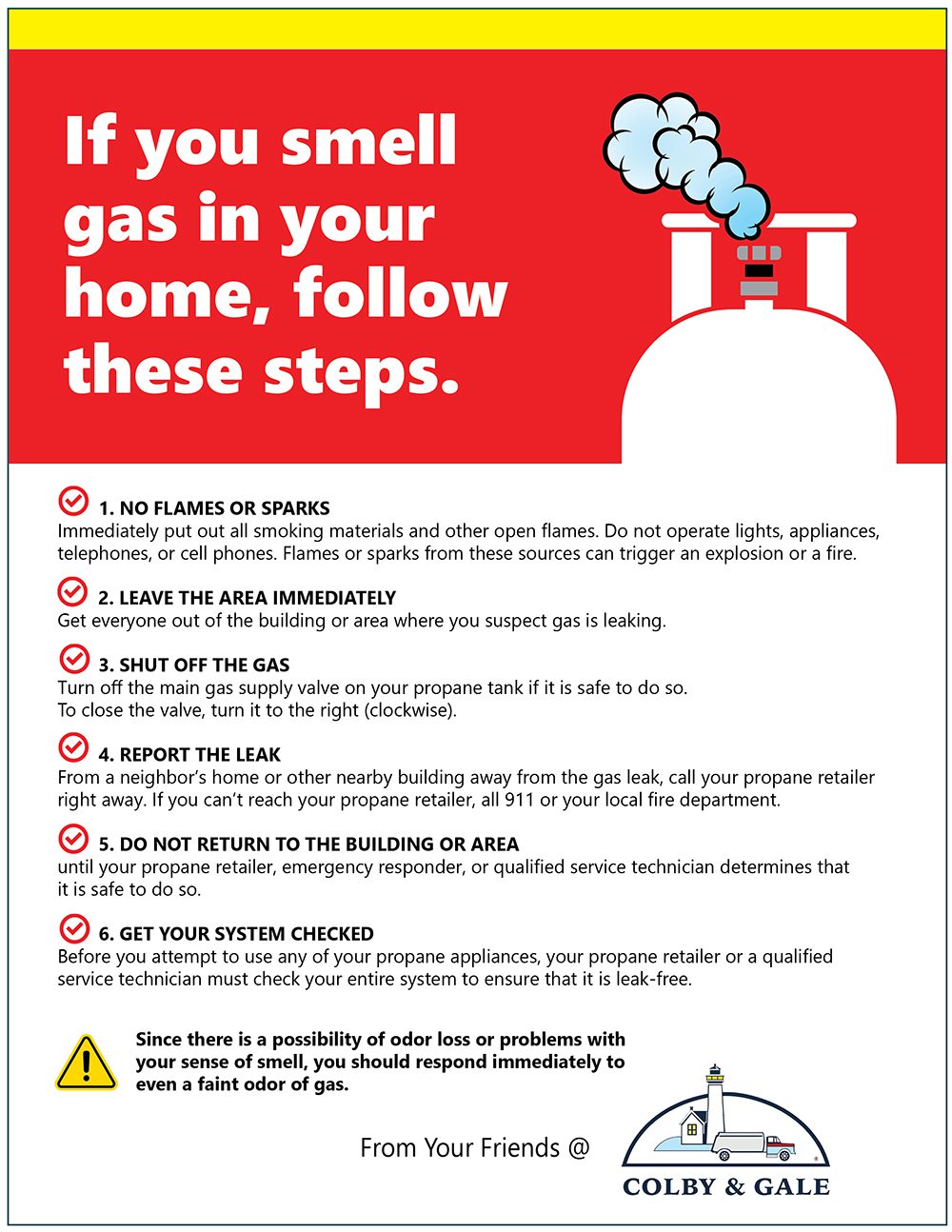
1. Immediate Actions: Prioritizing Safety Above All Else
The moment you detect a gas odor, your primary focus must shift to immediate evacuation and preventing any potential ignition sources. Think of this as a critical system failure; your response needs to be swift and decisive, much like troubleshooting a critical software bug or implementing an emergency financial contingency plan.
1.1. Do NOT Hesitate: The Urgency of Evacuation
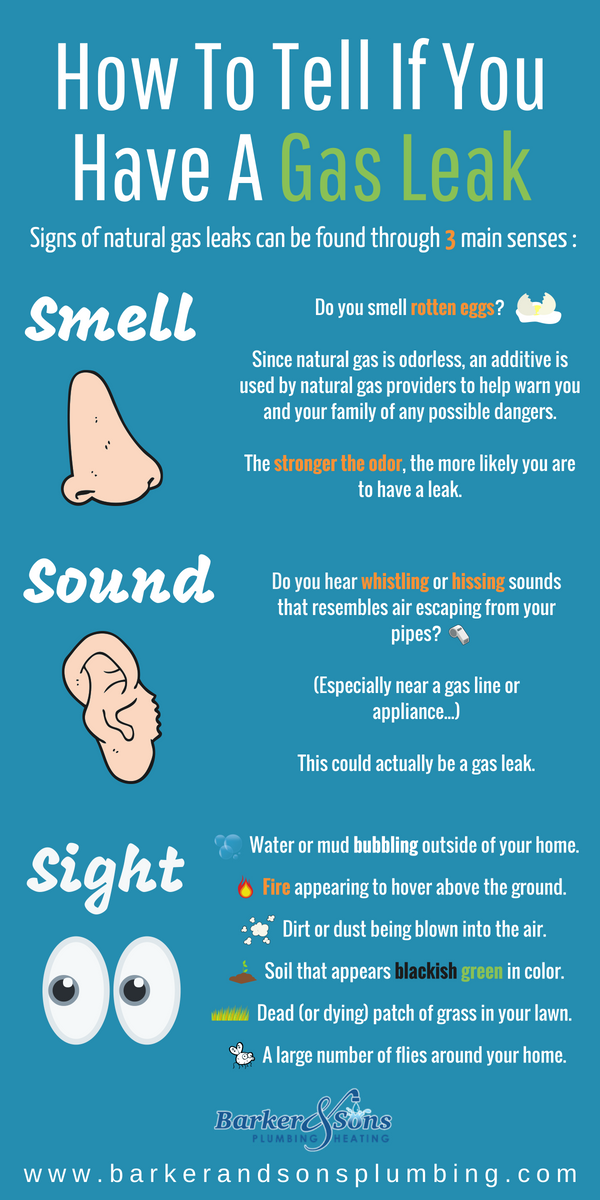
The smell of natural gas is often described as similar to rotten eggs due to the odorant added to it for detection. However, even a faint smell warrants immediate attention. Your instinct to investigate further, to try and pinpoint the source yourself, might feel natural, but it’s the most dangerous course of action.
Crucially, do not:
- Turn on or off any lights or appliances: This includes light switches, lamps, ceiling fans, or anything electrical. A tiny spark from a switch can ignite leaked gas, leading to an explosion.
- Light any matches or lighters: Obvious as it sounds, the temptation to check for a pilot light or similar might arise. Resist it completely.
- Use your landline phone or any electrical device indoors: This includes your mobile phone. The act of dialing or activating the screen could generate a spark.
- Start your car if you are in a garage: If the smell is present in the garage, do not turn the ignition.
Instead, your immediate directive is to leave the house without delay. Open doors and windows as you exit if it’s safe to do so and doesn’t delay your departure, allowing for some ventilation. Get yourself and everyone else in the household, including pets, to a safe distance away from the building.
1.2. Reaching a Safe Distance: Establishing a Perimeter
What constitutes a “safe distance”? Aim for at least 100 feet (approximately 30 meters) away from your home. This distance is crucial to ensure that if an ignition event were to occur, you would be well outside the blast radius. Imagine this as establishing a secure firewall in your digital security strategy – you need to be far enough away from the compromised system to prevent collateral damage.
Once you are at a safe distance, then you can use your mobile phone or a neighbor’s phone to call for help.
2. Contacting Emergency Services: The Vital Call
After you have safely evacuated and are a considerable distance from your home, your next critical step is to contact the appropriate authorities. This is not a situation where you should attempt to diagnose the problem yourself or delay reporting.
2.1. Who to Call: The Right Number for the Right Emergency
The most important number to call in this situation is your local gas utility company’s emergency line. This number is usually readily available on your gas bill or can be found online through a quick search of “[your gas company name] emergency number.”
Simultaneously, or if you are unsure of the gas company’s number, call your local fire department or 911 (or your local emergency number). The fire department is equipped to handle gas leaks and can also coordinate with the gas company.
When you call:
- Clearly state your address: This is the most important piece of information.
- Explain that you smell gas: Be specific about the odor.
- Confirm that you have evacuated the premises: Reassure them that you are in a safe location.
- Answer any questions they ask: They will be assessing the situation and dispatching the appropriate response.
Remember, do not re-enter your home until emergency personnel have declared it safe to do so. This is akin to waiting for a security patch to be deployed and verified before re-accessing a compromised system. Patience and adherence to expert guidance are essential.
2.2. Preventing Ignition: Reinforcing Safety Protocols
While waiting for emergency services, continue to reinforce safety protocols. This means ensuring no one attempts to go back inside for any reason – pets, valuables, or even just to check. The risk of ignition remains until the leak is identified and addressed by professionals.
This proactive approach to preventing further risk is a core principle in many fields. In personal finance, it’s about risk mitigation strategies. In technology, it’s about cybersecurity best practices. In this instance, it’s about preventing a potentially catastrophic event.

3. Post-Leak Procedures: Restoring Safety and Security
Once the immediate danger has passed and emergency services have confirmed your home is safe, there are still important steps to take to ensure the long-term integrity of your gas system and your home’s security.
3.1. Identifying and Repairing the Source: The Role of Professionals
Emergency responders or gas company technicians will be responsible for identifying the source of the leak. This could be due to a faulty appliance, a damaged pipe, or a problem with the gas meter. They will have the specialized tools and expertise to pinpoint the issue and make the necessary repairs.
Under no circumstances should you attempt to repair a gas leak yourself. This is a job for qualified professionals. Trying to fix it yourself could exacerbate the problem, create new hazards, and potentially void any insurance coverage.
3.2. Appliance Safety Checks: A Proactive Measure
Even after the leak has been repaired, it’s a good idea to have all your gas-powered appliances inspected. This includes your water heater, furnace, stove, oven, and any gas dryers or fireplaces. This is a proactive step, much like conducting a thorough system audit after a potential security breach or reviewing your investment portfolio after a market downturn. A comprehensive check ensures that other components aren’t showing early signs of wear or malfunction, preventing future incidents.
This might involve:
- Checking pilot lights: Ensuring they are burning with a steady blue flame, not a yellow or flickering one.
- Inspecting connections: Looking for any signs of corrosion or damage.
- Ensuring proper ventilation: Gas appliances require adequate airflow to operate safely.
3.3. Reviewing Your Home’s Safety Systems: A Holistic Approach
The experience of a gas leak can be a stark reminder of the importance of home safety systems. Consider this an opportune moment to review and update your existing safety measures, just as you would re-evaluate your digital security protocols or financial planning.
This could include:
- Gas detectors: If you don’t have them, consider installing carbon monoxide detectors and natural gas detectors. These devices are designed to alert you to the presence of dangerous gases, providing an early warning system. Place them strategically throughout your home, following manufacturer recommendations.
- Smoke detectors: Ensure your smoke detectors are functioning correctly and have fresh batteries. While not directly related to gas leaks, they are a crucial part of your overall home safety plan.
- Emergency preparedness kit: Consider building or updating an emergency preparedness kit that includes essential items like water, non-perishable food, a first-aid kit, flashlights, and batteries. This aligns with the preparedness mindset needed for any unforeseen event.
4. Learning and Adapting: Building Resilience
Experiencing or even just understanding the protocols for a gas leak can be a valuable learning experience. It underscores the importance of preparedness, clear communication, and decisive action – principles that are transferable to many aspects of life.
4.1. The Importance of Preparedness and Knowledge
Just as businesses invest in robust disaster recovery plans and individuals develop personal finance strategies to navigate economic uncertainty, having a clear plan for gas leaks is a form of essential preparedness. Knowing what to do, who to call, and how to react without panic can significantly mitigate risks and ensure a safer outcome.
This knowledge empowers you to act rather than freeze in a stressful situation. It’s akin to understanding cybersecurity best practices to protect your digital identity or knowing investment strategies to safeguard your financial future.
4.2. Maintaining Your Gas Appliances: Proactive Maintenance for Prevention
Regular maintenance of your gas appliances is not just about efficiency; it’s a critical preventative measure against leaks. Just as you would perform regular software updates to prevent vulnerabilities or conduct periodic reviews of your brand’s marketing strategy to ensure its continued effectiveness, your gas appliances require consistent attention.
- Schedule annual inspections: Have a qualified HVAC technician or plumber inspect your gas appliances annually. They can identify potential issues before they become serious problems.
- Follow manufacturer guidelines: Adhere to the maintenance schedules and recommendations provided by the manufacturers of your gas appliances.
- Be aware of warning signs: Pay attention to unusual noises, smells (other than the intended odorant, which you should report immediately), or performance issues from your gas appliances.
4.3. Building a Culture of Safety in Your Household
The experience of dealing with a gas leak can also be an opportunity to foster a stronger safety-conscious culture within your household. Discuss the steps with all family members, including children, in an age-appropriate manner. Ensure everyone knows what to do, where to go, and who to contact. This shared understanding reinforces preparedness and reduces the likelihood of confusion or panic during an emergency. It’s about building a collective understanding of risk and response, much like team collaboration in a tech project or a unified brand message.
In conclusion, smelling gas in your house is a serious situation that demands immediate and informed action. By understanding the critical steps outlined above – prioritizing evacuation, contacting emergency services promptly, and engaging in post-leak safety measures – you can protect your home and loved ones. This proactive approach to safety, grounded in knowledge and preparedness, is a testament to responsible living, ensuring that even potentially dangerous situations are handled with the utmost care and efficacy.
aViewFromTheCave is a participant in the Amazon Services LLC Associates Program, an affiliate advertising program designed to provide a means for sites to earn advertising fees by advertising and linking to Amazon.com. Amazon, the Amazon logo, AmazonSupply, and the AmazonSupply logo are trademarks of Amazon.com, Inc. or its affiliates. As an Amazon Associate we earn affiliate commissions from qualifying purchases.