
Embarking on the journey of budgeting can feel like navigating a complex financial labyrinth. For many, the very word “budget” conjures images of restriction, deprivation, and endless spreadsheets. Yet, in reality, budgeting is precisely the opposite: it’s a powerful tool for liberation, empowering you to take control of your money, achieve your financial aspirations, and build a secure future. It’s not about what you can’t spend; it’s about making conscious choices that align your spending with your values and long-term goals.
In an increasingly unpredictable economic landscape, understanding where your money comes from and, more importantly, where it goes, is no longer a luxury—it’s a necessity. This comprehensive guide will demystify the process, offering a clear, step-by-step roadmap for anyone ready to embrace financial clarity and start budgeting effectively. Whether you’re drowning in debt, struggling to save, or simply seeking a more organized financial life, the principles outlined here will provide the foundation you need to build a robust and sustainable budget that truly works for you.
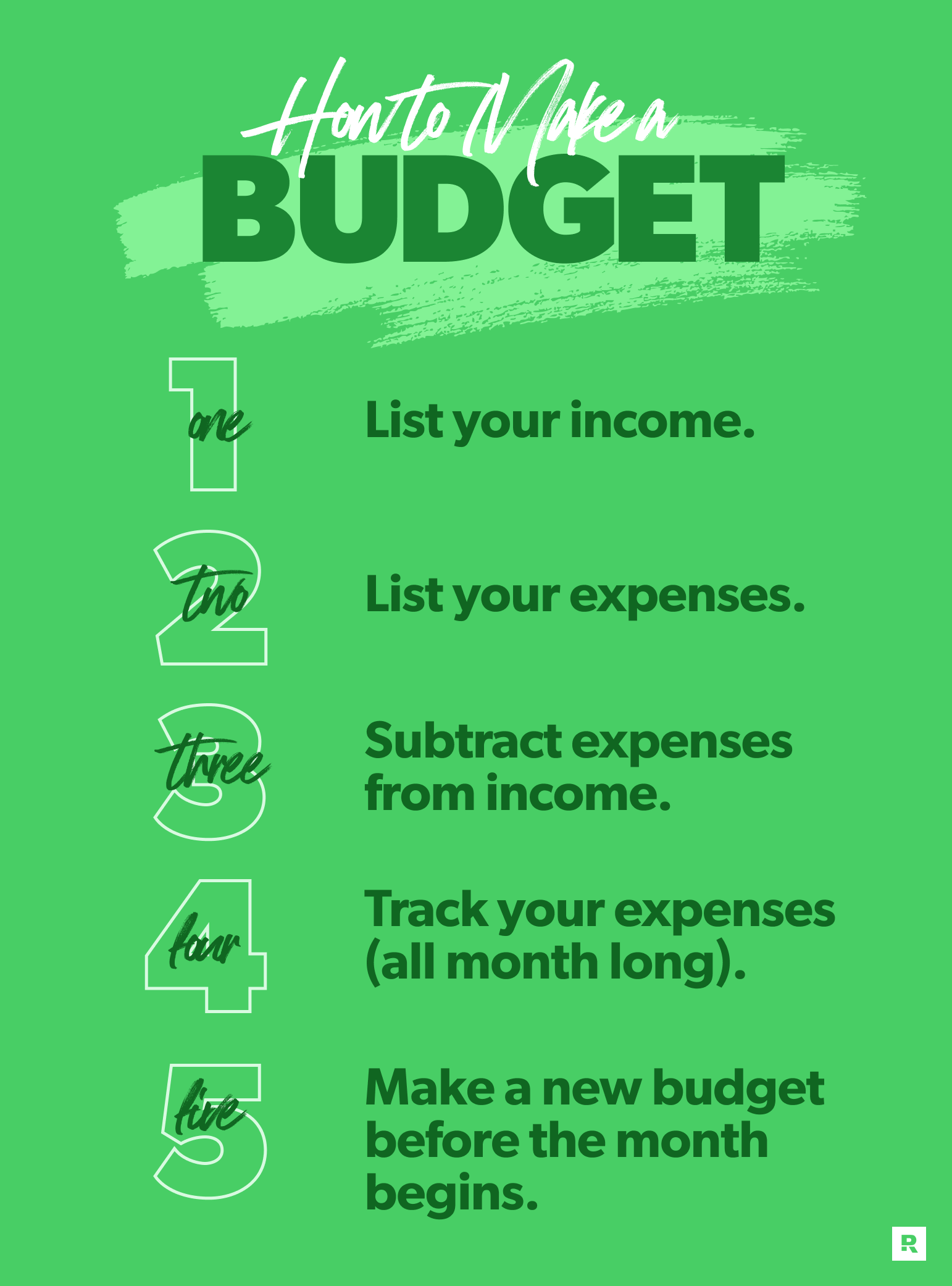
The Indispensable Value of Budgeting
Before diving into the mechanics of building a budget, it’s crucial to understand why this financial practice is so profoundly important. Budgeting isn’t merely an administrative task; it’s a strategic move that underpins virtually every aspect of personal financial health. By dedicating time and effort to budgeting, you unlock a cascade of benefits that can transform your relationship with money.
Gaining Financial Clarity and Control
Perhaps the most immediate benefit of budgeting is the unparalleled clarity it offers. Without a budget, your finances can feel like a black box, with money seemingly disappearing between paychecks. Budgeting forces you to confront your financial reality, revealing exactly how much income you have and precisely where every dollar is allocated. This transparency illuminates spending patterns, highlights potential leaks, and identifies areas where you might be overspending. With this newfound awareness, you move from passively reacting to your financial situation to actively making informed decisions, placing you firmly in the driver’s seat of your financial life. This control reduces guesswork and replaces it with a tangible plan.
Achieving Your Financial Goals Faster
Every financial goal—whether it’s saving for a down payment, paying off student loans, building an emergency fund, or planning for retirement—requires a strategic allocation of resources. A budget acts as your personal financial blueprint, showing you how much you can realistically contribute to these goals each month. By setting aside specific amounts for savings and debt repayment, you create an intentional pathway towards your objectives, rather than hoping there’s money left over at the end of the month. This intentionality dramatically accelerates your progress, turning abstract dreams into concrete realities. It’s the difference between wishing for financial freedom and actively planning for it.
Reducing Stress and Building Resilience
Money worries are a leading cause of stress for many individuals and families. The anxiety stemming from not knowing if you can cover upcoming bills, unexpected expenses, or simply make ends meet can be overwhelming. Budgeting directly addresses this stress by providing predictability and a sense of security. When you have a clear plan for your money, you’re better prepared for both regular expenditures and unforeseen challenges. An emergency fund, meticulously built through consistent budgeting, acts as a crucial buffer against life’s curveballs, from medical emergencies to job loss, fostering a robust financial resilience that reduces worry and promotes peace of mind.
Step-by-Step Guide to Crafting Your First Budget
Starting your first budget might seem daunting, but by breaking it down into manageable steps, the process becomes straightforward and empowering. This section outlines the fundamental actions you need to take to build a solid financial foundation.
Assess Your Income: Knowing What You Have
The very first step is to get a precise understanding of your total net income. This means your take-home pay after taxes, deductions, and contributions to benefits like health insurance or retirement plans. If you have multiple sources of income (e.g., a primary job, a side hustle, rental income), tally all of them up. For salaried employees, this is usually a consistent figure. For freelancers or those with variable income, it’s often best to use an average of the past few months or even a conservative estimate to avoid overestimating funds. Understanding your baseline income is non-negotiable, as it forms the ceiling for your total spending.
Track Your Spending: Where Does Your Money Go?
This is arguably the most eye-opening part of the budgeting process. For a period of 30 days (or even longer if you want a more comprehensive picture), meticulously track every single dollar you spend. This can be done manually with a notebook, using a spreadsheet, or leveraging budgeting apps that link to your bank accounts. The goal here is not to judge your spending, but to gather data. You might be surprised to discover how much you spend on things like dining out, subscriptions you no longer use, or impulse purchases. This raw data is invaluable for the next step.
Categorize Expenses: Fixed vs. Variable
Once you have your spending data, organize your expenses into clear categories. The most fundamental distinction is between fixed and variable expenses:
- Fixed Expenses: These are costs that typically remain the same each month and are difficult to change in the short term. Examples include rent/mortgage, loan payments (car, student), insurance premiums, and many subscription services.
- Variable Expenses: These costs fluctuate month-to-month and you have more control over them. Examples include groceries, utilities (which can vary, but have a base), entertainment, dining out, clothing, and transportation (gas, public transit).
- Periodic Expenses: Don’t forget expenses that don’t occur monthly but are predictable, like annual insurance premiums, car registration, or holiday spending. You should factor these in by setting aside a pro-rata amount each month.
Categorization makes it easier to identify areas where you can cut back or reallocate funds.
Set Realistic Limits: Allocating Funds
With your income assessed and expenses categorized, it’s time to create your spending plan. Assign a specific dollar amount to each spending category, ensuring that your total planned expenses (plus any savings and debt payments) do not exceed your total income. This is where the real work of budgeting begins. Be honest with yourself about what’s realistic. Drastically cutting back on everything overnight is often unsustainable. Start with modest adjustments and gradually tighten your budget as you become more comfortable. Remember to allocate funds for your savings goals and debt repayment before discretionary spending—this is often called “paying yourself first.”
Choose Your Tool: From Spreadsheets to Apps
The method you use to manage your budget is a personal preference. There’s no one-size-fits-all solution, but a tool that aligns with your comfort level and consistency is crucial.
- Spreadsheets (e.g., Excel, Google Sheets): Offer maximum flexibility and customization. Ideal for those who enjoy data analysis and want full control over their categories and formulas.
- Notebooks/Manual Tracking: A simple, no-tech approach for those who prefer pen and paper. Requires discipline but can be very effective for visual learners.
- Budgeting Apps (e.g., Mint, YNAB, Personal Capital): Many apps link directly to your bank accounts and credit cards, automating transaction tracking and categorization. They often provide visual reports and goal-tracking features, making them highly convenient for modern budgeters.
- Online Banking Tools: Many banks now offer built-in budgeting features within their online portals, providing a convenient way to track spending within your existing banking ecosystem.
The best tool is the one you will consistently use.
Popular Budgeting Methods: Finding Your Perfect Fit
While the core principles of budgeting remain consistent, various methodologies can help structure your financial plan. Experimenting with different approaches can help you find one that resonates with your financial habits and goals.

The 50/30/20 Rule: Simplicity and Balance
Popularized by Senator Elizabeth Warren, the 50/30/20 rule is a straightforward guideline for allocating your after-tax income:
- 50% for Needs: This covers essential living expenses such as housing, utilities, groceries, transportation, insurance, and minimum loan payments.
- 30% for Wants: This category includes discretionary spending that improves your quality of life but isn’t strictly necessary. Examples are dining out, entertainment, hobbies, vacations, and shopping.
- 20% for Savings & Debt Repayment: This portion is dedicated to building an emergency fund, retirement savings, investing, and paying off consumer debt beyond the minimum payments.
This method is ideal for beginners due to its simplicity and balanced approach, making it easy to see if your spending aligns with healthy financial proportions.
The Zero-Based Budget: Every Dollar Has a Job
The zero-based budget is a powerful technique where you assign every single dollar of your income a specific job. At the end of the month, your income minus your expenses (including savings and debt repayment) should equal zero. This doesn’t mean your bank account goes to zero, but rather that all your money has been accounted for and allocated. This method demands precision and intentionality, preventing “mystery money” from disappearing. It’s highly effective for identifying wasteful spending and ensuring that funds are directed exactly where you want them to go. It requires regular tracking and adjustment but provides immense control.
The Envelope System: A Tangible Approach
For those who struggle with overspending on credit cards or prefer a more tactile way to manage money, the envelope system is an excellent choice. This method involves withdrawing cash for your variable expenses (like groceries, entertainment, and personal spending) at the beginning of each budget period and placing it into separate physical envelopes labeled for each category. Once an envelope is empty, you’re done spending in that category until the next budget period. This physical limitation makes overspending impossible within those categories and provides an immediate, tangible understanding of your available funds. It’s particularly effective for curbing impulsive purchases.
Sustaining Your Budget: Strategies for Long-Term Success
Starting a budget is a significant achievement, but the true test lies in its ongoing maintenance and adaptation. A budget is a living document that needs regular attention to remain effective.
Regular Review and Adjustment: Life Changes, So Should Your Budget
Life is dynamic, and so too should be your budget. Commit to reviewing your budget at least once a month, ideally before your next pay cycle. During this review, compare your actual spending to your budgeted amounts. Were there categories where you consistently overspent or underspent? Did your income change? Did new expenses arise or old ones disappear? Make necessary adjustments to your categories and allocations. This iterative process ensures your budget remains a relevant and accurate reflection of your current financial reality and goals. Don’t view deviations as failures, but as opportunities to refine your plan.
Building an Emergency Fund: Your Financial Safety Net
One of the most critical components of a resilient financial plan, often facilitated by effective budgeting, is the creation of an emergency fund. This is a dedicated savings account containing 3-6 months’ worth of essential living expenses, intended solely for unexpected events like job loss, medical emergencies, or major car repairs. Budgeting helps you consistently set aside money for this fund, shielding you from having to go into debt when life inevitably throws a curveball. Prioritize building this fund before focusing heavily on other long-term savings or investments.
Prioritizing Debt Repayment: Freeing Up Future Funds
High-interest debt (like credit card debt) can be a significant drain on your budget, consuming a large portion of your income each month in interest payments. A well-crafted budget allows you to identify surplus funds that can be aggressively applied to debt repayment strategies, such as the debt snowball (paying off smallest balances first) or debt avalanche (paying off highest interest rates first). By systematically reducing your debt, you free up more of your income each month, which can then be redirected towards savings, investments, or discretionary spending, significantly enhancing your financial flexibility.
Automating Savings and Bill Payments: Set It and Forget It
Harness the power of automation to ensure consistency in your financial plan. Set up automatic transfers from your checking account to your savings, investment, and emergency fund accounts immediately after you get paid. Similarly, automate bill payments for fixed expenses like rent, mortgage, and loan payments. This “set it and forget it” approach ensures that your financial priorities are met before you even have a chance to spend the money. Automation reduces the mental effort required to stick to your budget and minimizes the risk of missed payments or forgotten savings contributions.
Overcoming Budgeting Hurdles and Staying Motivated
Even with the best intentions, budgeting comes with its share of challenges. Recognizing these common hurdles and developing strategies to overcome them is key to long-term success.
Dealing with Unexpected Expenses: The Flexibility Factor
Life is unpredictable. A sudden car repair, a last-minute flight for a family emergency, or an unexpected medical bill can derail a meticulously planned budget. The key is not to view these as failures, but as realities that require flexibility. This is where your emergency fund becomes invaluable. For smaller, more frequent “unexpected” costs, consider adding a small “miscellaneous” or “buffer” category to your budget. If a large unexpected expense occurs, adjust your budget for the following month to replenish your emergency fund or reallocate funds temporarily. Remember, a budget is a guide, not a rigid prison.
Battling Budget Fatigue: Keeping the Momentum
The initial enthusiasm for budgeting can wane over time, leading to “budget fatigue.” The constant tracking and decision-making can feel tiresome. To combat this, schedule regular budget review sessions, but don’t obsess daily. Give yourself a break, but commit to your monthly check-ins. Celebrate small wins, like paying off a small debt or hitting a savings milestone. Consider simplifying your budget if it feels too complex, perhaps by consolidating categories. The goal is sustainability, not perfection.
Avoiding Lifestyle Creep: Staying Grounded
As your income potentially increases over time, there’s a natural tendency for your spending to increase along with it—this is known as lifestyle creep. What was once considered a luxury becomes a necessity. To avoid this, be intentional with any new income. Rather than immediately upgrading your lifestyle, direct a significant portion of raises or bonuses towards savings, investments, or debt repayment. This allows you to improve your financial security without inflating your ongoing expenses, ensuring your financial health outpaces your desire for more.

Seeking Support and Advice: You’re Not Alone
Budgeting doesn’t have to be a solitary endeavor. Discuss your financial goals with a trusted partner, family member, or friend who is also financially conscious. Sharing experiences and strategies can provide encouragement and accountability. If you find yourself consistently struggling or facing complex financial situations, consider seeking advice from a certified financial planner. They can offer personalized guidance, help you create a more sophisticated plan, and provide strategies for advanced financial goals.
Starting to budget is a transformative step towards financial empowerment. It requires discipline, honesty, and a willingness to learn and adapt. By understanding its profound value, meticulously following the initial steps, finding a method that suits you, and committing to its ongoing maintenance, you can build a robust financial framework. Embrace the journey, celebrate your progress, and watch as budgeting unlocks a future of financial security and freedom.
aViewFromTheCave is a participant in the Amazon Services LLC Associates Program, an affiliate advertising program designed to provide a means for sites to earn advertising fees by advertising and linking to Amazon.com. Amazon, the Amazon logo, AmazonSupply, and the AmazonSupply logo are trademarks of Amazon.com, Inc. or its affiliates. As an Amazon Associate we earn affiliate commissions from qualifying purchases.