
In an ever-evolving economic landscape, understanding “how to invest money” is no longer a luxury but a fundamental component of financial well-being and wealth creation. For many, the world of investing seems complex, fraught with jargon and perceived risks. However, with the right knowledge and a strategic approach, anyone can embark on a successful investment journey designed to meet their financial aspirations, from retirement planning to funding significant life events. This comprehensive guide will demystify the investment process, breaking down core concepts, exploring various investment avenues, and outlining strategies to help you navigate the markets with confidence and cultivate lasting wealth.
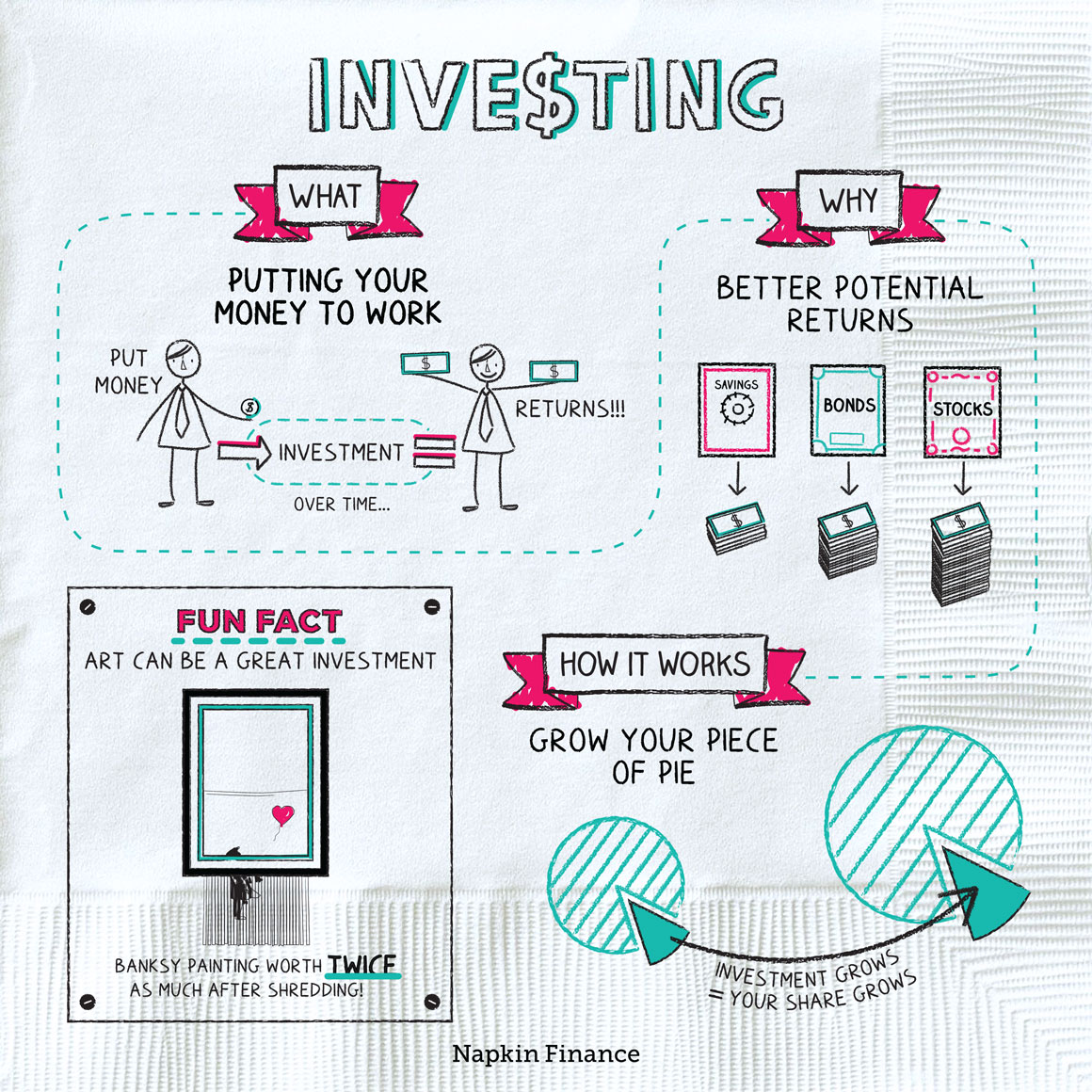
Laying the Foundation: Why and How to Start Investing
Before diving into specific investment vehicles, it’s crucial to establish a strong foundation. Investing isn’t just about picking stocks; it’s about aligning your financial decisions with your personal goals and understanding the fundamental principles that drive market growth.
Defining Your Investment Goals
Every successful investment journey begins with a clear destination. What do you hope to achieve by investing? Are you saving for a down payment on a house, funding your children’s education, building a retirement nest egg, or simply seeking to grow your capital beyond what a traditional savings account offers?
- Short-term Goals (1-3 years): Often involve lower-risk options where capital preservation is key, as market fluctuations can significantly impact short timelines.
- Medium-term Goals (3-10 years): Allows for a moderate level of risk, balancing growth potential with a relatively stable horizon.
- Long-term Goals (10+ years): This is where the true power of compounding shines. Long horizons allow for higher risk tolerance and significant growth opportunities, as short-term market volatility tends to smooth out over time.
Clearly defined goals will dictate your investment timeline, risk tolerance, and ultimately, the types of investments best suited for your portfolio.
Assessing Your Risk Tolerance
Risk tolerance is a deeply personal metric, reflecting your comfort level with potential fluctuations in the value of your investments. It’s not just about how much you can afford to lose, but how much you are willing to lose without losing sleep at night.
- Conservative Investors: Prioritize capital preservation, opting for lower-risk assets like bonds or high-yield savings accounts.
- Moderate Investors: Seek a balance between growth and safety, often through a diversified mix of stocks and bonds.
- Aggressive Investors: Are comfortable with higher volatility in pursuit of greater returns, often allocating a larger portion to stocks or growth-oriented assets.
Understanding your risk tolerance prevents emotional decision-making during market downturns and ensures your investment strategy aligns with your psychological comfort zone.
The Power of Compounding and Early Start
Albert Einstein reportedly called compounding “the eighth wonder of the world.” Compounding is the process where the returns on your investments also earn returns, leading to exponential growth over time. Starting early allows your money to benefit from this phenomenon for a longer period, significantly accumulating wealth with less effort. Even small, consistent contributions made early can outperform larger, later contributions due to the magic of time.
Exploring Investment Avenues: Where to Put Your Money
Once your foundation is set, it’s time to explore the vast array of investment vehicles available. Each comes with its own risk-reward profile and serves different purposes within a diversified portfolio.
Stocks: Ownership in Public Companies
When you buy a stock, you become a part-owner (shareholder) in a public company. As the company grows and becomes more profitable, the value of your shares can increase, and you might receive dividends (a portion of the company’s profits).
- Growth Stocks: Companies expected to grow faster than the overall market. High growth potential, but often higher risk.
- Value Stocks: Companies that appear to be undervalued by the market, trading below their intrinsic worth.
- Dividend Stocks: Companies that regularly pay out a portion of their earnings to shareholders.
Stocks offer significant growth potential but also carry higher volatility compared to other asset classes.
Bonds: Lending to Governments and Corporations
Bonds are essentially loans you make to a government or a corporation. In return, the issuer promises to pay you back the principal amount at a specific future date (maturity date) and to pay you regular interest payments (coupon payments) along the way.
- Government Bonds: Issued by national or municipal governments, generally considered lower risk.
- Corporate Bonds: Issued by companies, with risk levels varying based on the company’s financial health.
Bonds are often seen as a less volatile investment than stocks, providing a more stable income stream and a hedge against market downturns.
Mutual Funds and Exchange-Traded Funds (ETFs): Diversification Made Easy
These are professionally managed investment vehicles that pool money from multiple investors to buy a diversified portfolio of stocks, bonds, or other assets.
- Mutual Funds: Priced once a day after the market closes. Offer professional management and diversification.
- ETFs: Trade like individual stocks on exchanges throughout the day. Often have lower expense ratios than mutual funds and offer greater trading flexibility.
Both funds provide instant diversification across many securities, reducing the risk associated with individual stock picking and making investing accessible to beginners.
Real Estate: Tangible Assets for Long-Term Growth
Investing in real estate can involve buying physical properties (residential, commercial, rental), or indirectly through Real Estate Investment Trusts (REITs).
- Direct Ownership: Provides potential for rental income, property appreciation, and tax benefits, but also requires significant capital, management, and carries illiquidity risk.
- REITs: Companies that own, operate, or finance income-producing real estate. They trade on stock exchanges, offering a way to invest in real estate without directly owning property, providing liquidity and diversification.
Real estate can be a powerful wealth builder, offering both income and capital appreciation, often acting as a hedge against inflation.
Alternative Investments: Commodities, Crypto, and More
Beyond traditional assets, alternative investments offer diverse opportunities, though often with higher risk and complexity.
- Commodities: Raw materials like gold, silver, oil, and agricultural products. Prices are driven by supply and demand, economic growth, and geopolitical events.
- Cryptocurrencies: Digital or virtual currencies secured by cryptography. Highly volatile and speculative, but offer potentially high returns.
- Private Equity/Venture Capital: Investing in private companies not traded on public exchanges. Typically for accredited investors due to high risk and illiquidity.
These options can enhance diversification and potentially offer outsized returns, but demand thorough research and a higher risk tolerance.

Crafting Your Investment Strategy: Principles for Success
Having understood the types of investments, the next step is to formulate a robust strategy that aligns with your goals and risk tolerance.
Diversification: The Golden Rule of Investing
“Don’t put all your eggs in one basket.” This adage is paramount in investing. Diversification means spreading your investments across various asset classes, industries, geographic regions, and even types of securities. The goal is to minimize risk by ensuring that a poor performance in one area of your portfolio is offset by better performance in another. A well-diversified portfolio is more resilient to market downturns and less reliant on the success of a single investment.
Long-Term vs. Short-Term Investing
- Long-Term Investing: The most advocated strategy for most investors. It involves holding investments for many years, often decades, to ride out market fluctuations and benefit from compounding. This approach reduces the impact of short-term volatility and often leads to greater returns.
- Short-Term Investing (Trading): Involves buying and selling assets rapidly to profit from price movements. This strategy is significantly riskier, requires extensive market knowledge, active monitoring, and is not recommended for beginners.
For the vast majority, a long-term, buy-and-hold strategy is the path to sustainable wealth accumulation.
Dollar-Cost Averaging: Mitigating Market Volatility
Dollar-cost averaging (DCA) is a strategy where you invest a fixed amount of money at regular intervals (e.g., $100 every month), regardless of the asset’s price.
- When prices are high, your fixed amount buys fewer shares.
- When prices are low, your fixed amount buys more shares.
Over time, this strategy averages out your purchase price, reducing the risk of buying all your assets at a market peak and removing the emotion of trying to “time the market.”
Rebalancing Your Portfolio
Over time, the performance of different assets can shift your portfolio’s original allocation. Rebalancing involves periodically adjusting your portfolio back to your target asset allocation. For example, if stocks have performed exceptionally well, they might now represent a larger percentage of your portfolio than you initially intended. Rebalancing would involve selling some stocks and buying more of your underperforming assets (like bonds) to restore your desired risk level. This disciplined approach ensures your portfolio remains aligned with your risk tolerance and long-term goals.
Navigating the Investment Landscape: Common Pitfalls and Best Practices
Even with a sound strategy, the investment journey has its challenges. Awareness of common pitfalls and adherence to best practices can significantly enhance your chances of success.
Avoiding Emotional Decisions and Market Timing
One of the biggest enemies of successful investing is emotion. Fear often leads to selling during market downturns, locking in losses, while greed can lead to buying at market peaks. Attempts to “time the market” – predicting when to buy or sell to catch the highs and lows – are notoriously difficult and often lead to underperformance. A disciplined, long-term approach, sticking to your predetermined strategy, is far more effective than reacting to daily market news.
Understanding Fees and Their Impact
Fees, even seemingly small ones, can significantly erode your returns over time. These can include:
- Expense Ratios: For mutual funds and ETFs.
- Trading Commissions: For buying and selling individual stocks.
- Advisory Fees: If you use a financial advisor.
- Account Maintenance Fees: Charged by some brokerages.
Always be aware of the fees associated with your investments and choose cost-efficient options whenever possible, as lower fees translate directly into higher net returns.
The Importance of Continuous Learning
The financial world is dynamic. New investment products emerge, regulations change, and economic conditions evolve. Staying informed, continuously learning, and adapting your knowledge base is crucial. Read reputable financial news, books, and educational resources. Understand economic indicators, company fundamentals, and global trends. This ongoing education empowers you to make informed decisions and adjust your strategy judiciously.
Resources and Next Steps: Empowering Your Investment Journey
Embarking on your investment journey can feel daunting, but a wealth of resources and professional guidance are available to support you.
Utilizing Financial Tools and Platforms
The digital age offers an unprecedented array of tools to assist investors:
- Robo-Advisors: Automated, algorithm-driven financial advisors that build and manage diversified portfolios based on your goals and risk tolerance, often at a lower cost than human advisors (e.g., Betterment, Wealthfront).
- Online Brokerages: Platforms that allow you to buy and sell stocks, ETFs, mutual funds, and other securities yourself (e.g., Fidelity, Charles Schwab, Vanguard, E*TRADE, Robinhood). Many offer educational resources and commission-free trading.
- Budgeting and Financial Planning Apps: Tools to help you track spending, save, and visualize your financial progress (e.g., Mint, YNAB).
These tools democratize investing, making it more accessible and manageable for individuals.
When to Seek Professional Advice
While self-directed investing is popular, there are times when professional guidance is invaluable. A qualified financial advisor can:
- Help you clarify your financial goals and risk tolerance.
- Develop a personalized investment plan tailored to your specific situation.
- Provide unbiased advice and emotional support during market volatility.
- Assist with complex financial planning, such as retirement, estate planning, or tax optimization.
Look for fiduciaries – advisors legally bound to act in your best interest.

Staying Informed and Adaptable
The journey of investing is a marathon, not a sprint. Market conditions will change, and so might your personal financial situation. Regularly review your portfolio, reassess your goals, and be prepared to make adjustments. Stay abreast of global economic news and financial trends, but always filter information through the lens of your long-term strategy. Patience, discipline, and a commitment to continuous learning are the ultimate ingredients for successful investing.
By understanding the “how invest money” principles outlined in this guide – from setting clear goals and assessing risk to diversifying assets and avoiding emotional pitfalls – you can build a robust investment strategy that paves the way for lasting financial security and the achievement of your wealth-building aspirations. The best time to start investing was yesterday; the next best time is today.
aViewFromTheCave is a participant in the Amazon Services LLC Associates Program, an affiliate advertising program designed to provide a means for sites to earn advertising fees by advertising and linking to Amazon.com. Amazon, the Amazon logo, AmazonSupply, and the AmazonSupply logo are trademarks of Amazon.com, Inc. or its affiliates. As an Amazon Associate we earn affiliate commissions from qualifying purchases.