
Understanding the intricate dance of the stock market requires a keen eye on a confluence of factors, both immediate and underlying. While a single day’s decline can often be attributed to a primary catalyst, it is more commonly the result of multiple pressures converging, influencing investor sentiment and triggering sell-offs across various sectors. Unpacking the “why” behind a market dip involves dissecting macroeconomic signals, corporate performance, and technical trading dynamics.
Macroeconomic Headwinds and Investor Sentiment
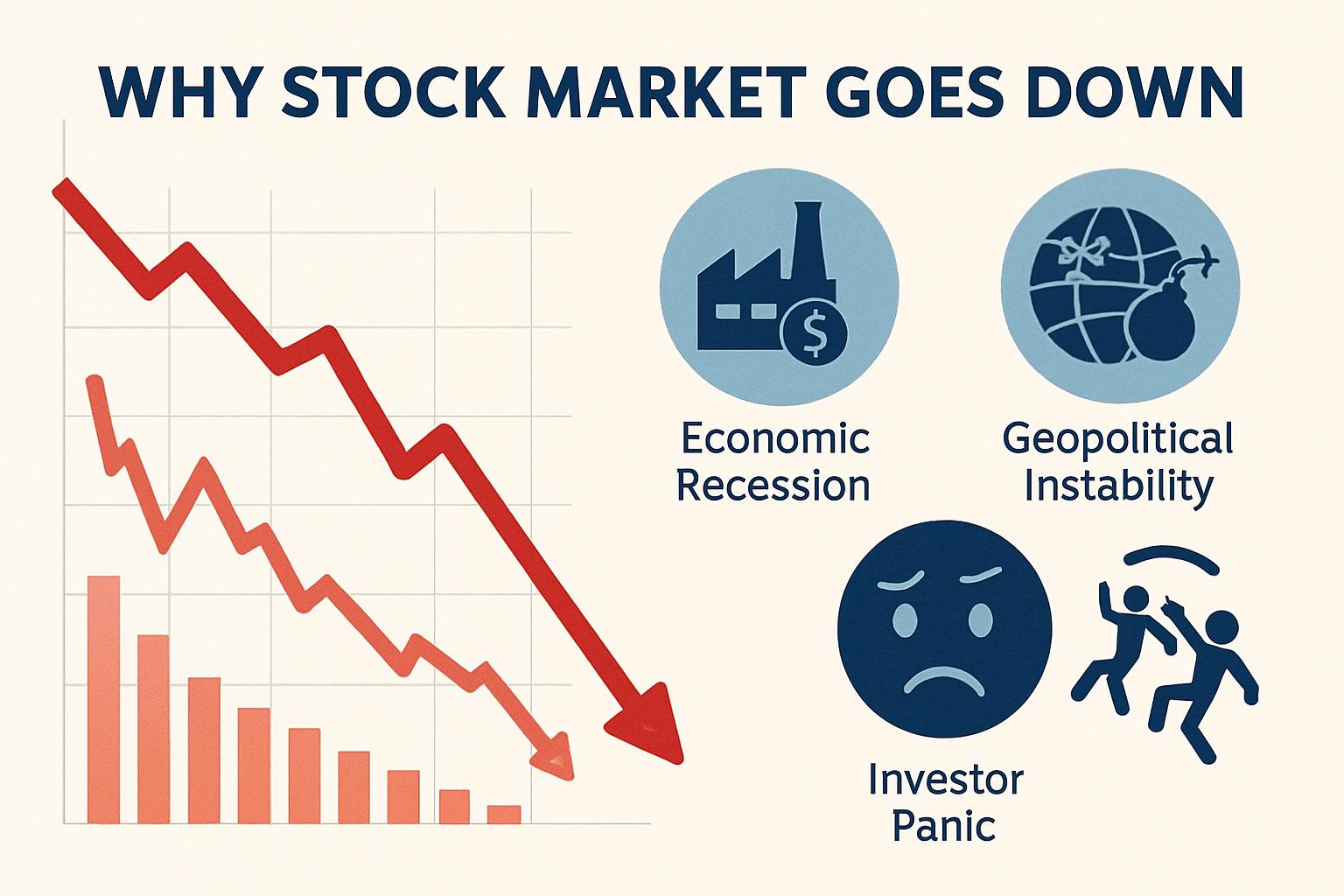
The broader economic landscape plays an outsized role in shaping market movements. Concerns over economic stability, inflation, and central bank policies are often at the forefront of investor worries, leading to increased volatility and potential downturns.
Inflationary Pressures and Interest Rate Hikes
One of the most persistent concerns for investors has been the stubborn persistence of inflation. When consumer prices rise rapidly and broadly, it erodes purchasing power and increases the cost of doing business. Central banks, in response, typically raise interest rates to cool down the economy and bring inflation under control. While necessary, higher interest rates make borrowing more expensive for companies and consumers, which can stifle economic growth.
For businesses, higher rates mean increased costs for loans, impacting profitability and future expansion plans. For consumers, mortgages, car loans, and credit card debt become more expensive, potentially leading to reduced spending. This dampening effect on economic activity often translates into lower corporate earnings expectations and, consequently, a market decline as investors price in a less favorable future. The mere anticipation of future rate hikes can be enough to trigger a sell-off, as markets are forward-looking mechanisms.
Geopolitical Tensions and Global Supply Chains
Geopolitical instability can introduce a significant layer of uncertainty into global markets. Conflicts, trade disputes, or shifts in international relations can disrupt supply chains, impact commodity prices, and create an environment of risk aversion. For example, disruptions to critical energy supplies can send oil and gas prices soaring, increasing input costs for virtually every industry and squeezing profit margins. Similarly, trade tariffs or export restrictions can limit market access for companies, reducing sales and growth prospects.
Investors react to such events by seeking safe-haven assets, such as government bonds or gold, and by divesting from riskier equity holdings. This flight to safety contributes to downward pressure on stock prices, particularly for multinational corporations with significant exposure to affected regions or supply chains. The unpredictable nature of geopolitical events makes them particularly challenging for markets to price in, often leading to sharp, sudden corrections.
Recession Fears and Consumer Confidence
The specter of a recession looms large whenever economic indicators begin to falter. A recession, characterized by a significant decline in economic activity across the economy, lasting more than a few months, typically involves real GDP, real income, employment, industrial production, and wholesale-retail sales. When signals point towards an impending economic contraction – such as an inverted yield curve, declining manufacturing output, or persistent jobless claims – investor confidence can evaporate quickly.
Consumer confidence, a vital driver of economic growth (given that consumer spending constitutes a significant portion of GDP), is particularly sensitive to these fears. When consumers are pessimistic about future economic conditions or their personal financial outlook, they tend to reduce discretionary spending, postpone large purchases, and increase savings. This slowdown in demand directly impacts corporate revenues and profits, leading investors to anticipate weaker earnings and sell off stocks. A collective loss of confidence can accelerate a market decline, creating a downward spiral as negative sentiment feeds on itself.
Sector-Specific Weaknesses and Earnings Reports
Beyond broad macroeconomic trends, specific sectors or individual companies can experience significant setbacks that contribute to a broader market decline, especially if those sectors hold substantial weight in major indices.
Technology Sector Revaluation
The technology sector, often a growth engine for the market, has been particularly susceptible to revaluations in certain economic climates. During periods of low interest rates and abundant liquidity, investors often flock to growth stocks, particularly in tech, valuing future earnings potential over immediate profitability. However, when interest rates rise, the present value of those distant future earnings diminishes, making tech stocks appear less attractive.
Furthermore, many tech companies rely on venture capital or debt for expansion, and higher borrowing costs can impede their growth trajectories. Concerns about tightening regulatory environments, increased competition, or simply a cooling in demand for certain digital products and services can also lead to significant sell-offs in the tech sector. Given its large market capitalization and influence on major indices, a significant downturn in tech can easily drag the entire market lower.
Impact on Cyclical Industries
Cyclical industries – those whose performance is closely tied to the overall economic cycle, such as automotive, airlines, hospitality, and construction – are particularly vulnerable during periods of economic uncertainty or expected slowdowns. When recession fears intensify, investors anticipate reduced consumer spending and corporate investment, directly impacting demand for goods and services from these sectors.
For example, a looming recession might deter consumers from purchasing new cars or planning vacations, leading to declining sales and bookings for auto manufacturers and airlines. Construction projects might be delayed or canceled due to higher borrowing costs and reduced demand for new homes or commercial spaces. As these industries face dimmer prospects, their stock prices tend to fall sharply, contributing significantly to a broader market decline, especially if they represent a large portion of the market’s composition.
Disappointing Corporate Earnings
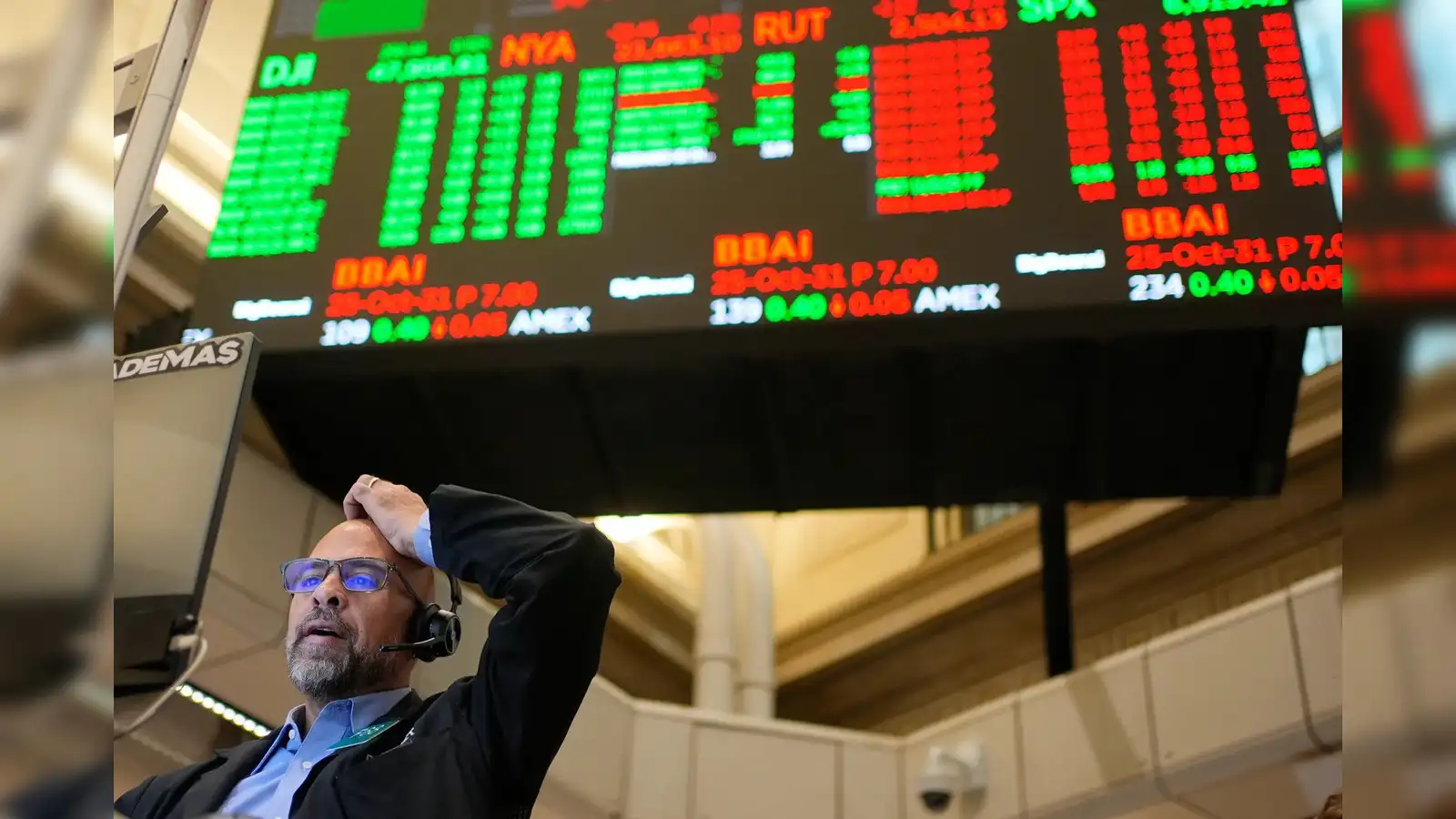
The quarterly earnings season is a critical period for market movements. Companies release their financial results, providing a snapshot of their performance over the past three months and offering guidance for future quarters. When a significant number of major companies report earnings that miss analyst expectations, or when their forward guidance is weaker than anticipated, it sends negative signals throughout the market.
Disappointing earnings suggest that corporate profitability is under pressure, potentially due to rising costs, weakening demand, or increased competition. This can lead to downward revisions in earnings estimates for the broader market, signaling a less robust economic environment than previously thought. Even if the overall market decline isn’t severe, a wave of poor earnings reports can certainly dampen investor enthusiasm and trigger a broad-based sell-off as investors adjust their valuations based on the new information.
Technical Factors and Market Dynamics
Beyond fundamental and macroeconomic considerations, the market’s internal mechanics and investor behavior patterns can also contribute to a single day’s decline. Technical factors often amplify underlying sentiment, turning minor dips into more significant corrections.
Profit-Taking and Volatility
After a period of sustained gains, some investors may decide to lock in their profits, particularly if they believe the market has become overvalued or if they anticipate headwinds. This “profit-taking” can lead to a concentrated wave of selling, especially among short-term traders or institutional investors managing large portfolios. While a healthy part of market cycles, widespread profit-taking on a particular day can create downward momentum.
Volatility, measured by the amplitude of price fluctuations, tends to increase during uncertain times. Higher volatility often means larger price swings, both up and down, but it can exacerbate downward movements as panic selling or automated stop-loss orders are triggered. News events, even seemingly minor ones, can be amplified in a high-volatility environment, leading to disproportionate market reactions.
Algorithmic Trading and Liquidity
Modern financial markets are heavily influenced by algorithmic trading, where computer programs execute trades based on pre-set rules and market conditions. While algorithms can enhance market efficiency, they can also contribute to rapid, cascading sell-offs. For example, if a specific economic indicator or a piece of news triggers a sell signal for numerous algorithms simultaneously, it can lead to a sudden surge in selling pressure that overwhelms market liquidity.
Liquidity refers to the ease with which an asset can be converted into cash without affecting its market price. In a highly liquid market, there are always buyers and sellers, allowing for smooth transactions. However, during periods of extreme selling pressure, liquidity can dry up. If there are fewer buyers willing to absorb the sudden influx of sell orders, prices can fall more sharply and quickly, as sellers are forced to accept lower bids to offload their assets. This creates a feedback loop where falling prices lead to even less liquidity, amplifying the downward movement.
Key Support Levels Breached
In technical analysis, “support levels” are price points where a stock or index has historically found buying interest, preventing further decline. When a key support level is breached, it often signals a shift in market sentiment from bullish to bearish. Many traders use these levels as indicators, and a break below a significant support level can trigger further selling, as investors who rely on technical analysis liquidate their positions to avoid further losses. This can transform what might have been a minor correction into a more pronounced downturn, as the psychological barrier of the support level is broken, leading to a capitulation among those who were holding out hope for a rebound.
The Path Forward: Investor Strategies in a Downturn
While a market downturn can be unsettling, it’s crucial for investors to maintain a long-term perspective and adhere to sound financial principles. Reacting emotionally to daily fluctuations often leads to suboptimal decisions.
Diversification and Asset Allocation
A diversified portfolio, spread across different asset classes (equities, bonds, real estate, commodities), industries, and geographies, is designed to mitigate risk during volatile periods. When one sector or asset class performs poorly, others may hold their value or even rise, offsetting some of the losses. Regular rebalancing of your portfolio ensures that your asset allocation remains consistent with your risk tolerance and financial goals, automatically selling high-performing assets and buying lower-performing ones to maintain target percentages. This disciplined approach prevents overexposure to any single risk factor.
Long-Term Perspective and Dollar-Cost Averaging
Historically, market downturns have always been followed by recoveries. Investors with a long-term horizon (multiple years or decades) are better positioned to weather short-term volatility. Instead of trying to time the market, which is notoriously difficult, adopting a dollar-cost averaging strategy can be highly effective. This involves investing a fixed amount of money at regular intervals, regardless of market conditions. When prices are high, your fixed investment buys fewer shares; when prices are low, it buys more shares. Over time, this strategy can reduce the average cost per share and capitalize on market dips.
Rebalancing and Risk Management
Beyond initial asset allocation, periodic rebalancing is vital. This means reviewing your portfolio at set intervals (e.g., quarterly or annually) and adjusting it back to your target allocations. For instance, if stocks have fallen, you might need to sell some bonds (if they’ve risen) to buy more stocks, bringing your equity exposure back up to your target percentage. This disciplined approach ensures you don’t take on more risk than you’re comfortable with and helps you buy low when assets are undervalued. Effective risk management also includes maintaining an emergency fund, avoiding investing money you might need in the short term, and regularly assessing your personal financial situation to ensure your investment strategy aligns with your life goals.
A market downturn, while unnerving, is a normal and often healthy part of the economic cycle. By understanding the underlying drivers and sticking to a well-thought-out financial plan, investors can navigate these periods with greater confidence and position themselves for future growth.
aViewFromTheCave is a participant in the Amazon Services LLC Associates Program, an affiliate advertising program designed to provide a means for sites to earn advertising fees by advertising and linking to Amazon.com. Amazon, the Amazon logo, AmazonSupply, and the AmazonSupply logo are trademarks of Amazon.com, Inc. or its affiliates. As an Amazon Associate we earn affiliate commissions from qualifying purchases.