
The daily closing price of the stock market is far more than just a fleeting number; it’s a critical snapshot that encapsulates a day’s worth of economic activity, investor sentiment, and global events. For millions of investors, financial analysts, and economists, the market’s close provides an immediate gauge of financial health and sets the tone for future trading. Understanding what this number represents, how it’s determined, and its implications is fundamental to navigating the complex world of finance. While “today’s close” is a moving target, the principles behind its significance remain constant, offering crucial insights into market dynamics and investor strategy.
Understanding the Daily Close: More Than Just a Number
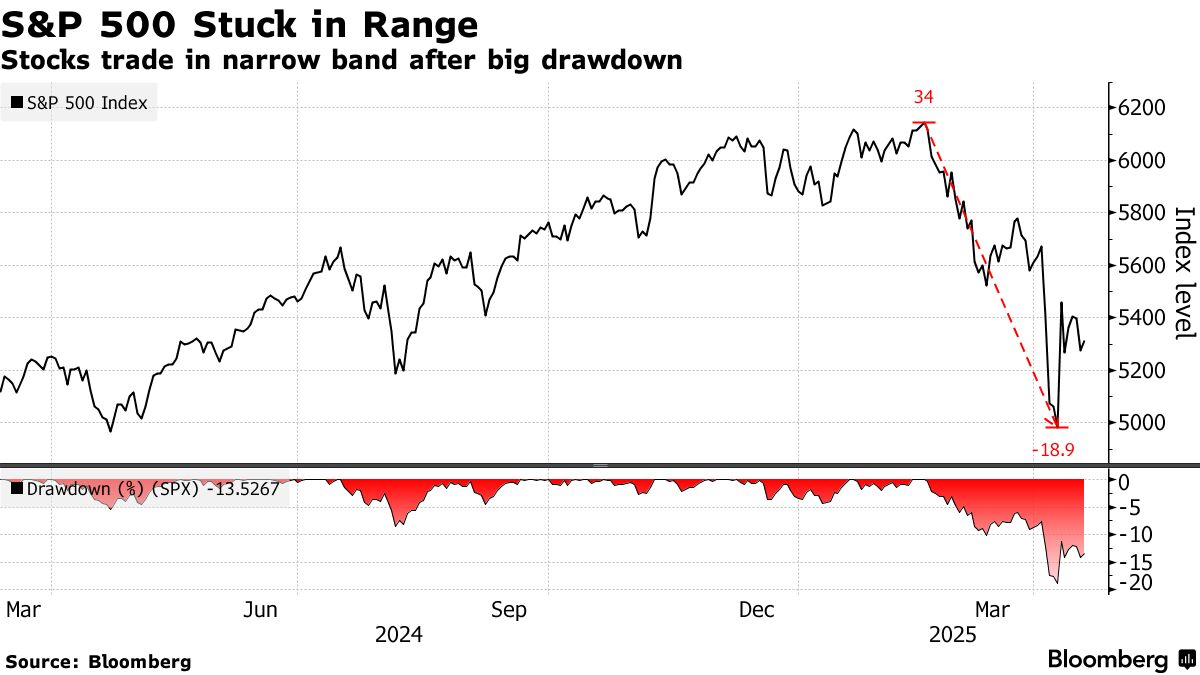
The stock market’s daily close represents the final traded price for a security or an index at the end of a trading session. This seemingly simple data point is, in reality, the culmination of countless transactions, market orders, and human decisions made throughout the day. It provides a definitive endpoint for a day’s performance, allowing for clear comparisons and analysis.
The Mechanics of Market Closure
Major stock exchanges, such as the New York Stock Exchange (NYSE) and the NASDAQ, operate during specific hours, typically from 9:30 AM to 4:00 PM Eastern Time on weekdays. The closing bell signifies the end of regular trading, but the process of determining the final closing price can be more nuanced than simply taking the last trade. For many major indices and stocks, specific algorithms or “closing auctions” are employed to ensure an orderly and representative close. These mechanisms aim to match buy and sell orders that have accumulated near the end of the day, reducing volatility and manipulation attempts that might otherwise occur with a single final trade. The official closing price is then disseminated through financial news services and data platforms, becoming the benchmark for that day’s performance.
Key Indices and Their Significance
When people refer to “the stock market close,” they are often referring to the performance of major market indices. These indices are portfolios of selected stocks that represent different segments or the overall health of the market. The most commonly cited include:
- Dow Jones Industrial Average (DJIA): Comprising 30 large, publicly owned companies traded on the NYSE and NASDAQ, the Dow is a price-weighted index that reflects the performance of blue-chip stocks. Its close is often seen as a bellwether for the broader economy.
- S&P 500 (Standard & Poor’s 500): This is a market-capitalization-weighted index of 500 of the largest U.S. publicly traded companies. It is widely considered the best gauge of large-cap U.S. equities and the overall health of the American stock market.
- NASDAQ Composite: Primarily composed of technology and growth companies listed on the NASDAQ exchange, this index offers insights into the performance of the tech sector and innovative industries.
- Russell 2000: This index measures the performance of 2,000 small-cap U.S. companies, providing a benchmark for small-cap stocks and often indicating broader market sentiment or economic expansion within smaller businesses.
The closing values of these indices, alongside individual stock prices, offer a comprehensive picture of market activity and help investors benchmark their own portfolios.
Why the Daily Close Matters to Investors
The stock market’s daily close is not merely an interesting statistic; it has tangible implications for both individual and institutional investors. Its importance stems from its role as a reference point for performance measurement, portfolio valuation, and strategic decision-making.
Short-Term Reactions vs. Long-Term Strategy
For active traders and short-term investors, the daily close can trigger immediate reactions. A strong close might signal momentum that encourages holding or buying, while a weak close could prompt selling decisions. These traders often analyze intraday charts and the closing performance to anticipate the next day’s opening. However, for long-term investors, the daily close serves a different purpose. While they might note significant movements, their strategies are generally less susceptible to day-to-day fluctuations. For them, the daily close contributes to a broader trend analysis, helping them assess the overall health of their investments over weeks, months, or years, rather than dictating immediate actions. It helps confirm or challenge their long-term thesis without causing knee-jerk reactions.
Impact on Portfolio Valuation
At the end of each trading day, the closing prices of all securities held within an investment portfolio are used to calculate its current market value. This daily valuation is crucial for several reasons:
- Net Asset Value (NAV): For mutual funds and exchange-traded funds (ETFs), the daily close of their underlying holdings determines the fund’s NAV, which is the price at which investors can buy or sell shares.
- Margin Requirements: For investors trading on margin, the daily close affects their equity level. Significant declines can lead to margin calls, requiring investors to deposit additional funds or liquidate positions.
- Performance Tracking: Investors use the daily valuation to track the performance of their portfolios against benchmarks and their own financial goals. This helps in understanding gains or losses and making informed decisions about rebalancing or adjustments.
- Tax Implications: While not directly affecting daily taxes, accumulated gains or losses based on closing prices throughout the year are critical for calculating capital gains taxes at year-end.
Setting the Stage for Tomorrow’s Trading
The daily close acts as a psychological and analytical bridge between two trading days. A strong close can create positive sentiment, leading to a “gap up” at the next day’s open, meaning stocks open higher than their previous close. Conversely, a weak close, especially if accompanied by negative news, can lead to a “gap down.” Futures markets, which trade almost 24 hours a day, react immediately to news occurring after the cash market closes, providing an early indication of how the main market might open the following day. Analysts spend the hours after the close dissecting the day’s events, corporate announcements, and economic data, using the closing prices as their starting point for projections and recommendations for the next trading session.
Factors Influencing the Market’s End-of-Day Performance

The stock market’s closing performance is rarely arbitrary. It’s the result of a complex interplay of various forces, from macroeconomic shifts to individual company news and prevailing investor psychology. Understanding these factors provides a deeper appreciation for the daily volatility and long-term trends.
Economic Indicators and Corporate Earnings
Throughout the trading day, and particularly towards its end, the market reacts keenly to economic data releases. Reports on inflation, employment, GDP growth, retail sales, and manufacturing output can significantly influence investor confidence. Positive indicators generally lead to buying pressure, pushing prices higher, while negative data can trigger selling. Similarly, corporate earnings reports are critical. When a major company reports better-than-expected earnings or provides an optimistic outlook, its stock often rises, and if it’s a large-cap company, it can pull an entire index higher. Conversely, disappointing results can lead to a sell-off that impacts the broader market. The timing of these releases, often after market hours or before the open, means their full impact is often reflected in the next day’s close, or in futures market movements.
Geopolitical Events and Global News
The interconnectedness of the global economy means that events far beyond national borders can have a profound impact on local stock markets. Geopolitical tensions, international trade disputes, policy changes in major economies, and even natural disasters in critical regions can all create uncertainty or opportunity. For example, a significant policy announcement from the European Central Bank or news of a conflict in an oil-producing region can send ripples across global markets, influencing the closing prices of major indices and commodities. Investors constantly monitor these global developments, adjusting their positions in anticipation of their effects, which can often be concentrated in the final hours of trading as news filters through and is digested.
Investor Sentiment and Technical Analysis
Beyond hard data, the collective psychology of investors—known as market sentiment—plays a crucial role in daily market movements, especially towards the close. Fear and greed are powerful motivators. If positive sentiment prevails, driven by optimism about future growth or corporate prospects, buying pressure tends to intensify, leading to a strong finish. Conversely, widespread pessimism can lead to selling into the close. Technical analysis also influences end-of-day trading. Traders who use technical indicators look for patterns, support, and resistance levels. If a stock or index approaches a key technical level near the close, it can trigger a flurry of activity as traders try to push it above or below that level, or take profits. Volume tends to increase towards the close, amplifying these psychological and technical effects.
Tools and Strategies for Monitoring Market Closings
For investors looking to stay informed and make data-driven decisions, a variety of tools and strategies exist to effectively monitor and interpret the daily stock market close.
Real-Time Data Platforms
Modern financial technology provides instant access to market data. Platforms like Bloomberg Terminal, Refinitiv Eikon, or consumer-friendly options such as Yahoo Finance, Google Finance, CNBC, or Investing.com offer real-time quotes, charts, and news. These tools allow investors to track indices and individual stocks as they approach the close, observe volume trends, and see how different sectors are performing. Many even offer pre- and post-market trading data, giving a fuller picture of investor activity outside regular hours. Customizable watchlists and alerts can notify investors of significant price movements or news events relevant to their holdings, ensuring they are always aware of the market’s pulse as the closing bell approaches.
Post-Market Analysis and Reporting
Once the market closes, the focus shifts to analysis. Reputable financial news outlets, such as The Wall Street Journal, Financial Times, Bloomberg, and Reuters, publish comprehensive summaries of the day’s trading activities. These reports often highlight the key drivers of market performance, analyze sector-specific movements, and provide commentary from leading economists and strategists. Brokerage firms and investment banks also issue daily market wrap-ups, offering their clients insights into what happened and what might be expected next. Subscribing to these reports can provide valuable context and help investors understand the nuances behind the numbers, moving beyond simply knowing “what the market closed at.”
Incorporating Daily Closes into Your Investment Strategy
While the daily close is important, it’s crucial to integrate this information wisely into a broader investment strategy. For long-term investors, the daily close should be viewed as one data point in a continuous trend. It can inform rebalancing decisions or provide an opportunity to buy or sell based on predetermined criteria, but it shouldn’t dictate impulsive actions. For shorter-term traders, the close can be a direct trigger for entry or exit points, often combined with technical indicators and volume analysis. Regardless of the strategy, understanding the context—why the market closed a certain way, what economic data was released, and what the sentiment was—is far more valuable than the number itself. Use the close as a check-in point for your financial health and a foundation for informed future planning.
Beyond Today: The Long-Term Perspective
While the daily close captures immediate market dynamics, a truly insightful investment approach transcends the singular focus on “today’s number.” The most successful investors leverage daily data as part of a larger, disciplined strategy, understanding that short-term volatility is an inherent feature of market participation.
Avoiding Emotional Reactions
One of the biggest pitfalls for investors is reacting emotionally to daily market swings, especially pronounced movements at the close. A strong rally can induce euphoria, leading to over-risking, while a sharp decline can trigger panic selling, often locking in losses. The daily close, particularly after significant news, can amplify these emotions. A long-term perspective emphasizes that market corrections and downturns are normal parts of the economic cycle, and robust portfolios are built to withstand such fluctuations. Rather than letting the daily close dictate fear or greed, investors should stick to their pre-defined investment plans, which include asset allocation, diversification, and risk management strategies. This discipline helps to smooth out the emotional roller coaster and prevent detrimental short-sighted decisions.
Diversification and Risk Management
No matter what the market closes at on any given day, the principles of diversification and effective risk management remain paramount. A well-diversified portfolio, spread across different asset classes (stocks, bonds, real estate, commodities), geographies, and sectors, helps mitigate the impact of adverse movements in any single area. If one sector experiences a downturn towards the close, others might remain stable or even rise, cushioning the overall portfolio. Similarly, defining a clear risk tolerance and setting stop-loss orders or having a rebalancing strategy in place can protect an investor from significant losses that might materialize around the close of a particularly volatile day. The daily close serves as a reminder to regularly review these foundational elements of an investment strategy, ensuring they align with one’s financial goals and comfort level with risk, irrespective of short-term market noise. Ultimately, “what the stock market close at today” is a piece of the puzzle, not the entire picture of enduring financial success.
aViewFromTheCave is a participant in the Amazon Services LLC Associates Program, an affiliate advertising program designed to provide a means for sites to earn advertising fees by advertising and linking to Amazon.com. Amazon, the Amazon logo, AmazonSupply, and the AmazonSupply logo are trademarks of Amazon.com, Inc. or its affiliates. As an Amazon Associate we earn affiliate commissions from qualifying purchases.