
The question “how much has the stock market lost?” echoes through news cycles, investor forums, and personal finance discussions whenever markets turn south. It’s a natural inquiry, laden with concern for retirement funds, investment portfolios, and the broader economic outlook. However, answering this question isn’t as simple as citing a single number. The “loss” can be measured in myriad ways, affecting different investors and sectors with varying degrees of intensity. Understanding market declines requires delving into historical context, the mechanics of measurement, the underlying causes, and crucially, the strategies investors can employ to weather these inevitable storms. This article aims to provide a comprehensive, insightful look at stock market losses, offering a professional perspective on navigating volatility and turning apprehension into informed action.

The Volatility of Markets: A Historical Perspective
Stock markets are inherently cyclical, characterized by periods of growth (bull markets) and contraction (bear markets). This ebb and flow is a fundamental aspect of investing, driven by a complex interplay of economic indicators, corporate performance, investor sentiment, and global events. Recognizing this cyclical nature is the first step toward understanding and contextualizing any reported “losses.”
Understanding Market Cycles: Bull vs. Bear
A bull market is generally defined by sustained price increases, typically 20% or more from recent lows, coupled with widespread investor optimism and economic growth. In contrast, a bear market is marked by a prolonged period of declining stock prices, usually characterized by a drop of 20% or more from recent highs. Bear markets are often accompanied by investor pessimism, economic slowdowns, or even recessions. Between these major trends, markets also experience corrections, which are typically short-term declines of 10% to 20% within an ongoing bull market. These distinctions are crucial because a “loss” in a correction might be temporary and quickly recovered, while a loss in a deep bear market could persist for years.
Major Market Crashes and Corrections
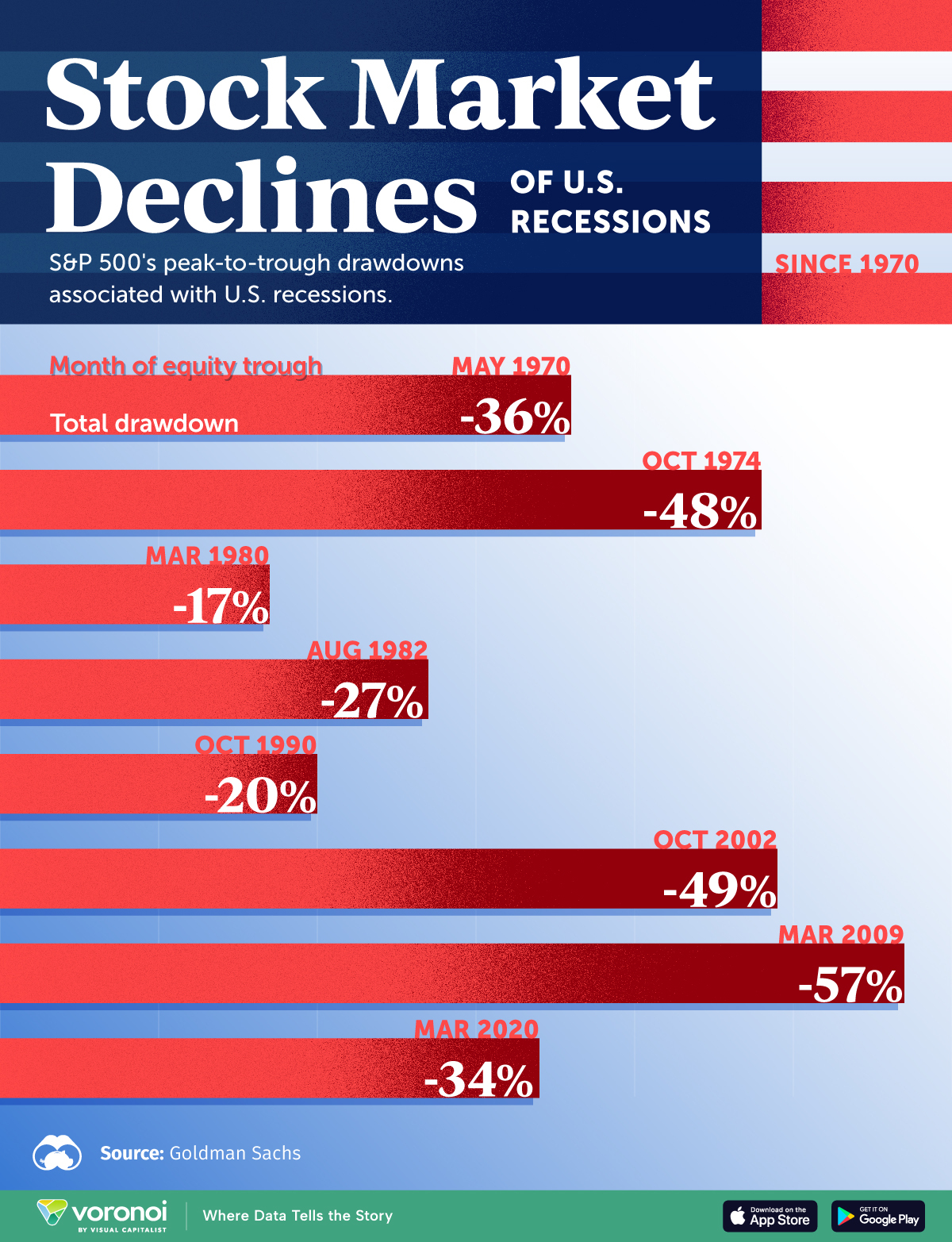
History offers a rich tapestry of market downturns, each with its unique triggers and characteristics. From the Great Depression’s devastating impact in the 1930s to the tech bubble burst of 2000, the 2008 Global Financial Crisis, and the sharp, swift downturns of 2020, markets have consistently faced periods of significant decline.
- Black Monday (1987): The Dow Jones Industrial Average plunged over 22% in a single day, an event attributed to program trading and market liquidity issues.
- Dot-Com Bubble Burst (2000-2002): Excessive speculation in internet companies led to a sharp correction, particularly in technology-heavy indices like the Nasdaq, which fell by over 75%.
- Global Financial Crisis (2008-2009): Triggered by the subprime mortgage crisis, major indices globally saw declines of over 50%, leading to a deep recession.
- COVID-19 Pandemic (2020): A sudden, health-related shock caused markets to plummet over 30% in a matter of weeks, followed by an equally swift recovery driven by unprecedented fiscal and monetary stimulus.
These events underscore that significant “losses” are not isolated incidents but recurring features of market dynamics. While the specifics differ, the underlying principle remains: markets are susceptible to shocks and periods of decline.
What Defines a “Lost” Market?
Defining “lost” is subjective. For a long-term investor, a temporary 20% dip might not be a “loss” if they haven’t sold their assets and the market eventually recovers. However, for someone nearing retirement who needs to withdraw funds, a market decline just before their withdrawal date can represent a very real and permanent loss of capital. Generally, a market is considered to have “lost” when its broad indices have fallen significantly from their recent peaks. The magnitude and duration of the decline are key factors in assessing its impact. A 10% correction lasting a few months is different from a 50% bear market spanning several years.
Measuring “Loss”: Indices, Portfolios, and Psychological Impact
To quantify how much the stock market has “lost,” we typically refer to the performance of major market indices. However, an investor’s personal experience of loss can be vastly different from what the headlines report.
Key Market Indices as Barometers
Major stock market indices serve as essential barometers for the overall health and direction of the market.
- S&P 500: Represents 500 of the largest U.S. publicly traded companies, often considered the best gauge of large-cap U.S. equities and overall market health.
- Dow Jones Industrial Average (DJIA): A price-weighted index of 30 significant U.S. stocks, reflecting industrial health.
- Nasdaq Composite: Heavily weighted towards technology and growth companies, providing insight into the performance of the tech sector.
When reports state “the market has lost X%,” they are usually referring to the decline in one or more of these indices from a previous high point. For example, if the S&P 500 peaked at 4,800 and then dropped to 3,840, it has “lost” 20%. These aggregate numbers provide a snapshot, but they don’t tell the whole story for every investor.
Individual Portfolio Performance vs. Broad Market Trends
An individual’s portfolio performance can diverge significantly from broad market indices.
- Diversification: A well-diversified portfolio, including bonds, real estate, or international stocks, might perform better than a purely domestic equity index during a U.S. market downturn.
- Sector Concentration: An investor heavily concentrated in a specific sector (e.g., technology) will experience greater losses if that sector underperforms, even if the broader market holds up relatively well. Conversely, they might outperform in a sector-specific bull run.
- Entry Points: When an investor initially bought their assets plays a critical role. Someone who invested near a market peak will likely experience greater paper losses during a downturn than someone who invested earlier or later.
- Withdrawals/Contributions: Investors making regular contributions (dollar-cost averaging) during a downturn can actually benefit by buying more shares at lower prices, potentially mitigating their overall “loss” over the long term.
Therefore, while market indices provide a general reference, the actual “loss” in an individual’s portfolio depends on their specific holdings, investment strategy, and timing.
The Emotional Toll of Market Declines
Beyond numerical figures, market losses carry a significant psychological weight. The fear of losing hard-earned savings can lead to irrational decision-making, such as panic selling at the bottom of a market cycle. This behavior can turn paper losses into permanent realized losses, undermining long-term financial goals. The media often amplifies negative news during downturns, creating a cycle of fear that can be challenging for even experienced investors to navigate. Understanding this psychological aspect is crucial, as emotional responses often lead to poorer investment outcomes than a disciplined, rational approach.
Drivers Behind Recent Market Declines
While market downturns are regular occurrences, the specific catalysts behind them vary. Recent periods of market weakness, for instance, have been shaped by a confluence of macroeconomic forces, geopolitical tensions, and sector-specific challenges.
Macroeconomic Factors: Inflation, Interest Rate Hikes, Recession Fears
One of the most potent drivers of recent market volatility has been the resurgence of high inflation after decades of relative price stability. Central banks, particularly the U.S. Federal Reserve, have responded aggressively by raising interest rates.
- Inflation: High inflation erodes purchasing power and corporate profit margins. Companies face increased costs for raw materials, labor, and transportation, which can squeeze their earnings.
- Interest Rate Hikes: Higher interest rates increase the cost of borrowing for companies and consumers, slowing economic activity. For businesses, this means higher debt servicing costs and reduced investment. For consumers, it translates to higher mortgage rates, credit card interest, and car loan payments, dampening demand. Growth stocks, which rely heavily on future earnings, are particularly sensitive to rising rates because higher discount rates reduce the present value of those future profits.
- Recession Fears: Persistent inflation and aggressive rate hikes often fuel concerns about an impending economic recession. A recession, characterized by a significant decline in economic activity, typically leads to lower corporate earnings and higher unemployment, further pressuring stock prices.
Geopolitical Tensions and Supply Chain Disruptions
Global events have also played a significant role. Geopolitical conflicts, such as the war in Ukraine, have disrupted global supply chains, driving up energy and commodity prices. These disruptions exacerbate inflationary pressures and create uncertainty for businesses operating internationally. Companies struggle with higher input costs, delayed production, and difficulties in transportation, all of which negatively impact their financial performance and investor confidence. The interconnectedness of the global economy means that regional conflicts can have far-reaching effects on markets worldwide.
Sector-Specific Weaknesses
While broad indices may reflect overall market sentiment, specific sectors can experience disproportionate losses. For instance, in recent times, the technology sector, which flourished during the low-interest-rate environment of the pandemic, has faced significant headwinds. Many highly valued tech companies, particularly those not yet profitable, have seen their stock prices fall sharply as investors become more risk-averse and prioritize profitability over speculative growth. Similarly, sectors tied to consumer discretionary spending might suffer during periods of high inflation and economic uncertainty as consumers rein in non-essential purchases. Understanding these sector-specific weaknesses helps explain why some portfolios might experience greater “losses” than others.
Strategies for Investors During Market Downturns
While market losses can be disconcerting, they are also an inevitable part of the investment landscape. Rather than succumbing to panic, disciplined investors view downturns as opportunities to refine their strategies and reinforce long-term objectives.
The Importance of Long-Term Perspective and Dollar-Cost Averaging
One of the most critical strategies during a market downturn is maintaining a long-term perspective. Historical data overwhelmingly demonstrates that stock markets, despite numerous severe corrections and bear markets, have consistently delivered positive returns over extended periods. Trying to time the market by selling at the bottom and buying back in later is notoriously difficult and often leads to missing out on significant recovery gains.
Dollar-cost averaging is a powerful technique that involves investing a fixed amount of money at regular intervals, regardless of market conditions. When prices are high, your fixed investment buys fewer shares; when prices are low (during a downturn), it buys more shares. Over time, this strategy averages out the purchase price, reducing the risk of investing a lump sum at an inopportune time and capitalizing on the lower prices available during market declines.
Diversification and Asset Allocation
A well-constructed portfolio is diversified across various asset classes, industries, and geographies. Diversification helps mitigate risk by ensuring that poor performance in one area doesn’t derail the entire portfolio. For example, during an equity market downturn, a portfolio with a healthy allocation to bonds might experience less volatility, as bonds often perform differently than stocks.
Asset allocation involves strategically distributing your investments among different asset classes based on your risk tolerance, time horizon, and financial goals. A younger investor with a long time horizon might have a higher allocation to stocks, while someone nearing retirement might opt for a more conservative mix with a larger bond component. Regular review and rebalancing of your asset allocation are essential, especially during volatile periods.
Rebalancing and Tax-Loss Harvesting
Market downturns provide opportunities for proactive portfolio management:
- Rebalancing: When one asset class performs poorly, its weight in your portfolio might fall below your target allocation. Rebalancing involves selling a portion of assets that have performed well and using the proceeds to buy assets that have underperformed, bringing your portfolio back to its desired allocation. This disciplined approach forces you to “buy low and sell high” in a systematic way.
- Tax-Loss Harvesting: This strategy involves selling investments at a loss to offset capital gains and potentially reduce taxable income. The proceeds from the sale can then be reinvested into similar, but not identical, assets to maintain portfolio exposure. This must be done carefully, adhering to IRS wash-sale rules, but it can be a valuable tax-efficiency tool during market declines.
Seeking Professional Financial Guidance
Navigating complex market conditions can be daunting, and emotional responses often cloud judgment. A qualified financial advisor can provide invaluable assistance by:
- Developing a personalized financial plan: Tailored to your specific goals, risk tolerance, and time horizon.
- Providing objective advice: Helping you avoid impulsive decisions driven by fear or greed.
- Assisting with portfolio rebalancing and tax strategies: Ensuring your investments remain aligned with your objectives and are managed tax-efficiently.
- Educating on market dynamics: Helping you understand the broader economic context and historical trends.
Beyond the Headlines: The Opportunity in Adversity
While the headline “how much has the stock market lost” evokes concern, seasoned investors often view downturns not just as periods of loss, but also as strategic opportunities. The long-term trajectory of innovation and economic growth persists, even through short-term turbulence.
Identifying Undervalued Assets
During a broad market sell-off, even high-quality companies with strong fundamentals can see their stock prices decline significantly, sometimes to levels below their intrinsic value. For investors with a keen eye and a long-term horizon, this presents an opportunity to acquire shares in excellent companies at discounted prices. This principle, famously advocated by value investors like Warren Buffett, suggests that buying during periods of pessimism often leads to substantial returns when market sentiment eventually improves and valuations normalize. It requires thorough research and a strong conviction in the long-term prospects of the chosen companies.
Innovation Continues: Investing in Future Growth
Economic progress and technological innovation do not halt during market downturns. In fact, periods of disruption can accelerate change, as companies are forced to adapt, streamline, and innovate to survive. Businesses focused on emerging technologies, sustainable solutions, or essential services often continue their growth trajectories, albeit sometimes with increased volatility. Savvy investors can use market dips to invest in these future-proof industries and companies that are poised for long-term growth, positioning their portfolios to benefit from the next wave of economic expansion.

Reinforcing Financial Discipline
Ultimately, market downturns serve as a powerful reminder of the importance of financial discipline. They underscore the need for:
- An emergency fund: To avoid being forced to sell investments at a loss to cover unexpected expenses.
- A clear investment plan: With well-defined goals and a consistent strategy.
- Patience and resilience: To ride out volatility and stick to the plan.
By focusing on these core principles, investors can transform the apprehension surrounding market losses into an opportunity for growth, learning, and ultimately, greater financial security. The stock market’s “losses” are often temporary price adjustments in a journey of long-term wealth creation for those who remain disciplined and forward-looking.
aViewFromTheCave is a participant in the Amazon Services LLC Associates Program, an affiliate advertising program designed to provide a means for sites to earn advertising fees by advertising and linking to Amazon.com. Amazon, the Amazon logo, AmazonSupply, and the AmazonSupply logo are trademarks of Amazon.com, Inc. or its affiliates. As an Amazon Associate we earn affiliate commissions from qualifying purchases.