
The question “how is Dow?” is a concise yet profoundly significant inquiry within the financial world. It invariably refers to the Dow Jones Industrial Average (DJIA), one of the oldest, most recognized, and frequently cited stock market indices globally. Far more than just a number, the Dow serves as a daily barometer of the health of the U.S. industrial sector and, by extension, the broader American economy. Its movements — up or down — are reported minute-by-minute, influencing investor sentiment, shaping financial news headlines, and often dictating the mood of the market. Understanding “how is Dow” requires delving into its structure, its historical performance, the factors that drive its fluctuations, and its role as both an investment vehicle and an economic indicator.
Understanding the Dow Jones Industrial Average (DJIA)
To truly grasp the implications of the Dow’s performance, one must first appreciate its fundamental composition and methodology. It’s not just a random collection of companies, nor is it calculated in the same way as other major indices.
What is the DJIA?
The Dow Jones Industrial Average is a stock market index that measures the stock performance of 30 large companies listed on stock exchanges in the United States. Founded by Charles Dow in 1896, it is the second-oldest U.S. market index after the Dow Jones Transportation Average. The “Industrial” in its name is largely historical; while it once primarily tracked heavy industrial companies, today its components span a diverse range of sectors, including technology, finance, healthcare, retail, and manufacturing. These are often referred to as “blue-chip” companies – large, well-established, and financially sound corporations with a long history of stable earnings and dividend payments. The selection of these 30 companies is not governed by rigid quantitative rules but by a committee of editors at S&P Dow Jones Indices, aiming to ensure the index remains relevant and representative of the broad U.S. market. Changes are made only when a company undergoes significant corporate restructuring or when its market relevance significantly diminishes.
How the Dow is Calculated
Unlike market-capitalization-weighted indices like the S&P 500, the DJIA is a price-weighted average. This means that companies with higher stock prices have a greater impact on the index’s value than companies with lower stock prices, regardless of their total market capitalization. To calculate the Dow, the sum of the prices of the 30 component stocks is divided by a special divisor, known as the “Dow Divisor.” This divisor is adjusted for stock splits, spin-offs, and other structural changes to the component companies to ensure that such events do not artificially distort the index’s value. For example, if a stock in the Dow undergoes a 2-for-1 split, its price is halved, but the divisor is also adjusted downward to maintain the continuity of the index’s value. This price-weighted methodology is often cited as a unique characteristic that differentiates the Dow from more modern, capitalization-weighted indices.
The Significance of the Dow
Despite its relatively narrow scope (30 companies) and its price-weighted methodology, the DJIA holds immense significance. Historically, it has been seen as a reliable barometer of the overall U.S. stock market and economic health. Its long lineage provides a historical context that few other indices can match, offering insights into market cycles, economic booms, and recessions over more than a century. Its movements are often interpreted as a bellwether for investor confidence and corporate profitability. When the Dow rises, it generally signals optimism about corporate earnings and economic growth; when it falls, it often reflects concerns about a slowdown, inflation, or geopolitical instability. For many individual investors, its daily performance is the first metric they check to gauge the general direction of the market, making it an indispensable part of financial discourse.
Current Performance and Market Context
The immediate answer to “how is Dow?” is always dynamic, reflecting a complex interplay of economic indicators, corporate actions, and global events. Its daily fluctuations are a microcosm of the broader economic narrative.
Recent Trends and Movements
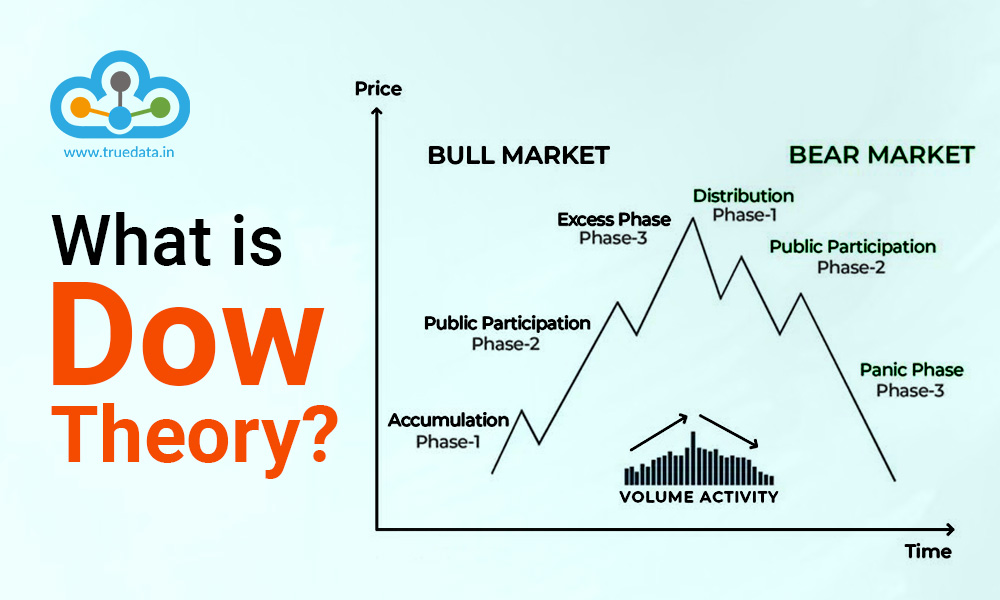
The Dow, like all market indices, moves through cycles of bull markets (periods of sustained growth) and bear markets (periods of prolonged decline). Recent trends often reflect the prevailing macroeconomic environment. For instance, periods of robust economic growth, low unemployment, and strong corporate earnings typically see the Dow trending upwards. Conversely, concerns over inflation, rising interest rates, geopolitical tensions, or recessions can lead to significant sell-offs and increased volatility. Major events, such as global pandemics, supply chain disruptions, or policy shifts from central banks, can trigger immediate and dramatic movements. Analyzing recent trends involves not just observing the index’s raw numbers but understanding the underlying sentiment—whether investors are in a phase of “fear” or “greed,” which significantly impacts market momentum. A sustained upward trend signals confidence, while sharp daily swings or a prolonged downtrend can indicate uncertainty or distress.
Key Factors Influencing the Dow
Numerous factors exert influence on the Dow’s performance, making its movements a reflection of a multifaceted economic landscape.
- Interest Rates: Decisions by the Federal Reserve on interest rates are paramount. Lower rates tend to make borrowing cheaper, stimulating economic activity and making stocks more attractive relative to bonds. Higher rates can slow the economy, increase borrowing costs for companies, and make fixed-income investments more appealing, often putting downward pressure on the Dow.
- Inflation: Persistent inflation erodes purchasing power and can lead to higher interest rates, impacting corporate profitability and consumer spending, which in turn affects stock prices.
- Corporate Earnings: The underlying health of the 30 component companies is crucial. Strong earnings reports, positive guidance, and robust revenue growth typically bolster the Dow. Conversely, disappointing earnings or lowered forecasts can trigger declines.
- Economic Data: Key economic indicators such as GDP growth, unemployment rates, retail sales, manufacturing data, and consumer confidence indices provide snapshots of the economy’s health. Positive data generally supports the Dow, while negative data can lead to corrections.
- Geopolitical Events: International conflicts, trade disputes, political instability in major economies, or significant policy changes globally can introduce uncertainty and volatility, often leading to a “flight to safety” and a decline in equity markets.
- Technological Innovation: Disruptive technologies and advancements can significantly impact component companies, leading to re-evaluations of their market position and future growth prospects.
Comparing the Dow to Other Indices
While the Dow is prominent, it’s essential to understand its context relative to other major indices. The S&P 500, which tracks 500 large U.S. companies, is generally considered a broader and more representative measure of the U.S. stock market due to its market-capitalization weighting. The Nasdaq Composite, heavily weighted towards technology and growth companies, often serves as an indicator for the tech sector. The Dow’s price-weighted nature means that a dollar change in a high-priced stock has a greater impact than a dollar change in a lower-priced stock, regardless of company size. This can sometimes lead to different performance trajectories compared to the S&P 500, especially when certain high-priced components are experiencing significant movements. Investors often look at all three indices to get a comprehensive view, recognizing that the Dow provides a specific lens focused on established industrial leaders.
Investing in the Dow: Strategies and Considerations
For investors looking to gain exposure to the U.S. blue-chip market, the Dow offers a distinct avenue. However, various strategies and considerations must be weighed.
Direct Stock Ownership vs. ETFs/Mutual Funds
Investing in the Dow doesn’t necessarily mean buying all 30 individual stocks.
- Direct Stock Ownership: An investor could theoretically purchase shares of each of the 30 companies that comprise the DJIA. This offers direct control and the ability to selectively overweight or underweight certain components based on individual research. However, it requires significant capital and ongoing management to maintain the exact weighting of the index, especially with periodic changes to the Dow’s components.
- Exchange-Traded Funds (ETFs) and Mutual Funds: A more common and practical approach is to invest in ETFs or mutual funds that track the DJIA. The most well-known is the SPDR Dow Jones Industrial Average ETF Trust (DIA), often referred to as “Diamonds.” These funds hold the stocks in the exact proportion required to replicate the index’s performance, offering instant diversification across all 30 companies with a single purchase. They are generally low-cost, liquid, and provide an efficient way to gain broad exposure to the Dow.
Long-Term vs. Short-Term Perspectives
The Dow, like the broader stock market, has historically demonstrated an upward trend over the long term, punctuated by periods of significant volatility and corrections.
- Long-Term Investing: For long-term investors, the Dow represents an investment in some of the most enduring and profitable companies in the American economy. A strategy focused on holding Dow-tracking funds for many years can benefit from compounding returns, dividend reinvestment, and the overall growth of the U.S. economy. Historical data suggests that patient, long-term investors have generally been rewarded, even through multiple bear markets.
- Short-Term Trading: While possible, actively trading the Dow (or Dow-tracking instruments) in the short term is inherently riskier. Short-term movements are highly susceptible to news events, economic data releases, and shifts in market sentiment, making accurate predictions challenging. It often involves technical analysis and a tolerance for higher volatility, and it is generally not recommended for novice investors.
Risk Management and Diversification
Investing solely in the Dow, while diversified across 30 large companies, is still an investment concentrated in U.S. large-cap equities.
- Sector Concentration: Despite the diversity of sectors represented, the Dow can sometimes have a heavy weighting towards certain industries at different times, introducing a degree of sector-specific risk.
- Geographic Concentration: It is exclusively focused on U.S. companies. For true diversification, investors should consider adding international equities, bonds, real estate, and other asset classes to their portfolio.
- Market Risk: All equity investments are subject to market risk, meaning the value of investments can decline due to overall market conditions, regardless of the individual performance of the underlying companies. A well-diversified portfolio helps mitigate idiosyncratic risks associated with specific companies or sectors and provides resilience against broad market downturns.
The Dow as an Economic Barometer
Beyond its utility as an investment vehicle, the Dow plays a crucial role as an economic indicator, offering insights into the health and direction of the broader economy.
Reflecting Corporate Health
The 30 companies within the Dow Jones Industrial Average are often leaders in their respective industries, representing a significant portion of the U.S. economy’s output and employment. Their collective performance – reflected in their earnings, revenue, and stock prices – is a strong indicator of corporate health. When these blue-chip companies are thriving, it suggests robust consumer demand, effective corporate management, and a favorable business environment. Conversely, widespread struggles among Dow components can signal fundamental issues within the economy, such as declining profitability, reduced consumer spending, or increased operational costs. Thus, observing the Dow provides an aggregate view of how America’s industrial titans are navigating the economic landscape.
Gauging Investor Sentiment
The Dow is also a powerful gauge of investor sentiment, often reflecting the collective mood of the market. During periods of optimism, investors are more willing to take on risk, bidding up stock prices and pushing the Dow higher. This “bullish” sentiment is often driven by positive economic outlooks, low interest rates, and strong corporate guidance. Conversely, during times of uncertainty or fear, investors become more risk-averse, leading to sell-offs and a declining Dow. This “bearish” sentiment can be triggered by inflation fears, geopolitical tensions, or signs of economic slowdown. The rapid shifts in the Dow’s value can sometimes be more indicative of the market’s psychological state than of immediate changes in corporate fundamentals, making it a crucial component in understanding investor behavior.
Limitations as a Sole Indicator
While highly significant, it’s important to acknowledge the Dow’s limitations as a sole economic barometer.
- Narrow Focus: With only 30 companies, the Dow is not as broad as indices like the S&P 500, which covers 500 companies, or the Russell 2000, which tracks small-cap firms. Its focus on large, established companies means it might not fully capture the dynamics of emerging industries, small businesses, or specific niche sectors that also contribute significantly to the economy.
- Price-Weighting Quirks: Its price-weighted methodology can sometimes lead to distortions. A company with a very high stock price but a relatively small market capitalization can have a greater impact on the index than a company with a lower stock price but a much larger market capitalization. This can occasionally misrepresent the true economic heft of its components.
- Lagging vs. Leading: Stock markets are generally considered leading indicators, meaning they often predict future economic trends. However, the Dow’s composition means it might sometimes lag behind certain emerging economic shifts, particularly those driven by smaller, more innovative companies outside its purview. Therefore, a holistic view of the economy requires considering the Dow alongside a diverse range of other economic data and market indices.
Looking Ahead: Future Outlook and Expert Insights
Predicting the future performance of the Dow is a complex endeavor, but understanding the prevailing macroeconomic forecasts and expert opinions can provide valuable context for future expectations.
Macroeconomic Forecasts
The future trajectory of the Dow will largely be shaped by overarching macroeconomic conditions. Forecasts regarding Gross Domestic Product (GDP) growth, which measures the total economic output, directly influence corporate revenues and earnings potential. Employment figures, indicating consumer health and spending power, are equally critical. Inflation trends will dictate central bank policy, particularly regarding interest rates, which profoundly affect corporate borrowing costs and investor appetite for equities. Consumer spending, a major component of GDP, also plays a pivotal role. Experts continuously analyze these and other indicators, such as manufacturing indices and housing market data, to project the likely path of the economy. A robust economic outlook typically bodes well for the Dow, while signs of stagnation or recession can lead to cautious or negative forecasts.
Technological Disruptions and Sector Shifts
The composition of the Dow is not static, and future performance will also depend on how its component companies adapt to technological disruptions and broader sector shifts. Artificial intelligence, automation, biotechnology, and renewable energy are just a few of the transformative forces reshaping industries. Companies within the Dow that successfully innovate, integrate new technologies, and expand into high-growth areas are likely to see their valuations increase, contributing positively to the index. Conversely, companies that fail to adapt may face challenges, potentially leading to their removal from the index and impacting overall performance. The ongoing evolution of the global economy means that the “industrial” nature of the Dow’s name will continue to be reinterpreted to include the leading companies of tomorrow.

Expert Opinions and Market Projections
Financial analysts, economists, and investment strategists regularly publish their projections for the Dow and the broader market. These expert opinions, while varied, often provide valuable insights into potential risks and opportunities. Some experts might express long-term optimism, citing the resilience of American corporations and the innovative capacity of the economy. Others might issue cautionary notes, highlighting risks such as persistent inflation, geopolitical instability, or potential economic slowdowns. Investors should approach these projections as guidance rather than certainties, understanding that unforeseen events can always alter market trajectories. A balanced perspective often involves considering a range of expert views and aligning them with one’s own investment goals and risk tolerance. Ultimately, while the immediate “how is Dow?” answer changes daily, its enduring role as a key financial indicator makes understanding its nuances essential for anyone engaged with the financial markets.
aViewFromTheCave is a participant in the Amazon Services LLC Associates Program, an affiliate advertising program designed to provide a means for sites to earn advertising fees by advertising and linking to Amazon.com. Amazon, the Amazon logo, AmazonSupply, and the AmazonSupply logo are trademarks of Amazon.com, Inc. or its affiliates. As an Amazon Associate we earn affiliate commissions from qualifying purchases.