
Every investor, from the seasoned professional to the curious beginner, often finds themselves asking, “What did the Dow close at?” This seemingly simple question carries a profound weight, encapsulating the day’s economic narrative, market sentiment, and the collective financial health of some of America’s most influential companies. The Dow Jones Industrial Average (DJIA), frequently referred to simply as “the Dow,” is more than just a number; it’s a vital barometer for understanding the broader stock market and, by extension, the economic landscape. Its daily closing value isn’t just a statistic reported in the evening news; it’s a critical data point that informs investment decisions, shapes financial strategies, and provides a snapshot of the ongoing interplay between corporate performance, macroeconomic forces, and investor psychology. In a world where financial information inundates us constantly, understanding the Dow’s close, its significance, and the factors that drive it, is essential for anyone navigating the complex currents of modern finance.
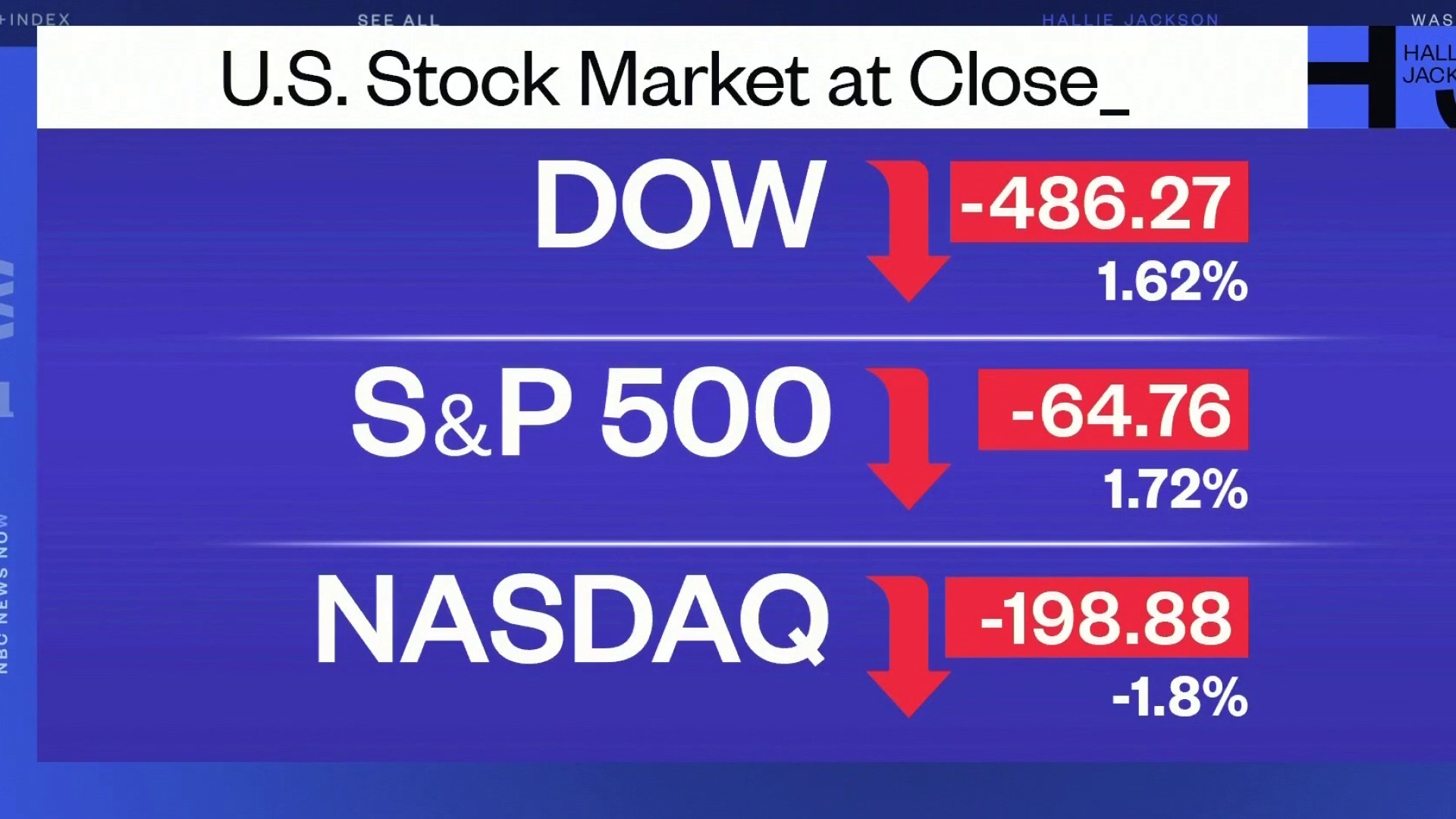
The Dow Jones Industrial Average: A Cornerstone of Market Understanding
The Dow Jones Industrial Average stands as one of the most recognized and frequently cited stock market indices globally. For over a century, it has served as a benchmark for the health of the U.S. stock market, often acting as a proxy for the broader economy. While not as comprehensive as other indices like the S&P 500, its enduring legacy and prominent role make its daily movements a focal point for financial analysis and public interest.
A Brief History and Its Evolution
Conceived by Charles Dow, co-founder of Dow Jones & Company and The Wall Street Journal, the DJIA was first published in May 1896. Initially comprising just 12 industrial companies, it aimed to provide a clear, concise measure of the performance of the U.S. stock market’s leading companies. Over its long history, the composition of the Dow has changed dramatically, reflecting shifts in the American economy. Companies have been added and removed to maintain its relevance, ensuring it continues to represent the dominant sectors and most influential corporations of its time. From railroads and steel manufacturers in its early days to technology giants and financial services firms today, the evolution of the Dow is a testament to the dynamic nature of industrial leadership and economic progress. Its longevity and continuous adaptation underscore its importance as a historical and contemporary economic indicator.
The “Price-Weighted” Enigma
Unlike many modern market indices that are weighted by market capitalization (where larger companies have a greater impact), the Dow is a “price-weighted” average. This means that stocks with higher share prices have a greater influence on the index’s value than those with lower share prices, regardless of their total market value. A single-dollar change in a high-priced stock, therefore, has a larger effect on the Dow’s overall value than a single-dollar change in a low-priced stock. This unique methodology is a legacy of its early days when computational power was limited, and simple averaging was practical. While sometimes criticized for not fully reflecting the true economic size of its component companies, this price-weighted approach is a defining characteristic of the Dow and contributes to its distinct behavior compared to other indices. Understanding this weighting is crucial for interpreting its movements accurately.
Who Are the 30 Giants?
At its core, the Dow comprises 30 of the largest and most influential publicly traded companies in the United States. These aren’t necessarily the 30 largest by market capitalization, nor are they strictly “industrial” in the traditional sense anymore. The selection committee, part of S&P Dow Jones Indices, aims to choose companies that represent a broad cross-section of major industries in the U.S. economy, possessing excellent reputations, demonstrated growth, and significant investor interest. The list includes titans from various sectors such as technology (e.g., Apple, Microsoft), finance (e.g., JPMorgan Chase, Goldman Sachs), healthcare (e.g., Johnson & Johnson, UnitedHealth Group), retail (e.g., Walmart), and manufacturing (e.g., Boeing). While the number of constituents has remained at 30 for decades, the specific companies are reviewed periodically and changed when a company undergoes a significant structural shift or when a new company becomes more representative of the current economic landscape. This curated selection of industry leaders provides a focused lens through which to observe the performance of America’s corporate elite.
Decoding the Daily Close: Why It Matters to Investors and Economists
The Dow’s daily closing value is far more than just the final price tag for a day’s trading; it’s a critical piece of financial data with ripple effects across various aspects of the economy and personal finance. It encapsulates the collective actions and sentiments of millions of market participants, providing a concise summary of the prevailing mood.
Beyond the Number: Reflecting Economic Sentiment
The Dow’s closing figure serves as a powerful indicator of overall economic sentiment. A significant upward movement might suggest growing investor confidence in corporate earnings, strong economic data, or optimism about future growth prospects. Conversely, a sharp decline can signal concerns about inflation, geopolitical instability, slowing economic growth, or impending recessions. Economists, policymakers, and business leaders closely monitor these movements to gauge the health and direction of the economy. While correlation is not causation, sustained trends in the Dow often precede or coincide with broader economic shifts, making it a valuable — albeit imperfect — leading indicator. It provides a daily pulse on how the market perceives the interplay of countless economic variables, translating complex data into a single, easily digestible figure.
Impact on Personal Finance and Investment Decisions
For individual investors, the Dow’s daily close can have tangible impacts on their personal finances and investment strategies. Those with diversified portfolios that include exchange-traded funds (ETFs) or mutual funds tracking broad market indices will see their investment values fluctuate in tandem with the Dow’s performance. A strong closing day might bring a sense of comfort and validation, reinforcing long-term investment goals. A poor close, however, could trigger anxiety, prompting some to reassess their holdings or even consider selling. While reacting impulsively to daily fluctuations is generally discouraged for long-term investors, the Dow’s performance undeniably influences psychological comfort and the perceived “health” of one’s investment portfolio. It also informs discussions with financial advisors and influences decisions regarding asset allocation, risk management, and rebalancing strategies.
The Psychological Effect of Market Closures
The closing bell of the stock market holds a unique psychological significance. The Dow’s final reported value for the day brings a sense of closure, establishing a benchmark against which future performance will be measured. A strong close can create positive momentum, influencing pre-market trading and investor expectations for the following day. Conversely, a weak close, especially after a period of volatility, can leave investors with a sense of unease, potentially leading to overnight deliberations and cautious trading at the next open. This psychological impact extends beyond individual investors, influencing news cycles, public discourse, and even consumer confidence. The market’s close effectively sets the tone for the next several hours, shaping perceptions of economic stability and opportunity until trading resumes.
Factors Influencing the Dow’s Daily Performance
The Dow’s daily dance of gains and losses is a complex choreography influenced by a myriad of interconnected factors, ranging from the micro-level performance of its constituent companies to macro-level global events. Understanding these drivers is key to deciphering the daily closing values and appreciating the volatility inherent in financial markets.
Corporate Earnings and Guidance
At the heart of the Dow’s movements are the financial health and future prospects of its 30 component companies. Quarterly earnings reports, which detail revenue, profits, and future guidance, are among the most potent catalysts for daily swings. When a Dow component beats earnings expectations or provides an optimistic outlook for the coming quarters, its stock price typically rises, pulling the overall index up. Conversely, missed earnings, reduced guidance, or negative business updates can send a company’s stock — and by extension, the Dow — tumbling. Analysts and investors meticulously dissect these reports, looking for signs of strength or weakness that reflect broader industry trends and economic conditions. Given the price-weighted nature of the Dow, a significant move in one of its higher-priced components can have a disproportionately large impact on the index’s closing value.

Macroeconomic Indicators and Geopolitical Events
Beyond individual company performance, the Dow is highly sensitive to a vast array of macroeconomic data and global developments. Key economic indicators such as Gross Domestic Product (GDP) growth, inflation rates (Consumer Price Index, Producer Price Index), employment reports (non-farm payrolls, unemployment rate), manufacturing data (ISM Index), and consumer confidence surveys provide a collective barometer of the economy’s health. Positive data generally fuels optimism and drives the Dow higher, while negative data can trigger sell-offs. Similarly, geopolitical events – from international trade disputes and political instability to wars and natural disasters – can introduce significant uncertainty into the markets, often leading to sharp downturns as investors seek safer assets. The interconnectedness of the global economy means that events far from U.S. shores can swiftly impact the Dow’s trajectory.
Central Bank Policies and Interest Rates
The policies of central banks, particularly the U.S. Federal Reserve, exert immense influence over the Dow. Decisions regarding interest rates, quantitative easing (QE), or quantitative tightening (QT) directly impact borrowing costs for companies and consumers, corporate profitability, and the overall attractiveness of equity investments compared to fixed-income assets. When the Fed raises interest rates, it generally makes borrowing more expensive, which can slow economic growth and reduce corporate profits, potentially leading to a market decline. Conversely, rate cuts or expansionary monetary policies aim to stimulate economic activity, often buoying stock prices. The market is constantly trying to anticipate the Fed’s next moves, with every speech, meeting minutes, and policy announcement scrutinized for clues, making central bank communications a major driver of daily market volatility and the Dow’s closing position.
Market Sentiment and Technical Factors
Finally, psychological factors and market dynamics play a significant role. Investor sentiment, which can be driven by a mix of fear and greed, often dictates short-term movements. Periods of irrational exuberance or panic can lead to overbought or oversold conditions, respectively, causing deviations from fundamental valuations. Technical factors, such as chart patterns, trading volumes, and support/resistance levels, are also analyzed by traders to predict short-term price movements. Algorithmic trading, which executes trades based on pre-programmed instructions, can amplify these movements, contributing to rapid shifts in the Dow’s value throughout a trading day. While fundamentals tend to dictate long-term trends, sentiment and technicals often explain the day-to-day volatility that culminates in a particular closing price.
Tools and Strategies for Tracking the Dow
In today’s fast-paced financial world, staying updated on the Dow’s movements is easier than ever. A plethora of tools and platforms are available to help investors, traders, and casual observers track its performance in real-time and after the closing bell. However, the sheer volume of information requires a strategic approach to effectively interpret the data.
Financial News Outlets and Data Providers
The most common source for the Dow’s closing value and related analysis is reputable financial news outlets. Major players like The Wall Street Journal, Bloomberg, Reuters, CNBC, and Fox Business provide comprehensive coverage, including live updates during trading hours, detailed closing reports, and expert commentary. Their websites, mobile apps, and television channels are invaluable for real-time tracking and post-market analysis. Additionally, specialized financial data providers such as Yahoo Finance, Google Finance, and Investing.com offer user-friendly interfaces with historical data, charts, news feeds, and personalized watchlists, allowing users to track the Dow and its components with ease. These platforms are often free and provide a wealth of information for both casual followers and serious investors.
Brokerage Platforms and Investment Apps
For those actively involved in investing, brokerage platforms are indispensable. Leading brokers like Charles Schwab, Fidelity, E*TRADE, Vanguard, and Robinhood offer sophisticated dashboards that display real-time Dow performance, along with the ability to manage personal portfolios. These platforms often integrate charting tools, news feeds, research reports, and analytical features that help investors understand the context of the Dow’s movements in relation to their own holdings. Many also offer mobile applications, ensuring that investors can access market data and their portfolios on the go. These tools not only report the Dow’s close but also enable investors to make informed decisions about their own investment strategies based on market conditions.
Interpreting Market Commentary and Analysis
Beyond simply knowing the number, understanding why the Dow closed where it did requires interpreting market commentary and analysis. Financial journalists, market strategists, and economists frequently offer insights into the factors that drove the day’s trading, speculate on future trends, and contextualize the Dow’s performance within broader economic narratives. It’s crucial to consume a diverse range of perspectives and to critically evaluate the analysis provided. Look for commentary that goes beyond superficial reporting, delving into the underlying economic data, corporate news, and geopolitical developments. Engaging with well-researched articles and reports can help build a more nuanced understanding of market dynamics, preventing knee-jerk reactions to daily fluctuations and fostering a more informed long-term investment approach.
The Dow in a Broader Investment Strategy
While the Dow’s daily close captures headlines, it’s essential for investors to view its movements within the context of a well-rounded and disciplined investment strategy. Solely focusing on its daily fluctuations can lead to emotional decisions and undermine long-term financial goals.
Diversification Beyond the 30
The Dow, comprising only 30 companies, represents a very concentrated segment of the U.S. stock market. Relying exclusively on its performance as a gauge of one’s investment health can be misleading. A sound investment strategy emphasizes diversification across various asset classes (stocks, bonds, real estate, commodities), geographies, and market capitalizations. While the Dow’s components are large-cap U.S. companies, a diversified portfolio would also include exposure to mid-cap and small-cap companies, international markets, and different industries not represented in the Dow. This broader approach helps to mitigate risk, as underperformance in one segment can be offset by strength in another. While tracking the Dow is useful, it should be seen as one piece of a much larger financial puzzle, not the entirety of the market.
Long-Term Perspective vs. Daily Fluctuations
One of the most critical aspects of successful investing is maintaining a long-term perspective, especially when it comes to volatile assets like stocks. The Dow’s daily close can swing dramatically based on transient news, algorithmic trading, or shifting sentiment. Reacting to every up or down day by making hasty buy or sell decisions is often detrimental to wealth accumulation. Historically, equity markets, including the Dow, have demonstrated a long-term upward trend despite numerous corrections and bear markets along the way. Investors focused on decades rather than days are better positioned to weather short-term volatility and benefit from the power of compounding. The Dow’s closing value is a daily snapshot; it’s the cumulative series of those snapshots over years that truly matters for long-term investors.
When to Act (or Not Act) on Daily Closes
Understanding when to act, and perhaps more importantly, when not to act, based on the Dow’s daily close is paramount. For most long-term investors, a single day’s performance, even a significant one, rarely warrants immediate action. A disciplined approach often involves adhering to a predetermined investment plan, rebalancing portfolios periodically, and making changes only in response to significant life events or fundamental shifts in one’s financial goals. Market downturns, as indicated by consecutive weak Dow closes, can sometimes present opportunities for astute investors to buy quality assets at lower prices. Conversely, periods of sustained market exuberance, reflected in strong Dow closes, might be a time to consider trimming overweighted positions. However, these decisions should always be made thoughtfully, based on thorough research and aligned with a personal financial strategy, rather than purely emotional responses to daily market reports.
The question “What did Dow close at?” will continue to be a staple of financial discourse, a quick reference point for the market’s current trajectory. Its enduring relevance lies not just in the number itself, but in its ability to condense the complex interplay of corporate performance, economic forces, and investor psychology into a single, compelling data point. By understanding the Dow’s structure, the factors that influence it, and its place within a broader investment strategy, individuals can move beyond simply observing the numbers to truly comprehending the dynamic pulse of the financial world. Whether you’re a seasoned investor or simply a curious observer, the Dow’s daily close offers a valuable, albeit nuanced, window into the economic narrative that shapes our financial present and future.
aViewFromTheCave is a participant in the Amazon Services LLC Associates Program, an affiliate advertising program designed to provide a means for sites to earn advertising fees by advertising and linking to Amazon.com. Amazon, the Amazon logo, AmazonSupply, and the AmazonSupply logo are trademarks of Amazon.com, Inc. or its affiliates. As an Amazon Associate we earn affiliate commissions from qualifying purchases.