
The daily ebb and flow of the Dow Jones Industrial Average (DJIA) serves as a constant point of fascination and, at times, concern for investors, economists, and the general public alike. Often cited as a primary barometer of the U.S. stock market’s health, its movements can reflect a complex interplay of global economic forces, corporate performance, and investor sentiment. Understanding “what happened to the Dow today” requires looking beyond the headline numbers to the underlying factors driving market dynamics, and appreciating its broader implications for personal finance and investment strategies.
Understanding the Dow’s Daily Pulse
The Dow Jones Industrial Average, commonly known as “the Dow,” is one of the oldest and most widely recognized stock market indices in the world. Established in 1896, it tracks the performance of 30 large, publicly owned companies based in the United States. These aren’t just any companies; they are typically blue-chip firms, leaders in their respective industries, chosen to represent a broad cross-section of the U.S. economy. Unlike market-capitalization-weighted indices such as the S&P 500, the Dow is a price-weighted index, meaning stocks with higher share prices have a greater impact on the index’s value.

Why the Dow’s Daily Movement Matters
The daily movement of the Dow is more than just a numerical change; it’s a snapshot of prevailing economic sentiment and corporate expectations. A significant upward movement might signal growing investor confidence, positive economic data, or robust corporate earnings. Conversely, a sharp decline could indicate rising fears about inflation, interest rate hikes, geopolitical instability, or disappointing company reports. For many, the Dow’s daily performance acts as a simplified, yet powerful, indicator of broader market trends and the overall health of the U.S. economy. While it only represents 30 companies, their collective performance often mirrors the trends seen across larger segments of the market due to their size and influence. Investors often use its daily change to gauge the immediate market reaction to breaking news, economic reports, or major policy announcements, which can, in turn, influence their short-term trading decisions or long-term portfolio adjustments.
Key Drivers Behind Daily Swings
The daily performance of the Dow is rarely attributable to a single factor. Instead, it is the cumulative result of a multitude of influences, ranging from macroeconomic indicators to microeconomic corporate events, all filtered through the lens of investor psychology.
Economic Data Releases
Macroeconomic announcements are often primary catalysts for daily Dow movements. Reports such as the Consumer Price Index (CPI), Gross Domestic Product (GDP), unemployment figures, manufacturing indices (like the ISM Manufacturing PMI), and retail sales data provide crucial insights into the health of the economy. Positive surprises in these reports, indicating stronger economic growth or lower inflation, typically fuel optimism and push the Dow higher. Conversely, weaker-than-expected data can spark fears of an economic slowdown or recession, leading to market pullbacks. For instance, a surprising jump in inflation could trigger concerns about aggressive interest rate hikes by the Federal Reserve, potentially dampening corporate profits and consumer spending, thus pressuring the Dow downwards.
Corporate Earnings and Outlook
As an index composed of 30 major companies, the collective performance of its constituent firms is paramount. During earnings season, individual company reports, including revenue, profit, and future guidance, can significantly sway the entire index. A handful of unexpectedly strong or weak reports from Dow components can have an outsized impact on the index due to its price-weighted nature. Beyond the raw numbers, the forward-looking statements from CEOs and CFOs about future growth, investment plans, and challenges provide a window into industry-specific and broader economic trends. A major Dow company revising its outlook downward due to supply chain issues or softening demand can send ripples through related sectors and the broader market.
Central Bank Actions and Monetary Policy
Decisions by the Federal Reserve and other major central banks profoundly influence financial markets. Interest rate decisions, quantitative easing or tightening policies, and forward guidance on monetary policy are closely scrutinized. A more hawkish stance (e.g., higher interest rates, reduced bond buying) typically makes borrowing more expensive, potentially slowing economic growth and reducing corporate profitability, often leading to a downward revision of stock valuations. Conversely, a dovish stance (e.g., lower interest rates, quantitative easing) can stimulate economic activity and boost market sentiment. Any hint of a shift in central bank policy can cause immediate and dramatic movements in the Dow.
Geopolitical Events and Global Market Contagion
The interconnectedness of the global economy means that events far beyond U.S. borders can impact the Dow. Geopolitical tensions, trade disputes, major policy changes in other large economies, and global supply chain disruptions can all introduce uncertainty and volatility. For example, a conflict in a major oil-producing region could spike energy prices, impacting transportation costs and consumer spending globally, thereby affecting the bottom lines of many Dow components. Similarly, a financial crisis in a major trading partner can create a ripple effect, reducing demand for U.S. exports and impacting multinational corporations.
Interpreting the Numbers: More Than Just Points
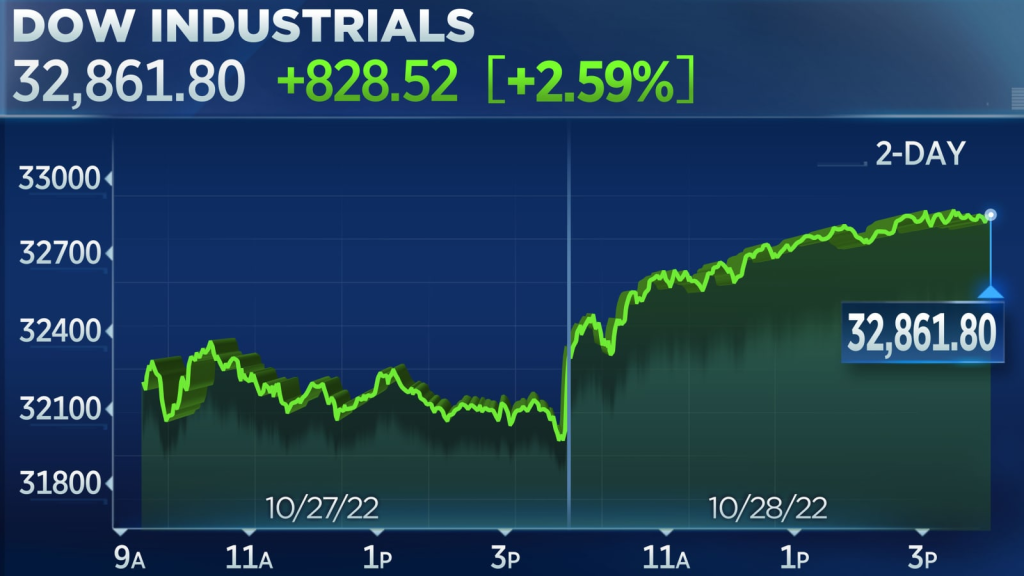
When the news headline screams about the Dow being up or down by hundreds of points, it’s easy to react instinctively. However, a nuanced interpretation of these movements is crucial for making informed financial decisions. The sheer number of points gained or lost is less important than the percentage change, the context of the movement, and its underlying causes.
Percentage Change vs. Point Change
Due to the Dow’s ever-increasing absolute value, a 200-point move today is far less significant in percentage terms than it would have been decades ago. What was once a major swing might now represent a modest daily fluctuation. Investors should always focus on the percentage change to understand the true magnitude of the market’s movement. A 0.5% change on a 35,000-point Dow is a typical day, while a 2% or 3% move warrants closer attention.
Context and Volatility
Market movements should always be viewed within a broader context. Is today’s move an isolated event, or part of a multi-day trend? Is it in line with overall market volatility, or an outlier? Periods of high volatility, often driven by uncertainty, can see larger daily swings becoming more common. Understanding the prevailing market environment helps differentiate between normal market noise and a significant shift in trend. Furthermore, comparing the Dow’s performance to other major indices like the S&P 500 or Nasdaq Composite can reveal if the movement is broad-based across the market or specific to the larger, industrial-heavy companies of the Dow.
Breadth of Market and Sector Performance
A deep dive into “what happened to the Dow today” also involves looking at what proportion of its 30 components moved up versus down, and which specific sectors were driving the change. If the entire index is pulled down by one or two heavily weighted tech stocks, but financials and healthcare are performing well, it paints a different picture than a broad sell-off across all sectors. Analyzing the performance of individual sectors can provide insights into specific industry trends, investor rotations, and potential opportunities or risks within different parts of the economy. For instance, if energy stocks are soaring while consumer discretionary stocks are falling, it might indicate concerns about rising fuel costs impacting consumer spending.
Implications for Your Portfolio
The daily machinations of the Dow can understandably evoke strong emotions in investors. However, an informed approach dictates that daily fluctuations should primarily serve as informational inputs, not immediate calls to action for long-term investors.
Avoiding Emotional Responses and Panic Selling
One of the greatest dangers for individual investors is reacting emotionally to daily market swings. A sharp drop in the Dow can trigger panic, leading to hasty decisions like selling off investments at a loss. Conversely, a surging market might tempt investors to chase speculative assets. Successful investing often requires a disciplined, long-term perspective, recognizing that market volatility is a normal and inherent part of the investment landscape. Daily moves are often just noise, and attempting to time the market based on short-term news is notoriously difficult and often leads to suboptimal returns.
Diversification and Asset Allocation
The daily performance of the Dow reinforces the importance of a well-diversified portfolio. While the Dow may capture the performance of large-cap U.S. industrials, a robust portfolio includes a mix of asset classes (stocks, bonds, real estate), geographies (domestic, international), and company sizes/types (large-cap, small-cap, growth, value). When one segment of the market or economy faces headwinds, another might be performing well, helping to smooth out overall portfolio returns. Regular rebalancing according to one’s predetermined asset allocation strategy helps ensure that daily market movements don’t throw the portfolio off course from its long-term objectives.
Dollar-Cost Averaging and Long-Term Goals
For many long-term investors, daily market movements should reinforce the benefits of strategies like dollar-cost averaging. This involves investing a fixed amount of money at regular intervals, regardless of market fluctuations. When the Dow is down, your fixed investment buys more shares, effectively lowering your average cost per share over time. When the Dow rises, your existing shares appreciate in value. This systematic approach mitigates the risk of trying to time the market and leverages volatility to the investor’s advantage over the long haul, aligning with goals like retirement planning or saving for a down payment on a home.
Navigating Volatility: A Long-Term Perspective
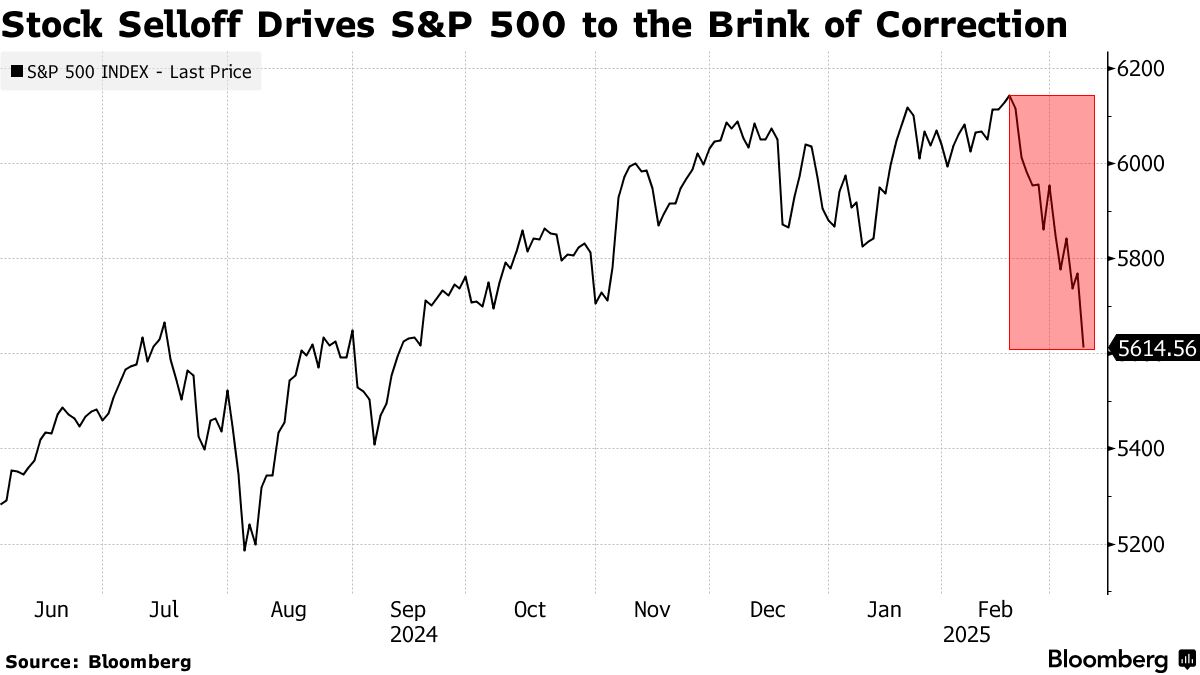
Ultimately, “what happened to the Dow today” should be considered through the lens of one’s personal financial goals and investment horizon. For those with a multi-decade investing timeline, daily market gyrations are often inconsequential compared to the broader trajectory of economic growth and corporate innovation.
Market history consistently shows that major indices like the Dow tend to trend upwards over the long term, despite experiencing numerous corrections and bear markets along the way. While significant downturns can be unsettling, they have historically proven to be temporary, often followed by periods of strong recovery. Investors who remain calm, adhere to their financial plan, and continue to invest strategically are typically those who capture the long-term compounding benefits of equity markets. Reviewing investment goals, rebalancing the portfolio as needed, and avoiding impulsive reactions are key strategies for successfully navigating the inevitable ups and downs of the Dow and the broader financial markets.
aViewFromTheCave is a participant in the Amazon Services LLC Associates Program, an affiliate advertising program designed to provide a means for sites to earn advertising fees by advertising and linking to Amazon.com. Amazon, the Amazon logo, AmazonSupply, and the AmazonSupply logo are trademarks of Amazon.com, Inc. or its affiliates. As an Amazon Associate we earn affiliate commissions from qualifying purchases.