
Car insurance is a mandatory expense for most drivers, a financial safety net designed to protect you from the potentially devastating costs associated with accidents, theft, or damage. Yet, for many, it’s also a source of confusion and frustration, with premiums varying wildly between providers, and even from year to year. The opaque nature of insurance pricing often leads consumers to settle for the first quote they receive or to renew without question, potentially leaving hundreds, if not thousands, of dollars on the table annually. Understanding how to effectively compare car insurance prices isn’t just about saving money; it’s about gaining control over a significant personal finance outlay, ensuring you have the right coverage for your needs without overpaying. This comprehensive guide will equip you with the knowledge and strategies to navigate the complex world of car insurance, empowering you to make informed decisions and secure the best possible deal.
The Imperative of Comparison: Why Shopping Around Pays Off
In the realm of personal finance, few expenses are as dynamically priced and as ripe for savings through diligent comparison as car insurance. It’s not a static product; rather, it’s a constantly fluctuating service whose price is determined by a myriad of factors, many of which change over time.
The Dynamic Nature of Premiums
Car insurance premiums are not set in stone. They are influenced by a complex algorithm that insurers continually refine based on market trends, risk assessments, and even their own business goals. Economic conditions, regional accident rates, natural disaster occurrences, and changes in repair costs all play a role in how insurers price their policies. Moreover, your personal circumstances evolve: you might move to a new zip code, your driving record improves or worsens, your car ages, or you reach a certain age milestone. Each of these changes can significantly impact your premium, making what was a competitive rate last year potentially overpriced this year. Without regularly comparing, you’re betting on your current insurer always having the best price for your current risk profile – a bet that rarely pays off in the long run.
Significant Potential for Savings
The difference between the highest and lowest quotes for the same coverage can be astonishing. It’s not uncommon for drivers to find savings of 15-20% or even more just by spending an hour or two comparing quotes. For someone paying $1,500 annually, a 20% saving translates to $300 back in their pocket. Over several years, these savings compound. This money can then be redirected to other financial goals, such as building an emergency fund, paying down debt, or investing for the future. The effort involved in comparing quotes is minimal compared to the potential financial rewards, making it one of the most impactful personal finance actions you can take.
Tailored Coverage Needs
Comparing car insurance isn’t solely about finding the cheapest rate; it’s also about ensuring you have the right coverage for your specific needs. As life changes, so do your insurance requirements. A young driver might need robust liability and comprehensive coverage, while a driver with an older, fully paid-off car might consider adjusting comprehensive or collision deductibles or even dropping them. During the comparison process, you’re forced to review your current coverage, understand its components, and decide if it still aligns with your financial situation and risk tolerance. This ensures you’re not paying for unnecessary coverage, nor are you underinsured and exposed to significant financial risk in the event of a major incident.
Deciphering the Determinants: What Drives Your Insurance Premium?
Before you can effectively compare car insurance prices, it’s crucial to understand the intricate web of factors that insurers consider when calculating your premium. These determinants are broadly categorized and represent the insurer’s assessment of your likelihood to file a claim and the potential cost of that claim.
Personal Profile & Driving History
Your personal data provides a significant insight into your risk level.
- Age and Gender: Younger, less experienced drivers, particularly males, often face higher premiums due to statistical data indicating a greater propensity for accidents. Premiums typically decrease as drivers gain experience and mature.
- Marital Status: Married individuals often receive lower rates, as statistics suggest they are less likely to be involved in accidents than single individuals.
- Occupation: Certain professions are deemed lower risk by insurers, potentially leading to discounts. Conversely, jobs requiring extensive driving or carrying higher stress levels might see increased premiums.
- Credit Score (in some states): Insurers in many states use credit-based insurance scores, which correlate with the likelihood of filing a claim. A higher credit score can translate to lower premiums.
- Driving Record: This is paramount. Accidents (at-fault), moving violations (speeding, reckless driving), and DUIs will significantly increase your premiums, sometimes for several years. A clean driving record is your best asset for lower rates.
Vehicle Characteristics
The car you drive directly impacts the cost of your insurance.
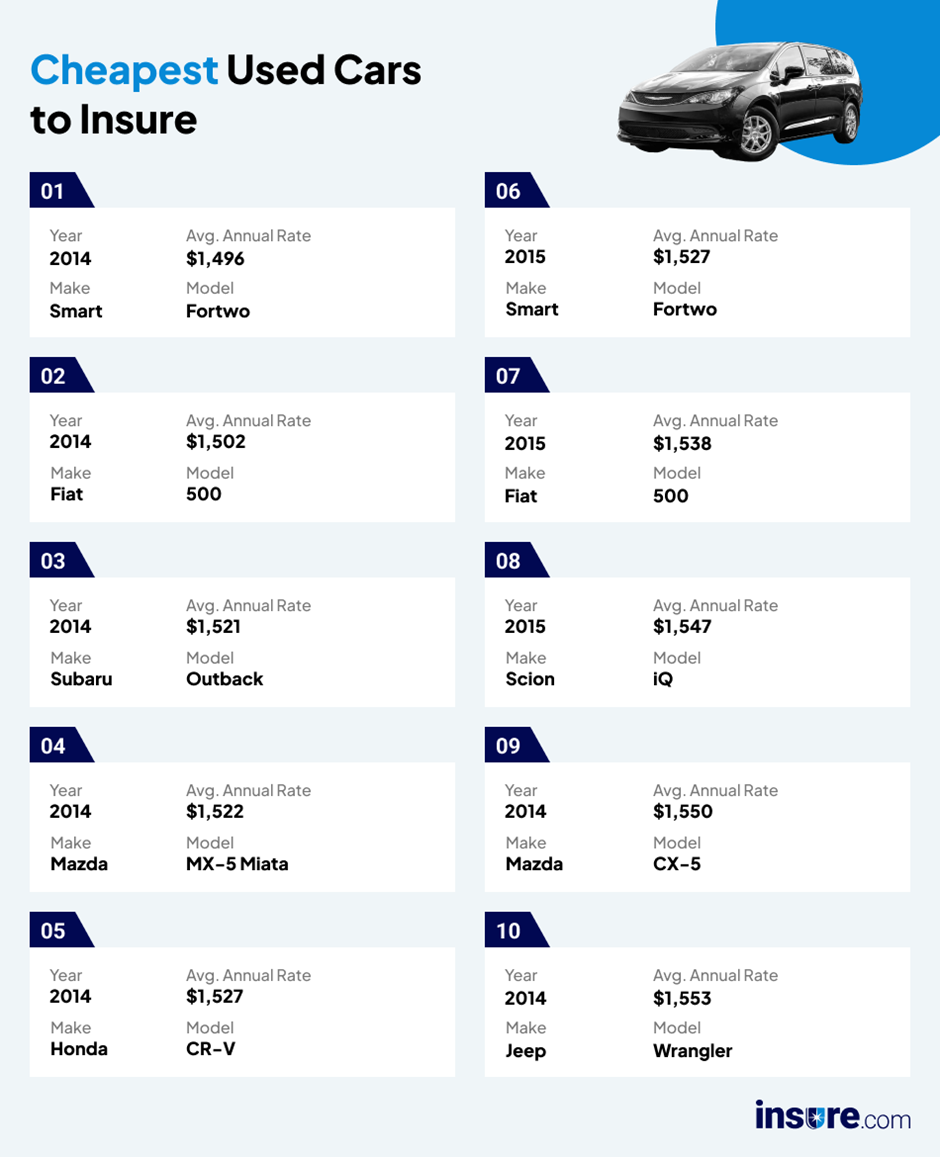
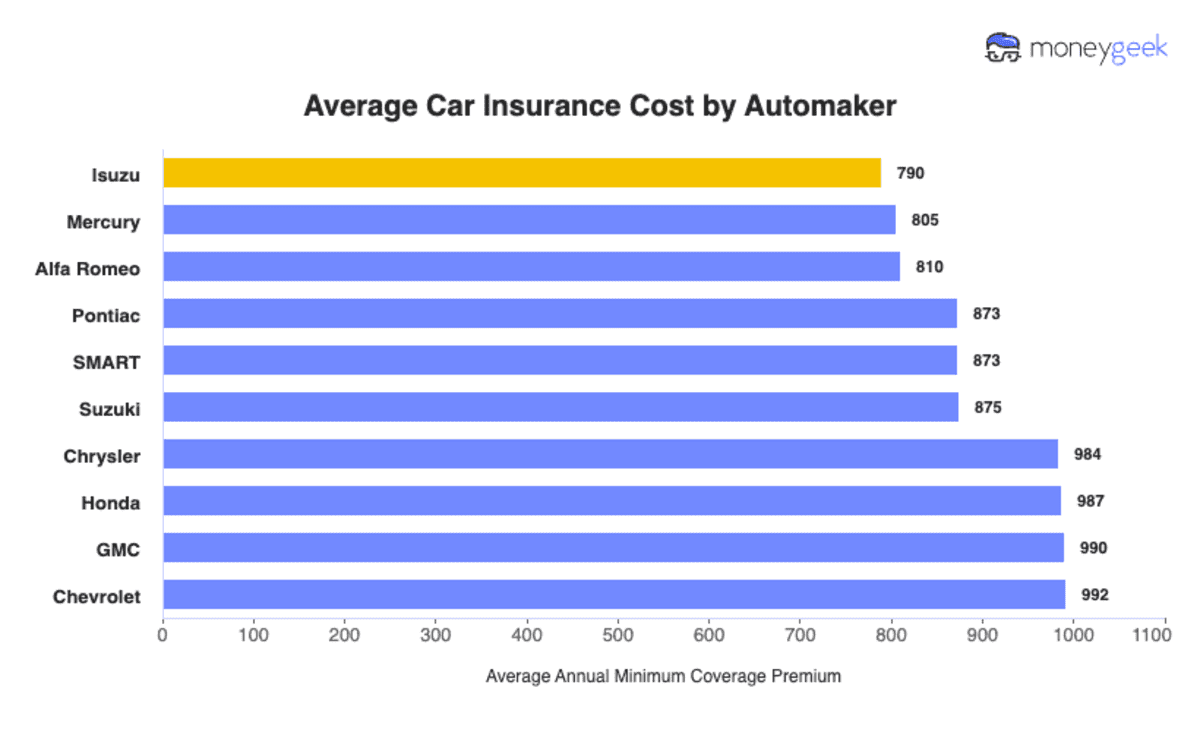
- Make, Model, and Year: Luxury or high-performance vehicles typically cost more to insure due to higher repair costs and greater theft risk. Older, less expensive cars might have lower collision and comprehensive premiums.
- Safety Features: Cars equipped with advanced safety features (e.g., automatic emergency braking, lane-keeping assist, anti-lock brakes) often qualify for discounts as they reduce the likelihood or severity of accidents.
- Theft Rating: Vehicles frequently targeted by thieves will have higher comprehensive premiums.
- Repair Costs: Cars with expensive parts or complex repair processes will naturally cost more to insure against damage.
Geographic Location
Where you live and park your car significantly influences your rates.
- Zip Code: Urban areas generally have higher premiums than rural ones due to increased traffic density, higher accident rates, and greater risk of theft or vandalism.
- Local Crime Rates: High incidence of car theft or vandalism in your area will increase comprehensive premiums.
- Accident Statistics: Areas with historically high accident rates will see higher overall premiums.
- Weather Patterns: Regions prone to severe weather events (e.g., hurricanes, hailstorms) may have higher comprehensive premiums due to increased risk of weather-related damage.
Coverage Choices & Deductibles
The types and amounts of coverage you select are primary drivers of your premium.
- Liability Coverage: Mandatory in most states, this covers damages you cause to others. Higher liability limits mean greater protection but also higher premiums.
- Collision Coverage: Pays for damage to your car in an accident, regardless of fault.
- Comprehensive Coverage: Covers non-collision incidents like theft, vandalism, fire, or natural disasters.
- Uninsured/Underinsured Motorist (UM/UIM): Protects you if you’re hit by a driver without sufficient insurance.
- Medical Payments/Personal Injury Protection (PIP): Covers medical expenses for you and your passengers after an accident.
- Add-ons: Roadside assistance, rental car reimbursement, gap insurance, etc., all add to the cost.
- Deductibles: This is the amount you pay out-of-pocket before your insurance kicks in. A higher deductible typically leads to a lower premium, as you’re taking on more initial risk.
Navigating the Comparison Landscape: Your Step-by-Step Guide
Comparing car insurance prices effectively requires a systematic approach to ensure you gather accurate quotes and make a truly informed decision.
Prepare Your Information
Before you start, compile all necessary details to ensure consistent and accurate quotes. This includes:
- Personal Information: Full name, date of birth, driver’s license number for all drivers on the policy, marital status, occupation, and current address.
- Vehicle Information: Make, model, year, VIN (Vehicle Identification Number), current mileage, and primary usage (commute, pleasure, business).
- Driving History: Details of any accidents, tickets, or claims within the last 3-5 years for all drivers.
- Current Policy Information: Your existing policy’s declaration page will detail your current coverage limits, deductibles, and any discounts you currently receive. This is crucial for comparing “apples to apples.”
Leverage Online Comparison Tools
The digital age has streamlined the quoting process significantly.
- Aggregator Websites: Sites like Policygenius, The Zebra, or QuoteWizard allow you to enter your information once and receive multiple quotes from various insurers simultaneously. They are excellent for quickly getting a broad overview of the market.
- Direct Insurer Quote Tools: Many insurance companies, such as GEICO, Progressive, State Farm, and Allstate, offer online quote generators directly on their websites. While more time-consuming (as you enter information for each), these can sometimes provide slightly different rates than aggregators and offer a more in-depth look at their specific offerings.
When using these tools, ensure you select identical coverage limits and deductibles for each quote to allow for a true comparison.
Engage with Independent Agents and Direct Insurers
While online tools are powerful, they don’t always capture every nuance or every insurer.
- Independent Agents: These agents work with multiple insurance companies and can shop around on your behalf, often finding policies that might not appear on aggregator sites. They can also offer personalized advice and help you understand complex policy terms.
- Direct Insurers: It’s often beneficial to call some companies directly, especially if they are not represented by independent agents or prominently featured on comparison sites. Sometimes, an insurer might offer a special discount or a unique package that isn’t easily found online.
Obtain Multiple Quotes
The golden rule of comparison is to obtain a minimum of 3-5 quotes. While online tools can provide many, take the time to also get quotes directly or through an independent agent. Different insurers have varying underwriting guidelines and risk appetites, meaning what one company considers a high-risk factor, another might not. The more quotes you gather, the higher your chances of finding the most competitive rate for your specific profile and coverage needs.
Beyond the Price Tag: Evaluating Value and Service
While price is a primary driver in car insurance comparison, it should not be the sole determinant. A cheaper policy that leaves you underinsured or struggling with a poor claims experience can end up being far more costly in the long run. Evaluating the overall value and service quality is paramount.
Understanding Policy Details
Don’t just look at the bottom line premium. Dive into the specifics:
- Coverage Limits: Ensure the liability limits are sufficient to protect your assets in the event of a major accident. Minimum state requirements are often inadequate.
- Deductibles: Confirm the deductibles for comprehensive and collision coverage are amounts you can comfortably afford to pay out-of-pocket if you need to file a claim. A low premium with an unaffordable deductible is a false economy.
- Exclusions and Endorsements: Read the fine print. Are there any unusual exclusions that might leave you exposed? Does the policy include specific endorsements (e.g., rental car reimbursement, roadside assistance) that you value?
- Replacement Cost vs. Actual Cash Value: For comprehensive and collision, understand if your vehicle will be replaced at its actual cash value (depreciated) or at a replacement cost (new for old, often for newer cars).
Assessing Insurer Reputation and Financial Stability
A policy is only as good as the company backing it.
- Customer Service Reviews: Check independent review sites (e.g., J.D. Power, Consumer Reports, BBB) for feedback on customer satisfaction, ease of interaction, and overall experience. A company with poor customer service can turn a stressful claims process into a nightmare.
- Complaint Ratios: Look at complaint data from state insurance departments. A high complaint ratio compared to competitors is a red flag.
- Financial Stability Ratings: Reputable rating agencies like AM Best provide financial strength ratings for insurers. Choose companies with high ratings (e.g., A or A+) to ensure they have the financial capacity to pay out claims, even large ones.
Claims Process Efficiency
The true test of an insurance company comes when you need to file a claim.
- Ease of Filing: How easy is it to initiate a claim? Can it be done online, via an app, or only by phone?
- Response Time: What is their typical response time to claims? Are adjusters readily available?
- Settlement Process: Do they have a reputation for fair and timely claim settlements, or are they known for disputes and delays? Understanding these aspects can provide peace of mind that your insurer will be there for you when you need them most.
Optimizing Your Savings: Proactive Strategies to Lower Costs
Beyond comparing prices, there are numerous proactive steps you can take to significantly reduce your car insurance premiums, both in the short term and over the long haul.
Explore Available Discounts
Insurers offer a vast array of discounts, and often, you have to ask about them.
- Bundling Discounts: Combine your car insurance with homeowners, renters, or life insurance from the same provider for significant savings.
- Good Driver Discounts: For maintaining a clean driving record over a specified period (e.g., 3-5 years).
- Safe Vehicle Discounts: For cars equipped with anti-lock brakes, airbags, anti-theft devices, or advanced safety features.
- Low Mileage Discounts: If you drive below a certain number of miles annually.
- Defensive Driving Course Discounts: Completing an approved defensive driving course can often reduce your premium.
- Student Discounts: Good student discounts (for maintaining a certain GPA) or distant student discounts (if a student driver is away at college without a car).
- Payment Discounts: For paying your premium in full, setting up auto-pay, or choosing paperless billing.
Adjust Coverage Strategically
Regularly review your policy to ensure your coverage is still appropriate for your situation.
- Re-evaluate Comprehensive/Collision on Older Cars: If your car is older and its market value is low, the cost of comprehensive and collision coverage might outweigh the potential payout. Consider if it makes financial sense to drop these coverages, especially if you can afford to replace the car out-of-pocket.
- Increase Deductibles: If you have a robust emergency fund and are comfortable with a higher out-of-pocket expense in the event of a claim, increasing your collision and comprehensive deductibles can substantially lower your premiums.
Maintain a Clean Driving Record & Good Credit Score
These are foundational for long-term savings.
- Clean Driving Record: Avoiding accidents and traffic violations is the single most effective way to keep your insurance rates low. Insurers heavily penalize risky driving behavior.
- Good Credit Score: As mentioned, credit-based insurance scores play a significant role in pricing in most states. Maintaining a healthy credit score demonstrates financial responsibility, which insurers often associate with lower risk.

Review Your Policy Annually (or More Often)
Don’t set and forget your car insurance.
- Annual Review: Make it a habit to shop around and compare quotes at least once a year, typically a few weeks before your policy renewal date.
- Life Changes: Any significant life event can impact your rates. Getting married, moving to a new address, buying a new car, changing jobs, or adding a new driver to your household are all opportune times to re-evaluate your insurance and seek new quotes. These changes can either increase or decrease your risk profile, and comparing can capture potential savings or ensure adequate coverage for your new circumstances.
By diligently applying these strategies, you can transform the daunting task of car insurance comparison into a powerful tool for financial optimization, ensuring you receive robust protection without paying a penny more than necessary.
aViewFromTheCave is a participant in the Amazon Services LLC Associates Program, an affiliate advertising program designed to provide a means for sites to earn advertising fees by advertising and linking to Amazon.com. Amazon, the Amazon logo, AmazonSupply, and the AmazonSupply logo are trademarks of Amazon.com, Inc. or its affiliates. As an Amazon Associate we earn affiliate commissions from qualifying purchases.