
The pursuit of financial security and prosperity is a universal goal, yet the “best” way to make money is not a one-size-fits-all answer. It’s a dynamic interplay of personal circumstances, skills, market opportunities, and strategic financial planning. Rather than a singular path, true financial success often stems from a multifaceted approach that combines responsible money management, diverse income generation, and astute investing. Understanding these pillars is crucial for anyone aiming to enhance their earning potential and build lasting wealth.
Building a Robust Financial Foundation
Before embarking on complex income-generating strategies, establishing a solid financial bedrock is paramount. This involves a clear understanding of your current financial situation and disciplined management of your resources. Without this foundation, even significant increases in income can be eroded by poor spending habits or unmanaged debt.

The Indispensable Role of Budgeting and Saving
Effective budgeting is the cornerstone of financial control. It provides a clear picture of your income and expenditures, allowing you to identify areas for optimization and allocate funds strategically. Methods like the 50/30/20 rule (50% for needs, 30% for wants, 20% for savings and debt repayment) or zero-based budgeting can help in structuring your finances. The ultimate goal is to create a surplus, a portion of which should be consistently directed towards savings. An emergency fund, typically covering three to six months of living expenses, is a critical component of this savings strategy, providing a safety net against unforeseen circumstances and preventing the accumulation of high-interest debt. By consistently saving, you empower yourself to seize opportunities, mitigate risks, and invest in future growth.
Mastering Debt Management Strategies
Debt, particularly high-interest consumer debt like credit card balances, can be a significant impediment to wealth accumulation. Interest payments eat into potential savings and investment capital, effectively making you work harder just to stand still. Prioritizing the repayment of high-interest debt is a crucial step towards financial liberation. Strategies such as the debt snowball method (paying off the smallest debt first to build momentum) or the debt avalanche method (prioritizing debts with the highest interest rates to save money) can be highly effective. Understanding the difference between “good debt” (like a mortgage or student loan that can enhance future earnings) and “bad debt” is also important. Responsible credit usage, timely payments, and avoiding unnecessary borrowing are essential habits for maintaining financial health and freeing up capital for more productive uses.
Diversifying Your Income Streams
Reliance on a single source of income can be precarious. In today’s dynamic economic landscape, exploring and cultivating multiple income streams provides enhanced financial security, accelerated wealth growth, and greater flexibility.
Beyond the 9-to-5: Exploring Side Hustles
The rise of the gig economy and digital platforms has democratized income generation, making side hustles more accessible than ever. These can range from leveraging existing professional skills through freelancing (writing, graphic design, web development, consulting) to participating in platform-based services (delivery, ride-sharing, online tutoring). Many individuals find success by monetizing hobbies or passions, whether it’s crafting, photography, or teaching a specific skill. The key is to identify marketable skills or services and efficiently connect with those who need them. Side hustles not only supplement primary income but also offer opportunities for skill development, networking, and even potential pathways to full-time entrepreneurship.
Entrepreneurship and Business Ventures
For those with a greater risk appetite and a strong vision, entrepreneurship offers potentially unlimited earning potential. Starting a business, whether it’s an e-commerce store, a local service provider, a tech startup, or a content creation enterprise, involves a higher degree of commitment and risk but can yield significant rewards. Successful entrepreneurs identify market needs, develop innovative solutions, and build scalable operations. While it often requires substantial initial investment of time and capital, the ability to create value for others and build something from the ground up can be immensely fulfilling and financially lucrative. Thorough market research, a robust business plan, and a willingness to adapt are critical for success in this arena.
Cultivating Passive Income Opportunities
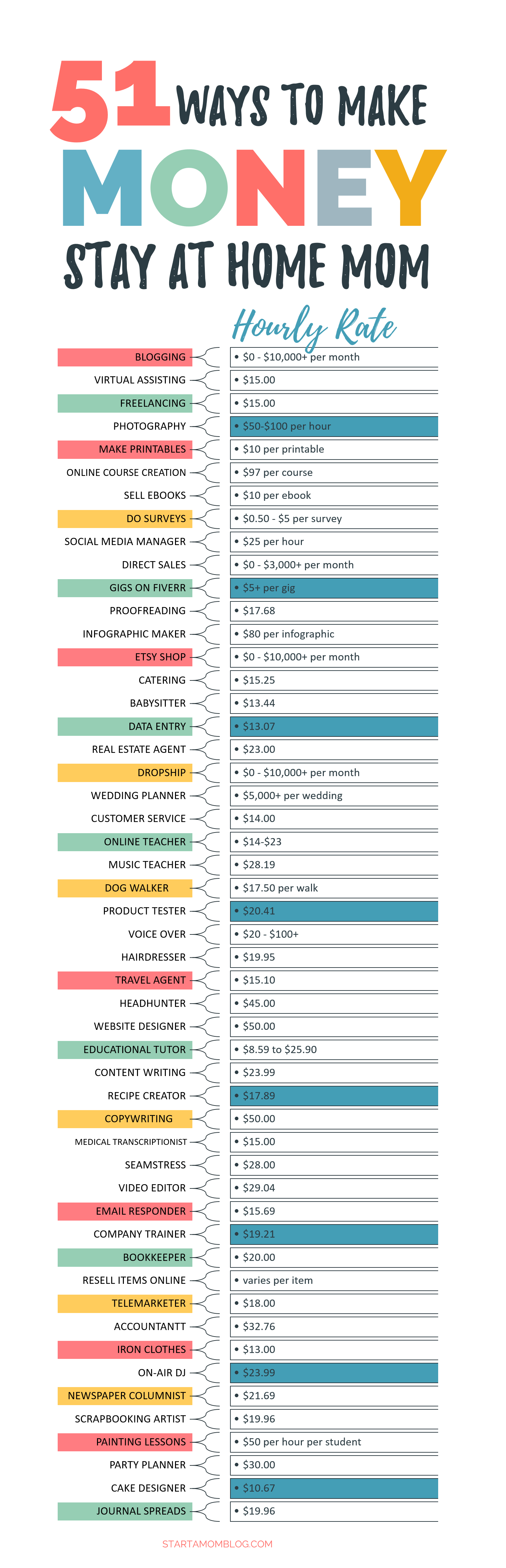
The concept of passive income, where money is earned with minimal ongoing effort, is often misunderstood but highly sought after. True passive income typically requires significant upfront investment of either time or capital. Examples include rental properties, dividend-paying stocks, royalties from intellectual property (books, music, patents), or income from digital products (online courses, e-books, software). While the “passive” aspect comes into play after the initial setup, consistent monitoring and occasional adjustments are usually still required. However, building successful passive income streams can be a powerful accelerator for wealth accumulation, providing financial freedom and diversification from active earning.
Strategic Investing for Long-Term Wealth
While earning money is fundamental, making that money work for you is how true wealth is built over time. Investing strategically allows your capital to grow, often outpacing inflation and generating returns that compound over decades.
Understanding Diverse Investment Vehicles
The investment landscape offers a multitude of options, each with its own risk profile and potential returns. Stocks represent ownership in companies and can offer significant growth potential through capital appreciation and dividends, but come with higher volatility. Bonds are essentially loans to governments or corporations, generally considered less risky than stocks and providing regular interest payments. Real estate can generate income through rent and appreciate in value over time, offering tangible asset ownership. Mutual funds and Exchange-Traded Funds (ETFs) provide diversification by pooling money from many investors to buy a portfolio of various securities, managed by professionals or tracking an index. Understanding these vehicles and their fit within your personal financial goals and risk tolerance is crucial. Utilizing tax-advantaged accounts like 401(k)s and IRAs for retirement savings can also significantly boost long-term growth by deferring or exempting taxes on gains.
The Exponential Power of Compound Interest
Albert Einstein famously called compound interest the “eighth wonder of the world.” This principle dictates that the interest earned on an investment also earns interest over time, leading to exponential growth. The earlier you start investing, the more time your money has to compound, and the more substantial your returns will be. Even small, consistent contributions made early can snowball into substantial wealth over several decades. This emphasizes the importance of saving and investing regularly, allowing time to be your greatest ally in wealth creation.
Risk Management and Diversification
Investing inherently involves risk, but smart investors manage this risk rather than avoiding it entirely. Diversification is a key strategy, involving spreading your investments across different asset classes, industries, and geographies. This reduces the impact of any single poor-performing investment on your overall portfolio. For example, a diversified portfolio might include a mix of stocks, bonds, and real estate, rather than solely investing in one company or sector. Regular portfolio rebalancing, where you adjust your asset allocation back to your target percentages, also helps maintain your desired risk level. Understanding your personal risk tolerance and aligning your investment choices accordingly is a fundamental aspect of successful long-term investing.
Cultivating a Growth Mindset for Financial Success
Beyond specific strategies and tools, the underlying mindset and continuous commitment to personal development play a pivotal role in financial success. The most effective way to make money is not static; it evolves with market changes, technological advancements, and personal growth.
Continuous Learning and Skill Development
The world of work and money is constantly evolving. Staying relevant and increasing your earning potential requires a commitment to continuous learning and skill development. This could mean acquiring new technical skills through online courses or certifications, honing soft skills like communication and problem-solving, or even deepening expertise in a niche area. Proactively seeking out knowledge, whether through formal education, industry publications, or mentorship, ensures you remain competitive and adaptable to new opportunities. The ability to learn, unlearn, and relearn is a priceless asset in any career path or business venture.

Financial Literacy as an Ongoing Journey
Financial literacy isn’t a destination but an ongoing journey. Economic conditions change, investment products evolve, and personal financial goals shift over a lifetime. Regularly educating yourself on personal finance, tax laws, market trends, and economic indicators empowers you to make informed decisions and adjust your strategies as needed. Reading reputable financial publications, attending webinars, or consulting with financial advisors are all valuable ways to stay updated and make the most of your money.
Ultimately, the “best” way to make money is a personalized strategy built upon a foundation of financial discipline, diversified income streams, and strategic, long-term investing, all underpinned by a commitment to continuous learning and adaptability. It’s about building a robust financial ecosystem that supports your goals and provides resilience in an ever-changing world.
aViewFromTheCave is a participant in the Amazon Services LLC Associates Program, an affiliate advertising program designed to provide a means for sites to earn advertising fees by advertising and linking to Amazon.com. Amazon, the Amazon logo, AmazonSupply, and the AmazonSupply logo are trademarks of Amazon.com, Inc. or its affiliates. As an Amazon Associate we earn affiliate commissions from qualifying purchases.