
To ask “where is Tesla located?” might seem like a straightforward question with a simple geographical answer. However, for a brand that has redefined automotive manufacturing, energy solutions, and the very concept of a technology company, the location of its various operations is far from trivial. It’s a meticulously strategized aspect of its corporate identity, market penetration, operational efficiency, and global brand narrative. Tesla’s physical footprint – from its corporate headquarters to its sprawling Gigafactories, retail outlets, and service centers – tells a compelling story of ambition, strategic market positioning, and an unwavering commitment to its brand vision. For a brand like Tesla, location isn’t just a point on a map; it’s a critical component of its global brand strategy, influencing everything from supply chain resilience to consumer perception and regulatory navigation.
The Nerve Center: Tesla’s Corporate Headquarters
The heart of any major corporation, its headquarters, serves as more than just an administrative hub; it’s the symbolic epicenter of its brand identity, strategic decision-making, and corporate culture. For Tesla, the journey of its headquarters has mirrored its dynamic growth and evolving brand strategy, ultimately settling in a location that underscores its pioneering spirit and commitment to the future.
From Palo Alto to Austin: A Strategic Relocation
For many years, Tesla’s corporate headquarters were nestled in Palo Alto, California, a location synonymous with Silicon Valley’s tech boom and innovation culture. This initial placement perfectly aligned Tesla with its origins as a disruptive technology company, rather than a traditional automaker. Being in the heart of tech allowed it to attract top engineering talent, foster a culture of rapid iteration, and maintain proximity to venture capital and a vibrant innovation ecosystem. The “tech company” label was integral to its early brand positioning, differentiating it from legacy automotive giants.
However, as Tesla matured from a niche electric vehicle (EV) maker to a global automotive and energy powerhouse, strategic considerations began to shift. In late 2021, CEO Elon Musk announced the relocation of Tesla’s headquarters to Austin, Texas. This move was not merely a logistical decision; it was a profound statement about the brand’s evolving priorities. Texas offered several strategic advantages: a more favorable regulatory and business environment, lower operational costs, ample land for expansion, and access to a growing talent pool outside the highly competitive Silicon Valley market. More importantly, it placed the corporate nerve center alongside one of its most ambitious manufacturing facilities, Gigafactory Texas, fostering closer integration between R&D, production, and executive oversight. This move underscored a shift in brand focus, emphasizing manufacturing scale and operational efficiency alongside its technological innovation.
Symbolic Significance of Headquarters Location
The choice of headquarters carries significant symbolic weight for a brand. Palo Alto represented Tesla’s genesis as a tech disruptor. Austin, on the other hand, symbolizes Tesla’s metamorphosis into a manufacturing behemoth and a leader in sustainable energy solutions, all while retaining its tech-forward ethos. It reflects a brand that is no longer just innovating products, but also innovating the very process of manufacturing and global distribution. The Texas relocation projects an image of a brand focused on scalability, self-sufficiency, and breaking free from traditional geographical constraints, aligning perfectly with Tesla’s audacious brand identity. It also serves to decentralize power and influence from established tech hubs, a subtle but powerful message that Tesla defines its own path.
The Pillars of Production: Global Gigafactories as Brand Beacons
Beyond its headquarters, the most tangible manifestations of Tesla’s physical presence are its Gigafactories – massive, highly automated facilities that represent the cutting edge of manufacturing technology. These factories are more than just production sites; they are monumental statements of Tesla’s global ambition, brand promise of scale, and commitment to localized production. Each Gigafactory is strategically positioned to serve specific markets, optimize supply chains, and reinforce Tesla’s brand as a truly global player.
North American Manufacturing Hubs: Fremont and Texas
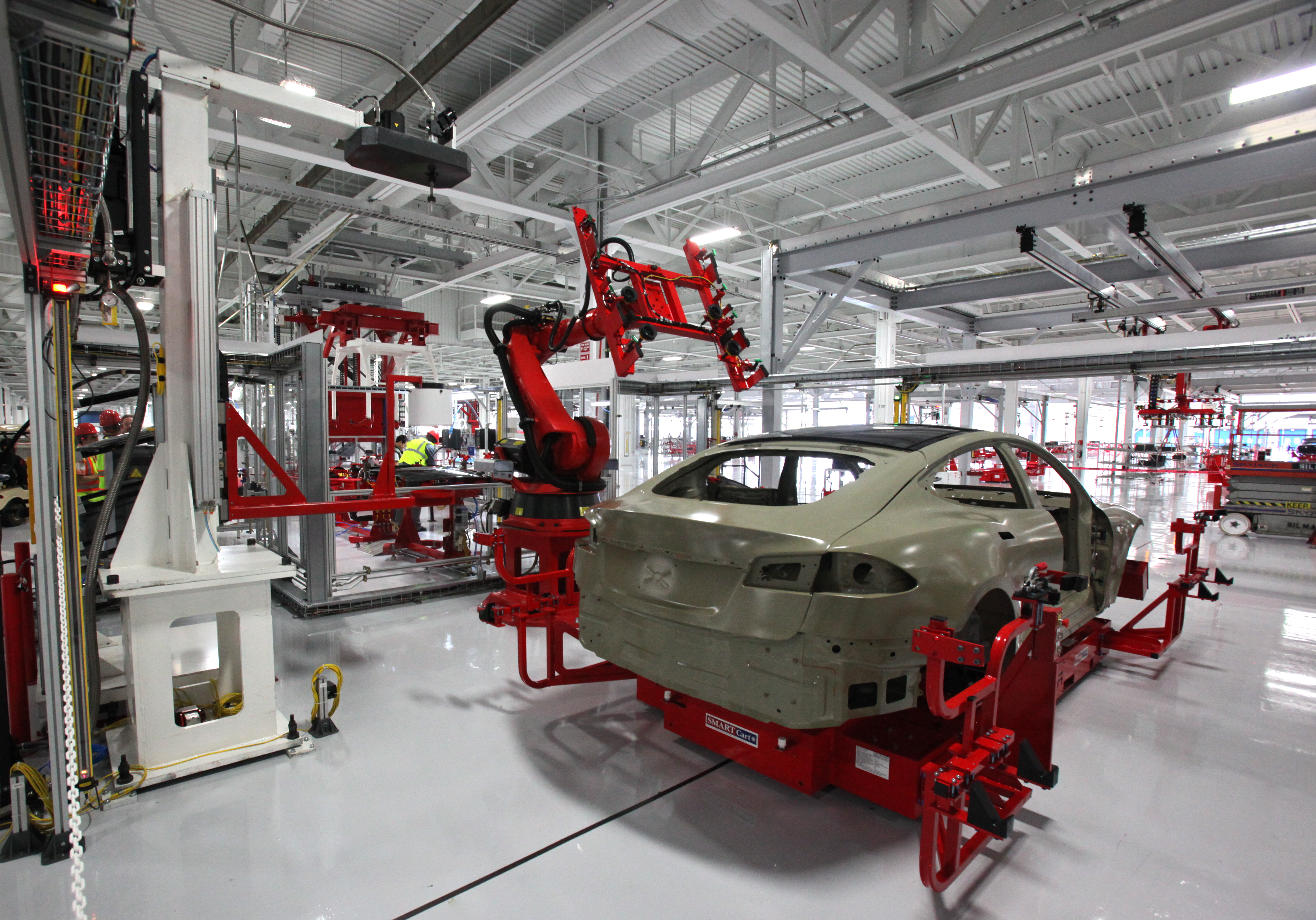
Tesla’s first major production facility, the Fremont Factory in California, is an emblem of its early perseverance and ingenuity. Acquired from GM and Toyota, it became the birthplace of the Model S, Model 3, Model X, and Model Y. Its location in California initially provided access to a skilled manufacturing workforce and proximity to its Silicon Valley engineering teams. While not a “Gigafactory” in name from the outset, Fremont set the precedent for integrated manufacturing processes and continuous improvement. It represents the brand’s roots in transforming existing infrastructure into a hub of innovation.
Gigafactory Texas, located near Austin, is Tesla’s most ambitious North American manufacturing undertaking to date. Co-located with its new headquarters, Giga Texas is designed for massive scale, producing Model Ys, Cybertrucks, and eventually, other new products. Its immense size and advanced manufacturing capabilities underscore Tesla’s commitment to dominating the EV market in North America and beyond. The Texas location, with its abundant space and strategic access to major transportation routes, reinforces the brand’s focus on efficient, large-scale production, presenting an image of an unconstrained, future-forward manufacturer.
European Expansion: Giga Berlin and Market Penetration
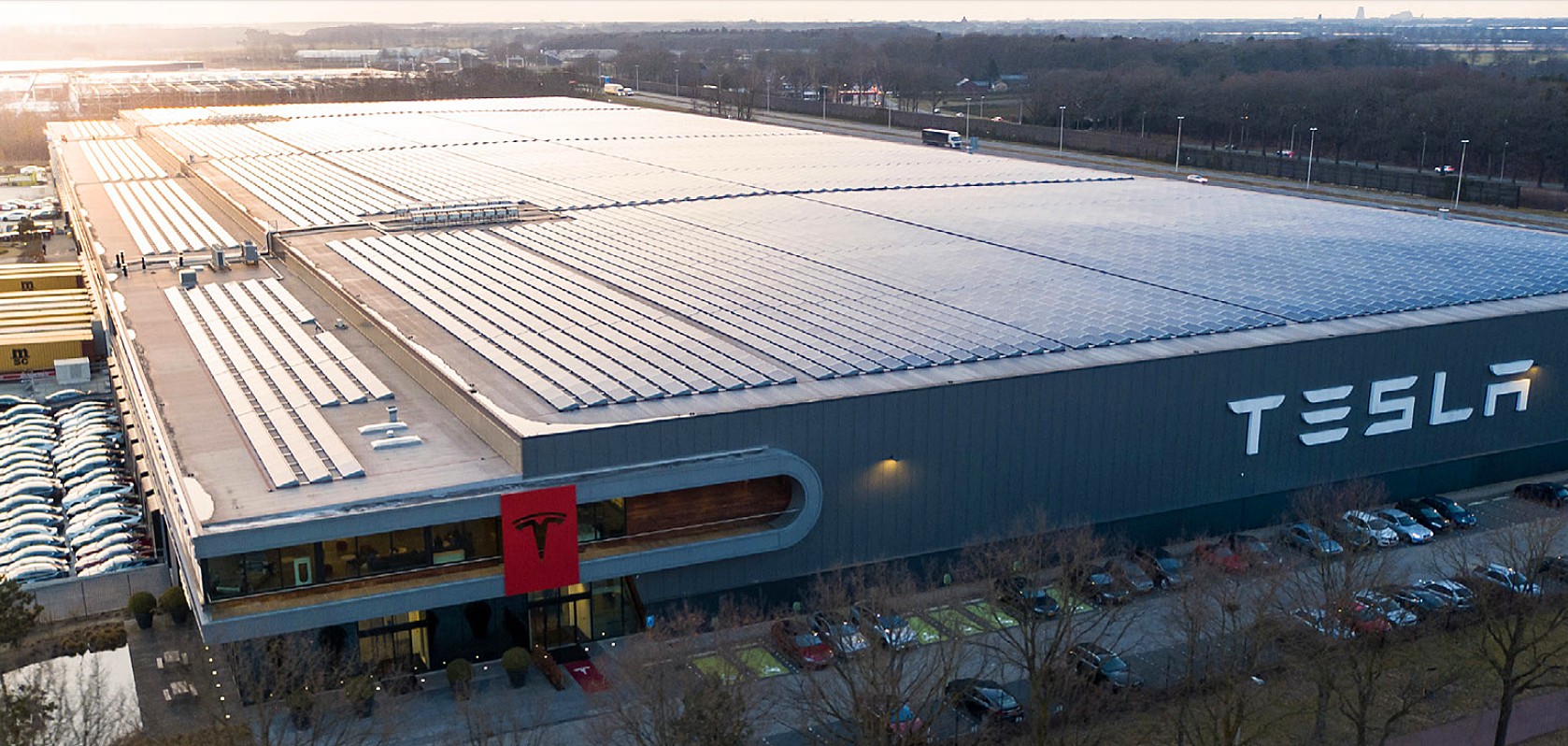
To effectively penetrate and dominate the European market, Tesla strategically established Gigafactory Berlin-Brandenburg, often referred to as Giga Berlin. Located just outside Berlin, Germany, this factory is crucial for reducing logistics costs, speeding up delivery times, and catering directly to European consumer preferences and regulatory standards. The decision to build in Germany, a historical powerhouse of automotive engineering, was a bold statement. It signaled Tesla’s readiness to compete on home turf with traditional luxury automakers, directly challenging their long-held dominance. Giga Berlin enhances Tesla’s brand perception in Europe by demonstrating localized investment, job creation, and a commitment to the region, overcoming potential barriers related to import duties and long shipping times. It’s a clear move to strengthen the brand’s identity as a local, not just an international, player in key markets.
Asian Powerhouse: Giga Shanghai’s Role in Global Ambition
Perhaps the most significant of Tesla’s international manufacturing ventures is Gigafactory Shanghai, located in China. This factory was built at an unprecedented pace and has become Tesla’s most efficient production hub. Giga Shanghai is instrumental in serving the vast Chinese domestic market, which is the world’s largest for EVs, and also acts as a crucial export hub for other Asian and European markets. Its establishment marked a critical strategic move, allowing Tesla to mitigate tariffs, accelerate deliveries, and deepen its presence in a market vital for its global growth trajectory. The success of Giga Shanghai reinforces Tesla’s brand image as a hyper-efficient, adaptable global enterprise capable of navigating complex international landscapes and quickly scaling operations. It highlights a brand that understands the necessity of localization for true global brand dominance.
The Rationale Behind Gigafactory Placement
The strategic placement of each Gigafactory is a multifaceted decision driven by market access, supply chain optimization, talent availability, government incentives, and logistical efficiency. For the brand, these locations are about more than just economics; they are about establishing a global footprint that projects reliability, accessibility, and a commitment to sustained growth. By having factories on three continents, Tesla can present itself as a truly global brand, capable of delivering vehicles and energy solutions efficiently to a diverse customer base, thereby strengthening its worldwide brand recognition and loyalty. Each factory location is a testament to the brand’s ability to innovate not just in product, but in global operational strategy.
Connecting with the Consumer: The Retail and Service Network
While factories produce the vehicles, it is the retail and service network that directly connects the Tesla brand with its customers. These touchpoints are crucial for shaping consumer perception, building loyalty, and delivering on the brand promise of a seamless, high-tech ownership experience. Unlike traditional dealerships, Tesla operates its own stores and service centers, giving it unparalleled control over the brand experience.
Showrooms as Brand Experience Centers
Tesla’s showrooms, strategically located in high-traffic urban areas and shopping districts worldwide, are not merely sales points; they are immersive brand experience centers. Designed with a minimalist, high-tech aesthetic, these locations invite customers to learn about EVs, energy products, and autonomous driving technology in a non-pressure environment. The absence of traditional sales tactics, coupled with knowledgeable product specialists, reinforces Tesla’s brand image as a transparent, future-focused, and customer-centric company. These showrooms are physical manifestations of the brand’s direct-to-consumer sales model, a key differentiator that builds a direct relationship with the customer and strengthens brand loyalty.
Service Centers: Building Trust and Loyalty
Tesla’s network of service centers, strategically positioned in major metropolitan areas, is vital for post-purchase customer satisfaction. While the brand emphasizes over-the-air updates and mobile service, physical service centers provide essential maintenance and repairs, ensuring the longevity and performance of Tesla vehicles. The quality and accessibility of these centers directly impact customer trust and loyalty, reinforcing the brand’s commitment to supporting its cutting-edge products throughout their lifecycle. A robust service network is a silent but powerful brand ambassador, demonstrating reliability and after-sales care.
Supercharger Network: A Strategic Infrastructure Play
Perhaps one of the most brilliant strategic plays in Tesla’s brand development has been the global deployment of its Supercharger network. These high-speed charging stations, located along major travel routes and in urban centers, alleviate range anxiety – a significant barrier to EV adoption. By building its own proprietary charging infrastructure, Tesla not only provided a critical utility for its customers but also cemented its brand as a leader in comprehensive EV ecosystems. The Supercharger network is a tangible demonstration of Tesla’s commitment to facilitating the transition to sustainable energy, acting as a powerful brand differentiator and a critical element of its value proposition. Its strategic placement reinforces Tesla’s brand promise of convenience and long-distance travel capability, making EV ownership practical and desirable.
The Brand’s Global Footprint: Influence Beyond Physical Sites
Tesla’s brand strategy extends beyond the concrete walls of its factories and showrooms. The strategic distribution of its physical locations creates a ripple effect, influencing talent pools, regulatory frameworks, supply chains, and ultimately, its global brand narrative.
Talent Acquisition and Local Ecosystems
The choice of location for headquarters and Gigafactories is deeply intertwined with talent acquisition. Proximity to skilled labor, engineering talent, and manufacturing expertise is paramount. Tesla’s locations in Silicon Valley, Texas, Berlin, and Shanghai allow it to tap into diverse talent pools, fostering a multicultural and highly skilled workforce. Furthermore, these locations often spur the development of local ecosystems of suppliers, educational institutions, and research partners, strengthening Tesla’s brand as an economic catalyst and an integral part of regional development. This localized presence enables the brand to adapt to specific market nuances and contribute to local economies, enhancing its global reputation.
Regulatory Environments and Market Access
Navigating the complex global regulatory landscape is a significant challenge for any international brand. Tesla’s strategic physical presence in key markets allows it to engage directly with local governments, influence policy, and adapt its products to meet specific regional requirements. Locating factories within a region can also mitigate trade barriers and tariffs, making its products more competitive and accessible. This strategic placement demonstrates the brand’s commitment to compliance and market integration, which is crucial for long-term growth and maintaining a positive global brand image.
Supply Chain Resilience and Brand Image
The distributed nature of Tesla’s manufacturing facilities enhances its supply chain resilience. By having production capabilities on multiple continents, the brand can mitigate risks associated with geopolitical tensions, natural disasters, or localized supply chain disruptions. This strategic diversification not only ensures operational continuity but also strengthens Tesla’s brand image as a robust, adaptable, and forward-thinking organization capable of navigating global complexities. It’s a move that communicates stability and reliability to investors and consumers alike.
The Future Landscape: Anticipating Tesla’s Next Strategic Moves
Tesla’s brand strategy is one of continuous evolution and expansion. Understanding “where is Tesla located” today provides a snapshot, but anticipating its future locations offers insights into its evolving brand ambitions and strategic direction. The brand is far from static, and its geographic expansion will continue to be driven by market opportunities, technological advancements, and a persistent drive for global dominance.
Emerging Markets and Production Needs
As Tesla aims for exponential growth, its gaze is increasingly turning towards emerging markets. Locations in Southeast Asia, India, or other parts of Latin America could represent future Gigafactory sites. Such expansions would not only open up new consumer bases but also allow Tesla to cater to unique market demands and lower production costs further. For the brand, establishing a presence in these markets would signify true global inclusivity and further cement its image as a pioneer in sustainable transportation worldwide. These moves would solidify Tesla’s brand as one that understands global diversity and is committed to making sustainable energy accessible to everyone.
Diversification of Product Lines and Geographic Requirements
As Tesla expands its product portfolio beyond passenger vehicles to include more energy storage solutions, heavy-duty trucks (Tesla Semi), and potentially even robotics, its location strategy will likely diversify. Manufacturing requirements for these different product lines might necessitate specialized facilities in different geographic areas, optimized for specific resources, logistics, or target markets. This diversification will allow the brand to expand its reach and reinforce its identity as a comprehensive energy and technology company, not just an automaker. Each new product line will necessitate a re-evaluation of optimal production and distribution locations, further shaping the brand’s physical presence.

Sustainability and Localized Production
Finally, in line with its core brand mission of accelerating the world’s transition to sustainable energy, future location strategies might heavily emphasize localized production and supply chains to reduce carbon footprint and improve efficiency. This could mean more smaller, highly regionalized factories or even micro-factories integrated directly into urban areas, powered by renewable energy. Such moves would powerfully reinforce Tesla’s brand commitment to sustainability, demonstrating that its operational strategy is as green as its products. The continuous evaluation of “where to locate” is thus an ongoing, dynamic process that reflects and reinforces Tesla’s bold and evolving brand identity in a rapidly changing world.
aViewFromTheCave is a participant in the Amazon Services LLC Associates Program, an affiliate advertising program designed to provide a means for sites to earn advertising fees by advertising and linking to Amazon.com. Amazon, the Amazon logo, AmazonSupply, and the AmazonSupply logo are trademarks of Amazon.com, Inc. or its affiliates. As an Amazon Associate we earn affiliate commissions from qualifying purchases.