
In the dynamic landscape of digital travel, selecting the “best” hotel booking website is less about a single definitive answer and more about identifying the platform that optimally aligns with a traveler’s specific technological needs and preferences. The modern hotel booking website is a sophisticated piece of software, leveraging complex algorithms, intuitive user interfaces, and robust security protocols to simplify what was once a cumbersome process. This article delves into the technological underpinnings of leading hotel booking platforms, exploring the features, innovations, and trends that define a superior online booking experience.
The Evolving Landscape of Online Travel Agencies (OTAs)
The journey of online travel agencies (OTAs) from nascent digital directories to sophisticated AI-driven platforms is a testament to rapid technological advancement. What began as simple search engines for accommodation has blossomed into comprehensive ecosystems that integrate myriad services and leverage cutting-edge tech to enhance user engagement and efficiency.

From Basic Search to Sophisticated AI
Early hotel booking websites offered little more than static listings and rudimentary search filters. Today, these platforms are powered by advanced data analytics and artificial intelligence. AI algorithms are crucial for personalizing search results, recommending hotels based on past behavior, expressed preferences, and even contextual data like current location or local events. They also optimize pricing, dynamically adjusting rates in real-time based on demand, inventory, and competitive analysis, providing a level of sophistication unimaginable just a decade ago. Machine learning models continually refine these processes, learning from every user interaction to improve future recommendations and search accuracy.
The Rise of Mobile-First Booking
The pervasive nature of smartphones has irrevocably shifted the paradigm of online booking. What was once a desktop-centric activity is now predominantly mobile. This evolution demands a “mobile-first” design philosophy, where the primary development effort is focused on optimizing the user experience for smaller screens and touch interactions. Leading booking websites have invested heavily in creating highly responsive designs and dedicated mobile applications that offer seamless navigation, quick loading times, and intuitive interfaces. Features like one-tap booking, mobile-exclusive deals, and location-based services are critical for capturing the on-the-go traveler, making the mobile app a core technological asset for any serious OTA.
Direct Bookings vs. Third-Party Platforms: A Tech Perspective
The ongoing debate between booking directly with hotels and using third-party OTAs also has significant technological implications. Direct booking websites, managed by hotel chains, often offer exclusive loyalty program benefits, more flexible cancellation policies, and sometimes superior customer service integration. Technologically, they focus on showcasing their unique brand identity, integrating loyalty systems, and ensuring a streamlined booking path specific to their properties. OTAs, on the other hand, differentiate themselves through sheer breadth of inventory, advanced comparison tools, and aggregated user reviews. Their technological prowess lies in their ability to process vast amounts of data from thousands of hotels, apply complex filtering and sorting algorithms, and provide a single portal for diverse options, often with competitive pricing engineered through their powerful negotiating tools and market analytics.
Key Technological Features Defining a Superior Booking Experience
The “best” hotel booking website isn’t just about finding the cheapest price; it’s about the technological capabilities that underpin a smooth, secure, and satisfying user journey.
User Interface (UI) and User Experience (UX) Design
At the forefront of any successful digital platform is its UI/UX design. A superior booking website features an intuitive interface that simplifies complex search parameters, presents information clearly, and guides the user effortlessly through the booking funnel. This involves clean layouts, logical navigation, and responsive elements that adapt to various devices. Effective UX design minimizes cognitive load, making it easy for users to find what they need, understand their options, and complete a transaction without frustration. Elements like high-quality imagery, interactive maps, and virtual tours also contribute significantly to an engaging and informative user experience.
Advanced Search and Filtering Algorithms
The ability to sift through millions of hotel options efficiently is a hallmark of a technologically advanced booking site. This is achieved through sophisticated search and filtering algorithms. Beyond basic criteria like dates and location, these algorithms allow users to refine searches by an extensive list of amenities (e.g., pool, pet-friendly, EV charging), property types (e.g., boutique, resort, hostel), sustainability certifications, and even specific guest ratings. The speed and accuracy with which these filters can be applied and results rendered are critical performance indicators for the underlying technology.
Personalization Through Machine Learning
Modern booking platforms leverage machine learning to move beyond generic search results. By analyzing user behavior, past bookings, demographic data, and stated preferences, these systems can offer highly personalized recommendations. This includes suggesting hotels in preferred neighborhoods, flagging deals on previously viewed properties, or even predicting ideal travel dates based on historical pricing trends and user flexibility. This level of personalization transforms a transactional experience into a more engaging and anticipatory service, often leading to higher conversion rates and customer satisfaction.
Secure Payment Gateways and Data Encryption
In an age of heightened cyber security concerns, the integrity of payment processing and data protection is paramount. The “best” websites employ robust encryption protocols (like SSL/TLS) to safeguard sensitive user data, particularly credit card information. They integrate with reputable, PCI DSS compliant payment gateways that ensure secure transactions. Multi-factor authentication, fraud detection systems, and transparent privacy policies are also crucial technological components that build trust and protect users from digital threats. A lapse in this area can swiftly erode user confidence, regardless of other features.
Integration with Complementary Services (Flights, Car Rentals)
Many leading OTAs have evolved into comprehensive travel platforms, integrating hotel bookings seamlessly with flights, car rentals, and even activities. This requires complex back-end integration with various airline and rental car reservation systems, all while maintaining a consistent user experience. Technologically, this means managing diverse APIs, synchronizing data across multiple services, and often employing bundled pricing algorithms that calculate optimal packages. This holistic approach offers convenience and often cost savings, making the platform a one-stop shop for travel planning.
Deep Dive into Leading Hotel Booking Platforms: A Tech Comparison
Examining the technological strengths of key players reveals why certain platforms dominate the market.
Expedia Group (Expedia, Hotels.com, Vrbo): A Tech Ecosystem
Expedia Group operates a vast portfolio of travel brands, each leveraging a shared, robust technological infrastructure. Their strength lies in their ability to cross-leverage data and technology across brands like Expedia for general travel, Hotels.com for loyalty-focused hotel bookings, and Vrbo for vacation rentals. Their platform is characterized by sophisticated inventory management systems, a powerful recommendations engine, and a strong emphasis on bundling services. Their tech stack supports a high volume of transactions and intricate dynamic pricing models, making them a formidable presence in the OTA space.
Booking Holdings (Booking.com, Priceline, Agoda): Global Reach and Data Analytics
Booking Holdings, with flagship brands like Booking.com, Priceline, and Agoda, boasts an unparalleled global reach. Booking.com, in particular, is renowned for its user-friendly interface, vast inventory, and strong focus on real-time availability and transparent pricing. Their technological edge comes from extensive A/B testing, data-driven design decisions, and highly efficient back-end systems capable of handling massive query loads from a worldwide audience. Priceline innovates with its “Name Your Own Price” bidding model (though less prominent now) and Express Deals, which are technologically complex algorithms designed to match travelers with unpublished rates.
Google Hotels: Search Integration and AI Power
Google Hotels (formerly Google Hotel Search) stands apart by integrating hotel listings directly into Google’s core search engine and Maps products. Its power derives from Google’s immense data processing capabilities and AI leadership. Users can compare prices from various OTAs and direct hotel websites without leaving the Google ecosystem, making it a powerful metasearch engine by default. Its strength lies in leveraging Google’s AI for highly accurate location-based searches, personalized suggestions, and seamless integration with other Google services, creating a frictionless user experience from initial search to booking.
Metasearch Engines (Trivago, Kayak): Aggregating Tech Prowess
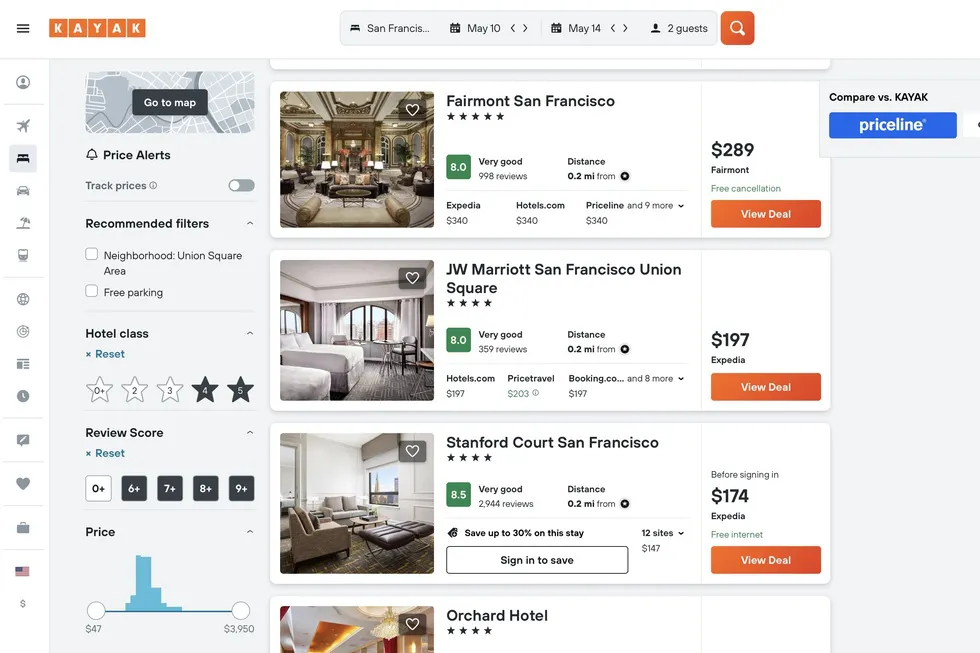
Metasearch engines like Trivago and Kayak don’t directly host bookings but act as sophisticated aggregators. Their technological value lies in their ability to crawl and compare prices from hundreds of OTAs and direct hotel websites in real-time. This requires advanced data scraping, matching algorithms, and efficient caching systems to present comprehensive comparison tables quickly. While they offer transparency, their user experience is often about redirection, which can sometimes break the flow compared to a direct booking on an OTA.
Niche Platforms and Direct Hotel Websites: Specialized Tech Solutions
Beyond the giants, niche platforms (e.g., boutique hotel specialists, eco-tourism sites) and individual hotel chain websites offer specialized technological solutions. These often focus on bespoke features, deep integration with loyalty programs, and high-quality content tailored to a specific segment. While they may not have the vast inventory of OTAs, their technology is optimized for brand storytelling and providing a highly curated booking experience.
Future Trends in Hotel Booking Technology
The evolution of hotel booking websites is far from over, with several emerging technologies poised to redefine the user experience.
Virtual and Augmented Reality for Pre-Booking Tours
Imagine “walking through” your hotel room before booking. VR/AR technology promises immersive virtual tours, allowing travelers to experience a hotel’s amenities, room layouts, and views in detail, significantly reducing uncertainty. This would require substantial data capture and rendering capabilities, transforming static images into interactive environments.
Blockchain for Secure and Transparent Transactions
Blockchain technology offers the potential for highly secure, transparent, and immutable booking records. Smart contracts could automate payment releases upon check-in, reduce fraudulent bookings, and streamline commission payouts to OTAs, creating a more trustworthy and efficient ecosystem for all parties involved.
Voice-Activated Booking and Smart Assistants
As smart speakers and voice assistants become ubiquitous, voice-activated booking could become a seamless method for reserving accommodations. This would necessitate sophisticated natural language processing (NLP) and integration with AI assistants, allowing users to articulate complex booking requirements through conversational interfaces.
Hyper-Personalization and Predictive Analytics
The future will see even deeper levels of personalization. Predictive analytics, fueled by vast datasets, will anticipate traveler needs before they are even explicitly stated. This might include predicting ideal check-in times, suggesting local experiences based on weather forecasts, or proactively rebooking flights if delays are anticipated, all aimed at an effortlessly tailored travel experience.
Making Your Tech-Informed Choice: What to Prioritize
Ultimately, determining the “best” hotel booking website boils down to a technical evaluation against your specific needs.
Evaluating Platform Performance and Reliability
A technically superior website loads quickly, processes requests without lag, and remains stable even during peak usage. Test the speed, responsiveness, and uptime of platforms you consider. Consistent performance indicates robust infrastructure and optimized code.
Assessing Security Protocols and Privacy Policies
Before entering any personal or payment information, verify the website’s security features (look for HTTPS, padlock icon). Read their privacy policy to understand how your data is collected, stored, and used. Prioritize platforms with clear, stringent data protection measures.
Mobile App Functionality and Convenience
If you frequently book on the go, the quality of the mobile application is paramount. Evaluate its ease of use, feature parity with the desktop version, push notification capabilities, and overall performance. A clunky app can quickly negate the benefits of a great website.

Customer Support Technology (Chatbots, AI-driven FAQs)
While human interaction remains vital, the efficiency of a platform’s digital customer support can significantly enhance the user experience. Look for intelligent chatbots, comprehensive and searchable FAQ sections, and integrated self-service tools that can quickly resolve common issues without requiring direct agent contact.
In conclusion, “the best” hotel booking website is a dynamic target, continually redefined by technological innovation and user expectations. While many platforms offer similar core functionalities, their underlying tech architecture, commitment to UI/UX, data security, personalization capabilities, and adaptation to future trends are what truly set them apart. By understanding these technological nuances, travelers can make informed decisions, selecting a platform that not only finds them a place to stay but also delivers a seamless, secure, and satisfying digital experience from start to finish.
aViewFromTheCave is a participant in the Amazon Services LLC Associates Program, an affiliate advertising program designed to provide a means for sites to earn advertising fees by advertising and linking to Amazon.com. Amazon, the Amazon logo, AmazonSupply, and the AmazonSupply logo are trademarks of Amazon.com, Inc. or its affiliates. As an Amazon Associate we earn affiliate commissions from qualifying purchases.