
Debt can feel like an insurmountable obstacle, a heavy burden that limits financial freedom and personal aspirations. However, with a clear understanding of your financial situation and a disciplined approach, paying off debt is an achievable goal that can pave the way for a more secure and prosperous future. This guide outlines actionable strategies and insights to help you navigate the path to debt freedom, ensuring every payment contributes effectively to your ultimate objective.
Understanding Your Debt Landscape
Before you can effectively tackle your debt, you must first have a comprehensive understanding of what you owe, to whom, and under what terms. This initial assessment is the bedrock of any successful debt repayment strategy.

Inventorying Your Debts
Begin by creating a detailed list of all your outstanding debts. This inventory should include:
- Creditor Name: Who you owe the money to (e.g., Visa, Sallie Mae, Bank of America).
- Outstanding Balance: The total amount still owed on each account.
- Minimum Monthly Payment: The smallest amount you are required to pay each month.
- Interest Rate (APR): The annual percentage rate for each debt. This is perhaps the most critical piece of information for strategizing.
- Due Date: When each payment is expected.
- Type of Debt: Categorize each debt (e.g., credit card, personal loan, student loan, mortgage, car loan).
Tools like spreadsheets, budgeting apps, or even a simple notebook can help organize this information. The goal is to see your entire financial obligation clearly, identifying high-priority debts that are costing you the most.
Interest Rates and Terms
A deep dive into interest rates is paramount. High-interest debts, such as credit card balances or certain personal loans, are financial vampires that consume a significant portion of your payments, leaving less to reduce the principal. Understanding whether your interest rates are fixed or variable is also important; variable rates can fluctuate, potentially increasing your monthly costs without warning. Additionally, be aware of any fees associated with your debts, such as late payment fees, annual credit card fees, or origination fees for loans, as these can add to your overall cost.
Assessing Your Financial Health
Alongside your debt inventory, gain clarity on your overall financial health. This involves:
- Income Analysis: Document all sources of income, including regular salary, side hustle earnings, or investment returns.
- Expense Tracking: Understand where your money is going. Categorize expenses into fixed (rent, loan payments) and variable (groceries, entertainment).
- Disposable Income: Determine how much money you have left over after essential expenses and minimum debt payments. This is the crucial amount you can dedicate to accelerating your debt repayment.
- Credit Score Awareness: Your credit score impacts your ability to obtain new loans or consolidate existing ones at favorable rates. While paying off debt, monitor your score for improvements.
This comprehensive overview will provide the clarity needed to make informed decisions about your debt repayment plan.
Strategic Approaches to Debt Repayment
Once you understand your debt landscape, you can choose a repayment strategy that aligns with your financial personality and goals. Two popular methods stand out, each with its unique advantages.
The Debt Snowball Method
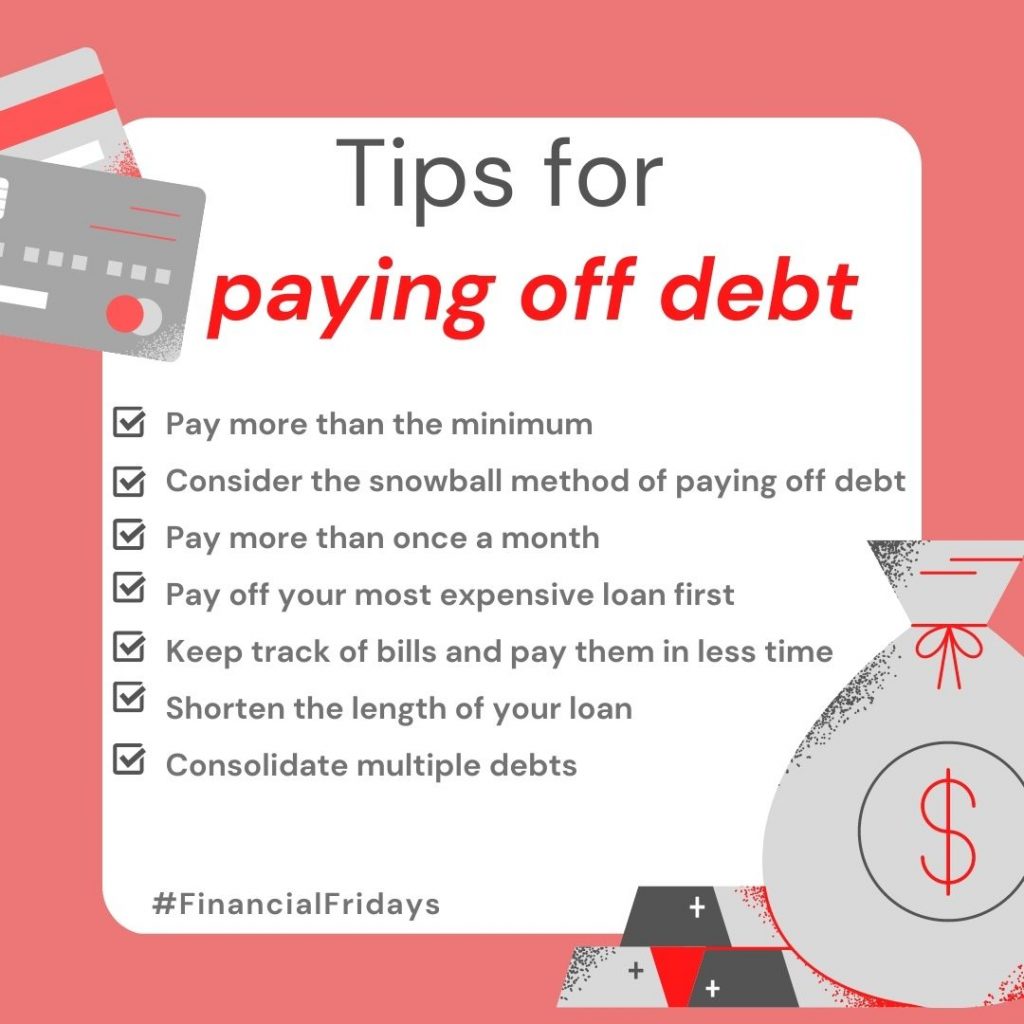
The debt snowball method focuses on psychological momentum. Here’s how it works:
- List all your debts from smallest balance to largest, regardless of the interest rate.
- Make minimum payments on all debts except the smallest one.
- Throw every extra dollar you can at the smallest debt.
- Once the smallest debt is paid off, take the money you were paying on it (its minimum payment plus the extra amount) and apply it to the next smallest debt.
- Continue this process, “snowballing” your payments until all debts are gone.
The primary benefit of the debt snowball is the psychological boost you get from quickly eliminating smaller debts. This can keep you motivated, especially if you have many accounts.
The Debt Avalanche Method
The debt avalanche method is mathematically superior, as it saves you the most money on interest. Here’s the process:
- List all your debts from highest interest rate to lowest, regardless of the balance.
- Make minimum payments on all debts except the one with the highest interest rate.
- Direct all extra funds towards the debt with the highest interest rate.
- Once that debt is paid off, take the money you were paying on it and apply it to the debt with the next highest interest rate.
- Repeat until all debts are paid.
The debt avalanche ensures you pay less in interest over time. While it might take longer to see the first debt eliminated, the financial savings can be significant. Choose the method that best suits your personality: if motivation is your biggest challenge, the snowball might be better; if you’re disciplined and want to save the most money, the avalanche is the way to go.
Consolidating High-Interest Debts
Debt consolidation involves taking out a new loan to pay off multiple existing debts, ideally at a lower interest rate. This can simplify your payments into a single monthly bill and potentially reduce your overall interest costs. Options include:
- Personal Loans: Unsecured loans from banks or credit unions, often with fixed interest rates.
- Balance Transfer Credit Cards: These offer promotional 0% APR periods, allowing you to pay down principal without interest for a limited time. Be wary of balance transfer fees and ensure you can pay off the transferred balance before the promotional period ends, as regular rates can be very high.
- Home Equity Line of Credit (HELOC) or Home Equity Loan: If you own a home, you might be able to borrow against your home equity. These often have lower interest rates, but they use your home as collateral, meaning you risk foreclosure if you can’t make payments.
Consolidation can be a powerful tool, but it requires discipline. If you consolidate debt and then continue to accrue new debt, you’ll end up in a worse position.
Optimizing Your Finances for Faster Repayment
Accelerating your debt repayment requires more than just a strategy; it demands active management and optimization of your personal finances.
Creating a Realistic Budget
A budget is your financial roadmap. It helps you understand where your money comes and goes, enabling you to identify funds that can be redirected toward debt.
- Track Everything: For at least a month, meticulously track every dollar you spend.
- Categorize Expenses: Group spending into categories like housing, food, transportation, entertainment, and utilities.
- Identify Spending Leaks: Pinpoint areas where you can cut back without significantly impacting your quality of life. Are you spending too much on dining out or unnecessary subscriptions?
- Allocate Funds: Assign a specific amount for each spending category and a dedicated amount for debt repayment above minimums. A “zero-based budget,” where every dollar is assigned a job, can be particularly effective.
The key is to create a budget that is both effective and sustainable. An overly restrictive budget is hard to stick to and can lead to frustration.
Increasing Your Income
Boosting your income provides more ammunition for debt repayment. Consider these avenues:
- Side Hustles: Freelancing, gig work (delivery, ridesharing), selling crafts, or offering specialized services.
- Overtime: If your job offers overtime opportunities, take advantage of them.
- Selling Unused Items: Declutter your home and turn unused belongings into cash through online marketplaces or garage sales.
- Negotiating Salary: If appropriate, advocate for a raise at your current job.
- Taking on a Second Job: Even a temporary second job can make a significant dent in your debt.
Every extra dollar earned can be directly applied to your highest-priority debt, dramatically shortening your repayment timeline.
Cutting Unnecessary Expenses
Examine your spending habits with a critical eye. Distinguish between “needs” and “wants.” While some luxuries make life enjoyable, temporarily cutting back can free up substantial funds.
- Subscription Audit: Review all recurring subscriptions (streaming services, gym memberships, apps) and cancel those you rarely use.
- Dining Out Less: Cooking at home is almost always cheaper than eating out or ordering delivery.
- Transportation Costs: Consider carpooling, public transit, or cycling if feasible.
- Entertainment: Look for free or low-cost entertainment options.
- Negotiate Bills: Call your utility, internet, and insurance providers to see if you can get a better rate.
Small cuts across multiple categories can add up to hundreds of dollars a month that can be redirected to debt.
Building an Emergency Fund
Even while aggressively paying down debt, it’s crucial to establish a small emergency fund, ideally $1,000 to $2,000. This fund acts as a buffer against unexpected expenses (car repair, medical bill, job loss) that could otherwise force you to incur new debt. Without an emergency fund, a minor setback can derail your entire debt repayment plan. Once you’ve established this foundational fund, you can then focus entirely on debt repayment before building a larger, more robust emergency fund (3-6 months of living expenses) after your debts are cleared.
Leveraging Financial Tools and Resources
Sometimes, debt is so overwhelming that external help becomes necessary. Several resources can provide guidance and structure.
Debt Management Plans (DMPs)
A Debt Management Plan, typically offered by non-profit credit counseling agencies, can help you manage unsecured debts (like credit cards). Under a DMP, the agency works with your creditors to potentially:
- Reduce your interest rates.
- Waive late fees.
- Consolidate multiple monthly payments into a single, manageable payment to the counseling agency, which then distributes funds to your creditors.
- Provide a structured repayment timeline, often 3-5 years.
DMPs are not loans; you still owe the full principal. While they can provide relief, they may impact your credit score, as some creditors may mark your account as being in a DMP.
Credit Counseling Agencies
Non-profit credit counseling agencies offer a range of services beyond DMPs. They can provide:
- Budgeting assistance.
- Financial education.
- Advice on managing debt.
- Guidance on improving your credit score.
When choosing an agency, ensure it’s reputable and accredited (e.g., by the National Foundation for Credit Counseling – NFCC). Be wary of “debt relief” companies that promise to settle debts for pennies on the dollar or charge exorbitant upfront fees.
Negotiation Strategies with Creditors
In cases of genuine financial hardship, you may be able to negotiate directly with your creditors.
- Hardship Programs: Some creditors offer temporary hardship programs, allowing reduced payments or payment deferrals during difficult times.
- Lower Interest Rates: Simply calling your credit card company and asking for a lower interest rate can sometimes be effective, especially if you have a good payment history.
- Debt Settlement (Last Resort): This involves negotiating with creditors to pay a lump sum that is less than the total amount owed. While it can reduce the amount you pay, it severely damages your credit score and can have tax implications. This should generally be considered only when other options have been exhausted.
Exploring Bankruptcy (as a Last Resort)
Bankruptcy is a serious legal process that should only be considered when all other options have failed. It can provide a fresh financial start but comes with severe, long-lasting consequences for your credit history.
- Chapter 7 Bankruptcy: Liquidates non-exempt assets to pay creditors and discharges most unsecured debts.
- Chapter 13 Bankruptcy: Allows individuals with regular income to repay all or a portion of their debts over three to five years through a court-approved plan.
Consult with a qualified bankruptcy attorney to understand the implications and determine if it’s the right choice for your specific situation.
Sustaining Debt-Free Living
Paying off debt is a monumental achievement, but the journey doesn’t end there. The ultimate goal is to remain debt-free and build lasting financial security.
Building Healthy Financial Habits
The habits you developed to pay off debt are the same ones that will keep you debt-free:
- Consistent Budgeting: Continue to monitor your income and expenses regularly.
- Mindful Spending: Maintain awareness of your spending habits and differentiate between needs and wants.
- Regular Saving: Shift your focus from debt repayment to building robust savings, starting with a fully funded emergency fund (3-6 months of living expenses).
- Avoiding New Consumer Debt: Resist the urge to use credit cards for purchases you cannot pay off immediately. If you use credit cards, pay the statement balance in full every month.
Setting New Financial Goals
With debt out of the picture, you have the freedom to pursue new financial goals. This could include:
- Investing for Retirement: Maximizing contributions to 401(k)s, IRAs, and other investment vehicles.
- Saving for a Down Payment: For a home, car, or other significant purchase.
- Funding Education: For yourself or your children.
- Building Wealth: Exploring diverse investment strategies to grow your assets.
These new goals provide continued motivation and a sense of purpose for your financial efforts.
Continuous Monitoring and Adjustment
Life is dynamic, and your financial situation will evolve. Regularly review your financial plan, adjust your budget as income or expenses change, and adapt your savings and investment strategies to meet new circumstances. Financial freedom is not a destination but an ongoing journey of informed decisions and consistent effort.
aViewFromTheCave is a participant in the Amazon Services LLC Associates Program, an affiliate advertising program designed to provide a means for sites to earn advertising fees by advertising and linking to Amazon.com. Amazon, the Amazon logo, AmazonSupply, and the AmazonSupply logo are trademarks of Amazon.com, Inc. or its affiliates. As an Amazon Associate we earn affiliate commissions from qualifying purchases.