
In today’s fast-paced economy, the ability to accept credit cards is not merely a convenience; it’s an absolute necessity for businesses aiming for growth, broad customer reach, and a healthy bottom line. Consumers increasingly rely on plastic and digital wallets for their purchases, making cash-only operations feel outdated and restrictive. For entrepreneurs, small business owners, and growing enterprises alike, understanding the intricacies of credit card acceptance is paramount to financial success. This guide delves into the essential knowledge, practical steps, and strategic considerations for integrating credit card payments into your business model, ensuring you can meet customer expectations and unlock new revenue streams.
The Indispensable Role of Credit Card Acceptance in Modern Business Finance
The landscape of consumer spending has undergone a dramatic transformation over the past few decades. Cash transactions, once king, have steadily declined in favor of electronic payments, primarily credit and debit cards. For any business, regardless of size or industry, adapting to this shift is not optional but fundamental to survival and prosperity.
Why Credit Cards Are Essential for Growth
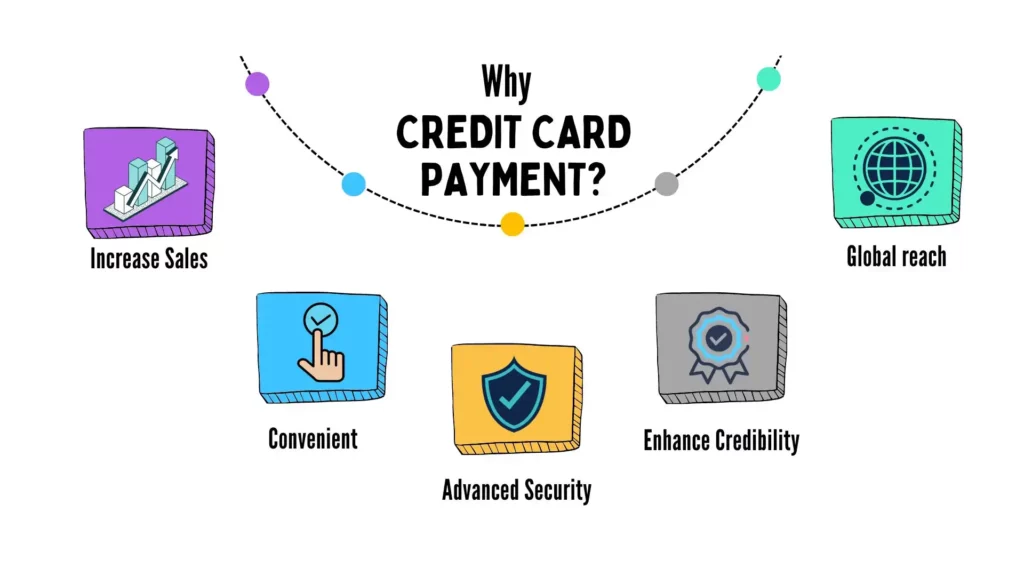
Accepting credit cards immediately broadens your customer base. Many consumers, especially younger generations, carry little to no cash. By offering card payment options, you remove a significant barrier to purchase, making it easier for customers to buy your products or services. This convenience translates directly into increased sales volumes and higher average transaction values, as customers are not limited by the cash in their wallet. Furthermore, credit card acceptance enhances your business’s legitimacy and professionalism. It signals to customers that you are a modern, trustworthy establishment, fostering greater confidence and loyalty. Beyond individual transactions, the data generated from card payments can provide invaluable insights into customer spending habits, peak sales times, and popular products, informing future financial and marketing strategies.
Understanding the Basic Flow of a Credit Card Transaction
Before diving into solutions, it’s helpful to grasp the fundamental process when a customer swipes, dips, or taps their card. A credit card transaction involves several key players:
- Cardholder: The customer initiating the purchase.
- Merchant: Your business, accepting the payment.
- Point-of-Sale (POS) System/Payment Gateway: The technology used to capture card details.
- Acquirer (Merchant Bank): The financial institution that processes credit card transactions for the merchant.
- Card Network: Companies like Visa, Mastercard, American Express, and Discover that facilitate communication between banks.
- Issuer (Customer’s Bank): The financial institution that issued the credit card to the customer.
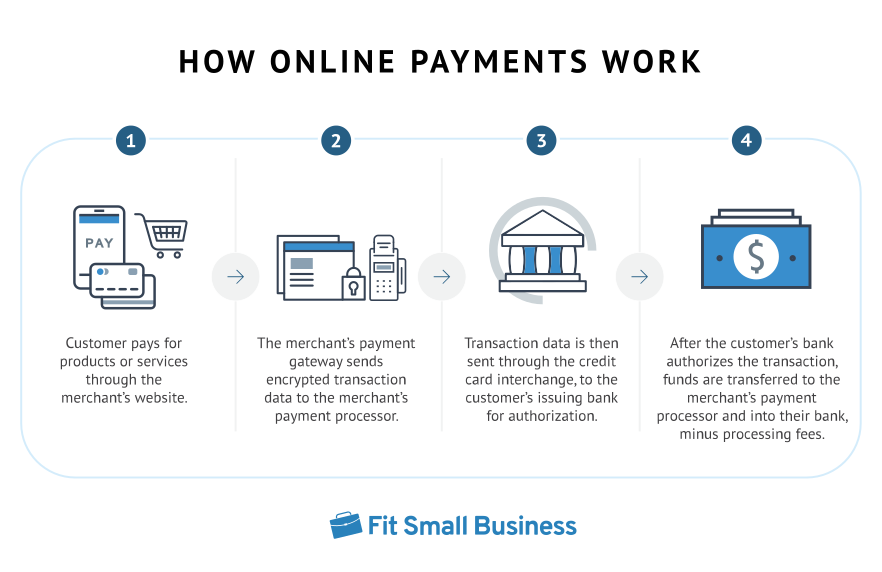
The transaction flow typically begins when the card information is captured. This data is encrypted and sent to the acquirer, then to the card network, and finally to the issuer for authorization. The issuer checks for sufficient funds/credit and fraud potential. An approval or denial message is sent back through the same chain. If approved, funds are typically settled into the merchant’s bank account within 1-3 business days, minus processing fees. Understanding this chain is crucial for appreciating the costs and security measures involved.
Decoding the Landscape of Credit Card Processing Solutions
The market for credit card processing is vast and varied, offering solutions tailored to every business size and operational model. Choosing the right one requires an understanding of the available options and how they align with your specific needs.
Merchant Accounts vs. Payment Service Providers (PSPs)
At the heart of credit card processing are two primary models:
- Traditional Merchant Accounts: These are direct relationships with an acquiring bank. Your business gets its own dedicated merchant account ID, allowing for direct processing of transactions. This model often comes with more favorable, transparent pricing for high-volume businesses and greater control over fund settlement. However, the application process can be more stringent, and setup fees may apply.
- Payment Service Providers (PSPs): Companies like Square, Stripe, and PayPal act as aggregators. They set up one large merchant account and allow many smaller businesses to process transactions through it. This model is ideal for startups and small businesses due to its ease of setup, often pay-as-you-go pricing, and integrated solutions (POS, online gateways). While convenient, PSPs might have slightly higher per-transaction fees for larger volumes and less flexibility in some areas compared to dedicated merchant accounts.
The choice between these largely depends on your transaction volume, risk profile, and desired level of direct financial control.
In-Person Payment Solutions: POS Systems and Mobile Readers
For brick-and-mortar stores, pop-up shops, or businesses that conduct sales face-to-face, specific hardware is required:
- Point-of-Sale (POS) Systems: These comprehensive systems typically include a terminal, cash drawer, receipt printer, and often barcode scanners. Modern POS systems are often cloud-based, integrating inventory management, sales reporting, and customer relationship management (CRM) features. They are ideal for retail stores, restaurants, and other businesses with fixed locations and varied product offerings.
- Mobile Card Readers: Perfect for mobile businesses, freelancers, or infrequent sellers, these small devices connect to a smartphone or tablet (via audio jack, Bluetooth, or USB). They allow you to accept EMV chip cards, magstripe cards, and sometimes even contactless payments (NFC). Companies like Square and Zettle (PayPal) offer popular mobile reader solutions, turning your phone into a complete payment terminal.
Online Payment Solutions: Payment Gateways and Shopping Carts
For businesses operating online, the mechanisms for accepting credit cards are different, focusing on secure digital transactions:
- Payment Gateways: These are services that authorize credit card payments for e-businesses and online retailers. They act as the digital equivalent of a physical POS terminal, encrypting sensitive credit card information and ensuring it’s transmitted securely between the customer’s browser and the payment processor. Popular gateways include Stripe, Authorize.net, and PayPal.
- Shopping Cart Platforms: For e-commerce businesses, a shopping cart platform (e.g., Shopify, WooCommerce, BigCommerce) is essential. Most of these platforms come with built-in payment gateway integrations or allow you to easily connect your chosen gateway, streamlining the entire online sales process from product selection to checkout and payment processing.
Alternative Payment Methods and Emerging Trends
While credit cards remain dominant, the payment landscape is evolving. Businesses should also consider offering:
- Digital Wallets: Apple Pay, Google Pay, Samsung Pay allow customers to store card details securely on their devices and pay with a tap. These enhance convenience and security.
- “Buy Now, Pay Later” (BNPL) Services: Companies like Afterpay, Klarna, and Affirm allow customers to split purchases into interest-free installments. This can boost sales for higher-ticket items, particularly for younger demographics.
- ACH/Bank Transfers: For B2B transactions or larger consumer purchases, direct bank transfers can be a cost-effective option, though less instantaneous.
Integrating these methods can further diversify your payment options and cater to a broader customer base, enhancing the overall customer experience.
Critical Financial and Operational Considerations for Choosing a Provider
Selecting the right credit card processor involves more than just picking a familiar name. It requires a meticulous evaluation of various financial, security, and operational factors to ensure the solution genuinely serves your business’s financial health and strategic goals.
Unpacking Processing Fees: Interchange, Assessments, and Markups
Understanding the fee structure is paramount to managing your costs effectively. Credit card processing fees are typically composed of three main components:
- Interchange Fees: These are non-negotiable fees charged by the issuing bank (the customer’s bank). They vary based on card type (rewards, corporate), transaction type (card-present, card-not-present), and industry. They usually account for the largest portion of the total fee.
- Assessment Fees: These are fees charged by the card networks (Visa, Mastercard, etc.) for using their network. They are a small percentage of the transaction volume.
- Processor Markup: This is the fee charged by your credit card processing company (acquirer or PSP) for their services. This is the only component that is negotiable and varies significantly between providers. It can be structured as a percentage, a per-transaction fee, or a tiered/bundle rate.
Always request a clear breakdown of fees and understand the pricing model (e.g., interchange-plus, tiered, flat rate). Interchange-plus often offers the most transparency and cost savings for higher-volume businesses, while flat rates are simpler and often preferred by smaller businesses with predictable transaction sizes.
Security and Compliance: Protecting Your Business and Customers (PCI DSS)
Data security is non-negotiable. As a merchant accepting credit cards, you are responsible for protecting sensitive cardholder data. The Payment Card Industry Data Security Standard (PCI DSS) is a set of security standards designed to ensure that all companies that process, store, or transmit credit card information maintain a secure environment. Failure to comply can result in hefty fines, loss of processing privileges, and severe reputational damage.
When choosing a processor, ensure they are PCI compliant and that their solutions help you meet your own compliance obligations. Look for features like end-to-end encryption, tokenization (replacing sensitive data with unique identifiers), and fraud detection tools. A robust payment solution should inherently reduce your PCI DSS scope by minimizing the amount of sensitive data your business directly handles.
Integration, Scalability, and Ease of Use
Your chosen solution must seamlessly integrate with your existing business tools (e.g., accounting software, CRM, e-commerce platform). Evaluate the ease of setup and ongoing management. A complex system that requires extensive technical knowledge can quickly become a bottleneck and a drain on resources.
Consider scalability: Can the system grow with your business? If you anticipate significant growth in transaction volume or plan to expand into new sales channels (e.g., adding an online store to your physical one), your processing solution should be able to accommodate these changes without requiring a complete overhaul. An intuitive user interface and reliable performance are critical for daily operations.
Customer Support and Dispute Resolution (Chargebacks)
Even the most robust systems can encounter issues. Excellent customer support from your processor is invaluable. Look for providers that offer multiple support channels (phone, email, chat), 24/7 availability if your business operates round-the-clock, and a reputation for responsive, knowledgeable assistance.
Chargebacks, where a customer disputes a transaction with their bank, are a significant concern for merchants. Each chargeback incurs fees, and too many can lead to processing account termination. Your processor should provide tools and guidance to help you prevent chargebacks (e.g., clear billing descriptors, robust return policies) and effectively dispute them when they occur, presenting evidence to the cardholder’s bank.
Implementing and Optimizing Your Credit Card Acceptance System
Once you’ve chosen a credit card processing solution, the next step is implementation and integration into your daily operations. This phase is crucial for ensuring smooth transactions and efficient financial management.
Step-by-Step Setup: From Application to First Transaction
The implementation process will vary depending on whether you opt for a traditional merchant account or a PSP.
- Application: For a merchant account, this involves a detailed application, credit checks, and potentially a review of your business history. PSPs typically have a simpler, faster online signup process.
- Account Approval: Once approved, you’ll receive your merchant ID (if applicable) and access to your payment gateway/terminal dashboard.
- Hardware/Software Setup: If you need physical terminals or card readers, these will be shipped and require installation. For online businesses, you’ll integrate the payment gateway with your e-commerce platform or website.
- Testing: Crucially, perform test transactions to ensure everything is working correctly before going live. This includes processing a sale, a refund, and verifying fund settlement.
- Training: Train your staff on how to use the new system, handle different transaction types, and troubleshoot common issues.
Best Practices for Managing Transactions and Cash Flow
Effective management of your credit card transactions goes beyond simply accepting payments.
- Daily Reconciliation: Reconcile your daily sales reports from your POS/gateway with your bank deposits to ensure accuracy and identify any discrepancies promptly.
- Batching: Understand your batching schedule (when transactions are grouped and sent for settlement). Most systems automatically batch daily, but manual batching might be an option you need to manage.
- Refunds and Returns: Establish clear refund policies and ensure your staff can process returns efficiently and correctly through your system.
- Fraud Monitoring: Regularly monitor for suspicious transaction patterns. Utilize fraud detection tools provided by your processor, such as AVS (Address Verification Service) and CVV checks.
- Cash Flow Forecasting: Incorporate anticipated credit card revenue and associated fees into your cash flow forecasts to maintain accurate financial planning.
Leveraging Reporting and Analytics for Financial Insights
Modern payment processing solutions offer powerful reporting and analytics tools that go beyond simple transaction lists.
- Sales Reports: Analyze sales trends by product, time of day, and customer segment.
- Transaction Histories: Access detailed records for auditing, customer service, and dispute resolution.
- Fee Breakdowns: Understand exactly what you’re paying in processing fees.
- Chargeback Reports: Track chargeback rates and identify potential areas for improvement.
These insights are invaluable for making informed financial decisions, optimizing pricing strategies, managing inventory, and improving overall business efficiency.
Maximizing the Financial Benefits and Minimizing Risks
Successfully integrating credit card acceptance into your business can significantly boost your financial health, but it also comes with inherent risks that need proactive management.
Enhancing Sales and Customer Experience
The most immediate financial benefit of accepting credit cards is the potential for increased sales. Customers appreciate convenience, and the ability to pay with their preferred method removes friction from the buying process. This often leads to larger purchases, impulse buys, and repeat business. Furthermore, a smooth, secure checkout experience builds trust and contributes to a positive brand perception, encouraging customer loyalty and positive word-of-mouth referrals. Over time, this enhanced customer experience translates directly into a stronger, more stable revenue stream.
Mitigating Chargeback Risks and Fraud
While essential, credit card payments carry the risk of fraud and chargebacks. Proactive measures are key:
- Clear Policies: Have clear return, refund, and cancellation policies, prominently displayed.
- Proof of Delivery/Service: For online sales, use tracking numbers. For services, maintain detailed records of work performed.
- Customer Service: Address customer complaints promptly and professionally to prevent them from escalating to a chargeback.
- Fraud Tools: Implement Address Verification Service (AVS) and Card Verification Value (CVV) checks for online transactions. Consider more advanced fraud detection systems, especially for high-value items.
- PCI DSS Compliance: Maintaining PCI DSS compliance significantly reduces your vulnerability to data breaches, which can lead to fraudulent transactions and subsequent financial penalties.
Strategic Financial Planning with Credit Card Revenue
Integrating credit card revenue into your financial planning requires a nuanced approach. While the funds often settle quickly, processing fees must be factored into your budgeting and profit margins.
- Accurate Costing: Ensure your product or service pricing adequately covers your processing fees to maintain healthy profit margins.
- Cash Flow Management: Account for the slight delay in fund settlement when planning for expenses and payroll.
- Tax Implications: Understand how credit card transactions and associated fees are reported for tax purposes. Your processor will typically provide annual statements.
- Growth Projections: Use insights from credit card sales data to make more accurate revenue projections, aiding in strategic investments, inventory management, and business expansion plans.
In conclusion, accepting credit cards is an unavoidable aspect of modern business operations. By carefully selecting a processing solution, understanding its financial implications, and implementing robust operational practices, businesses can not only meet customer expectations but also strategically leverage credit card payments to drive growth, enhance financial stability, and secure a competitive edge in the marketplace.
aViewFromTheCave is a participant in the Amazon Services LLC Associates Program, an affiliate advertising program designed to provide a means for sites to earn advertising fees by advertising and linking to Amazon.com. Amazon, the Amazon logo, AmazonSupply, and the AmazonSupply logo are trademarks of Amazon.com, Inc. or its affiliates. As an Amazon Associate we earn affiliate commissions from qualifying purchases.