
For many taxpayers, the annual ritual of filing taxes culminates in the moment of payment. While digital payment methods have become increasingly popular, the traditional method of mailing a check or money order to the Internal Revenue Service (IRS) remains a vital option for millions. Understanding precisely where to send your payment – and the various nuances associated with it – is critical to ensuring your tax obligations are met accurately and on time, thereby avoiding costly penalties and interest. This guide delves deep into the specifics of mailing IRS payments, exploring the circumstances under which you might choose this method, and providing a comprehensive overview of alternatives, best practices, and essential considerations for sound financial management.
Understanding Your IRS Payment Responsibilities
Before you even consider where to mail your payment, it’s crucial to understand why and when you might need to send one. Tax obligations are a fundamental aspect of personal and business finance, impacting everything from your annual budget to long-term financial planning.
The Importance of Timely Payments
The IRS operates on strict deadlines. Failing to pay your taxes by the due date, even if you file an extension for your return, can trigger penalties and interest charges. These can accumulate quickly, turning a manageable tax bill into a significantly larger financial burden. Penalties can apply for failure to file, failure to pay, and even for underpayment of estimated tax throughout the year. Understanding these potential repercussions underscores the importance of not just paying, but paying on time. For those with fluctuating income or self-employment, estimating taxes and making quarterly payments is a proactive strategy to avoid underpayment penalties at year-end. This involves careful financial forecasting and budgeting to ensure funds are available when tax installments are due.
Identifying Your Payment Type
The IRS requires different actions and sometimes different mailing addresses depending on the type of payment you are making.
- Tax Returns (e.g., Form 1040, 1120): If you are filing an individual income tax return (Form 1040 series) or a corporate income tax return (Form 1120 series) and owe money, you’ll typically send your payment with your return or separately, but always referencing the specific tax form.
- Estimated Taxes (Form 1040-ES): Self-employed individuals, independent contractors, and those with significant income not subject to withholding (like interest or dividends) often need to pay estimated taxes quarterly. These payments typically require a specific payment voucher (Form 1040-ES) and have distinct mailing addresses.
- Underpayment Notices or Deficiency Payments: If the IRS sends you a notice indicating you owe additional tax from a prior year, the payment process might differ slightly. These often come with specific instructions and payment vouchers.
- Installment Agreements: If you can’t pay your full tax liability by the due date, you may be able to set up an installment agreement with the IRS. Payments under these agreements follow a pre-arranged schedule and usually have dedicated payment methods, which may include mailing.
Correctly identifying the type of payment ensures you follow the right procedure, use the appropriate forms, and send it to the correct IRS facility, streamlining the processing of your payment and preventing potential delays or misapplication of funds.
The Traditional Route: Mailing Your Payment
Despite the rise of digital options, mailing a physical check or money order remains a common and perfectly valid way to pay the IRS. However, it’s crucial to follow specific guidelines to ensure your payment is processed correctly.
Locating the Correct IRS Mailing Address
Perhaps the most critical step in mailing an IRS payment is identifying the correct address. The IRS uses numerous processing centers across the country, and the correct address depends on several factors:
- Your State of Residence: Mailing addresses vary by the state where you live or where your business is located.
- The Type of Form You’re Filing: A payment accompanying a Form 1040 will go to a different address than an estimated tax payment with Form 1040-ES, or a corporate tax payment with Form 1120.
- Whether You Are Sending a Payment With Your Return or Without Your Return: Sometimes, if you are simply paying a balance due but have already filed your return electronically or separately, the mailing address for the payment voucher (e.g., Form 1040-V) will be different.
- Business vs. Individual Payments: Businesses typically have distinct mailing addresses from individuals.
Crucial Advice: Always verify the current mailing address directly on the official IRS website (IRS.gov) or in the instructions for the specific tax form you are using. These addresses can change, and relying on outdated information can lead to significant delays and potential penalties. Look for “Where to File” or “Where to Mail Your Tax Payment” sections in the form instructions or on the IRS website.
Essential Information to Include
When mailing a payment, merely enclosing a check is insufficient. The IRS needs specific information to correctly credit your account.
- Checks and Money Orders: Always make checks or money orders payable to the “U.S. Treasury.” Never send cash through the mail.
- Required Information on Payment: On the front of your check or money order, include the following:
- Your full name and address
- Your daytime phone number
- Your Social Security Number (SSN) or Employer Identification Number (EIN) if it’s a business payment. If it’s a joint return, include the SSN of the primary taxpayer (the one listed first on the return).
- The tax year for which the payment is being made (e.g., “2023 Form 1040”).
- The form number you are paying (e.g., “Form 1040,” “Form 1040-ES,” “Form 941”).
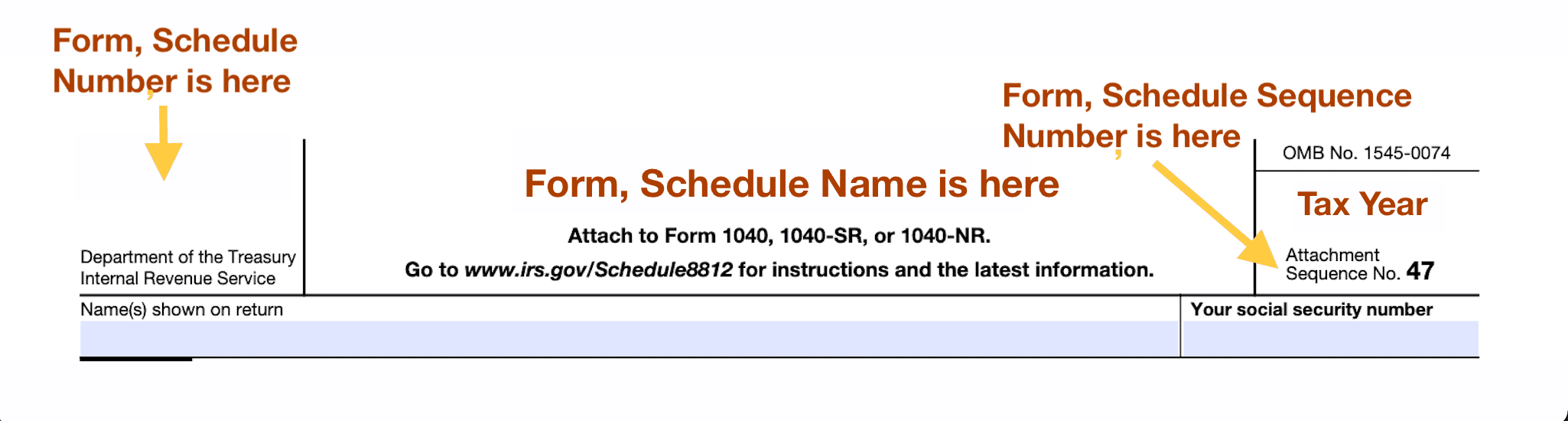
- Payment Vouchers (e.g., Form 1040-V): If you are mailing a payment for your individual income tax, you should typically include Form 1040-V, Payment Voucher, with your check or money order. This voucher helps the IRS correctly apply your payment. Fill it out completely with all required information. Similar vouchers exist for other types of payments (e.g., Form 1040-ES vouchers for estimated taxes).
Best Practices for Mailing
To safeguard your payment and ensure its timely delivery and processing:
- Proof of Mailing: Consider using certified mail with a return receipt, especially for large payments or if you’re mailing close to the deadline. This provides proof that you mailed the payment and that the IRS received it, which can be invaluable if a dispute arises. Regular first-class mail is generally sufficient, but certified mail offers an extra layer of security.
- Send Separately (If Instructed): Sometimes, the IRS instructions advise sending your payment voucher and check in a separate envelope from your tax return, even if both are being mailed. Always follow the specific instructions for the form you are filing.
- Avoid Cash: Never mail cash. It cannot be traced and if lost, it’s gone. Use a check, money order, or one of the secure digital payment methods.
Exploring Digital Alternatives: Beyond the Mailbox
While mailing is a viable option, the IRS strongly encourages and provides several secure electronic payment methods. These digital alternatives often offer greater convenience, faster processing, and immediate confirmation, aligning with modern financial management practices.
Direct Pay: The IRS’s Free Online Payment Service
IRS Direct Pay allows you to make tax payments directly from your checking or savings account without any fees.
- How it Works: You can access Direct Pay via IRS.gov. You’ll need to verify your identity using information from a prior tax return. You then select the type of payment, the tax year, enter your bank account information (routing and account numbers), and choose a payment date.
- Types of Payments Accepted: Direct Pay can be used for individual income tax payments (Form 1040 series), estimated tax payments, installment agreement payments, and certain other tax types.
- Benefits: It’s free, secure, and provides immediate email confirmation once your payment is scheduled and another when it’s debited from your account. You can also view your payment history.
Payment by Debit Card, Credit Card, or Digital Wallet

For those who prefer to pay with plastic or digital services, the IRS partners with third-party payment processors.
- Third-Party Processors (Fees Involved): Unlike Direct Pay, these services charge a processing fee, which varies depending on the processor and the type of card/service used. The IRS does not receive these fees.
- When This Option is Useful: This method can be appealing for taxpayers who want to:
- Earn credit card rewards (e.g., cash back, travel points).
- Delay payment (until the credit card statement is due).
- Make an immediate payment without a bank account.
- Transaction Limits: Be aware of any daily or per-transaction limits imposed by the processors or your card issuer.
Electronic Funds Withdrawal (EFW)
If you e-file your tax return, you have the option to pay directly from your bank account using Electronic Funds Withdrawal (EFW).
- Convenience and Accuracy: When you choose EFW, the payment amount and your bank account details are securely transmitted along with your e-filed return. You specify the payment date, up to the tax deadline. This method eliminates the need for separate actions to pay and provides the convenience of handling both filing and payment in one transaction.
EFTPS: The Electronic Federal Tax Payment System
The Electronic Federal Tax Payment System (EFTPS) is a widely used service, particularly by businesses, but also available to individuals for all federal tax payments.
- Enrollment Process: EFTPS requires a separate enrollment process, which can take several business days to complete as a Personal Identification Number (PIN) is mailed to you.
- Scheduling Payments in Advance: Once enrolled, you can schedule payments up to 365 days in advance, providing excellent control and foresight for managing tax obligations. This is especially useful for businesses making regular payroll tax deposits or individuals making quarterly estimated tax payments. Payments can be initiated via a secure website or a voice response system.
Strategies for Managing Your Tax Payments Effectively
Effective tax payment management goes beyond just knowing where to send money; it involves proactive planning and understanding your options should financial difficulties arise.
Proactive Tax Planning
The most effective way to manage tax payments is through proactive planning throughout the year.
- W-4 Adjustments: For employees, regularly reviewing and adjusting your W-4 form with your employer can ensure the correct amount of tax is withheld from your paycheck, minimizing surprises at tax time.
- Estimated Tax Calculations: Self-employed individuals and those with significant non-wage income should regularly calculate and make timely estimated tax payments to avoid underpayment penalties. This often involves working with a financial advisor or using tax software.
- Financial Planning Implications: Integrating tax considerations into your overall financial planning helps you anticipate liabilities, budget accordingly, and make informed decisions about investments, income streams, and deductions.
What to Do If You Can’t Pay On Time
Even with careful planning, sometimes circumstances prevent taxpayers from paying their full tax liability by the deadline.
- File On Time, Even If You Can’t Pay: The “failure to file” penalty is often significantly higher than the “failure to pay” penalty. Therefore, always file your tax return or an extension by the due date, even if you can’t afford to pay the tax you owe.
- Payment Plans: The IRS offers several options for taxpayers facing financial hardship:
- Short-Term Payment Plan: An extension of up to 180 days to pay, though interest and penalties still apply.
- Installment Agreement: Allows you to make monthly payments for up to 72 months. You must be current with all filing and payment requirements to qualify.
- Offer in Compromise (OIC): Allows certain taxpayers to resolve their tax liability with the IRS for a lower amount than what they originally owe. This is usually an option when taxpayers are in significant financial distress.
- Penalties and Interest Mitigation: While interest cannot typically be waived, the IRS may abate certain penalties if there was reasonable cause for failure to file or pay, or if the taxpayer received incorrect advice from the IRS.
Maintaining Accurate Records
Regardless of the payment method chosen, meticulous record-keeping is paramount.
- Importance of Documentation: Keep clear records of all tax payments made, including the date, amount, method used (e.g., check number, confirmation number for electronic payments), and the tax period it applies to.
- Digital vs. Physical Records: Store digital confirmations (emails) and physical receipts or check stubs in a secure, organized manner. This documentation is your proof of payment and invaluable in case of any IRS inquiries or discrepancies.
Common Pitfalls and How to Avoid Them
Navigating IRS payments can be complex. Being aware of common mistakes can help you steer clear of unnecessary trouble.
Incorrect Mailing Address
The most frequent error when mailing payments is using an outdated or incorrect IRS address. Always cross-reference with IRS.gov. A misplaced payment can lead to processing delays, resulting in late payment penalties even if you sent it on time.
Incomplete Payment Information
Forgetting to write your SSN/EIN, tax year, or form number on your check, or failing to include a properly filled-out payment voucher, can cause your payment to be misapplied or delayed. Double-check all details before sealing the envelope.
Missing Deadlines
Tax deadlines are firm. While extensions can be filed for the return itself, they do not extend the time to pay. Set reminders, use financial planning tools, and understand the specific due dates for all your tax obligations, especially estimated taxes.
Scams and Fraud
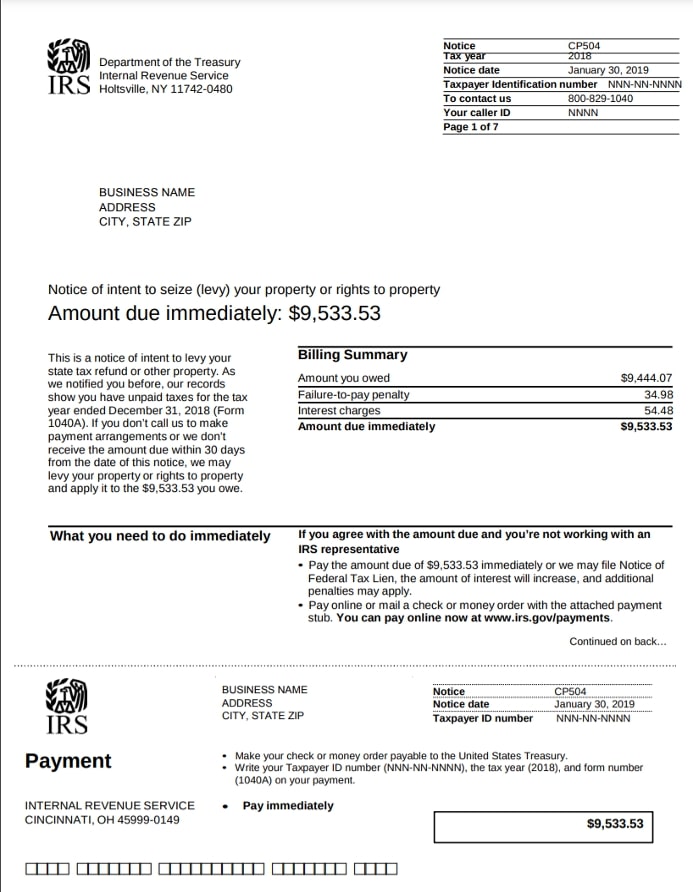
Be wary of scams. The IRS will never demand immediate payment over the phone, threaten arrest, or ask for payment via gift cards or wire transfers. Official IRS communications regarding payments typically come through the mail. If in doubt, visit IRS.gov directly or call the official IRS phone numbers. Protect your personal financial information diligently.
Paying your taxes is a non-negotiable part of financial responsibility. Whether you choose the traditional route of mailing your payment or opt for the convenience of digital alternatives, understanding the correct procedures, deadlines, and available resources is key. By proactively managing your tax payments, staying informed through official IRS channels, and meticulously maintaining your records, you can fulfill your obligations efficiently and confidently, contributing to your overall financial well-being and peace of mind.
aViewFromTheCave is a participant in the Amazon Services LLC Associates Program, an affiliate advertising program designed to provide a means for sites to earn advertising fees by advertising and linking to Amazon.com. Amazon, the Amazon logo, AmazonSupply, and the AmazonSupply logo are trademarks of Amazon.com, Inc. or its affiliates. As an Amazon Associate we earn affiliate commissions from qualifying purchases.