
The modern financial landscape has undergone a profound transformation, with digital platforms now serving as the backbone for countless transactions and obligations. Among these, the process of depositing income tax online has emerged as a cornerstone of efficient financial management for individuals, businesses, and corporations alike. Gone are the days of lengthy queues, paper challans, and manual submissions that once characterized tax season. Today, tax compliance is often just a few clicks away, offering unprecedented convenience and a streamlined approach to fulfilling one of our most fundamental civic and financial duties.
This guide delves into the nuances of online income tax deposits, offering a professional, insightful, and engaging exploration of the process. We will uncover the benefits of this digital shift, outline the necessary preparations, provide a step-by-step walkthrough, and highlight best practices to ensure financial security and strict compliance. Embracing the digital method for tax payments is not merely a convenience; it is a strategic move towards more accurate record-keeping, timely compliance, and overall robust personal and business financial health.
The Evolution of Tax Payments: From Paper to Pixels
The transition to online tax payment methods reflects a global push towards digitalization in public services, aimed at enhancing efficiency, transparency, and accessibility. This shift has significant implications for how individuals and entities manage their financial obligations and interact with tax authorities.
The Mandate for Modernization
Governments worldwide have recognized the imperative to modernize their tax administration systems. Initiatives like the IRS e-file program in the United States, HMRC’s online services in the UK, and various national tax portals across developing economies underscore a universal commitment. This modernization isn’t just about technological upgrade; it’s about simplifying tax compliance, reducing administrative burdens, and improving the overall taxpayer experience. For the taxpayer, this means less time spent on paperwork and more time dedicated to core financial activities, a significant boon for personal finance planning and business operational efficiency. The digital infrastructure also allows for quicker processing of returns and refunds, directly impacting cash flow and financial stability.
Key Benefits of Online Tax Deposits
The advantages of depositing income tax online extend far beyond mere convenience. They represent tangible financial benefits that contribute to better financial management and peace of mind:
- Accuracy and Reduced Errors: Online systems often incorporate validation checks, minimizing common arithmetic errors and incorrect data entries that can lead to financial penalties or delays in processing.
- Real-time Confirmation and Record-Keeping: Upon successful payment, taxpayers typically receive instant digital receipts or challans. These serve as verifiable proof of payment, crucial for financial audits, reconciliation, and future reference. This eliminates the risk of lost paper receipts and streamlines financial record management.
- Avoidance of Penalties: Timely online payments help taxpayers steer clear of late payment penalties, interest charges, and other financial repercussions associated with non-compliance. Automated reminders and easy access facilitate adherence to deadlines.
- Accessibility and Flexibility: Taxpayers can make payments from anywhere, at any time, eliminating geographical and time constraints. This flexibility is invaluable for busy professionals, businesses, and those managing finances remotely.
- Enhanced Security: Official tax portals employ robust encryption and security protocols to protect sensitive financial data, offering a more secure alternative than physically handling large sums of money or mailing checks.
Understanding Your Tax Obligations
Before embarking on the online payment journey, it’s crucial to have a clear understanding of your specific tax obligations. Income tax can stem from various sources: employment income (PAYE), self-employment earnings, business profits, rental income, capital gains, or interest and dividends. Each jurisdiction has specific rules and deadlines for different types of income and taxpayer categories (e.g., individuals, sole proprietors, partnerships, corporations). Accurately assessing your tax liability is the first and most critical financial step. This often involves calculating taxable income, applying deductions and exemptions, and determining the appropriate tax rate. While the online platform facilitates payment, the responsibility for accurate calculation rests solely with the taxpayer or their financial advisor.
Preparing for a Seamless Online Tax Deposit
A smooth online tax deposit experience begins with thorough preparation. Gathering the necessary information and understanding the financial mechanisms involved are paramount to avoiding last-minute stress and potential financial pitfalls.
Gathering Essential Information
Before you even log onto a tax portal, ensure you have the following financial and personal details readily available:
- Taxpayer Identification Number (TIN) / Permanent Account Number (PAN): Your unique identification for tax purposes.
- Assessment Year / Financial Year: The specific period for which the tax is being paid. Misidentifying this can lead to significant financial reconciliation issues.
- Type of Tax: Specify if it’s self-assessment tax, advance tax, corporate tax, TDS/TCS (Tax Deducted/Collected at Source) payment, etc.
- Income Details: Accurate figures of your taxable income, deductions claimed, and tax calculated.
- Bank Account Details: The account from which the payment will be debited, including account number, IFSC/SWIFT code, and bank name.
- Login Credentials: For the official tax portal, if you are a registered user.
Choosing the Right Payment Gateway
Online tax payments offer various methods, each with its own set of characteristics. Understanding these options is key to making a financially sound decision:
- Net Banking (Internet Banking): This is often the most preferred method, allowing direct debit from your bank account. It’s generally secure and provides instant payment confirmation.
- Debit Card/Credit Card: Many portals accept payments via debit or credit cards. While convenient, be mindful of potential transaction fees associated with credit card payments, which can add to your overall financial burden.
- Unified Payments Interface (UPI) / Other Digital Wallets: In some regions, mobile-based payment systems offer an expedient way to pay, often with lower or no transaction fees.
- Direct Debit / ACH: For recurring or pre-authorized payments, especially for businesses, direct debit options can be set up, ensuring timely compliance without manual intervention.
Evaluate each option based on your bank’s integration, potential fees, and personal preference for security and convenience. Always ensure you are using an authorized payment gateway linked directly from the official tax website.
Ensuring Adequate Funds
This seemingly obvious point is often overlooked but is critically important for financial compliance. Before initiating any online payment, double-check that the bank account linked for the transaction has sufficient funds. A failed transaction due to insufficient balance can lead to:
- Payment Delays: You’ll have to re-initiate the payment, potentially missing deadlines.
- Penalties: Late payment penalties and interest can accrue from the original due date.
- Bank Charges: Your bank might impose charges for failed transactions.
Proactive financial management, such as setting aside funds specifically for tax obligations throughout the year, can prevent these issues and ensure a stress-free tax payment process.
Step-by-Step Guide to Depositing Income Tax Online
The actual process of depositing income tax online is designed to be straightforward, but attention to detail is crucial to ensure financial accuracy and compliance.
Accessing the Official Tax Portal
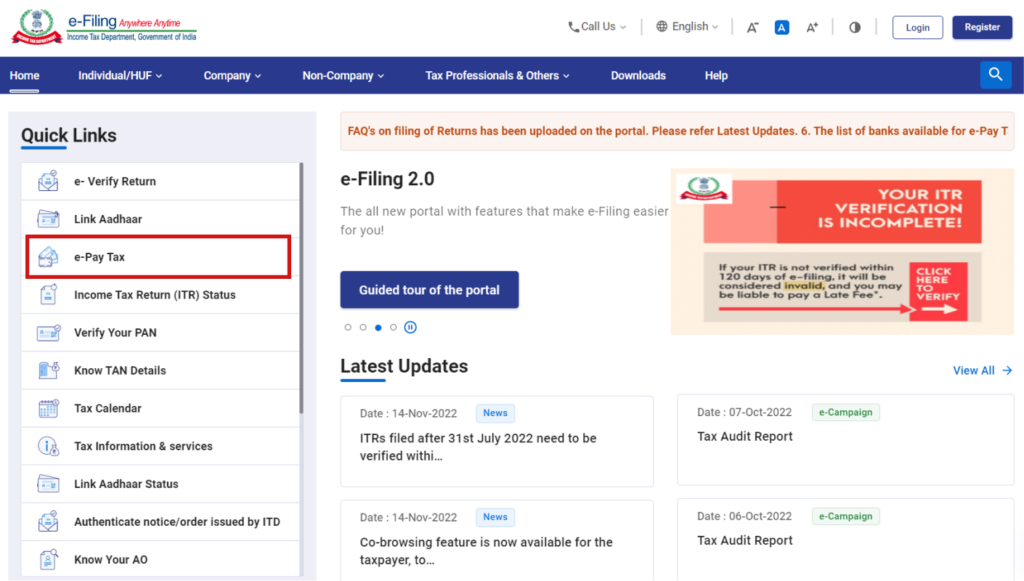
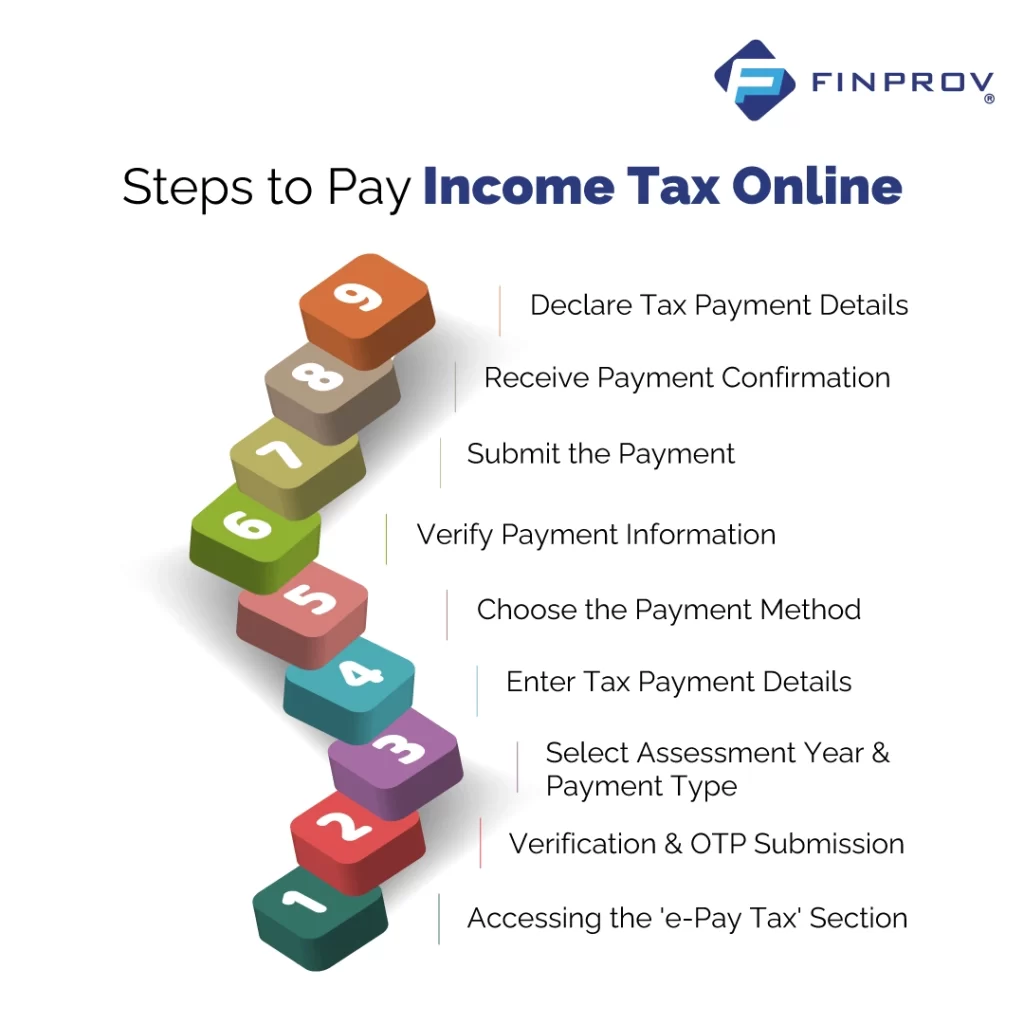
The very first step is to navigate to the official government tax portal for your jurisdiction. Avoid third-party websites unless they are officially authorized intermediaries linked directly from the government site. For example, in the US, it’s IRS.gov; in India, it’s the Income Tax Department’s e-filing portal; in the UK, it’s GOV.UK/HMRC. Bookmark the official site to prevent inadvertently landing on phishing or fraudulent websites.
Selecting the Correct Assessment/Financial Year and Tax Type
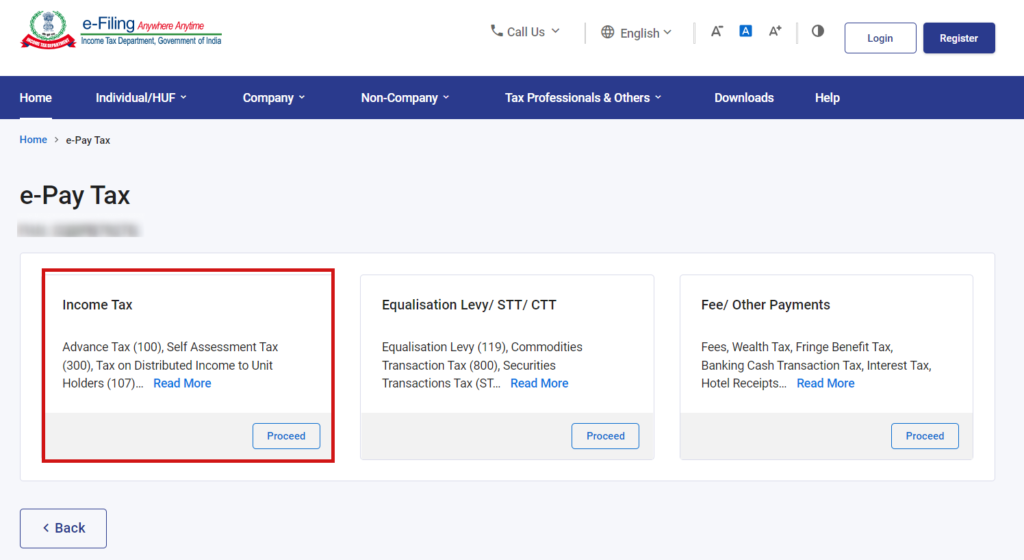
Once on the portal, locate the section for “Pay Tax Online” or “e-Pay Tax.” You will typically be prompted to select the relevant assessment year or financial year and the specific type of tax you wish to pay (e.g., self-assessment tax, advance tax, corporate tax, TDS payment). This selection is paramount for accurate financial allocation. An error here can lead to your payment being applied to the wrong period or category, causing significant financial and administrative headaches down the line.
Entering Personal and Payment Details Accurately
You will then be directed to a form where you need to input your taxpayer identification number (e.g., PAN, SSN, TIN), name, address, and the precise amount of tax due. Double-check all numerical entries—the tax amount, your identification number—for accuracy. Even a minor typo can misdirect funds or cause your payment to be unidentifiable, resulting in potential penalties despite having made the payment. This stage requires meticulous attention to detail to ensure your financial obligation is correctly registered against your identity.
Initiating the Payment and Confirmation
After verifying all details, proceed to select your preferred payment method (Net Banking, Debit Card, etc.) from the authorized gateways. You will be redirected to your bank’s secure payment portal to complete the transaction. Follow your bank’s instructions for authentication (e.g., entering your internet banking password, OTP). Upon successful payment, your bank will typically redirect you back to the tax portal, where a confirmation message will appear. This immediate feedback is a key financial benefit of online payments.
Downloading and Storing the Payment Receipt (Challan)
Crucially, after a successful payment, the tax portal will generate a digital receipt, often called a “challan” or “tax payment confirmation.” This document contains a unique transaction ID, payment amount, date, and other pertinent details. Immediately download and save this document. Store it securely, both digitally (e.g., cloud storage, dedicated tax folder on your computer) and consider printing a physical copy. This receipt is your irrefutable proof of payment and is vital for your financial records, especially during tax filing, audits, or any future discrepancies. It forms a critical part of your financial audit trail.
Best Practices for Financial Security and Compliance
While online tax payments offer immense convenience, they also necessitate a commitment to financial security and ongoing compliance. Adhering to best practices ensures not only that your tax obligations are met but also that your personal financial data remains protected.
Safeguarding Your Financial Data
The digital realm, while efficient, is not without its risks. Protecting your financial information is paramount:
- Use Strong, Unique Passwords: For your tax portal and banking accounts, employ complex passwords and consider a password manager.
- Enable Two-Factor Authentication (2FA): If available, activate 2FA for an extra layer of security on your tax portal and bank accounts.
- Beware of Phishing Scams: Tax authorities will rarely request sensitive financial information via unsolicited emails or texts. Always verify the sender and URL before clicking links.
- Use Secure Networks: Conduct online tax transactions on a private, secure internet connection, avoiding public Wi-Fi networks.
- Keep Software Updated: Ensure your operating system, browser, and antivirus software are up to date to protect against vulnerabilities.
Verifying Payment Status and Reconciliation
After making an online payment, it’s a good financial practice to re-visit the tax portal after a few business days. Most tax authorities provide a facility to check the status of your payment using the transaction ID from your receipt. Confirm that the payment is reflected against your taxpayer identification number and the correct assessment year. This reconciliation step helps catch any processing errors early, allowing you to address them before they escalate into larger financial problems or compliance issues.
Understanding Consequences of Non-Compliance
Responsible financial management includes understanding the ramifications of failing to meet tax obligations. Non-compliance, whether due to late payment, underpayment, or non-payment, can lead to severe financial consequences:
- Penalties and Interest: Tax authorities levy statutory penalties and interest charges on overdue amounts, which can significantly inflate your tax liability.
- Legal Action: In egregious cases, repeated non-compliance can lead to legal prosecution, fines, and even imprisonment.
- Audits and Scrutiny: Errors or inconsistencies can trigger tax audits, leading to extensive financial review and potential further liabilities.
- Credit Impact: Unresolved tax debts can impact your credit score and financial standing.
Proactive Tax Planning and Budgeting
The ease of online tax payments should encourage, rather than replace, proactive financial planning. Consider tax planning as an ongoing process throughout the year, not just a last-minute scramble.
- Estimate Liabilities: Regularly estimate your potential tax liability, especially if you have variable income.
- Set Aside Funds: Dedicate a portion of your income each month to a separate savings account specifically for tax payments. This ensures funds are available when tax season arrives, preventing financial strain.
- Consult a Financial Advisor: For complex financial situations or business taxes, consult a qualified tax professional or financial advisor. Their expertise can help optimize your tax position and ensure full compliance.
Conclusion
Depositing income tax online is more than just a convenience; it’s a vital component of modern financial management and responsible citizenship. By understanding the digital platforms, meticulously preparing, accurately executing the payment, and adhering to best security practices, taxpayers can ensure timely compliance, avoid financial penalties, and maintain robust financial records. Embracing this digital approach simplifies a once daunting task, transforming tax season from a period of anxiety into a manageable and secure financial process. Ultimately, mastering the art of online tax payment empowers individuals and businesses to navigate their financial obligations with greater confidence, precision, and peace of mind.
aViewFromTheCave is a participant in the Amazon Services LLC Associates Program, an affiliate advertising program designed to provide a means for sites to earn advertising fees by advertising and linking to Amazon.com. Amazon, the Amazon logo, AmazonSupply, and the AmazonSupply logo are trademarks of Amazon.com, Inc. or its affiliates. As an Amazon Associate we earn affiliate commissions from qualifying purchases.