
Paying taxes is an unavoidable aspect of financial life for individuals and businesses alike. While often perceived as a daunting task, understanding the “how-to” of tax payment is crucial for maintaining financial health, avoiding penalties, and ensuring compliance with federal, state, and local regulations. This guide demystifies the process, offering insights into understanding your obligations, strategic funding methods, various payment options, and steps to take if you find yourself unable to pay. By adopting a proactive and informed approach, you can transform tax season from a source of stress into a manageable, even strategic, component of your overall financial planning.
Understanding Your Tax Obligations and Due Dates
Before you can pay your taxes, you must first understand what you owe and when it’s due. This foundational knowledge is key to effective tax management and preventing last-minute panic or missed deadlines.
Who Needs to Pay Taxes?
Virtually everyone earning income or owning property within the United States has some form of tax obligation.
- Individuals: Most employed individuals pay income taxes through payroll withholding. However, those with significant unearned income (investments, rental properties) or who are self-employed will have additional responsibilities.
- Self-Employed Individuals and Gig Workers: If you run your own business, work as a freelancer, or participate in the gig economy, you are typically responsible for both income tax and self-employment taxes (Social Security and Medicare contributions). You don’t have an employer withholding these funds, so you must pay them yourself.
- Businesses: Corporations, partnerships, and sole proprietorships have specific tax obligations that vary based on their legal structure, profitability, and number of employees. This includes income tax, payroll taxes, and potentially excise taxes.
- Property Owners: Those who own real estate are subject to property taxes, typically assessed by local governments and paid annually or semi-annually.
Key Tax Types
Understanding the various taxes you might owe helps clarify your financial responsibilities.
- Income Tax: This is levied on your earnings from wages, salaries, investments, interest, and other sources. Both federal and most state governments collect income tax.
- Self-Employment Tax: For self-employed individuals, this combines Social Security and Medicare taxes, essentially covering the employer and employee portions.
- Property Tax: Assessed on real estate, these taxes fund local services like schools, fire departments, and infrastructure. Rates and collection methods vary significantly by locality.
- Sales Tax: While not typically paid directly to the government by consumers (it’s added to the price of goods and services by merchants), businesses are responsible for collecting and remitting it to the state.
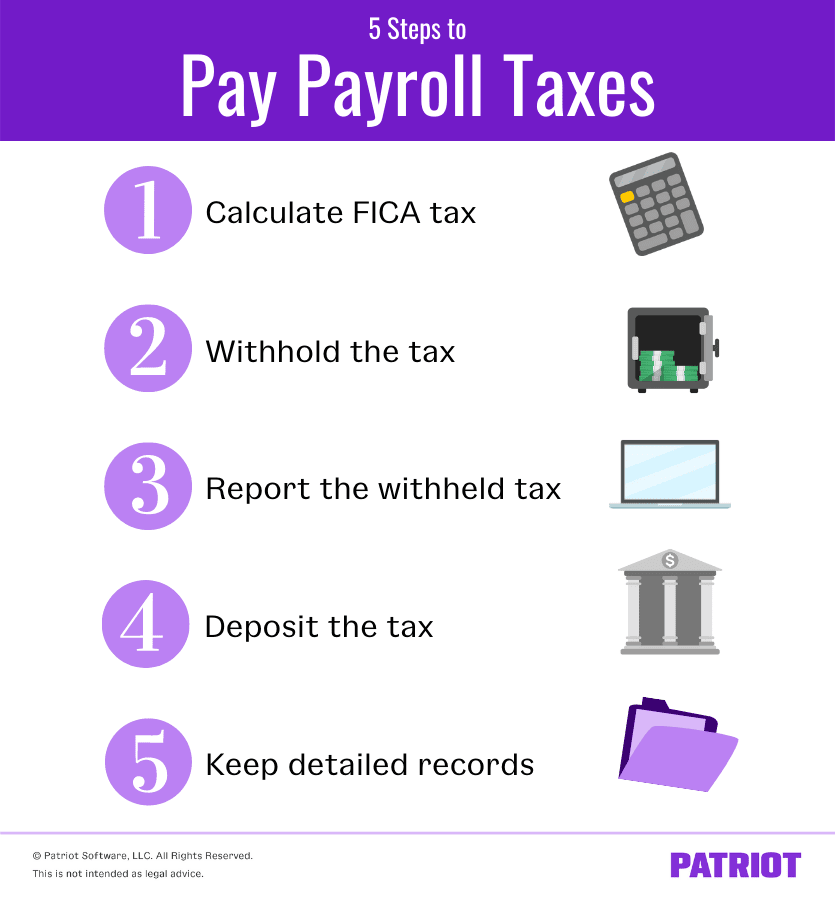
- Payroll Taxes: For businesses with employees, these include withholding federal and state income taxes from employee wages, as well as paying the employer’s share of Social Security, Medicare, and unemployment taxes.
Important Deadlines
Missing a tax deadline can result in penalties and interest, making timely payment a critical component of financial prudence.
- Tax Day (April 15th): This is the most widely known deadline, marking the due date for filing federal income tax returns and paying any taxes owed for the previous calendar year. If April 15th falls on a weekend or holiday, the deadline shifts to the next business day. Many states have similar income tax deadlines.
- Estimated Tax Payments: If you are self-employed, have substantial non-wage income, or expect to owe at least $1,000 in taxes for the year, you are generally required to pay estimated taxes quarterly. These payments are due on April 15, June 15, September 15, and January 15 of the following year.
- Extensions: If you need more time to file your tax return, you can request an extension, typically granting you an additional six months. However, an extension to file is not an extension to pay. You must still pay any estimated taxes owed by the original deadline to avoid penalties and interest.
Strategies for Funding Your Tax Bill
The most effective way to pay your taxes is to ensure you have the funds available when the bill comes due. This requires proactive planning and disciplined financial habits.
The Power of Proactive Savings
The simplest and least stressful method for paying taxes is to save for them throughout the year.
- Dedicated Savings Accounts: Open a separate savings account specifically for taxes. Automate transfers from your checking account into this tax savings account with each paycheck or as income comes in. This creates a dedicated fund that isn’t easily commingled with everyday expenses.
- Emergency Funds: While a dedicated tax fund is ideal, a robust emergency fund can act as a critical safety net if an unexpected tax bill arises or if your specific tax savings fall short. However, relying solely on an emergency fund for taxes should be avoided, as it could deplete funds needed for true emergencies.
Estimated Tax Payments for the Self-Employed and Gig Workers
For those without traditional employer withholding, estimated tax payments are essential.
- Quarterly Payments: Based on your anticipated income and deductions for the year, calculate and pay your estimated taxes every quarter. The IRS Form 1040-ES helps you calculate these amounts. Failing to pay enough estimated tax throughout the year can result in underpayment penalties.
- Adjusting Estimates: Life and business circumstances change. Review your income and expenses periodically (e.g., mid-year) and adjust your estimated tax payments accordingly. If your income increases significantly, you may need to increase your quarterly payments. If it decreases, you can lower them.
Withholding Adjustments for W-2 Employees
If you are an employee, your employer withholds taxes from each paycheck. You can control this withholding amount.
- Review Your W-4 Form: Use the IRS Tax Withholding Estimator tool online and review your Form W-4 annually, especially after major life events (marriage, birth of a child, new job). Adjusting your withholding can help prevent a large tax bill at year-end or avoid overpaying and receiving a large refund (which essentially means giving the government an interest-free loan).
- Aim for “Zero” or a Small Refund: Many financial experts recommend adjusting your withholding so that you neither owe a substantial amount nor receive a large refund. This ensures you have more of your money throughout the year, rather than waiting for it at tax time.
Utilizing Tax-Advantaged Accounts
While not a direct method for paying taxes, these accounts can reduce your overall taxable income, thereby lowering your tax liability.
- 401(k)s and Traditional IRAs: Contributions to these retirement accounts are often tax-deductible, reducing your current year’s taxable income. This means you might owe less in taxes in the present.
- Health Savings Accounts (HSAs): If eligible, contributions to an HSA are tax-deductible, grow tax-free, and withdrawals for qualified medical expenses are also tax-free. This triple tax advantage can significantly lower your taxable income.
Handling Unexpected Tax Bills
Sometimes, despite best efforts, an unexpected tax bill may arise.
- Budgeting and Asset Liquidation: If the bill is manageable, adjust your current budget to free up funds. For larger amounts, consider liquidating non-essential assets (e.g., investments not earmarked for retirement, luxury items) if the tax implications of doing so are favorable.
- Payment Plans: If you truly cannot afford to pay, do not ignore the issue. The IRS and most state tax agencies offer various payment options, which are far better than doing nothing.
Methods for Making Your Tax Payments
Once you know how much you owe and have the funds ready, the next step is to choose a payment method. The IRS and state tax agencies offer several convenient options.
Direct Pay via IRS.gov (and State Equivalents)
This is one of the most popular and secure methods for individuals.
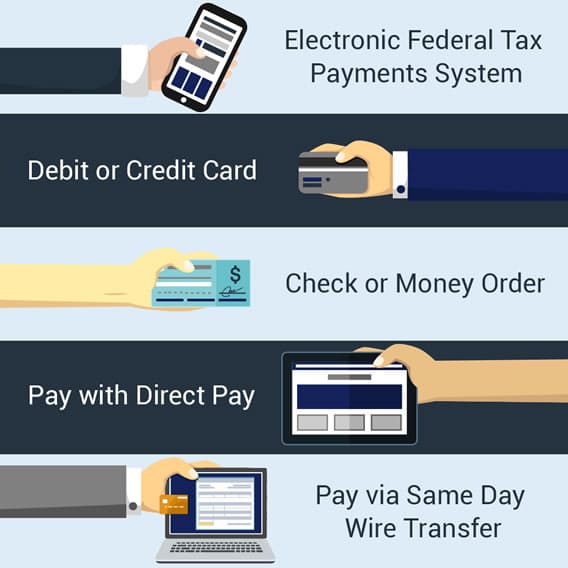
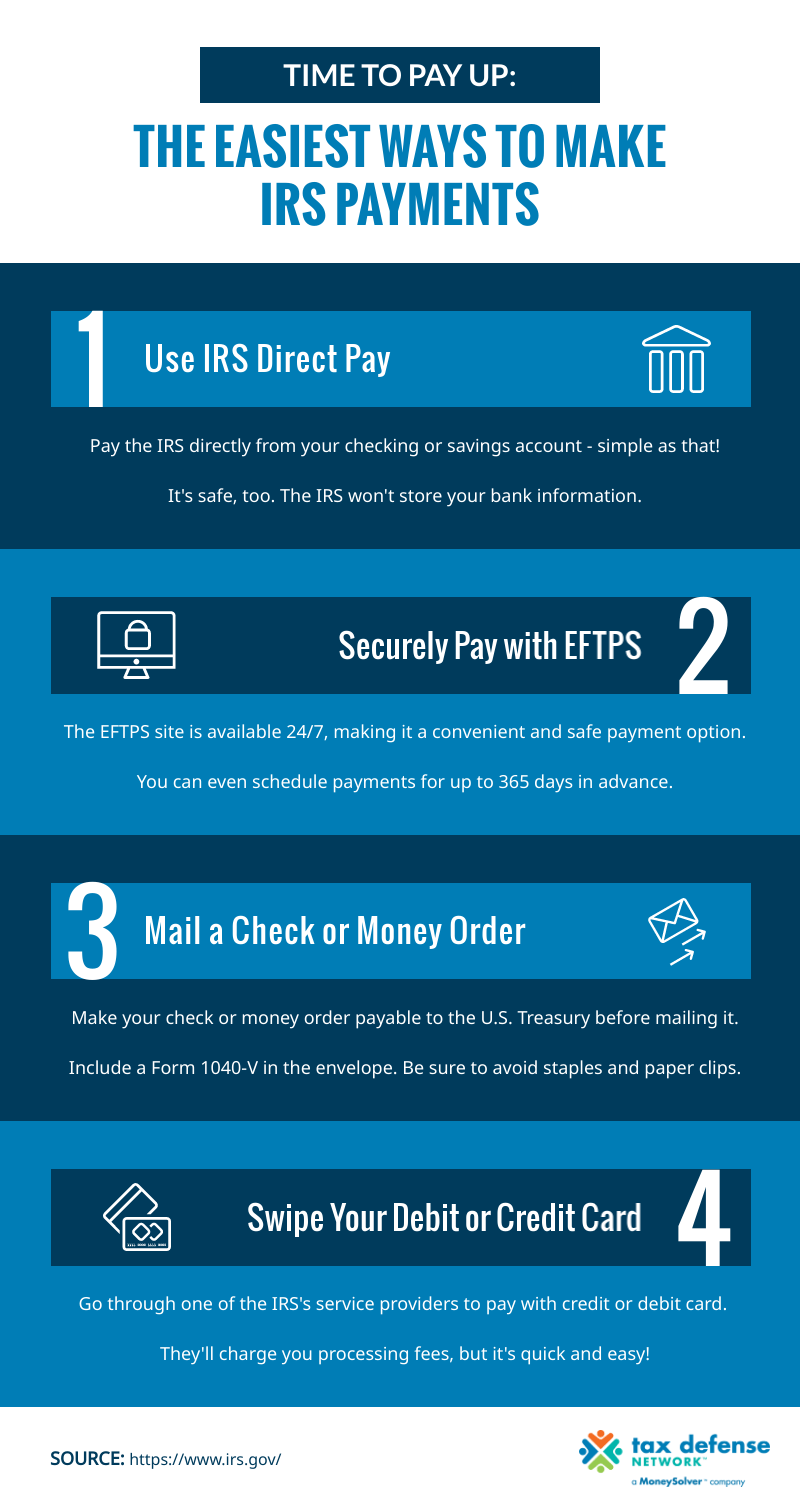
- IRS Direct Pay: Allows you to pay your federal taxes directly from your checking or savings account for free. You can schedule payments up to 365 days in advance and receive immediate confirmation. This option is available for Form 1040 series, estimated taxes, and other tax types. Most states offer a similar direct debit option through their respective tax websites.
Electronic Funds Withdrawal (EFW) During E-Filing
When you prepare and file your federal or state tax return electronically, you can often opt to have your payment withdrawn directly from your bank account on a specified date.
- Convenience: This integrates the payment process seamlessly with filing your return. You specify the withdrawal date (up to the due date), and the funds are automatically debited. This is often the default option when using tax software.
Credit Card, Debit Card, or Digital Wallet Payments
This method offers convenience and the potential to earn rewards, but comes with fees.
- Third-Party Processors: The IRS (and most states) use approved third-party payment processors to handle credit card, debit card, and digital wallet payments (e.g., PayPal). These processors charge a convenience fee, which varies but is typically a percentage of the payment amount for credit cards, and a flat fee for debit cards.
- Considerations: Weigh the convenience fee against any credit card rewards you might earn. This option can also be useful for short-term cash flow management, but be wary of accruing high-interest debt if you can’t pay off the credit card balance quickly.
Payment via Mail (Check or Money Order)
The traditional method is still available, though less common due to electronic options.
- Check or Money Order: You can mail a check or money order made out to “U.S. Treasury” (for federal taxes) or the relevant state agency. Ensure you include the appropriate payment voucher (e.g., Form 1040-V for federal taxes) and write your Social Security number or EIN, tax year, and form number on the memo line of your check.
- Mailing Address: Use the correct mailing address provided by the IRS or your state tax agency, which varies based on your location and the form being filed. Mail early to ensure it’s postmarked by the deadline.
Other Options
- Electronic Federal Tax Payment System (EFTPS): This free online service is primarily for businesses to make federal tax payments (estimated taxes, payroll taxes, excise taxes). It allows scheduling payments up to 365 days in advance.
- Cash Payments: While less common for the general public, the IRS does have retail partners that accept cash payments. This typically involves using a payment slip generated online.
What to Do If You Can’t Afford to Pay Your Taxes
Facing a tax bill you can’t afford can be stressful, but ignoring it is the worst possible approach. The IRS and state tax agencies have mechanisms in place to help taxpayers who are genuinely struggling.
IRS Payment Plans
The IRS offers several options if you can’t pay your federal tax liability in full by the due date.
- Short-Term Payment Plan: This allows you up to 180 days to pay your tax liability in full, though interest and penalties still apply. You can often request this online or by phone.
- Offer in Compromise (OIC): An OIC allows certain taxpayers to resolve their tax liability with the IRS for a lower amount than what they originally owe. This is typically an option when you are facing significant financial hardship and paying the full amount would create economic hardship. The IRS will consider your ability to pay, income, expenses, and asset equity.
- Installment Agreement: This allows you to make monthly payments for up to 72 months (6 years). You can apply online, by phone, or by mail. While interest and penalties still accrue, entering an installment agreement can prevent the IRS from taking more severe collection actions, such as levies or liens.
State-Specific Options and Resources
Just like the IRS, most state tax agencies offer various payment plans and hardship programs.
- Check Your State’s Department of Revenue: Visit your state’s official tax website to understand their specific options for payment plans, offers in compromise, or other relief programs. The procedures and eligibility criteria can differ significantly from federal programs.
Avoiding Penalties and Interest
Even if you can’t pay, always file your tax return on time.
- Failure-to-File vs. Failure-to-Pay: The penalty for failing to file on time (5% of the unpaid taxes for each month or part of a month that a tax return is late, up to 25% of your unpaid taxes) is significantly higher than the penalty for failing to pay on time (0.5% of the unpaid taxes for each month or part of a month, up to 25% of your unpaid taxes). By filing on time, even if you can’t pay, you avoid the larger failure-to-file penalty.
- Interest: Interest accrues on any unpaid tax from the due date of the return until the date of payment, regardless of whether you have an extension or a payment plan.
Seeking Professional Help
If your tax situation is complex or if you’re struggling to navigate payment options, professional assistance can be invaluable.
- Tax Professionals: Enrolled Agents (EAs), Certified Public Accountants (CPAs), and tax attorneys can provide guidance, help negotiate with tax authorities, and represent you in tax matters.
- Financial Advisors: A financial advisor can help you integrate tax planning into your broader financial strategy, ensuring you are adequately saving for future tax liabilities and making tax-efficient financial decisions.
Long-Term Financial Planning to Ease Future Tax Burdens
Paying taxes should not be a one-time annual scramble but an ongoing process integrated into your financial life. Proactive, long-term planning can significantly reduce stress and optimize your financial outcomes.
Maximizing Deductions and Credits
Understanding and utilizing all available tax deductions and credits is fundamental to lowering your tax bill.
- Keep Meticulous Records: Maintain organized records of all income, expenses, donations, medical bills, and other financial transactions throughout the year. This ensures you can claim all eligible deductions.
- Stay Informed: Tax laws change. Regularly review IRS publications, consult with tax professionals, or use up-to-date tax software to ensure you’re aware of new deductions or credits you might qualify for. Common deductions include mortgage interest, student loan interest, and contributions to traditional IRAs. Credits, like the Child Tax Credit or Earned Income Tax Credit, directly reduce your tax liability dollar-for-dollar.
Smart Investing Strategies for Tax Efficiency
How you invest can have a profound impact on your tax obligations.
- Tax-Advantaged Accounts: As discussed, maximizing contributions to 401(k)s, IRAs (Traditional or Roth), and HSAs can reduce current or future tax burdens.
- Tax-Loss Harvesting: Selling investments at a loss to offset capital gains and a limited amount of ordinary income can be a strategic move.
- Municipal Bonds: Interest from municipal bonds is often exempt from federal income tax and sometimes state and local taxes, making them attractive for high-income earners.
- Asset Location: Strategically placing different types of investments (e.g., growth stocks in Roth accounts, bonds in tax-deferred accounts) can optimize tax efficiency.
Regular Financial Reviews and Adjustments
Your financial life is dynamic, and your tax strategy should be too.
- Annual Check-ins: Conduct an annual review of your income, expenses, investments, and life events (marriage, children, new job, retirement) to assess their impact on your tax situation.
- Update Withholding/Estimates: Adjust your W-4 or estimated tax payments if your income or deductions change significantly.
- Budget for Taxes: Incorporate tax savings into your regular budget, treating it as a non-negotiable expense.
Building a Strong Financial Foundation
Ultimately, the ability to pay for taxes without undue stress is a byproduct of overall sound financial management.
- Budgeting and Saving: A well-managed budget and consistent savings habits provide the liquidity needed for tax payments.
- Debt Management: Minimizing high-interest debt frees up cash flow that can be allocated to tax savings or investments.
- Financial Education: Continuously educating yourself about personal finance and tax laws empowers you to make informed decisions.
Paying taxes is an integral part of being a financially responsible individual or business. By understanding your obligations, employing smart saving and payment strategies, and knowing your options if you face difficulties, you can navigate the tax landscape confidently. Proactive planning, leveraging financial tools, and seeking professional advice when needed will not only ensure compliance but also contribute significantly to your broader financial well-being, transforming tax season from a dreaded obligation into a manageable financial task.
aViewFromTheCave is a participant in the Amazon Services LLC Associates Program, an affiliate advertising program designed to provide a means for sites to earn advertising fees by advertising and linking to Amazon.com. Amazon, the Amazon logo, AmazonSupply, and the AmazonSupply logo are trademarks of Amazon.com, Inc. or its affiliates. As an Amazon Associate we earn affiliate commissions from qualifying purchases.