
For investors, analysts, and anyone following the dynamic world of technology and finance, the earnings release of a company like NVIDIA is a highly anticipated event. More than just a quarterly report, it’s a critical moment that can send ripples across global markets, dictating short-term stock movements and often setting the tone for broader industry trends. Understanding when and how NVIDIA, a titan in AI, graphics, and data center technology, unveils its financial performance is paramount for making informed investment decisions. This article delves into the intricacies of NVIDIA’s earnings schedule, what to look for in these reports, and the broader financial implications for savvy investors.
The Significance of NVIDIA’s Earnings Reports
NVIDIA is not just another chipmaker; it’s a foundational pillar in several of the most transformative technologies of our time, including artificial intelligence, high-performance computing, and immersive gaming. Its financial health and future outlook are therefore indicative of broader economic and technological currents.
Why Investors Watch NVIDIA So Closely
NVIDIA’s prominence stems from its dominance in specialized hardware critical for AI development and deployment. Its GPUs are the backbone of data centers worldwide, powering everything from large language models to scientific simulations. This central role has propelled its market capitalization to staggering heights, making it one of the most valuable companies globally. Consequently, its earnings reports are scrutinized for several reasons:
- Market Leadership: NVIDIA’s performance is often seen as a bellwether for the semiconductor industry and the broader AI revolution. Strong results from NVIDIA can signal robust demand across the tech sector, while a miss might suggest underlying challenges.
- Growth Trajectory: Investors are constantly seeking companies with sustainable growth, and NVIDIA has consistently delivered, driven by innovations in its data center, gaming, professional visualization, and automotive segments. Earnings calls provide insights into where the next wave of growth will come from.
- Volatility and Opportunity: Due to its high-growth nature and significant institutional ownership, NVIDIA’s stock is known for its volatility around earnings releases. This presents both opportunities and risks for investors and traders looking to capitalize on price movements.
- Macroeconomic Indicator: As a global supplier, NVIDIA’s sales figures and guidance can reflect broader macroeconomic conditions, supply chain health, and international demand for advanced technology.
Understanding Earnings Season
Earnings season is a designated period, typically lasting several weeks after each fiscal quarter ends, during which publicly traded companies release their financial results. For NVIDIA, like most companies, this occurs four times a year. These reports typically include an income statement, balance sheet, and statement of cash flows, along with management commentary and forward-looking guidance.
The cadence of earnings season is crucial for investors. It’s a time of intense research, analysis, and often, significant market re-evaluations. For high-profile stocks like NVIDIA, the release is often preceded by analyst estimates and speculation, and followed by immediate market reactions as investors digest the actual numbers against expectations.
Deciphering NVIDIA’s Earnings Release Schedule
Pinpointing the exact moment NVIDIA will release its earnings is crucial for investors who want to be prepared. While the specific date and time shift each quarter, there’s a predictable pattern to how companies announce these events.
Typical Release Pattern
Most companies, including NVIDIA, tend to release their quarterly earnings either after the market closes (AMC) or before the market opens (BMO). This timing strategy is employed to allow market participants ample time to digest the information and prevent undue volatility during active trading hours. An after-market close release typically leads to the stock reacting in after-hours trading and then having a more pronounced move the following day. A before-market open release allows for pre-market trading reactions and a similar pronounced move once the regular trading session begins.
For NVIDIA, specifically, earnings typically fall within a few weeks of the fiscal quarter’s end. For instance, Q4 earnings (which often align with the calendar year-end) are usually released in February. Q1 earnings would then follow in May, Q2 in August, and Q3 in November. The exact day within that window can vary from year to year.
How to Find the Exact Time and Date
To get the precise details for an upcoming NVIDIA earnings release, investors should consult primary and reputable secondary sources:
- NVIDIA Investor Relations Website: This is the most reliable source. NVIDIA’s official investor relations page will post the exact date and time, often weeks in advance, along with details for the subsequent conference call and webcast. You can usually find this by searching “NVIDIA Investor Relations” or “NVIDIA Earnings Date.”
- Financial News Outlets: Major financial news organizations (e.g., Bloomberg, Reuters, The Wall Street Journal, CNBC, Yahoo Finance) closely track earnings calendars and will report NVIDIA’s scheduled release date as soon as it’s announced.
- Financial Data Providers & Calendars: Platforms like NASDAQ, FactSet, Refinitiv, and even brokerage firm platforms offer comprehensive earnings calendars that list upcoming releases, including those for NVIDIA. These are excellent tools for tracking multiple companies.
- SEC Filings: While less immediate for the announcement of the date, the actual earnings report itself (Form 10-Q for quarterly, 10-K for annual) will be filed with the U.S. Securities and Exchange Commission (SEC) and is publicly available on the EDGAR database.
Always cross-reference information from multiple sources to ensure accuracy, especially as dates can occasionally be subject to minor changes.
Pre-Market vs. After-Market Releases
The timing choice by NVIDIA (or any company) has practical implications for investors:
- After-Market Close (AMC) Release:
- Pros: Gives investors and analysts several hours to review the report and prepare questions for the conference call, which usually follows shortly after the release. It can lead to significant movement in after-hours trading.
- Cons: Less liquidity in after-hours trading can exacerbate price swings, making it challenging for individual investors to execute trades at desired prices.
- Before-Market Open (BMO) Release:
- Pros: Allows investors to react in pre-market trading, and by the time the regular market opens, much of the initial volatility may have subsided, or new consensus might have formed.
- Cons: Less time to digest complex reports before the main trading session begins, potentially leading to knee-jerk reactions.
Understanding NVIDIA’s typical pattern can help investors prepare their trading strategies or simply brace for potential market shifts.
What to Look For in NVIDIA’s Earnings Report
An earnings report is more than just a single number; it’s a mosaic of financial data, operational insights, and forward-looking statements. For NVIDIA, dissecting these components is crucial for a comprehensive understanding of its performance and future prospects.
Key Financial Metrics
While a report contains numerous figures, several key metrics demand immediate attention:
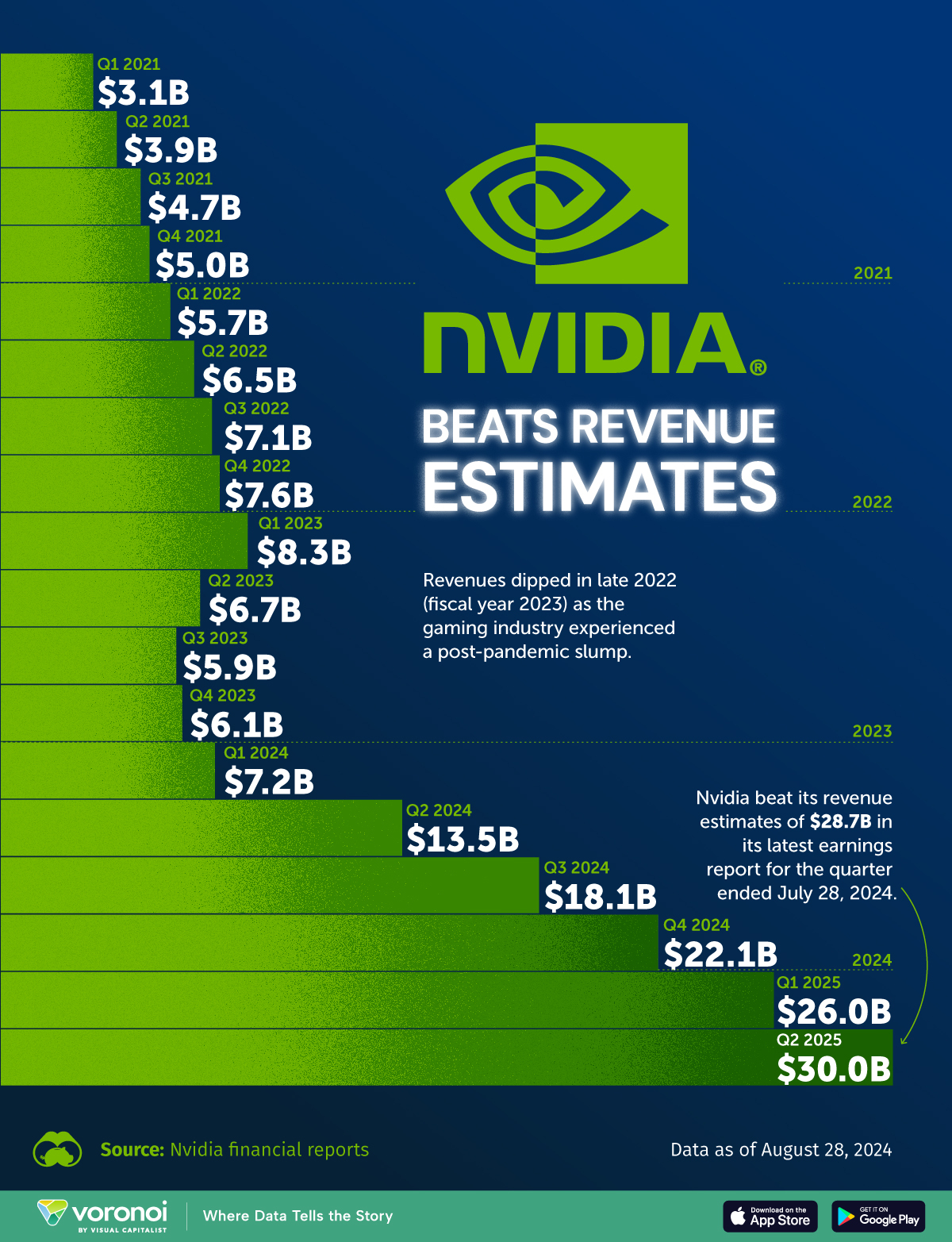
- Revenue: The total sales generated by NVIDIA during the quarter. This is often compared to analyst estimates and the company’s own prior guidance. Strong revenue growth signals robust demand for its products and services.
- Earnings Per Share (EPS): This figure represents the portion of a company’s profit allocated to each outstanding share of common stock. Investors often focus on Non-GAAP EPS, which excludes certain one-time or non-cash expenses, to get a clearer picture of operational profitability. Both actual EPS and the beat/miss against analyst consensus are critical.
- Gross Margin: This percentage indicates how much profit NVIDIA makes from each dollar of sales after accounting for the cost of goods sold. A strong or improving gross margin signals pricing power and efficient production. Given NVIDIA’s premium products, a high gross margin is expected.
- Net Income: The “bottom line” profit after all expenses, including taxes, have been deducted.
- Operating Expenses: Includes R&D, sales and marketing, and general and administrative costs. Monitoring these helps understand NVIDIA’s investment in future growth and operational efficiency.
- Cash Flow: Especially free cash flow (operating cash flow minus capital expenditures), which indicates how much cash the company generates after covering its operational needs and investments. This is a vital sign of financial health and capacity for dividends, share buybacks, or debt reduction.
Segment Performance
NVIDIA’s diversified business model means investors need to look beyond aggregate numbers and delve into the performance of its individual segments:
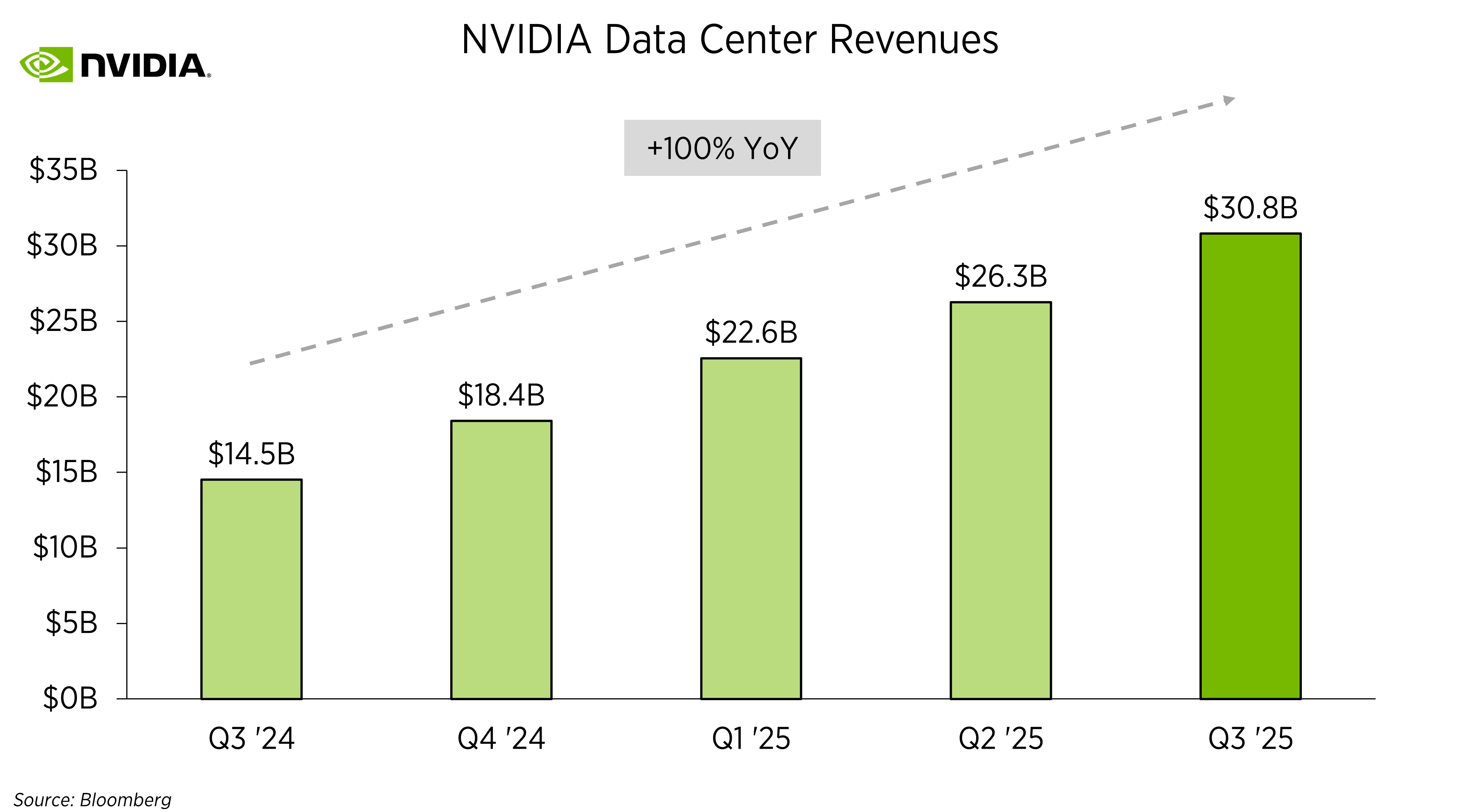
- Data Center: This has been NVIDIA’s primary growth engine, driven by AI and high-performance computing. Investors scrutinize revenue growth, order backlogs, and future product roadmaps within this segment, as it directly reflects the demand for AI infrastructure.
- Gaming: Historically NVIDIA’s largest segment, it includes GPUs for consumer PCs and consoles. While still significant, its growth can be cyclical. Investors look at demand trends, average selling prices, and new product launches (like the RTX series).
- Professional Visualization: This segment caters to workstations and professional applications like design, engineering, and content creation. Stable performance here indicates robust enterprise demand.
- Automotive: While smaller in revenue, this segment is highly strategic, focusing on AI platforms for autonomous vehicles. Investors watch for design wins, partnerships, and progress in self-driving technology.
Understanding the relative contributions and growth rates of these segments provides a nuanced view of NVIDIA’s business momentum.
Guidance and Forward-Looking Statements
Perhaps even more impactful than past results is NVIDIA management’s guidance for the upcoming quarter or fiscal year. This forward-looking outlook often dictates market reaction more than a beat or miss on past earnings.
- Revenue Guidance: Management’s projection for sales in the next period.
- Gross Margin Guidance: Their outlook for profitability.
- Operating Expense Guidance: Expected investment levels.
Accompanying the guidance are often statements about industry trends, product roadmaps, supply chain outlook, and strategic priorities during the earnings conference call. Investors should pay close attention to the tone, any significant changes in strategy, and management’s answers during the Q&A session, as these provide crucial context for future performance. Discrepancies between analyst expectations and management’s guidance can cause significant stock price movements.
Strategies for Investing Around NVIDIA’s Earnings
NVIDIA’s earnings reports are magnet for market activity, leading to heightened volatility. Investors adopt various strategies to navigate these periods, depending on their risk tolerance and investment horizon.
The Volatility Factor
It’s a well-established phenomenon that stocks, especially high-growth technology companies like NVIDIA, experience increased price fluctuations in the days leading up to and immediately following an earnings release. This volatility stems from the uncertainty surrounding the actual numbers compared to analyst and investor expectations, and the subsequent rush to adjust positions.
- Pre-Earnings Run-up/Sell-off: Speculation often drives prices up or down before the report.
- Post-Earnings Gap: The stock often opens significantly higher or lower the day after an earnings release, creating a “gap” on the chart, as the market rapidly reprices the company based on the new information.
- Overreactions: Initial market reactions can be overblown, sometimes presenting opportunities for contrarian investors as the dust settles.
Investor Approaches
Different investors will approach NVIDIA earnings with distinct strategies:
- Long-Term Holding (Fundamental Investors): These investors focus on NVIDIA’s long-term growth story, technological leadership, and fundamental business strength. They may acknowledge the short-term volatility but generally avoid making significant trades around earnings. Their focus is on the company’s multi-year trajectory, technological advancements, and market dominance, rather than quarterly fluctuations. They might use a dip following an earnings miss as a buying opportunity if their long-term thesis remains intact.
- Short-Term Trading (Swing Traders/Options Traders): These investors actively seek to profit from the increased volatility around earnings.
- Options Strategies: Using options like straddles or strangles to profit from large price movements in either direction, or buying calls/puts outright to bet on a specific directional move. However, options trading carries significant risk, especially due to implied volatility crushing after the event.
- Pre-Earnings Positioning: Attempting to anticipate the earnings outcome and taking a directional bet before the release. This is highly speculative and risky.
- Post-Earnings Reaction Trading: Waiting for the release and trading the immediate reaction, either participating in the trend or fading an overreaction.
- Event-Driven Investors: These investors might build a position well ahead of earnings based on industry trends or specific product cycles, planning to exit shortly after the release, regardless of the outcome, to avoid prolonged exposure to uncertainty.
Risk Management and Due Diligence
Regardless of the strategy employed, risk management is paramount when dealing with earnings season volatility.
- Thorough Research: Don’t rely on rumors or headlines. Dive into the company’s financials, understand its market position, and listen to the earnings call.
- Position Sizing: Never allocate more capital than you can afford to lose, especially for speculative short-term trades.
- Diversification: A well-diversified portfolio helps mitigate the impact of any single stock’s earnings volatility.
- Stop-Loss Orders: For shorter-term trades, using stop-loss orders can help limit potential losses if the market moves against your position.
- Patience: Sometimes, the best strategy is to wait for the initial volatility to subside and a clearer picture to emerge before making a move.
The Broader Economic Context and NVIDIA
NVIDIA’s performance, while driven by its internal innovation and execution, is not immune to the broader economic environment. Macroeconomic forces and the competitive landscape play a significant role in shaping its financial narrative.
Macroeconomic Headwinds and Tailwinds
Global economic conditions can profoundly influence NVIDIA’s various business segments:
- Interest Rates and Inflation: Higher interest rates can increase borrowing costs for businesses, potentially slowing down investments in data centers and other capital-intensive projects. Inflation can impact the cost of components and manufacturing, affecting gross margins.
- Supply Chain Resilience: As a global manufacturer, NVIDIA is sensitive to supply chain disruptions, geopolitical tensions, and trade policies. Any interruptions can affect production, lead times, and ultimately, revenue.
- Consumer Spending: The gaming segment is particularly susceptible to changes in consumer discretionary spending, which can be impacted by economic downturns or recessions.
- Geopolitical Factors: Global trade relations, particularly between the U.S. and China, can directly impact NVIDIA’s ability to sell its advanced chips in key markets, as seen with export restrictions.
- Currency Fluctuations: As a multinational company, NVIDIA’s reported earnings can be affected by the strength or weakness of the U.S. dollar against other major currencies.
Understanding these broader forces helps investors put NVIDIA’s quarterly performance into perspective and assess its resilience or vulnerability.

Competitive Landscape and Innovation
NVIDIA operates in a highly competitive and rapidly evolving industry. While it holds a dominant position in several niches, continuous innovation is essential to maintain its edge:
- AMD & Intel: Direct competitors in GPUs (AMD) and CPUs (Intel), both of whom are increasingly focusing on AI-specific hardware and integrated solutions.
- Cloud Providers’ Custom Silicon: Major cloud service providers (AWS, Google, Microsoft) are investing heavily in developing their own custom AI chips (e.g., AWS Inferentia, Google TPU) to reduce reliance on third-party vendors, posing a long-term competitive threat.
- Startups: A vibrant ecosystem of AI hardware startups is constantly emerging, pushing the boundaries of specialized silicon.
NVIDIA’s ability to consistently innovate, expand its software ecosystem (CUDA, Omniverse), and form strategic partnerships is crucial for fending off competition and securing its future growth. Earnings calls often provide updates on R&D initiatives, new product launches, and strategic collaborations, which are vital indicators of its long-term competitive health.
NVIDIA’s earnings releases are pivotal moments that encapsulate the company’s financial performance, strategic direction, and market outlook. For those operating within the “Money” sphere—whether as personal investors, financial analysts, or business strategists—understanding “what time does NVIDIA release earnings” is merely the starting point. The real value lies in the meticulous dissection of the report, comprehending the underlying financial metrics, segment performance, and forward-looking guidance, all within the context of the broader economic and competitive landscape. By approaching these events with thorough research, a clear understanding of risk, and a discerning eye, investors can make more informed decisions and navigate the exciting, yet volatile, world of NVIDIA and the markets it influences.
aViewFromTheCave is a participant in the Amazon Services LLC Associates Program, an affiliate advertising program designed to provide a means for sites to earn advertising fees by advertising and linking to Amazon.com. Amazon, the Amazon logo, AmazonSupply, and the AmazonSupply logo are trademarks of Amazon.com, Inc. or its affiliates. As an Amazon Associate we earn affiliate commissions from qualifying purchases.