
In the dynamic landscape of digital entertainment and smart home technology, the NVIDIA SHIELD stands out as a remarkably versatile and powerful device. More than just a simple streaming box, it represents NVIDIA’s ambitious foray into the living room, merging high-performance gaming, premium media streaming, and intelligent smart home capabilities into a single, cohesive platform. For many tech enthusiasts and casual users alike, the NVIDIA SHIELD has become the undisputed benchmark for Android TV devices, consistently delivering a superior user experience years after its initial launch.
At its core, the NVIDIA SHIELD is an Android TV-powered media streamer, but that description barely scratches the surface of its true potential. It’s an entertainment hub designed for those who demand uncompromising quality, whether they are indulging in cinematic 4K HDR content, engaging in a high-fidelity gaming session, or managing their smart home ecosystem with voice commands. This article delves into what makes the NVIDIA SHIELD a unique and enduring force in consumer electronics, exploring its evolution, key features, and the distinct advantages it offers over competitors.
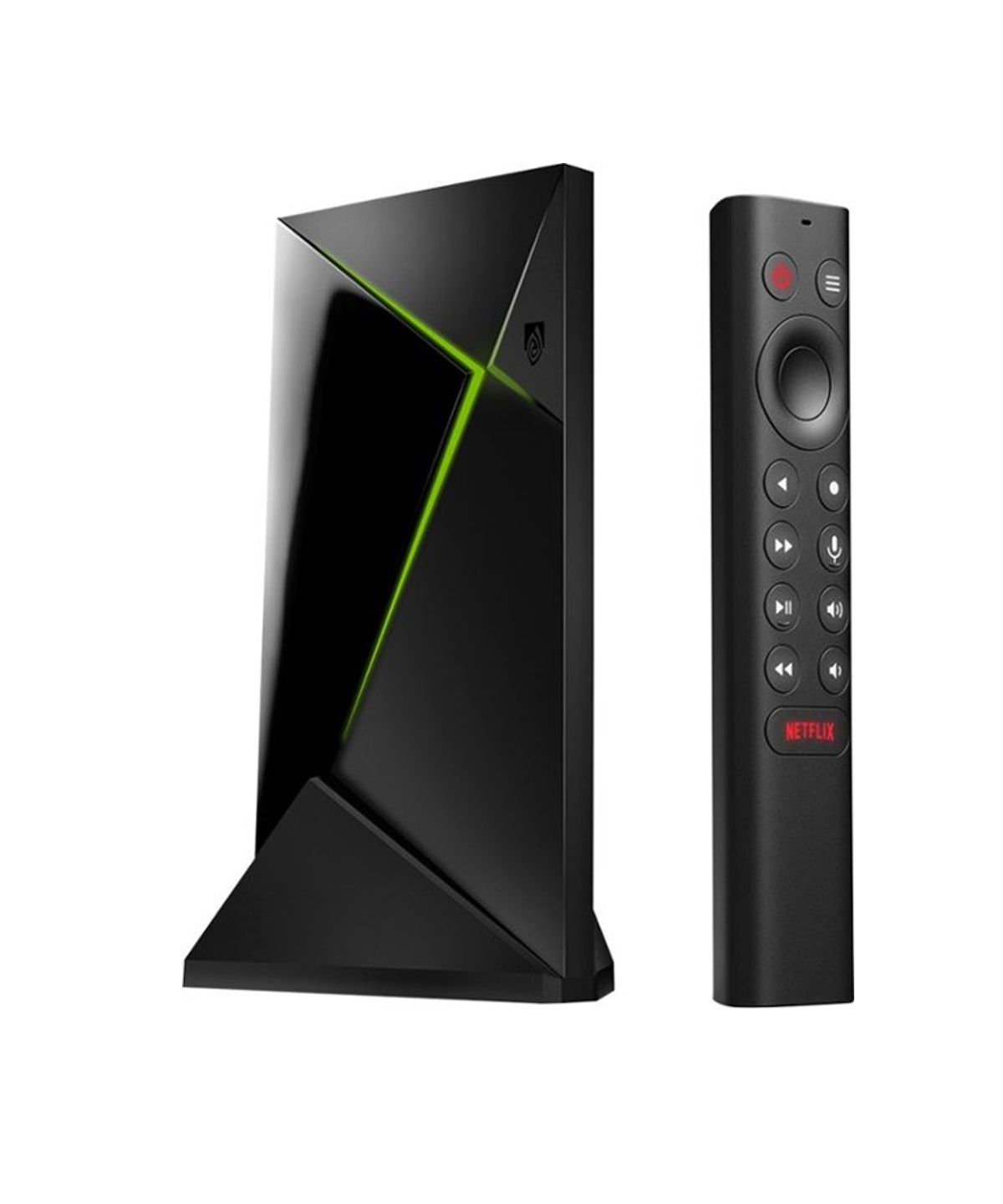
The Evolution of a Versatile Entertainment Device
The journey of the NVIDIA SHIELD began not as a set-top box, but as a series of innovative portable and tablet gaming devices. NVIDIA, a company primarily known for its groundbreaking graphics processing units (GPUs) that power everything from high-end gaming PCs to data centers, recognized an opportunity to bring its formidable processing power to new form factors. This initial experimentation laid the groundwork for the more successful and enduring SHIELD TV line.
Genesis of the SHIELD Family
The original NVIDIA SHIELD Portable, launched in 2013, was a clamshell-design handheld console running Android, featuring an integrated controller and NVIDIA’s Tegra 4 processor. It was an ambitious attempt to bridge mobile gaming with console-like experiences, even offering streaming from compatible NVIDIA-powered PCs. This was followed by the SHIELD Tablet in 2014, a more traditional Android tablet that nonetheless emphasized gaming with an optional controller and the more powerful Tegra K1 chip. These early devices, while niche, demonstrated NVIDIA’s commitment to delivering high-performance computing in consumer-friendly packages and introduced the concept of game streaming through GeForce NOW (then called NVIDIA GRID).
SHIELD TV: The Core of Home Entertainment
The real breakthrough came with the launch of the NVIDIA SHIELD Android TV in 2015. This device reimagined the concept of a home media streamer by infusing it with console-grade processing power. It was designed from the ground up to be a premium Android TV experience, supporting 4K video playback, high-resolution audio, and a robust gaming platform. Unlike typical streaming sticks or boxes, the SHIELD TV was built with a potent Tegra X1 processor, allowing it to handle demanding applications, process high-bitrate media, and even run advanced emulators with ease.
Its focus wasn’t just on raw power; it was also about the ecosystem. NVIDIA partnered closely with Google for the Android TV platform, ensuring a fluid user interface and access to a vast array of apps. The SHIELD TV quickly garnered a reputation for its smooth performance, excellent media codec support, and long-term software updates, which kept it relevant and competitive for years.
Beyond Gaming: A Media Powerhouse
While gaming was a significant initial draw, NVIDIA quickly understood that the SHIELD TV’s appeal extended far beyond just gamers. Its powerful hardware made it an ideal device for media enthusiasts. It could effortlessly stream content from popular services like Netflix, Amazon Prime Video, Disney+, and Hulu in stunning 4K HDR. Crucially, it supported high-fidelity audio formats like Dolby Atmos and DTS-X passthrough, making it a favorite among home theater aficionados.
Furthermore, its integration with Plex Media Server allowed users to host their personal media libraries directly on the SHIELD TV, transforming it into a complete home entertainment hub. The flexibility of Android TV also meant users could sideload applications, further expanding its utility for specific niche use cases, such as IPTV or advanced media management. This evolution from a gaming-centric device to a comprehensive media and smart home hub solidified its position in the market.
Key Features and Capabilities of NVIDIA SHIELD TV
The enduring popularity of the NVIDIA SHIELD TV is largely attributable to its rich set of features and its commitment to delivering a premium user experience. These capabilities set it apart from most competitors in the streaming device market.
Powerful NVIDIA Tegra Processors
At the heart of every NVIDIA SHIELD TV is a custom-designed NVIDIA Tegra processor. The original 2015 and 2017 models featured the Tegra X1, while the 2019 models were upgraded to the more powerful Tegra X1+. This chip is significantly more capable than the processors found in typical streaming sticks, providing the horsepower needed for smooth 4K HDR playback, responsive app performance, and demanding gaming experiences. This processing prowess ensures a lag-free interface and the ability to run multiple applications without slowdowns.
Unparalleled 4K HDR Streaming
The SHIELD TV excels at delivering the highest quality streaming experience. It supports 4K Ultra HD resolution, High Dynamic Range (HDR) formats like Dolby Vision and HDR10, and a wide color gamut. This ensures that movies and TV shows are displayed with incredible detail, vibrant colors, and striking contrast. Combined with support for advanced audio formats like Dolby Atmos and DTS-X, the SHIELD TV provides a truly immersive cinematic experience right in your living room. It’s often praised for its ability to handle even the most demanding 4K bitrate content without stuttering, a common issue with less powerful devices.
Advanced AI Upscaling
One of the standout features introduced with the 2019 SHIELD TV models is the AI Upscaling engine. Leveraging the power of the Tegra X1+ processor and sophisticated machine learning algorithms, the SHIELD TV can upscale lower-resolution content (like 720p or 1080p) to near-4K quality. Unlike traditional linear upscaling, AI Upscaling intelligently analyzes frames and fills in missing pixels with greater accuracy, resulting in sharper images, clearer text, and reduced artifacts. This significantly enhances the viewing experience for older content or streams that aren’t natively 4K.
Gaming Prowess: GeForce NOW and Android Gaming
For gamers, the SHIELD TV offers a dual-pronged approach to entertainment. Firstly, it provides access to NVIDIA’s GeForce NOW cloud gaming service. With a stable internet connection, users can stream a vast library of PC games from NVIDIA’s powerful servers, effectively turning their SHIELD TV into a high-end gaming rig without needing expensive hardware. This allows for playing demanding titles that would otherwise be impossible on a local Android device.
Secondly, the SHIELD TV is an excellent platform for native Android games. With its powerful hardware, it can run many mobile games at their highest settings, often with controller support, providing a console-like experience. The SHIELD game controller (included with some models) or third-party Bluetooth controllers integrate seamlessly, making it a surprisingly capable gaming machine.
Smart Home Integration and Voice Control
The NVIDIA SHIELD TV also functions as a central hub for smart home control. With Google Assistant built-in, users can control compatible smart lights, thermostats, cameras, and other devices using voice commands through the remote or an external Google Assistant speaker. The SHIELD TV Pro model also features a built-in SmartThings Hub (though often requiring an additional USB dongle for full functionality), allowing it to directly connect to and control a wide range of Zigbee and Z-Wave smart home devices, expanding its utility beyond just entertainment.
SHIELD TV Models and Their Distinctions
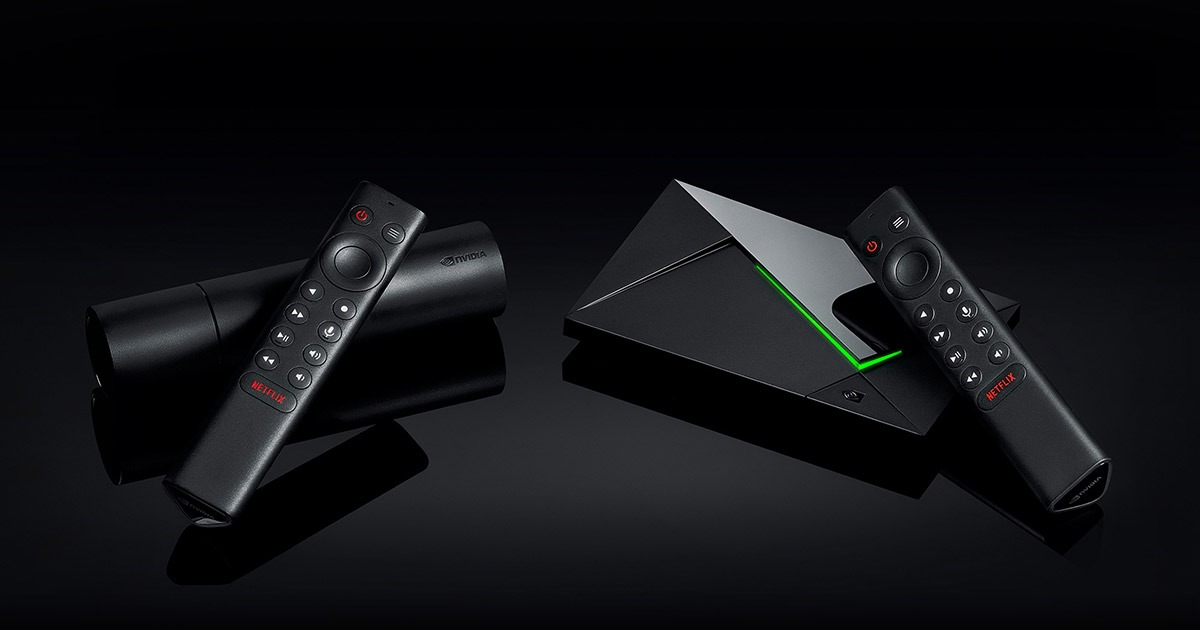
While the NVIDIA SHIELD TV has seen several iterations, the 2019 models represent the current pinnacle of its design and functionality, offering two distinct choices tailored to different user needs.
SHIELD TV (2019 Tube Model)
The “tube” model of the 2019 SHIELD TV is designed to be more compact and discreet. It features the Tegra X1+ processor, 2GB of RAM, and 8GB of internal storage (expandable via microSD). Its unique cylindrical design makes it easy to hide behind a TV. This model is ideal for users primarily interested in streaming 4K HDR content, utilizing the AI Upscaling, and accessing cloud gaming or less storage-intensive Android games. Its smaller form factor and lower price point make it an attractive entry into the SHIELD ecosystem.
SHIELD TV Pro (2019 Box Model)
The SHIELD TV Pro (2019) maintains the more traditional set-top box form factor of its predecessors. It also boasts the Tegra X1+ processor but upgrades the specifications to 3GB of RAM and 16GB of internal storage. Crucially, it includes two full-sized USB 3.0 ports. These ports are invaluable for users who want to connect external hard drives for local media playback, run a Plex Media Server directly on the device, or attach USB peripherals like webcams or dedicated smart home dongles. The increased RAM and storage, along with the USB ports, make the Pro model the go-to choice for power users, media server enthusiasts, and those who plan to install numerous apps or larger Android games.
Legacy SHIELD Devices (Brief Mention for Context)
The original 2015 SHIELD TV and the slightly refreshed 2017 model are still in circulation and continue to receive software updates from NVIDIA, a testament to the company’s commitment to product longevity. While they lack the AI Upscaling and the Tegra X1+ chip, they remain highly capable 4K HDR streamers and competent gaming devices, showcasing the robust foundation upon which the SHIELD platform was built.
Why Choose an NVIDIA SHIELD?
In a crowded market of streaming devices, from affordable sticks to dedicated consoles, the NVIDIA SHIELD TV carves out a niche by offering a premium, high-performance experience that caters to specific user demands.
For the Avid Streamer
For those who prioritize picture and sound quality above all else, the SHIELD TV is unparalleled among Android TV devices. Its support for all major HDR formats (Dolby Vision, HDR10), high-fidelity audio passthrough (Dolby Atmos, DTS-X), and the incredible AI Upscaling make it the ultimate streaming companion. It effortlessly handles high-bitrate content from services like Netflix, Disney+, and Plex, ensuring a consistently smooth and visually stunning playback experience.
For the Dedicated Gamer
The SHIELD TV offers a compelling proposition for gamers who want more than just mobile games. With GeForce NOW, it opens up a world of PC gaming without the need for expensive hardware. For local gaming, its powerful processor can run many Android titles with console-like performance, and the availability of emulators further expands its gaming repertoire for retro enthusiasts. It’s a versatile platform that bridges the gap between casual and hardcore gaming on the big screen.
For the Smart Home Enthusiast
As a central hub for smart home control, the SHIELD TV integrates seamlessly with Google Assistant, allowing voice control over a wide array of devices. The Pro model’s USB ports and potential for SmartThings Hub integration further enhance its role as a powerful smart home controller, simplifying the management of connected devices from the comfort of your couch.
For the Tech-Savvy User Seeking Longevity
NVIDIA’s commitment to software updates is a significant draw. Unlike many other Android TV boxes that receive limited or no updates after launch, SHIELD devices consistently receive new features, performance improvements, and security patches years into their lifecycle. This ensures that the device remains relevant, secure, and performs optimally, offering excellent long-term value for money. Its powerful hardware also ensures it can handle future advancements in media codecs and streaming technologies.
Setting Up and Maximizing Your SHIELD Experience
Getting the most out of your NVIDIA SHIELD TV involves a straightforward setup process followed by customization and exploration of its advanced capabilities.
Initial Setup and Configuration
The initial setup of the SHIELD TV is guided and user-friendly. After connecting it to your TV via HDMI and powering it on, you’ll be prompted to sign in with your Google account, connect to Wi-Fi, and install essential updates. This process is typically quick and intuitive, bringing you to the familiar Android TV home screen. During this phase, you can also pair the included remote and any optional game controllers.
Customizing Your Home Screen
The Android TV interface is highly customizable. You can rearrange app shortcuts, add “channels” from your favorite streaming services (which display recommended content directly on the home screen), and personalize the layout to suit your preferences. Taking the time to organize your home screen ensures quick access to your most frequently used apps and content.
Optimizing for Performance and Storage
While the SHIELD TV is powerful, a few optimizations can enhance your experience. For storage, consider connecting an external USB drive (especially for the Pro model) or using a high-speed microSD card (for the tube model) to expand storage for apps, games, and media. In the settings, ensure that resolution and refresh rate settings are optimally matched to your TV. For network performance, a wired Ethernet connection is always recommended over Wi-Fi for 4K streaming and cloud gaming, minimizing latency and maximizing bandwidth.

Exploring Advanced Features and Third-Party Apps
The true power of the SHIELD TV lies in its versatility. Explore the Google Play Store for Android TV to discover a wealth of streaming apps, games, and utilities. Consider installing a powerful media player like VLC or MX Player for local content, or setting up a Plex Media Server. Experiment with advanced display settings like ‘Match content frame rate’ for smoother video playback. For smart home integration, dive into the Google Assistant settings and link your compatible devices. The NVIDIA SHIELD community forums are also an excellent resource for tips, tricks, and advanced configurations.
In conclusion, the NVIDIA SHIELD is far more than just another streaming device; it’s a comprehensive home entertainment and smart home hub engineered for performance and longevity. From its roots in portable gaming to its current status as a benchmark for 4K HDR streaming and cloud gaming, the SHIELD has consistently delivered a premium experience that justifies its position at the top of the Android TV ecosystem. For those who demand the best in media quality, gaming flexibility, and smart home integration, the NVIDIA SHIELD remains an exceptional and insightful choice, continuing to evolve and impress years after its debut.
aViewFromTheCave is a participant in the Amazon Services LLC Associates Program, an affiliate advertising program designed to provide a means for sites to earn advertising fees by advertising and linking to Amazon.com. Amazon, the Amazon logo, AmazonSupply, and the AmazonSupply logo are trademarks of Amazon.com, Inc. or its affiliates. As an Amazon Associate we earn affiliate commissions from qualifying purchases.