
In the dynamic world of finance and technology, few companies capture as much attention and generate as much discussion as NVIDIA Corporation. When investors or enthusiasts ask “what is NVIDIA share?”, they are fundamentally inquiring about a piece of ownership in one of the most transformative technology companies of our era. An NVIDIA share, at its core, represents a single unit of ownership in the company’s equity, traded publicly on stock exchanges. Far from being just a ticker symbol on a screen, each share embodies a fractional claim on NVIDIA’s future earnings, assets, and strategic direction.
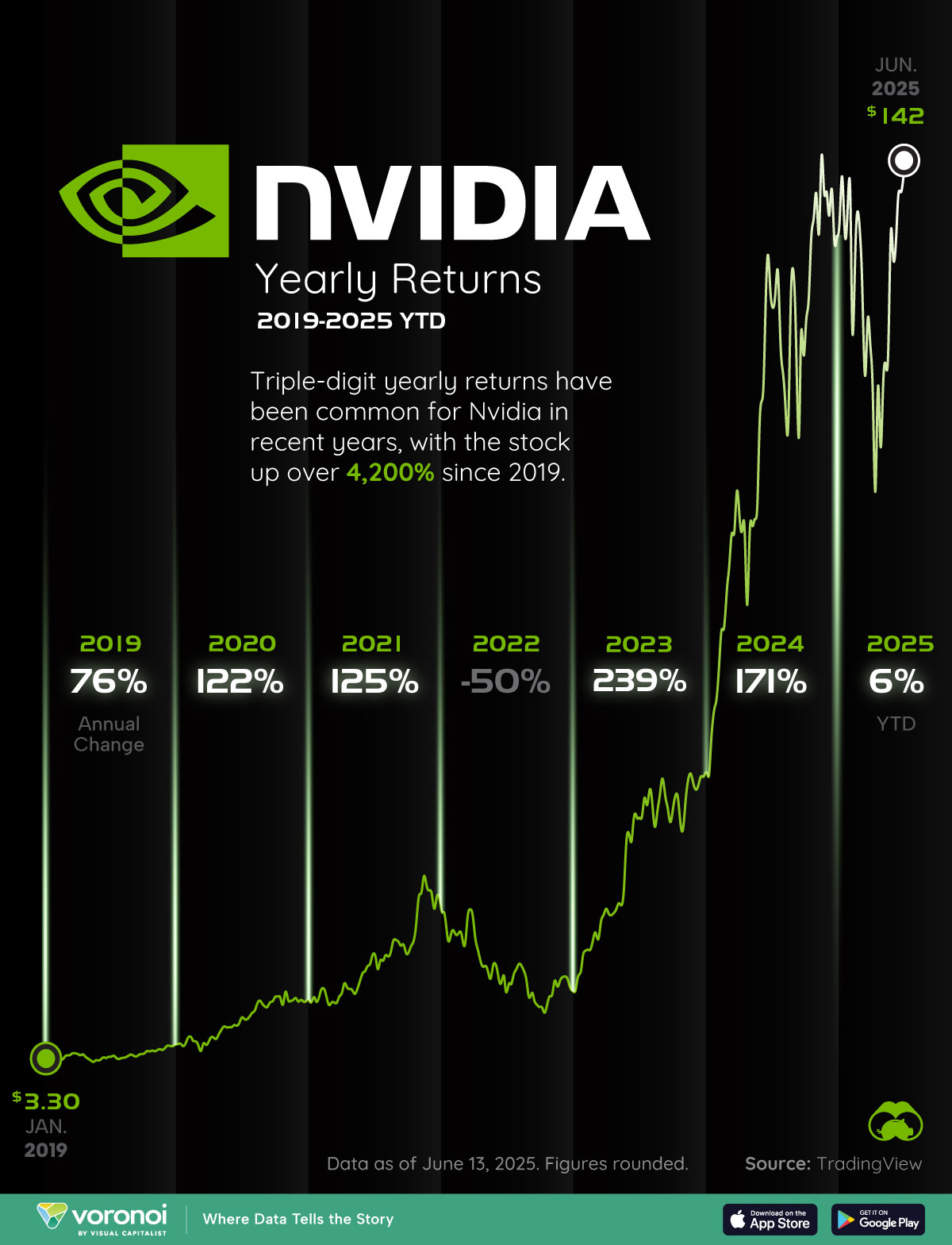
NVIDIA’s journey from a graphics card manufacturer to a foundational pillar of artificial intelligence, high-performance computing, and advanced visualization has imbued its shares with significant value and considerable interest from global investors. Understanding what constitutes an NVIDIA share, its underlying drivers, and the financial dynamics at play is crucial for anyone looking to navigate the complex yet rewarding landscape of modern investing. This exploration delves into the financial essence of NVIDIA shares, providing insights into their nature, the forces shaping their value, and key considerations for potential investors.
Decoding NVIDIA Shares: More Than Just a Ticker Symbol
To truly grasp the significance of an NVIDIA share, one must first understand the foundational principles of stock ownership and then connect them to NVIDIA’s unique position in the market. It’s not merely a numerical value; it’s a reflection of a vast, innovative enterprise.
The Basics: What is a Stock Share?
At its simplest, a stock share represents a unit of equity ownership in a company. When you purchase a share of NVIDIA (traded under the ticker symbol NVDA on NASDAQ), you become a part-owner of the company. This ownership, while fractional, grants you certain rights, most commonly the right to a share of the company’s profits (if dividends are issued) and voting rights on key corporate matters. The collective value of all outstanding shares determines the company’s market capitalization, a crucial metric reflecting its size and market worth.
For NVIDIA, being a publicly traded entity means its shares are bought and sold daily by millions of investors, from individual retail traders to large institutional funds. The price of these shares fluctuates constantly, driven by a myriad of factors including company performance, industry trends, economic news, and investor sentiment. Understanding that each NVDA share is a proportional claim on the entirety of NVIDIA’s groundbreaking operations – from its cutting-edge GPUs to its burgeoning AI software platforms – is the first step toward appreciating its financial gravitas.
NVIDIA’s Core Business and Value Proposition
The intrinsic value of an NVIDIA share is inextricably linked to the company’s underlying business operations and its strategic position within key growth markets. NVIDIA’s primary value proposition stems from its unparalleled dominance in graphics processing units (GPUs) and their evolution into the critical accelerators for the age of AI.
Initially known for empowering the gaming industry with powerful graphics cards, NVIDIA strategically diversified its technological prowess. Today, its GPUs are the bedrock of:
- Data Centers and AI: Powering cloud computing, artificial intelligence training and inference, machine learning, and high-performance computing (HPC). This segment is currently the fastest-growing and most significant revenue driver.
- Gaming: Maintaining its stronghold in the consumer gaming market with GeForce GPUs, catering to a vast global user base.
- Professional Visualization: Providing robust solutions for designers, engineers, and scientists across various industries, enabling complex simulations, rendering, and virtual reality applications.
- Automotive: Advancing autonomous driving platforms and in-car infotainment systems with its Drive platform.
- Omniverse and Metaverse: Pioneering platforms for 3D simulation and collaborative design, laying groundwork for future digital worlds.
Each of these segments contributes to NVIDIA’s revenue and profitability, which in turn underpins the fundamental value of its shares. Investors buy NVIDIA shares not just for what the company has achieved, but for the anticipated growth and continued innovation across these high-growth sectors. The company’s ability to consistently innovate and expand into new lucrative markets is the fundamental engine driving the perceived and actual value of its stock.
The Journey of an NVIDIA Share: Growth Drivers and Market Dynamics
The trajectory of NVIDIA’s stock price over the years reflects a remarkable story of technological foresight, relentless innovation, and strategic market positioning. Understanding the catalysts that propel its growth, as well as the risks that temper its ascent, is crucial for any investor.
Key Catalysts for NVIDIA’s Stock Performance
Several powerful forces have converged to make NVIDIA one of the most watched and highly valued companies globally. These catalysts are fundamental to its stock’s robust performance:
- Innovation and R&D Leadership: NVIDIA consistently invests heavily in research and development, maintaining a significant lead in GPU architecture, parallel computing (CUDA platform), and AI software. This continuous stream of innovation ensures its products remain cutting-edge and indispensable across various industries. New product launches and technological breakthroughs often act as significant stock catalysts.
- Market Expansion and AI Dominance: The explosion of artificial intelligence across virtually every sector – from healthcare and finance to logistics and scientific research – has created an insatiable demand for NVIDIA’s specialized hardware and software platforms. NVIDIA’s early bet on AI and its subsequent cultivation of an ecosystem of developers and applications have made it an indispensable enabler of the AI revolution. Furthermore, its expansion into areas like autonomous vehicles and the metaverse presents vast untapped market opportunities.
- Strong Financial Health and Operational Excellence: Consistent revenue growth, healthy profit margins, and robust cash flow generation demonstrate NVIDIA’s operational efficiency and market leadership. The company’s ability to translate technological superiority into strong financial results provides confidence to investors regarding its long-term viability and growth potential.
- Visionary Leadership: Jensen Huang, NVIDIA’s co-founder and CEO, is widely regarded as a visionary leader who has consistently steered the company toward high-growth, transformative technologies. His strategic foresight and ability to execute on ambitious visions instill confidence in the company’s future direction, often positively influencing investor sentiment.
Understanding Volatility and Risk Factors
Despite its impressive growth, investing in NVIDIA shares is not without its risks and periods of volatility. Like any high-growth technology stock, NVDA is susceptible to various market and industry-specific challenges:
- Intense Competition: While dominant, NVIDIA faces fierce competition from rivals like AMD in gaming and data center GPUs, Intel in CPUs and integrated graphics, and a growing number of custom AI chip developers (including those from major cloud providers like Amazon and Google). This competition can pressure pricing, market share, and profitability.
- Supply Chain Dependencies: NVIDIA relies heavily on third-party foundries, primarily TSMC, for manufacturing its advanced chips. Geopolitical tensions, natural disasters, or disruptions at these manufacturing facilities can impact production, lead to shortages, and affect revenue.
- Macroeconomic Headwinds: Economic downturns, rising interest rates, inflation, or geopolitical instability can dampen overall market demand for technology products, impact corporate IT spending, and negatively affect consumer purchasing power, thereby influencing NVIDIA’s sales and stock performance.
- Regulatory Scrutiny and Geopolitical Risks: Given NVIDIA’s strategic importance in critical technologies like AI and HPC, it can be subject to increased regulatory scrutiny, especially concerning antitrust issues or export controls related to national security. Recent restrictions on chip sales to certain regions, for example, illustrate how geopolitical factors can directly impact NVIDIA’s business outlook.
- High Valuation: Growth stocks like NVIDIA often trade at high valuations (e.g., high Price-to-Earnings ratios) reflecting significant future growth expectations. If the company fails to meet these lofty expectations, or if market sentiment shifts away from growth stocks, its share price can experience significant corrections.
Investing in NVIDIA: Considerations for Potential Shareholders
For those considering an investment in NVIDIA shares, a comprehensive approach combining fundamental and technical analysis, alongside a prudent portfolio strategy, is essential. It’s about making an informed decision, not just following a trend.
Fundamental Analysis: What to Look For

Fundamental analysis involves evaluating a company’s financial health, management, and competitive landscape to determine its intrinsic value. Key metrics and considerations for NVIDIA include:
- Earnings per Share (EPS) and Revenue Growth: Consistent growth in EPS and revenue signifies a healthy and expanding business. Investors should look at both historical trends and analyst projections.
- Price-to-Earnings (P/E) Ratio: While often high for growth stocks like NVIDIA, comparing its P/E to industry averages and historical levels can provide context on whether the stock is overvalued or undervalued relative to its earnings.
- Profit Margins: Gross and net profit margins indicate how efficiently NVIDIA converts revenue into profit. Healthy and improving margins are a positive sign.
- Balance Sheet Strength: Evaluate assets, liabilities, and equity to understand the company’s financial stability, liquidity, and debt levels. A strong balance sheet provides resilience during economic downturns.
- Industry Outlook and Competitive Landscape: Assess the growth prospects of the AI, data center, and gaming markets, and how NVIDIA is positioned relative to its competitors. Understanding its competitive moat – patent portfolio, ecosystem, brand – is critical.
- Management Quality: The competence and vision of the leadership team are paramount for a technology company. Evaluate their track record and strategic decisions.
Technical Analysis: Charting the Course
Technical analysis involves studying historical price and volume data to predict future price movements. While fundamental analysis focuses on what to buy, technical analysis helps determine when to buy or sell. For NVIDIA shares, this might involve:
- Support and Resistance Levels: Identifying price points where the stock has historically found buying interest (support) or selling pressure (resistance).
- Moving Averages: Using indicators like 50-day or 200-day moving averages to identify trends and potential entry/exit points.
- Volume: High trading volume during price movements can indicate conviction behind the move.
- Chart Patterns: Recognizing recurring patterns in price charts that might suggest future price direction.
It’s important to note that technical analysis is often used in conjunction with fundamental analysis, especially for long-term investors. For a high-volatility stock like NVIDIA, technical indicators can sometimes provide insights into short-term sentiment and momentum.
Diversification and Portfolio Strategy
Investing in a single stock, even one as robust as NVIDIA, carries concentrated risk. A sound investment strategy emphasizes diversification:
- Asset Allocation: Don’t put all your capital into equities; consider bonds, real estate, or other asset classes based on your risk tolerance.
- Sector Diversification: Within equities, spread your investments across different sectors (e.g., tech, healthcare, consumer staples) to mitigate risks associated with any single industry.
- Geographic Diversification: Invest in companies from various countries and regions to reduce exposure to specific national economic downturns.
- Investment Horizon: Determine if your investment goal for NVIDIA is short-term trading or long-term growth. NVIDIA is generally considered a long-term growth play, suitable for investors with a longer time horizon who can weather periods of volatility.
Understanding your personal financial goals, risk tolerance, and investment horizon is paramount before committing to any investment, including NVIDIA shares.
NVIDIA’s Impact Beyond Financial Returns: A Broader Perspective
While the financial performance of NVIDIA shares is the primary focus for investors, the company’s influence extends far beyond mere market capitalization. Its technology is a driving force behind global innovation and societal advancement, which, in turn, indirectly reinforces its long-term financial viability.
Influence on Technology and Industry
NVIDIA’s role in accelerating computing across virtually every scientific and industrial domain cannot be overstated. Its GPUs and CUDA platform are not just products; they are foundational tools that enable breakthroughs in:
- Artificial Intelligence: From drug discovery and climate modeling to personalized medicine and autonomous systems, NVIDIA hardware and software are critical to training and deploying AI models that solve complex real-world problems.
- Scientific Research: Powering supercomputers and research labs, NVIDIA technology accelerates simulations in physics, chemistry, astrophysics, and biology, pushing the boundaries of human knowledge.
- Creative Industries: Enabling faster rendering, more realistic graphics, and immersive experiences in film production, video game development, and architectural design.
- Industrial Automation: Facilitating the development of robotics, smart factories, and advanced manufacturing processes.
This profound impact on the technological landscape creates a robust ecosystem that relies heavily on NVIDIA, forming a strong moat around its business and ensuring continued demand for its products, which ultimately underpins the value of its shares.
ESG Considerations (Environmental, Social, Governance)
In today’s investment climate, Environmental, Social, and Governance (ESG) factors are increasingly important to investors, particularly institutional funds. NVIDIA, like any major corporation, faces scrutiny and opportunities in these areas:
- Environmental: Addressing the energy consumption of data centers powered by its chips, optimizing supply chain sustainability, and contributing to climate research through its technology.
- Social: Promoting diversity and inclusion, ethical AI development, responsible sourcing of materials, and contributing to education and community development.
- Governance: Ensuring robust corporate governance, executive compensation practices, and transparency in reporting.
While not directly impacting daily share prices, a strong ESG profile can enhance NVIDIA’s long-term reputation, attract socially conscious investors, mitigate regulatory risks, and foster sustainable growth – all of which indirectly contribute to the enduring appeal of its shares.

The Enduring Allure of NVIDIA Shares
“What is NVIDIA share?” is a question that opens the door to understanding not just a financial instrument, but a company at the vanguard of technological progress. An NVIDIA share represents a piece of ownership in an enterprise that has consistently redefined computing, from gaming graphics to the core infrastructure of artificial intelligence. Its journey has been characterized by visionary leadership, relentless innovation, and strategic market capture, resulting in a stock that has delivered exceptional returns for long-term investors.
However, like all investments, NVIDIA shares come with their own set of risks and require diligent analysis. For those looking to invest, it means understanding the company’s robust fundamentals, acknowledging the competitive landscape, assessing macroeconomic factors, and aligning the investment with personal financial goals and risk tolerance. As the world becomes increasingly data-driven and AI-powered, NVIDIA’s role is likely to grow even more central. For investors, its shares continue to represent a compelling, albeit volatile, opportunity to participate in the future of technology and its profound financial implications.
aViewFromTheCave is a participant in the Amazon Services LLC Associates Program, an affiliate advertising program designed to provide a means for sites to earn advertising fees by advertising and linking to Amazon.com. Amazon, the Amazon logo, AmazonSupply, and the AmazonSupply logo are trademarks of Amazon.com, Inc. or its affiliates. As an Amazon Associate we earn affiliate commissions from qualifying purchases.