
Microsoft Corporation, a name synonymous with technological advancement and innovation, has shaped the digital landscape for decades. From operating systems to cloud computing, its influence is pervasive. Yet, beneath the digital sheen and global reach lies a very specific physical foundation – a geographic core that has profoundly shaped its identity, culture, and strategic direction. Understanding “where Microsoft is based” is not merely a matter of pinpointing an address; it’s about delving into the genesis and evolution of a brand whose physical roots are as significant as its virtual branches.
This exploration transcends a simple geographical marker, revealing how a physical location can imbue a corporate entity with unique characteristics, foster a distinct culture, and contribute to its enduring brand narrative. While Microsoft’s products and services are ubiquitous, its primary base remains a powerful symbol of its corporate identity and a living testament to its origins and aspirations.
The Iconic Redmond Campus: Microsoft’s Spiritual Home
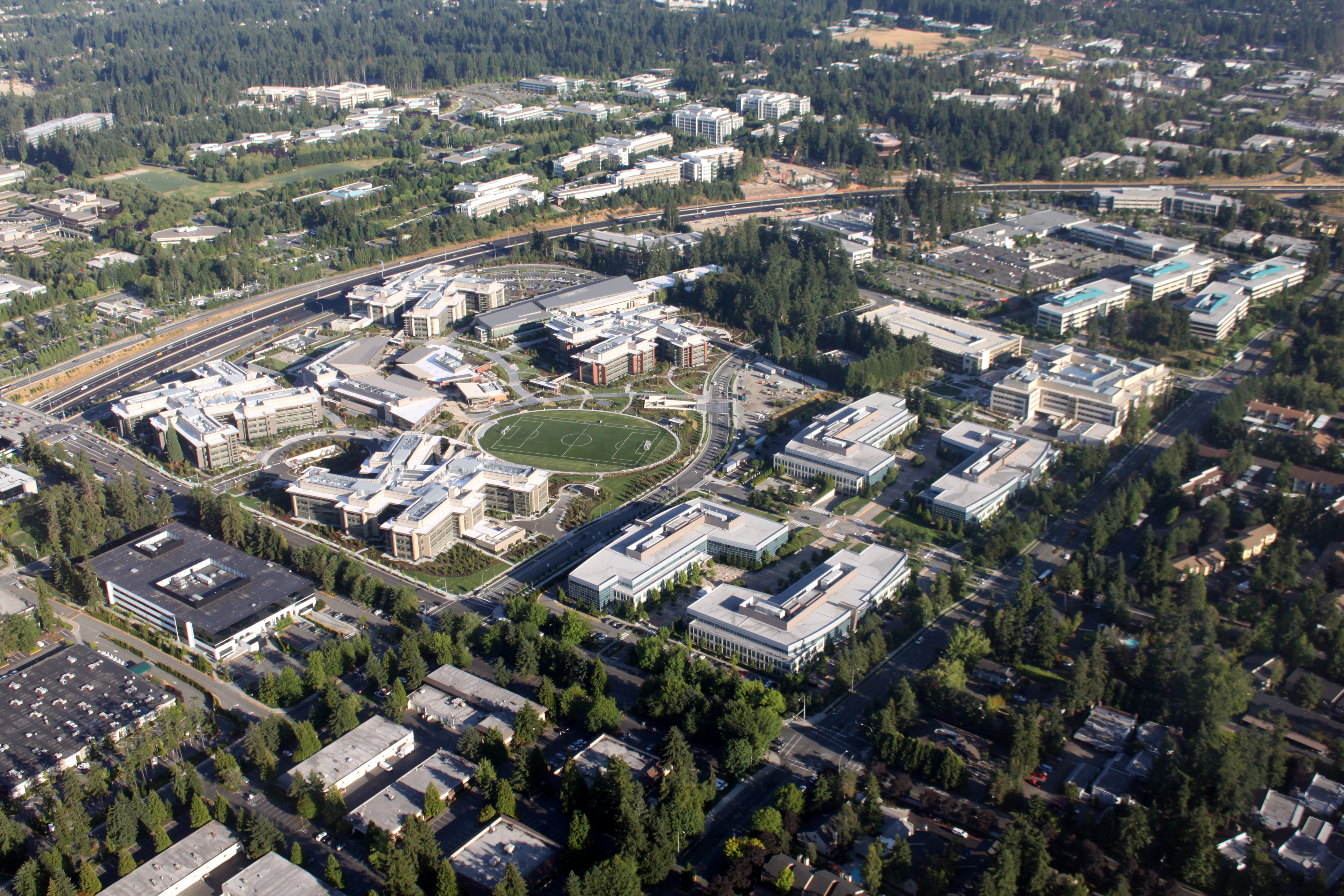
To answer the fundamental question directly, Microsoft is headquartered in Redmond, Washington, USA. This sprawling campus, located just east of Seattle across Lake Washington, is far more than a collection of office buildings; it is the spiritual and operational heart of one of the world’s most influential companies. This isn’t just a mailing address; it’s a meticulously designed ecosystem that reflects and reinforces Microsoft’s brand values and strategic ambitions.
From Humble Beginnings to a Sprawling Tech Hub
Microsoft’s journey to Redmond began not there, but in Albuquerque, New Mexico, where Bill Gates and Paul Allen founded the company in 1975. They moved to the Seattle area in 1979, initially settling in Bellevue, Washington. The eventual relocation to Redmond in 1986 marked a pivotal moment, coinciding with the company’s IPO and a period of explosive growth. What started as a modest collection of buildings has since expanded into a vast complex, often referred to as the Microsoft Campus or the Microsoft Commons.
Today, the Redmond campus encompasses over 125 buildings spread across hundreds of acres, employing tens of thousands of people. It’s a self-contained community, complete with restaurants, fitness centers, retail stores, and intricate transportation systems designed to facilitate collaboration and foster a vibrant work environment. This growth from a nascent startup to a corporate city mirrors the brand’s own meteoric rise and its commitment to scalability and self-sufficiency.
The Layout and Design: A Reflection of Corporate Culture
The architecture and layout of the Redmond campus are deliberate extensions of Microsoft’s brand strategy. Unlike some tech giants that opt for highly centralized, singular iconic structures, Microsoft’s campus is decentralized, composed of numerous distinct buildings connected by walkways, green spaces, and internal shuttles. This design encourages movement, serendipitous encounters, and a sense of community. It reflects a brand that values collaboration, interdisciplinary work, and a balance between individual focus and collective innovation.
Each building often houses specific product teams or divisions, fostering a sense of specialized focus while remaining part of a larger, interconnected whole. The emphasis on green spaces and amenities also speaks to a brand that, while intensely focused on technology, also acknowledges the human element and the importance of employee well-being in driving creativity and productivity.
The Pacific Northwest Influence
The choice of the Pacific Northwest, and specifically Redmond, has not been arbitrary. The region’s unique blend of natural beauty, a strong aerospace industry (Boeing), and a burgeoning tech scene (fueled by companies like Amazon and a rich pool of university talent) created a fertile ground for Microsoft’s growth. The region’s culture, often characterized by a pragmatic, innovative spirit combined with a certain understated earnestness, has subtly influenced Microsoft’s brand persona. This environment has allowed Microsoft to attract top-tier engineering talent and cultivate a work culture that values deep technical expertise alongside a pioneering spirit, away from the more overtly flashy tech hubs of Silicon Valley.
More Than Just a Location: Redmond’s Role in Microsoft’s Brand Identity
Microsoft’s presence in Redmond is more than an administrative fact; it’s a foundational element of its brand identity, shaping its internal culture, external perception, and long-term strategic direction. The physical manifestation of its headquarters contributes significantly to how the brand is understood and experienced globally.
Cultivating the “Microsoft Culture”
The Redmond campus serves as the primary incubator for what is often termed “Microsoft culture.” This culture, characterized by a focus on engineering excellence, collaborative problem-solving, and a mission to empower every person and organization, is physically embodied in the campus environment. The proximity of diverse teams—from Xbox developers to Azure cloud architects—fosters a unique cross-pollination of ideas and expertise. The shared spaces, cafeterias, and recreational facilities are designed not just for convenience, but as informal meeting points where ideas can spark and relationships can be forged, driving innovation and reinforcing a sense of collective purpose.
This physical hub allows for the continuous reinforcement of core values through leadership presence, internal communications, and a shared daily experience that shapes employee perceptions and loyalty. For a brand that has undergone significant transformations, particularly under Satya Nadella’s leadership, the physical headquarters provides a stable anchor for cultural evolution and continuity.
A Hub for Innovation and R&D
Redmond is the epicenter of Microsoft’s research and development efforts. Microsoft Research, one of the most respected corporate research organizations in the world, has a significant presence on campus. This concentration of intellectual capital and cutting-edge facilities means that many of Microsoft’s groundbreaking innovations—from AI advancements to new software paradigms—are conceived and incubated within these walls.
The ability to gather a critical mass of brilliant minds in one physical location facilitates intensive, collaborative projects that might be harder to coordinate entirely remotely. This concentration directly fuels Microsoft’s reputation as an innovation leader, reinforcing its brand promise of delivering forward-thinking technology. The campus itself becomes a symbol of this relentless pursuit of progress.
Symbolism and Brand Storytelling
The Redmond campus holds significant symbolic value for Microsoft. It represents continuity, growth, and the enduring power of its vision. For employees, it’s a daily touchpoint with the company’s legacy and future. For external stakeholders—investors, partners, and customers—it signifies stability, scale, and a tangible presence in the world. When Microsoft makes a major announcement, the visual backdrop is often the Redmond campus, subtly reinforcing its roots and its gravitas.
The history embedded in the location, from its early days to its current expanse, forms a powerful part of the brand’s narrative. It tells a story of ambition realized, of challenges overcome, and of a relentless pursuit of technological excellence that began in a specific place and expanded to touch the entire world.
A Global Footprint: Expanding Beyond Redmond
While Redmond is Microsoft’s spiritual home, its operational reach is undeniably global. A modern brand of Microsoft’s magnitude cannot exist solely within the confines of a single campus. Its global presence is a strategic imperative that influences everything from market penetration to talent acquisition and cultural adaptation.
Strategic Regional Offices and Development Centers
Microsoft maintains a vast network of regional offices, sales centers, and development hubs across every major continent. These locations are not merely satellite offices; many are significant centers of innovation and specialized expertise. For example, Microsoft has major development centers in places like Hyderabad, India; Dublin, Ireland; Beijing, China; and Herzliya, Israel. Each of these centers often focuses on specific product areas or serves particular regional markets, tailoring Microsoft’s offerings to local needs and demands.
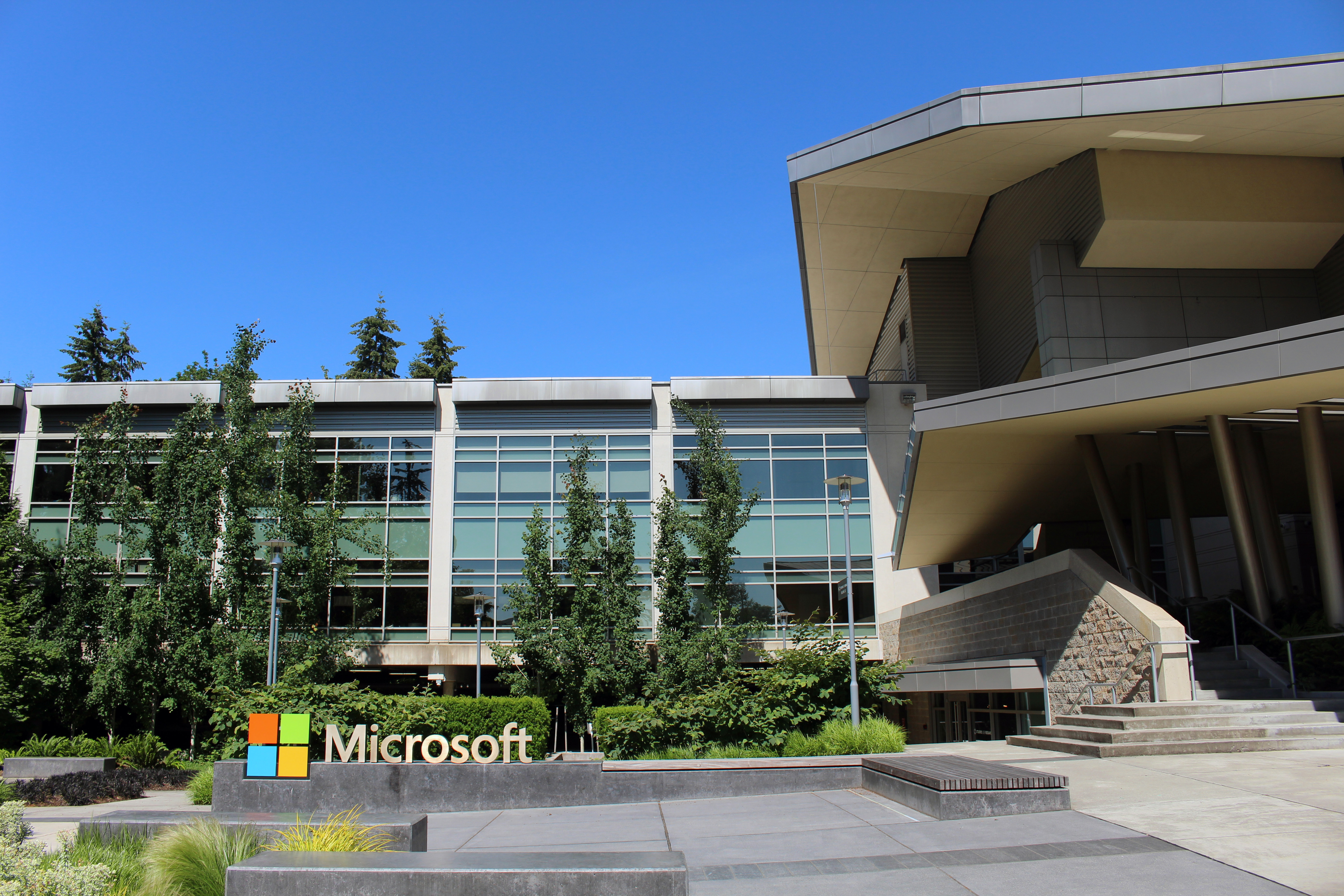
This distributed model allows Microsoft to tap into diverse talent pools, gain localized market insights, and provide more responsive support to its global customer base. It underscores a brand strategy that balances a strong central identity with the flexibility and adaptability required to operate effectively in a multitude of cultural and economic contexts.
Localizing the Global Brand Message
A global brand like Microsoft must speak to local audiences in ways that resonate culturally and economically. Its regional offices play a crucial role in localizing marketing campaigns, adapting product features, and engaging with local communities. This decentralization ensures that while the core brand values remain consistent, their expression can be nuanced and relevant to specific markets.
For instance, a Microsoft campaign in Japan might emphasize different aspects of productivity or collaboration than one launched in Germany or Brazil. The local teams, steeped in their respective cultures and working out of their regional offices, are instrumental in orchestrating these finely tuned brand communications. This ability to be both globally consistent and locally relevant is a hallmark of sophisticated brand management.
The Distributed Workforce and the Future of Corporate Presence
The advent of cloud computing and remote work capabilities, ironically, developed in part by Microsoft itself, has further distributed its workforce. While the Redmond campus remains crucial for leadership, core R&D, and cultural anchoring, a significant portion of Microsoft employees now work remotely or in hybrid models from various locations around the world.
This evolution highlights a future where a brand’s “base” is less about a singular physical location and more about a distributed network connected by digital infrastructure and shared purpose. Yet, even in this distributed future, the physical headquarters retains its symbolic and strategic importance, acting as a gravitational center that binds the expansive network.
Talent, Synergy, and the Ecosystem of Microsoft’s Headquarters
The existence of a physical headquarters in Redmond is intrinsically linked to Microsoft’s ability to attract and retain world-class talent, foster synergistic collaboration, and maintain a robust engagement with its surrounding tech ecosystem. These elements are critical for a brand whose core offering is intellectual capital.
Attracting and Retaining World-Class Talent
Redmond’s status as Microsoft’s headquarters makes it a magnet for top engineering, design, and business talent globally. The opportunity to work at the physical heart of such an influential company, surrounded by peers who are leaders in their fields, is a significant draw. Microsoft invests heavily in its campus amenities and work environment, creating a space that is not only functional but also inspiring and supportive.
Furthermore, the concentration of other tech companies in the greater Seattle area—including Amazon, Google, Facebook, and numerous startups—creates a dynamic talent market. While this introduces competition, it also makes the region an incredibly attractive destination for tech professionals, contributing to a rich ecosystem from which Microsoft benefits.
Collaboration and Cross-Pollination
The physical proximity on campus facilitates a level of spontaneous and structured collaboration that is difficult to replicate purely virtually. Teams from different product groups can easily meet, share insights, and brainstorm ideas in person. This cross-pollination of thoughts and perspectives is often where true innovation occurs, leading to more integrated products and services that strengthen the overall Microsoft brand.
For example, engineers working on Azure might easily connect with teams developing new Windows features or Xbox technologies, leading to more cohesive user experiences and strategic alignments. This synergy is a direct benefit of having a centralized, vibrant headquarters.
Engagement with the Local Community and Tech Scene
Microsoft is a dominant force in the Redmond and greater Seattle community. Its presence has spurred economic growth, generated significant employment, and attracted a constellation of supporting businesses and startups. Microsoft also actively engages with local educational institutions, supporting STEM programs and talent development pipelines, ensuring a continuous supply of skilled professionals.
This deep integration into the local tech scene not only provides a stable base of operations but also reinforces Microsoft’s brand as a responsible corporate citizen and a driver of regional prosperity. It’s a reciprocal relationship where the company benefits from a thriving local ecosystem, and the community benefits from the company’s presence.
The Enduring Significance of Microsoft’s Physical Base in a Digital World
In an increasingly digital and remote-first world, the question of a physical headquarters’ relevance might arise. However, for a brand as established and complex as Microsoft, its Redmond base continues to hold profound and enduring significance, bridging the gap between its tangible origins and its intangible global impact.
Bridging the Physical and Digital for Employees
Even with the rise of hybrid work, the Redmond campus remains a critical touchpoint for employees. It provides a shared physical space for onboarding new hires, fostering mentorship, and building team cohesion that can be challenging to achieve purely online. For many, coming to Redmond is an opportunity to connect with the company’s legacy, feel a stronger sense of belonging, and experience the full breadth of Microsoft’s operations firsthand.
The campus serves as a physical representation of the company’s mission and values, a place where employees can immerse themselves in the brand, strengthening their connection and commitment to its goals.
A Landmark for Partners and Customers
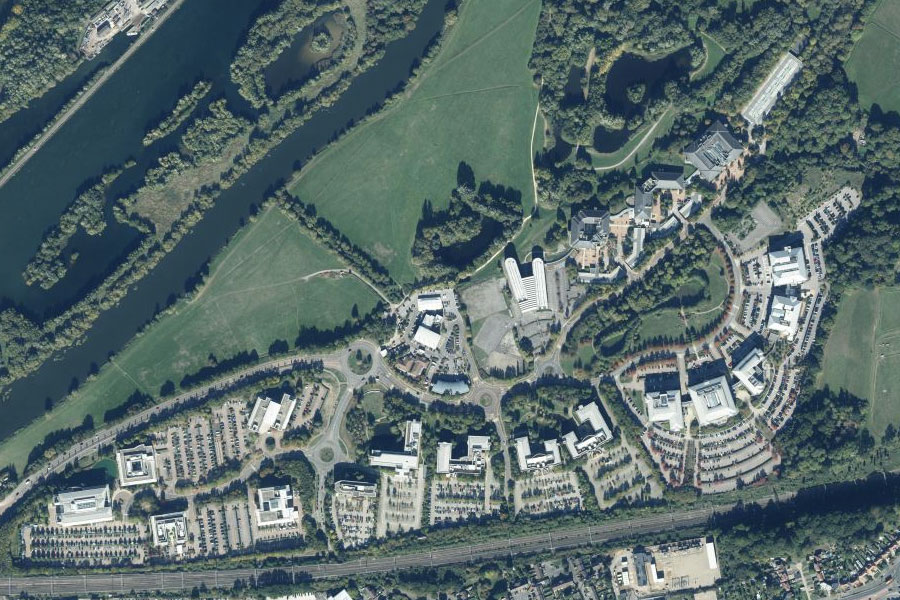
For strategic partners, key customers, and VIPs, visiting the Microsoft headquarters in Redmond is often a significant experience. It’s an opportunity to engage directly with leadership, explore innovation labs, and gain a deeper understanding of Microsoft’s vision. These visits can solidify relationships, inspire confidence, and provide a tangible sense of the company’s scale and capabilities. The campus acts as a physical showroom and a diplomatic center for the brand.
The Future of Corporate Headquarters: A Hybrid Model
As Microsoft continues to navigate the evolving landscape of work, its Redmond campus will likely adapt to a hybrid model. It might transform further into a hub for collaborative projects, specialized events, and cultural gatherings rather than solely a space for individual desk work. This evolution would further solidify its role as a strategic asset for the brand—a physical manifestation of its culture and innovation, even as its workforce becomes more distributed.
In conclusion, “where Microsoft is based” is far more than a simple geographical coordinate. Redmond, Washington, is the wellspring of its corporate identity, a powerful symbol of its brand, and a strategic asset that continues to shape its culture, foster innovation, and project its image as a global leader. It is a testament to how a physical location can be inextricably woven into the fabric of a brand, influencing its past, present, and future in the ever-evolving world of technology.
aViewFromTheCave is a participant in the Amazon Services LLC Associates Program, an affiliate advertising program designed to provide a means for sites to earn advertising fees by advertising and linking to Amazon.com. Amazon, the Amazon logo, AmazonSupply, and the AmazonSupply logo are trademarks of Amazon.com, Inc. or its affiliates. As an Amazon Associate we earn affiliate commissions from qualifying purchases.