
For millions, student loans represent a significant financial commitment, a critical investment in their future education that often translates into a substantial long-term debt. Yet, surprisingly, a common challenge many borrowers face isn’t just repaying these loans, but simply knowing how to see them – where they are, who holds them, and what their current status entails. This lack of clarity can lead to missed payments, confusion about repayment options, and ultimately, unnecessary financial stress. This article serves as your indispensable guide to demystifying your student loan portfolio, providing clear, actionable steps to locate, understand, and effectively manage your educational debt. By gaining full visibility into your loans, you empower yourself to make informed decisions, optimize your repayment strategy, and ultimately take control of your financial future.
The Imperative of Knowing Your Student Loan Landscape
Before diving into the mechanics of locating your loans, it’s crucial to understand why this exercise is so fundamental to your financial well-being. Student loans are not static entities; they evolve over time with interest accrual, payment applications, and potential changes in servicer or repayment terms. Staying informed is not merely a good practice; it’s a non-negotiable aspect of responsible financial management.
Why Tracking Your Loans Matters
Understanding your student loan landscape goes far beyond knowing your total debt figure. It involves a granular knowledge of each loan’s principal balance, interest rate (fixed or variable), current repayment status (in-school, grace, repayment, deferment, forbearance), original loan date, and crucially, who your loan servicer is. This information is the bedrock upon which all effective repayment strategies are built. Without it, you’re essentially navigating a complex financial journey blindfolded. Knowing these details allows you to identify opportunities for consolidation, refinancing, or enrollment in income-driven repayment plans that could significantly reduce your monthly burden or total cost over time. It also helps in budgeting accurately and avoiding the dreaded surprise of a forgotten payment or an unexpected bill.
Common Pitfalls of Ignorance
The consequences of not knowing your student loan details can be severe. One of the most prevalent pitfalls is falling into delinquency or default. This occurs when payments are missed for extended periods, leading to a cascade of negative effects: damage to your credit score, collection agency involvement, wage garnishment, and even the withholding of tax refunds. Another common issue is missing out on beneficial repayment options. Many federal loan programs offer income-driven repayment plans, public service loan forgiveness (PSLF), or temporary deferment/forbearance options that could provide much-needed relief during financial hardship. If you don’t know who your servicer is or what type of loans you have, you can’t access these programs. Furthermore, a lack of awareness can lead to paying more interest than necessary, especially if you have high-interest private loans that could be refinanced, or if you’re unaware of the option to make extra principal payments.
Setting the Foundation for Financial Wellness
By actively seeking out and organizing your student loan information, you’re not just performing an administrative task; you’re laying a robust foundation for long-term financial wellness. This proactive approach cultivates financial literacy, builds confidence in managing debt, and empowers you to make strategic decisions. It transforms student loan management from a source of anxiety into a manageable component of your overall financial plan. This foundational knowledge is also crucial for future financial endeavors, whether it’s buying a home, saving for retirement, or starting a business, as your student loan obligations will invariably factor into your debt-to-income ratio and overall financial capacity.
Locating Your Federal Student Loans
For most borrowers, especially those who attended college in the last few decades, the bulk of their student debt will consist of federal loans. Fortunately, the U.S. Department of Education provides a centralized, authoritative resource for tracking these loans.
The National Student Loan Data System (NSLDS) – Your Primary Resource
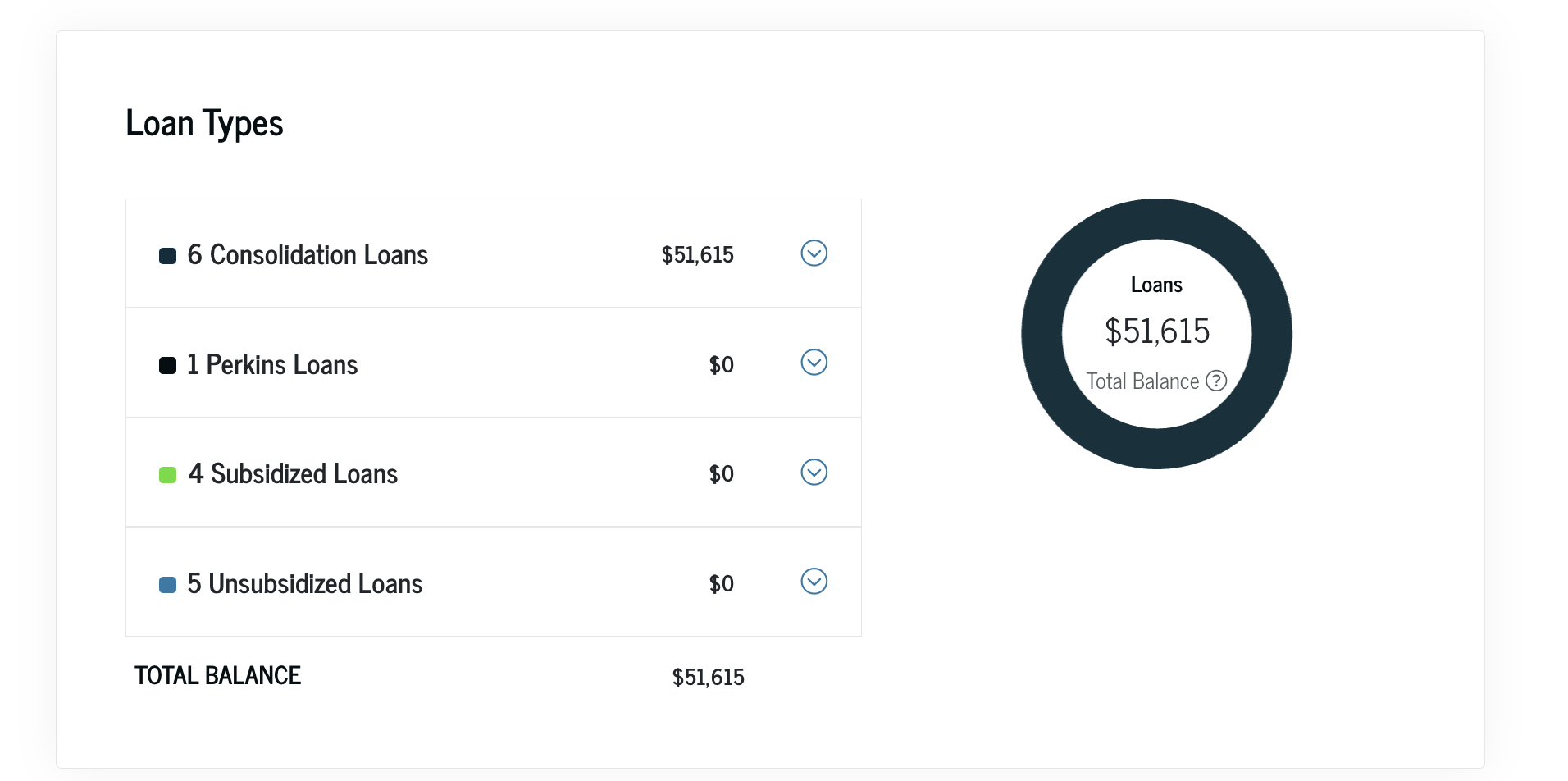
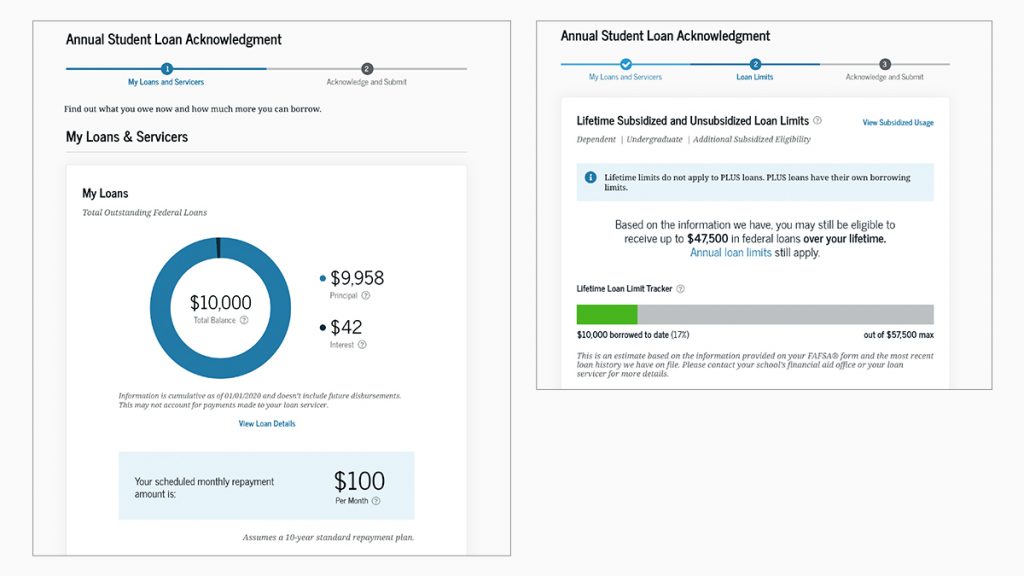
The National Student Loan Data System (NSLDS) is the U.S. Department of Education’s central database for student aid. It stores information on all federal grants and loans, providing a comprehensive historical record of your federal student aid. This includes details on loan types (Stafford, Perkins, PLUS, Direct Loans), disbursement dates, original loan amounts, current balances, interest rates, and most importantly, your current loan servicer(s). NSLDS is an invaluable tool for gaining a complete overview of your federal student loan portfolio. It is the single most reliable source for federal loan information.
Understanding Your Loan Servicer
A crucial piece of information NSLDS provides is the identity of your loan servicer. While the Department of Education originates federal loans, they partner with several private companies (servicers) to handle billing, process payments, and manage borrower inquiries. Common federal loan servicers include Nelnet, Aidvantage (formerly Navient), MOHELA, and Edfinancial Services. Once you identify your servicer(s) through NSLDS, you can then log directly into their respective websites to access more detailed, real-time information, manage your account, explore repayment options, and make payments. Your servicer is your primary point of contact for all day-to-day management of your federal loans.
What Information NSLDS Provides
When you log into NSLDS, you’ll typically find:
- Loan Status: Whether your loan is in grace, repayment, deferment, forbearance, or default.
- Loan Type: Specifics like Direct Subsidized, Unsubsidized, PLUS, or Perkins loans.
- Original Principal Amount: The amount borrowed initially for each loan.
- Current Principal Balance: The outstanding amount you still owe.
- Interest Rate: The fixed or variable interest rate applied to each loan.
- Disbursement Dates: When the loan funds were released.
- Loan Servicer Information: The name and contact details of the company managing your loan.
- Payment History: While NSLDS offers an overview, your servicer’s website will provide a more detailed payment history.
Accessing NSLDS and Troubleshooting
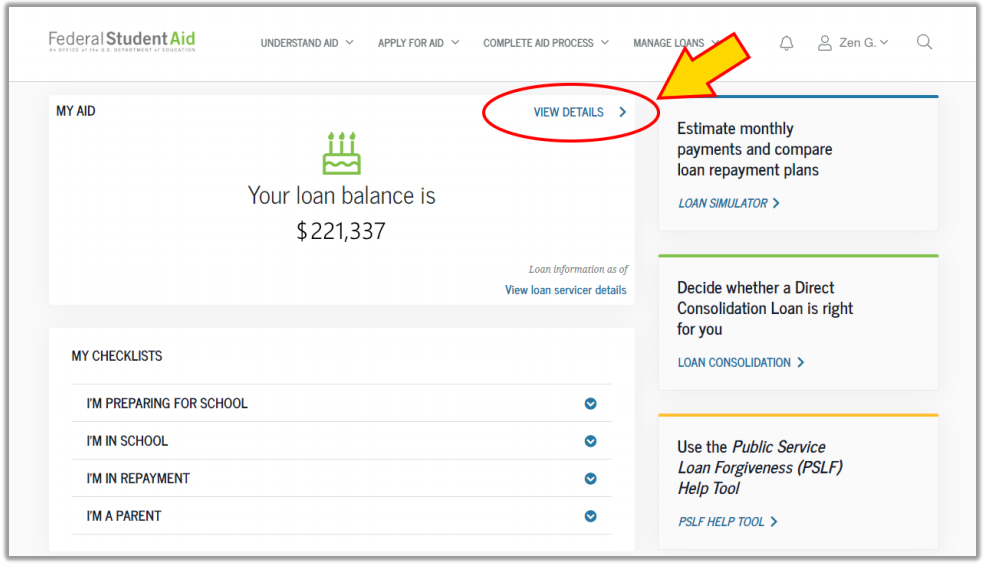
To access NSLDS, you’ll need your Federal Student Aid (FSA) ID. This is the same ID you used to fill out the Free Application for Federal Student Aid (FAFSA). If you don’t remember your FSA ID or never created one, you can do so or retrieve it on the Federal Student Aid website (StudentAid.gov). Once logged in, navigate to the “My Aid” section, where you’ll see a dashboard summarizing your federal loans and grants. If you encounter issues, such as an inability to log in or missing loan information, first ensure you’re using the correct FSA ID. If problems persist, contact Federal Student Aid customer service for assistance. They can help verify your identity and troubleshoot access to your records.
Discovering Your Private Student Loans
Unlike federal loans, private student loans are not part of the NSLDS database, as they are issued by banks, credit unions, and other private lenders. This makes locating them a bit more challenging, but certainly not impossible.
Checking Your Credit Report – The Unofficial Tracker
Your credit report is often the most reliable “unofficial” tracker for private student loans. Lenders report all loan activity, including private student loans, to the three major credit bureaus (Experian, Equifax, and TransUnion). You are entitled to a free credit report from each bureau once every 12 months through AnnualCreditReport.com. When you review your reports, look for entries under “student loans” or “education loans.” Each entry should list the lender’s name, the account number, the original loan amount, the current balance, and payment history. This is an excellent way to identify all your private lenders, even if you’ve forgotten about some.
Contacting Your Original Lender
If you recall taking out a private student loan but can’t find it on your credit report or are unsure of the lender, try contacting the financial institution where you initially applied. This could be a bank (e.g., Sallie Mae, Discover, Wells Fargo) or a credit union. Even if the loan has been sold or transferred, the original lender may have records or be able to direct you to the current holder of your loan. Dig through old financial paperwork, emails, or even college financial aid award letters, which sometimes list private loan recommendations or direct disbursements.
Exploring Bank Statements and Old Documents
Go through your bank statements from the period when you were in school and shortly after graduation. You might find records of loan disbursements being deposited into your account, or initial loan payments being withdrawn. These transactions often list the name of the lender or servicer. Similarly, any physical or digital documents related to your college enrollment, financial aid, or loan applications could contain vital clues. Look for promissory notes, disclosure statements, or annual loan statements that explicitly name the private lender.
Consolidating Private Loan Information
Once you’ve identified your private lenders, gather all the essential details for each loan: the lender’s name, the account number, the current balance, the interest rate, and the repayment terms. It’s common for private loans to be sold between lenders, so the original lender might not be the current servicer. Your credit report should list the current servicer, or the original lender can provide that information. Create a spreadsheet or a dedicated file to consolidate all this information, just as you would for your federal loans. This centralized record will be invaluable for managing your private loan debt efficiently.
Understanding Your Loan Details and Options
Locating your loans is just the first step. The real power comes from understanding the granular details of each loan and the repayment options available to you. This knowledge equips you to make strategic decisions about your debt.
Key Information to Gather: Balances, Interest Rates, and Repayment Status
Once you’ve identified all your federal and private loans and their respective servicers/lenders, consolidate the following critical details into a single, accessible document (e.g., a spreadsheet):
- Loan Type: Federal (Subsidized, Unsubsidized, PLUS, Perkins, etc.) or Private.
- Original Principal: The initial amount borrowed for each loan.
- Current Principal Balance: The outstanding amount owed.
- Current Interest Rate: Fixed or variable, and the specific rate.
- Date of First Disbursement: Important for tracking loan age and potential forgiveness programs.
- Repayment Status: In-school, grace, repayment, deferment, forbearance, or default.
- Loan Servicer/Lender: The contact information for each entity.
- Monthly Payment Amount: What you are currently paying or are expected to pay.
- Remaining Repayment Term: How many months or years are left until the loan is paid off.
This comprehensive overview will be your go-to reference for all student loan-related decisions.
Exploring Repayment Plans for Federal Loans
Federal student loans come with a variety of repayment plans designed to accommodate different financial situations:
- Standard Repayment Plan: A fixed monthly payment over 10 years (or up to 30 years for consolidated loans).
- Graduated Repayment Plan: Payments start low and increase every two years, usually over 10 years.
- Extended Repayment Plan: For borrowers with more than $30,000 in direct loans, offering fixed or graduated payments over up to 25 years.
- Income-Driven Repayment (IDR) Plans: These plans (Income-Based Repayment, Pay As You Earn, Revised Pay As You Earn, Income-Contingent Repayment) cap your monthly payments at an affordable amount based on your income and family size. They also offer potential loan forgiveness after 20 or 25 years of qualifying payments.
- Public Service Loan Forgiveness (PSLF): Forgiveness after 120 qualifying payments made while working full-time for a qualifying non-profit or government employer.
Understanding these options is critical. Contact your federal loan servicer to discuss which plan best suits your current financial situation.
Options for Private Loan Management
Private student loans typically offer fewer flexible repayment options compared to federal loans. However, there are still strategies to manage them:
- Refinancing: If you have good credit and a stable income, you may be able to refinance multiple private loans (or even a mix of federal and private loans, though refinancing federal loans means losing federal protections) into a single new loan with a lower interest rate and potentially more favorable terms. This can significantly reduce your total interest paid and/or your monthly payment.
- Direct Lender Options: Some private lenders may offer limited deferment or forbearance options in cases of financial hardship, but these are at the lender’s discretion. It’s always worth contacting your private loan servicer to inquire about any available relief programs.
- Aggressive Repayment: Given that private loans often have higher interest rates and fewer borrower protections, prioritizing their repayment (e.g., using the “debt snowball” or “debt avalanche” method) can be a smart strategy to eliminate high-cost debt faster.
The Role of Loan Servicers in Your Journey
Your loan servicer(s) are your primary point of contact for day-to-day management. They handle billing, process payments, answer questions about your account, and help you explore repayment options. For federal loans, they are also responsible for processing applications for income-driven repayment, deferment, forbearance, and PSLF. Establish clear communication with them. Create online accounts with each servicer, enroll in paperless billing, and consider setting up auto-pay to avoid missed payments. Regularly checking your servicer’s portal will keep you abreast of your loan status, payment history, and any important announcements.
Proactive Steps for Effective Student Loan Management
Once you’ve located all your loans and understand their details, the next stage is to implement proactive management strategies to ensure smooth repayment and minimize stress.
Creating a Centralized Loan Portfolio
The most critical proactive step is to create and maintain a centralized, up-to-date record of all your student loans – federal and private. A simple spreadsheet can be highly effective. Include all the key details: loan type, original amount, current balance, interest rate, servicer/lender, monthly payment, and the date your next payment is due. This single document serves as your definitive guide, eliminating the need to search multiple websites or documents when you need information. Review and update it at least annually, or whenever there are changes (e.g., after a payment, refinancing, or a change in servicer).
Setting Up Payment Reminders and Auto-Pay
Missing a student loan payment can have serious repercussions for your credit score and can lead to late fees and accrued interest. Combat this by setting up automatic payments (auto-pay) directly through your loan servicers. Many servicers even offer a small interest rate reduction (e.g., 0.25%) for enrolling in auto-pay, saving you money in the long run. Additionally, set up independent calendar reminders or use budgeting apps to notify you a few days before each payment is due, providing a safety net in case of technical issues or changes to your bank account.
Regularly Reviewing Your Loan Status
Student loans are not “set it and forget it” financial products. Your financial situation can change, and so can the terms or options associated with your loans. Make it a habit to log into your servicer accounts every few months, or at least once a year, to review your statements, check your balance, and confirm your repayment status. If your income has changed significantly, reassess whether an income-driven repayment plan for federal loans is still the best fit. If interest rates have dropped, re-evaluate refinancing options for private loans. Regular review ensures you’re always on the most advantageous path.
Seeking Professional Guidance
While this guide provides a comprehensive framework, some situations may warrant professional assistance. Non-profit credit counseling agencies or certified financial planners specializing in student loan debt can offer personalized advice, help you navigate complex repayment scenarios, or assist with applications for specific programs. Be wary of companies that charge high fees for services you can do yourself (like consolidation) or guarantee loan forgiveness; always verify their credentials and reputation. A reputable professional can provide unbiased advice and help you create a truly optimized repayment strategy.
Empowering Your Financial Future
The journey through student loan repayment doesn’t have to be fraught with uncertainty and stress. By understanding how do I see my student loans, you move from a passive position of anxiety to an active stance of empowerment. This article has provided you with the tools and knowledge to locate every single loan, understand its specific characteristics, and explore the myriad of options available for managing it effectively.
Taking control of your student loan debt is not just about paying bills; it’s about building a robust foundation for your overall financial health. By meticulously tracking your federal loans through NSLDS, uncovering private loans via credit reports and old documents, and consolidating all this information, you gain the clarity needed to make informed decisions. Whether it’s enrolling in an income-driven repayment plan, pursuing public service loan forgiveness, or strategically refinancing private debt, your ability to act decisively stems directly from your knowledge.
Embrace this journey of financial literacy. Regular review, proactive engagement with your servicers, and leveraging available resources will transform your student loan burden into a manageable component of your financial life. You’re not just seeing your student loans; you’re seeing a clearer path to financial freedom and a more secure future.
aViewFromTheCave is a participant in the Amazon Services LLC Associates Program, an affiliate advertising program designed to provide a means for sites to earn advertising fees by advertising and linking to Amazon.com. Amazon, the Amazon logo, AmazonSupply, and the AmazonSupply logo are trademarks of Amazon.com, Inc. or its affiliates. As an Amazon Associate we earn affiliate commissions from qualifying purchases.