
Understanding “what the market is doing today” is less about tracking a single number and more about deciphering a complex tapestry of economic indicators, corporate performance, geopolitical shifts, and investor psychology. For anyone engaged in personal finance, investing, or even managing a business, a daily pulse on market activity is crucial for informed decision-making. It’s a dynamic environment, constantly reacting to new information and shaping the landscape for wealth creation and financial planning.
In today’s interconnected global economy, the market is a colossal, living entity, encompassing everything from major stock indices and bond yields to commodity prices and currency fluctuations. Its movements dictate the immediate value of your investments, influence borrowing costs, and signal broader economic health. A deeper dive reveals not just the headlines, but the underlying forces that propel or hinder market momentum, offering valuable insights for navigating the financial world.
Navigating the Daily Market Pulse
To grasp what the market is doing, one must first understand its fundamental components and how they reflect overall economic sentiment. The “market” is not monolithic; it’s a collection of diverse instruments, each telling a part of the story.
Key Indices and Their Significance
When people ask “what is the market doing?”, they are often referring to the performance of major stock market indices. These benchmarks act as thermometers for various segments of the economy:
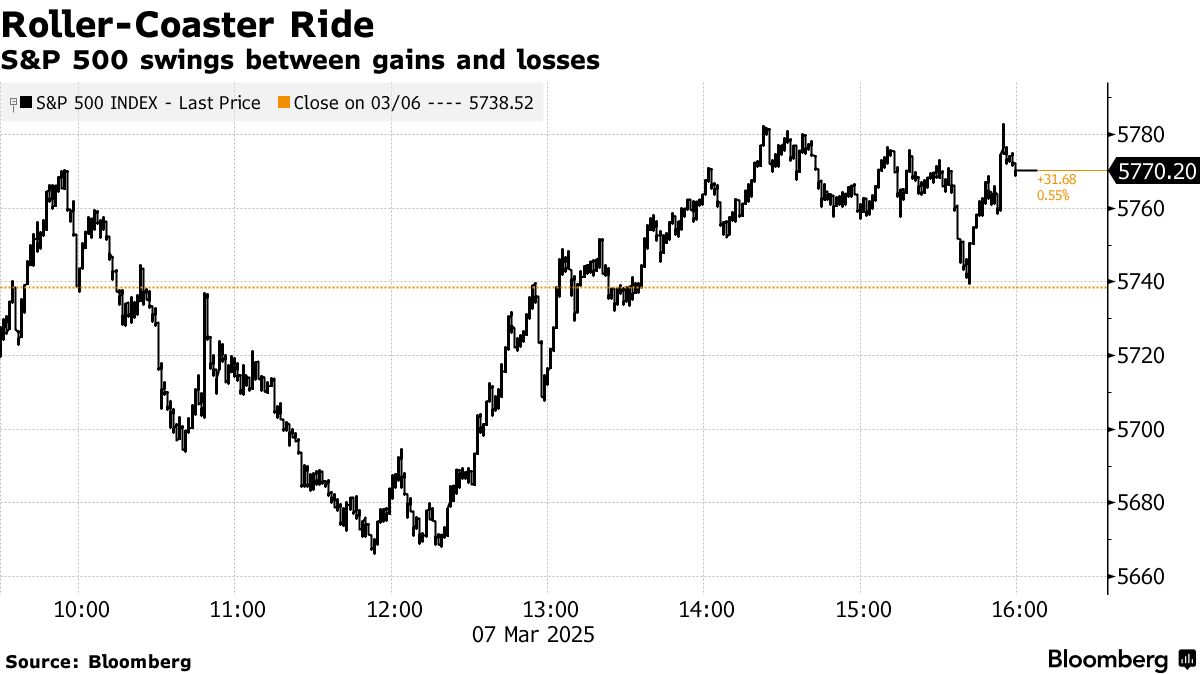
- S&P 500 (U.S.): Representing 500 large U.S. companies, this index is widely considered the best gauge of large-cap U.S. equities and overall market health. Its movements often reflect broad investor sentiment regarding the profitability of major American corporations.
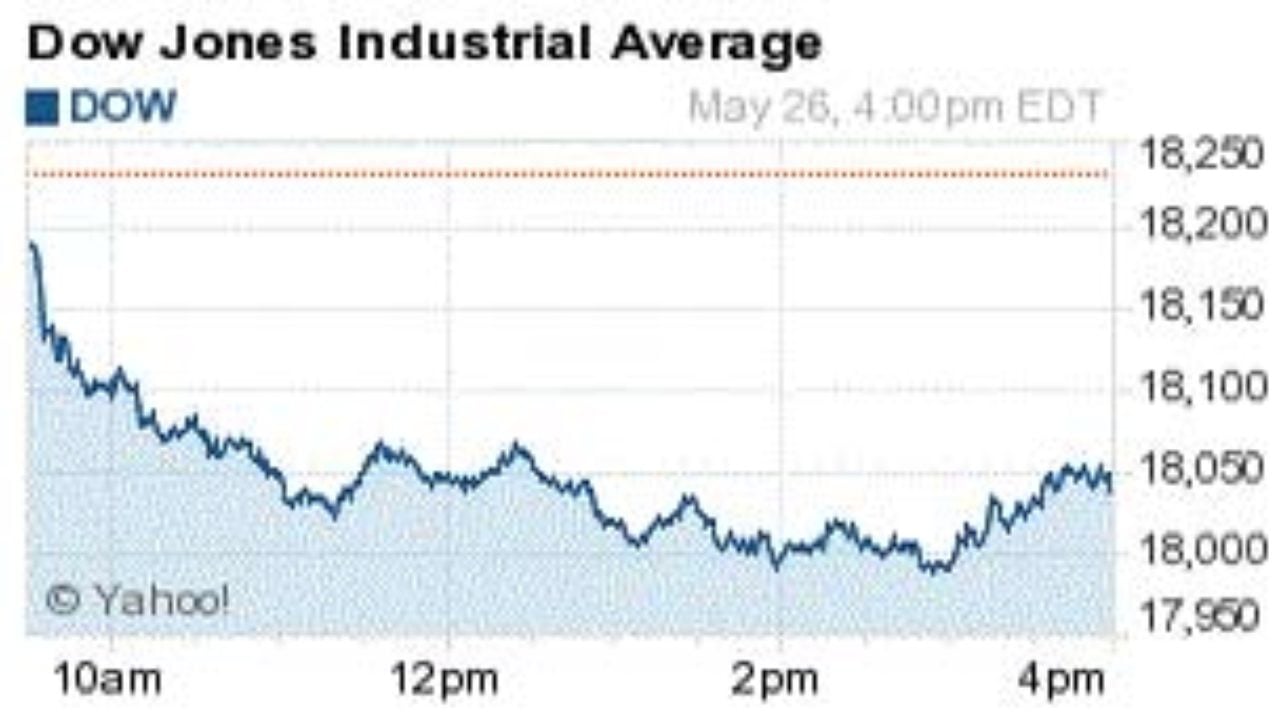
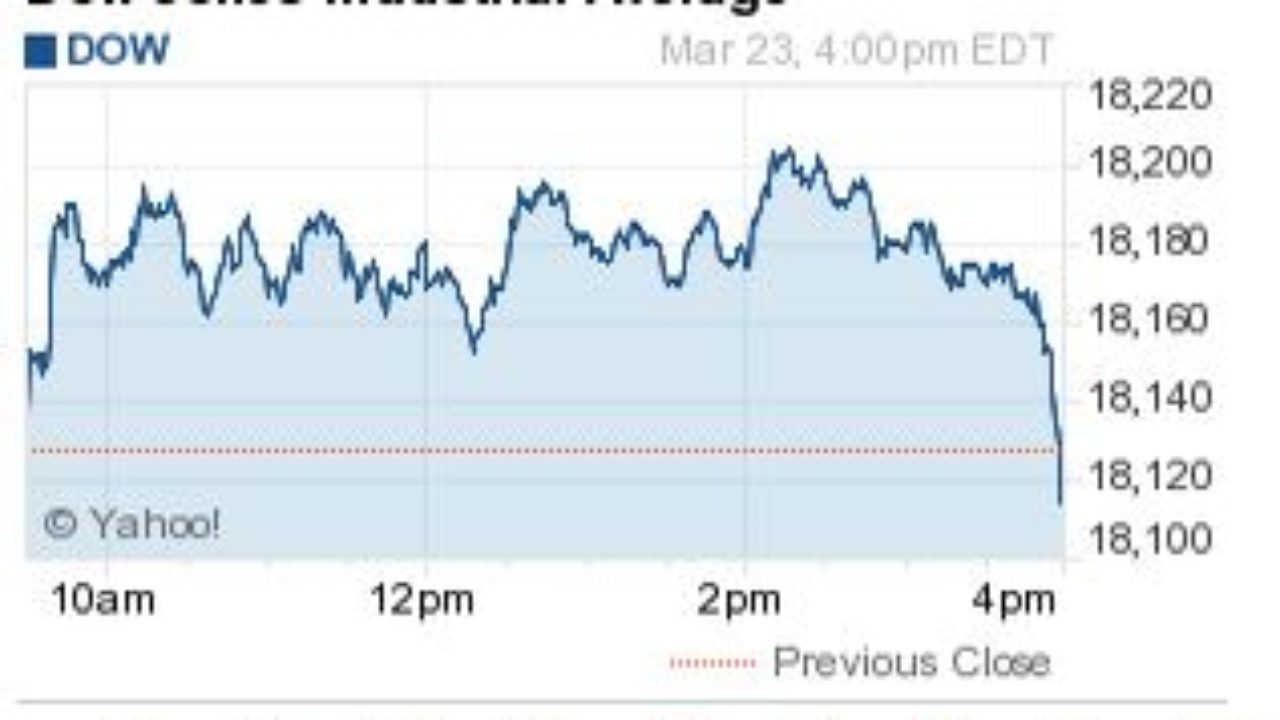
- Dow Jones Industrial Average (U.S.): Comprising 30 prominent industrial companies, the Dow is a price-weighted index offering a snapshot of the performance of established industrial giants. While less comprehensive than the S&P 500, its historical significance makes it a frequent headline.
- Nasdaq Composite (U.S.): Dominated by technology and growth companies, the Nasdaq is a crucial indicator for the tech sector’s health and investor appetite for innovation. Its volatility can be higher due to the rapid growth potential and sometimes speculative nature of its constituent companies.
- FTSE 100 (UK), DAX (Germany), Nikkei 225 (Japan), Shanghai Composite (China): These international indices provide crucial insights into the health of global economies. Their movements are often influenced by domestic factors but also significantly by global trade, commodity prices, and geopolitical events. A strong day for the Nikkei could signal positive sentiment spreading to Western markets, for instance.
Tracking these indices gives an immediate sense of whether major economies are experiencing growth, stagnation, or decline, offering a foundational understanding of the day’s market narrative.
Sectoral Performance Insights
Beyond overall index movements, digging into specific sectors reveals nuanced trends. A day where the S&P 500 is flat might mask significant movements within its constituents. For example:
- Technology: Often leading growth during bull markets, but susceptible to higher volatility and interest rate sensitivity.
- Healthcare: Generally considered defensive, performing relatively well during economic downturns due to consistent demand.
- Energy: Highly sensitive to global oil and gas prices, geopolitical stability, and supply/demand dynamics.
- Financials: Directly impacted by interest rates, lending activity, and overall economic growth.
- Consumer Staples vs. Discretionary: Staples (e.g., food, household goods) are stable, while discretionary (e.g., luxury items, travel) are sensitive to consumer confidence and disposable income.
Understanding which sectors are leading or lagging helps investors pinpoint areas of strength or weakness and adjust their portfolios accordingly. It allows for a more granular assessment than simply looking at the headline index performance.
Global Market Interconnections
No market exists in isolation. Global trade, capital flows, and shared economic challenges mean that a major event in one region can ripple across continents. For example, a significant economic slowdown in China, a major global consumer of commodities, can impact commodity prices worldwide and affect the earnings of companies reliant on Chinese demand. Similarly, interest rate decisions by central banks like the U.S. Federal Reserve can influence currency values and capital flows globally, affecting investment decisions in emerging markets and developed economies alike. The synchronized nature of modern markets means that “what the market is doing today” is often a symphony played by many global instruments.
The Economic Data Driving Sentiment
While indices offer a snapshot, the underlying drivers are frequently economic data releases. These reports provide the fundamental information that investors and analysts use to assess the health of economies and forecast future corporate earnings and central bank policies.
Inflation and Interest Rates
Perhaps no two economic indicators have a more profound and widespread impact on market behavior than inflation and interest rates.
- Inflation: Measures the rate at which the general level of prices for goods and services is rising, and subsequently, purchasing power is falling. High inflation erodes corporate profits (due to higher input costs) and consumer purchasing power, leading central banks to raise interest rates. Key inflation reports include the Consumer Price Index (CPI) and Producer Price Index (PPI).
- Interest Rates: Controlled by central banks (e.g., the Federal Reserve in the U.S.), interest rates are the cost of borrowing money. Higher interest rates make it more expensive for businesses to borrow for expansion and for consumers to take out loans (mortgages, car loans). This can slow economic growth, which can be negative for corporate earnings and stock valuations, especially for growth stocks whose future earnings are discounted more heavily. Conversely, lower rates stimulate borrowing and spending, often boosting markets. Market participants closely watch central bank meetings and speeches for clues on future rate policies.
Employment Figures and Consumer Confidence
These indicators paint a picture of labor market health and consumer spending capacity, both critical for economic growth.
- Employment Figures: Reports like the Non-Farm Payrolls in the U.S. indicate how many jobs were added or lost, the unemployment rate, and wage growth. Strong employment numbers signal a robust economy, leading to higher consumer spending and corporate profits. Weak numbers suggest economic contraction or stagnation.
- Consumer Confidence: Surveys measuring consumers’ optimism about the economy and their personal financial situation. Confident consumers are more likely to spend, boosting retail sales and overall economic activity. A drop in confidence can precede a slowdown in consumer spending, which is a major component of GDP in many developed economies.
Corporate Earnings Reports
At the micro-level, the market is driven by the performance of individual companies. Quarterly earnings reports are critical events where companies disclose their financial results, including revenue, profit, and future guidance.
- Impact on Stock Prices: A company beating earnings expectations or providing optimistic guidance can see its stock price surge, sometimes pulling its sector or even the broader market higher. Conversely, a miss or a cautious outlook can lead to a significant sell-off.
- Market Expectations: It’s not just the raw numbers but how they compare to analyst expectations that move markets. A “good” report might be met with a sell-off if it doesn’t meet the market’s elevated expectations. These reports provide tangible data points on the health of specific industries and the broader corporate landscape.
Geopolitical Landscape and Market Volatility
Beyond pure economics, global events and political decisions exert a significant, often unpredictable, influence on market sentiment and asset prices. The “what is market doing today” narrative can frequently be shaped by headlines from around the world.
Conflict and Political Instability
Geopolitical tensions, regional conflicts, or internal political instability in key nations can introduce immense uncertainty into markets.
- Risk Aversion: Such events often lead to “flight to safety,” where investors sell riskier assets like stocks and emerging market currencies, and buy safer assets such as U.S. Treasury bonds, gold, or the Japanese Yen.
- Supply Chain Disruptions: Conflicts in energy-producing regions can spike oil prices. Trade routes can be affected, causing supply chain disruptions and higher costs for businesses, which ultimately impacts corporate profitability and consumer prices.
- Specific Sector Impact: Defense stocks might rise, while sectors heavily reliant on global trade or tourism could suffer.
Trade Policies and International Relations
Government policies regarding international trade can profoundly impact multinational corporations and global supply chains.
- Tariffs and Trade Wars: Imposing tariffs on imported goods increases costs for businesses and consumers, potentially leading to reduced trade volumes and slower economic growth. Companies reliant on global supply chains or export markets can see their earnings forecasts downgraded.
- Trade Agreements: Conversely, new trade agreements can open up markets, reduce costs, and boost economic activity, benefiting businesses operating across borders. The uncertainty surrounding trade negotiations alone can lead to significant market volatility as investors try to anticipate outcomes.
Regulatory Changes and Fiscal Policy
Government actions at the domestic level, particularly fiscal policy (taxation and spending) and regulatory changes, also play a vital role.
- Tax Reforms: Changes in corporate tax rates directly impact company profitability. Lower taxes can boost earnings and make equities more attractive, while higher taxes can have the opposite effect.
- Government Spending: Large infrastructure projects or increased social spending can stimulate economic growth, but also raise concerns about government debt and inflation.
- Industry-Specific Regulations: New environmental regulations, data privacy laws, or financial sector reforms can create winners and losers, reshaping entire industries and affecting the competitive landscape. For instance, stricter regulations on tech giants could impact their growth prospects and market valuations.
Understanding Investor Psychology and Market Trends
Beneath the layers of data and geopolitical events lies the often-irrational realm of human emotion. Investor psychology significantly amplifies or dampens market movements, contributing to trends that might not always align with fundamental economic realities.
Fear and Greed: The Emotional Rollercoaster
These two powerful emotions are primary drivers of market cycles.
- Greed: During bull markets, optimism can turn into exuberance, leading investors to take on excessive risk, chase speculative assets, and ignore warning signs, often contributing to asset bubbles. The fear of missing out (FOMO) can drive prices far beyond their intrinsic value.
- Fear: In downturns, fear can morph into panic, triggering widespread selling even for fundamentally sound assets. The desire to avoid further losses (loss aversion) can lead to irrational decisions, such as selling at the bottom of a market cycle. This emotional volatility often creates opportunities for disciplined long-term investors.
Technical vs. Fundamental Analysis
Investors employ different frameworks to interpret market activity:
- Fundamental Analysis: Focuses on a company’s intrinsic value by examining its financial statements, management quality, industry trends, and economic factors. Fundamental analysts believe that in the long run, a stock’s price will reflect its true value.
- Technical Analysis: Studies past market data, primarily price and volume charts, to identify patterns and predict future price movements. Technical analysts believe that all known information is already reflected in the stock price and that historical patterns can repeat. While often used for short-term trading, understanding sentiment indicators (like put/call ratios) derived from technical analysis can provide insights into prevailing market psychology.
The Role of Algorithmic Trading
Modern markets are heavily influenced by sophisticated algorithms and high-frequency trading (HFT).
- Speed and Efficiency: Algorithms can execute trades in microseconds, reacting instantly to news or price changes. This contributes to market efficiency but can also exacerbate volatility.
- Flash Crashes and Spikes: The rapid, automated execution of large orders or the triggering of cascading stop-loss orders by algorithms can lead to sudden, sharp price movements or “flash crashes” that are not driven by fundamental news. This adds another layer of complexity to understanding intraday market behavior.
Strategies for the Savvy Investor in Today’s Market
Given the complexity and dynamism of what the market is doing today, a thoughtful approach is paramount for long-term financial success.
Diversification as a Cornerstone
Spreading investments across various asset classes (stocks, bonds, real estate, commodities), geographies, and sectors is crucial. Diversification helps mitigate risk, ensuring that a downturn in one area doesn’t decimate an entire portfolio. When the tech sector struggles, perhaps defensive stocks or bonds can provide stability.
Long-Term Vision over Short-Term Noise
While it’s important to know “what the market is doing today,” successful investing often involves looking beyond the daily fluctuations. Trying to time the market based on daily news is incredibly difficult and often counterproductive. Adopting a long-term perspective, focusing on consistent contributions, and sticking to a well-researched investment plan tends to yield better results. Volatility is a feature, not a bug, of financial markets; it presents opportunities for those with patience.
Continuous Learning and Adaptation
The market is constantly evolving. Staying informed about economic trends, technological advancements, geopolitical shifts, and regulatory changes is vital. This doesn’t mean reacting to every headline, but rather understanding the broader forces at play and how they might impact your investment thesis. Reviewing your portfolio periodically to ensure it aligns with your goals and risk tolerance is also part of this adaptive process.
Seeking Professional Guidance
For many, navigating the intricacies of the financial markets can be overwhelming. Financial advisors can provide personalized strategies, help manage risk, and offer objective perspectives, especially during periods of market stress. They can translate the daily “market doings” into actionable insights tailored to individual financial situations, helping to build resilience and clarity.
Conclusion
“What is market doing today?” is a question that opens a window into the intricate dance of global economics, corporate performance, human psychology, and political realities. From the major indices reflecting broad sentiment to the granular impact of inflation, employment data, and geopolitical events, every piece contributes to the ever-unfolding narrative. For investors, understanding these complex interactions is not about predicting the unpredictable, but about fostering an informed perspective, embracing disciplined strategies, and maintaining a long-term vision. In a world of constant flux, staying educated and adaptable is the best way to leverage market movements for financial growth and security.
aViewFromTheCave is a participant in the Amazon Services LLC Associates Program, an affiliate advertising program designed to provide a means for sites to earn advertising fees by advertising and linking to Amazon.com. Amazon, the Amazon logo, AmazonSupply, and the AmazonSupply logo are trademarks of Amazon.com, Inc. or its affiliates. As an Amazon Associate we earn affiliate commissions from qualifying purchases.