
The Nasdaq Composite, often seen as a bellwether for the technology sector and growth-oriented companies, frequently experiences significant daily fluctuations. When this index surges, investors and market observers immediately seek to understand the underlying forces at play. An upward movement in the Nasdaq typically reflects a confluence of positive macroeconomic signals, robust corporate earnings, sector-specific innovation, and shifts in investor sentiment that collectively favor high-growth equities. Understanding these drivers is crucial for anyone navigating the financial markets.
Understanding the Nasdaq Composite: A Tech-Heavy Barometer
Before delving into the reasons for a specific day’s rise, it’s essential to grasp what the Nasdaq Composite represents. Unlike the Dow Jones Industrial Average, which tracks 30 large, established companies, or the S&P 500, which includes 500 of the largest U.S. publicly traded companies across various sectors, the Nasdaq Composite is heavily weighted towards technology and growth companies. It includes virtually all common stocks listed on the Nasdaq stock market, encompassing a vast array of innovative firms from nascent startups to global tech giants. This composition makes it particularly sensitive to investor appetite for risk, future earnings potential, and technological advancements. Therefore, when the Nasdaq is up, it often signals strong performance or positive outlooks for the technology, biotech, and other growth-oriented sectors.

Key Macroeconomic Tailwinds Driving Current Gains
The broader economic environment plays a pivotal role in shaping market performance. Several macroeconomic factors often align to create a favorable backdrop for indices like the Nasdaq.
Interest Rate Expectations and Federal Reserve Policy
One of the most significant influences on growth stocks is the outlook for interest rates. Technology companies, in particular, often rely on future earnings growth to justify their valuations. Higher interest rates increase the cost of borrowing for companies and make future earnings streams less valuable in present-day terms (due to higher discount rates). Conversely, expectations of stable or declining interest rates, or a clear signal from the Federal Reserve that it has concluded its tightening cycle, can provide a substantial tailwind. When the market anticipates a “pivot” from the Fed—moving from rate hikes to holding steady or even cutting rates—it tends to boost investor confidence in growth stocks. Lower rates make it cheaper for companies to expand and for consumers to borrow, stimulating economic activity and making future profits more attractive to investors. Positive inflation reports that show cooling price pressures without a significant slowdown in economic activity can further reinforce these expectations, leading to a rally in rate-sensitive sectors.
Robust Corporate Earnings in the Technology Sector
Beyond macroeconomic policy, the actual financial performance of companies listed on the Nasdaq is a primary driver. Strong earnings reports from a few influential mega-cap technology companies can disproportionately lift the entire index. If bellwether tech firms announce earnings that beat analyst expectations, provide optimistic forward guidance, or demonstrate resilient profitability despite economic headwinds, it can instill widespread confidence. This suggests that even in challenging environments, the innovation and market dominance of these companies allow them to grow. These positive earnings surprises often lead to upward revisions in analyst estimates for the broader sector, attracting more investment capital and fueling an upward trend. The “Magnificent Seven” (Apple, Microsoft, Alphabet, Amazon, Nvidia, Tesla, and Meta Platforms) are often key players here; their collective performance can significantly sway the Nasdaq Composite.
Economic Resilience and Consumer Spending
Evidence of a resilient economy and healthy consumer spending also provides a strong foundation for market gains. Data points such as lower-than-expected unemployment claims, robust retail sales figures, or an uptick in manufacturing activity signal that the economy is on solid footing. A strong economy typically translates to higher corporate revenues and profits, especially for companies that depend on consumer discretionary spending or business investment in technology. When consumers are confident and spending, and businesses are investing, it creates a virtuous cycle that supports growth-oriented companies and, by extension, the Nasdaq.
Specific Sectoral Performance and Innovation
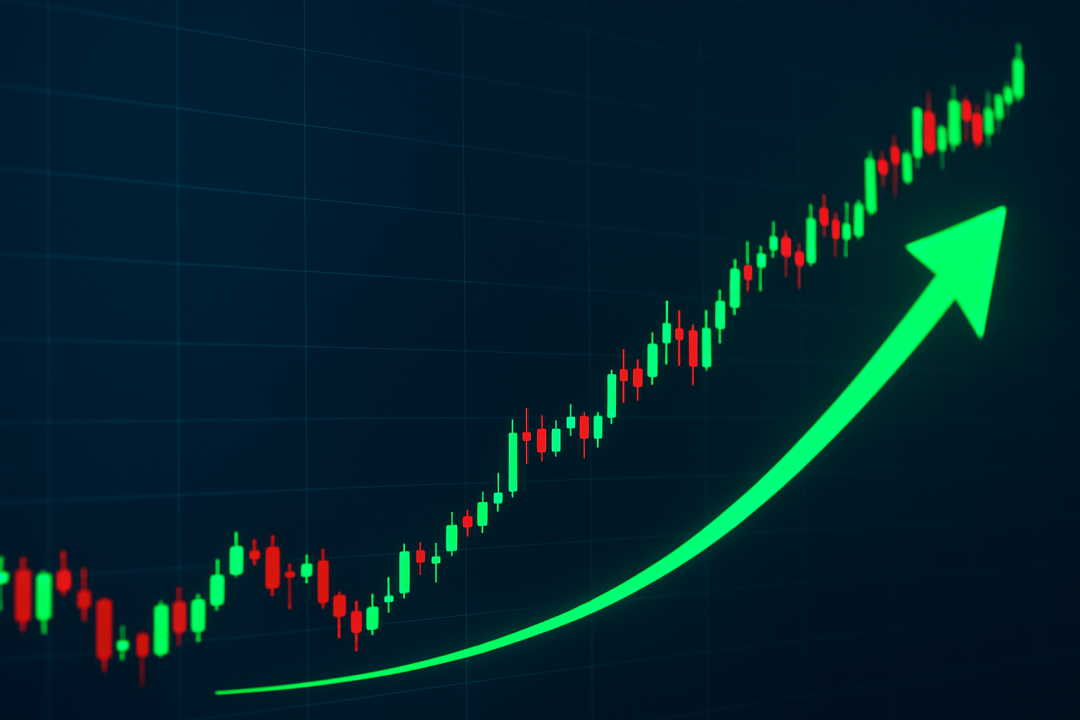
While macroeconomic factors set the stage, specific technological advancements and sector-specific performance are often the direct catalysts for Nasdaq surges.
The AI Revolution and Semiconductor Boom
Currently, one of the most powerful drivers for the technology sector, and consequently the Nasdaq, is the rapid advancement and adoption of Artificial Intelligence (AI). The excitement surrounding generative AI, large language models, and their potential to transform industries has spurred significant investment in companies at the forefront of this technology. This includes not only software developers and cloud service providers but, critically, semiconductor manufacturers. Companies that design and produce the high-performance chips essential for AI computing have seen unprecedented demand and valuation increases. A surge in demand for AI-enabling hardware and software translates directly into higher revenues and optimistic forecasts for these companies, drawing significant investor capital into the sector and boosting the Nasdaq. The narrative of AI as the next major technological paradigm shift fuels long-term growth expectations.
Software and Cloud Computing Strength
The digital transformation trend, accelerated by recent global shifts, continues to drive strong demand for enterprise software and cloud computing services. Businesses across all sectors are investing heavily in cloud infrastructure, Software-as-a-Service (SaaS) solutions, and cybersecurity to enhance efficiency, innovate, and secure their operations. Companies providing these essential digital tools often have recurring revenue models and high-profit margins, making them attractive to investors seeking consistent growth. Continued strong subscription numbers, expanded client bases, and innovative product offerings from leading software and cloud companies contribute significantly to the Nasdaq’s upward trajectory.
Market Sentiment and Technical Factors
Beyond fundamental economic and corporate data, the collective psychology of the market and various technical trading indicators can also play a role in daily movements.
Investor Confidence and Risk Appetite
Market sentiment is a powerful, albeit often intangible, force. When investor confidence is high, and risk appetite increases, capital tends to flow into growth stocks that promise higher returns, even if they come with increased volatility. A positive sentiment can be fueled by a series of good news items, successful market tests of economic resilience, or a perception that the worst of economic uncertainty is behind us. Conversely, when sentiment sours, investors typically retreat to safer assets, leading to declines in growth-heavy indices. A period of sustained positive news can create a self-fulfilling prophecy, drawing in more buyers and pushing the Nasdaq higher.
Technical Breakouts and Momentum Trading
Technical analysis, which studies past market data, primarily price and volume, to forecast future price movements, can also influence daily performance. When the Nasdaq Composite breaks above a key resistance level, or when certain momentum indicators signal a strong upward trend, it can trigger additional buying from algorithm-driven funds and momentum traders. These actions can amplify an existing upward move, even if the initial catalyst was fundamental. While technical factors are often secondary to fundamental drivers, they can accelerate or exaggerate market reactions in the short term.
Navigating Volatility and Future Outlook
While a strong upswing in the Nasdaq is a welcome sight for investors, it is crucial to maintain a balanced perspective. Financial markets are dynamic, and daily movements are merely snapshots in a larger, ever-evolving cycle. Today’s gains could be influenced by a temporary surge in optimism, specific news events, or short-term trading behaviors.
Investors should always consider the broader context and potential future headwinds, such as persistent inflation, geopolitical tensions, unexpected shifts in monetary policy, or a slowdown in economic growth. A healthy market thrives on a balance of growth opportunities and realistic risk assessment. For long-term investors, daily market movements serve as indicators, but a diversified portfolio and a clear investment strategy remain paramount to navigating the inherent volatility of the market and capitalizing on the long-term growth potential of innovative companies.
aViewFromTheCave is a participant in the Amazon Services LLC Associates Program, an affiliate advertising program designed to provide a means for sites to earn advertising fees by advertising and linking to Amazon.com. Amazon, the Amazon logo, AmazonSupply, and the AmazonSupply logo are trademarks of Amazon.com, Inc. or its affiliates. As an Amazon Associate we earn affiliate commissions from qualifying purchases.