
The dream of homeownership is a cornerstone of the American financial landscape, a significant milestone that offers both stability and a pathway to building long-term wealth. However, transitioning from dreaming to doing often involves navigating a complex landscape of financial requirements and lender expectations. The crucial question, “What do I qualify for mortgage?” isn’t just about a number; it’s about understanding the intricate interplay of your financial profile, market conditions, and the specific criteria lenders use to assess risk and determine your eligibility.
Embarking on the mortgage qualification journey requires a blend of self-assessment, diligent preparation, and strategic planning. This guide aims to demystify the process, providing a comprehensive overview of the key factors lenders scrutinize, practical steps you can take to strengthen your application, and what to expect as you move towards securing your home loan. By understanding these elements, you can approach the process with confidence, clarity, and a solid foundation for achieving your homeownership goals.
Understanding the Fundamentals of Mortgage Qualification
At its core, mortgage qualification is a lender’s assessment of your ability and willingness to repay a substantial loan over an extended period. This evaluation isn’t arbitrary; it’s based on established financial metrics and a risk-averse approach designed to protect both the borrower and the lender.
The Core Pillars: Credit Score, Income, and Debt
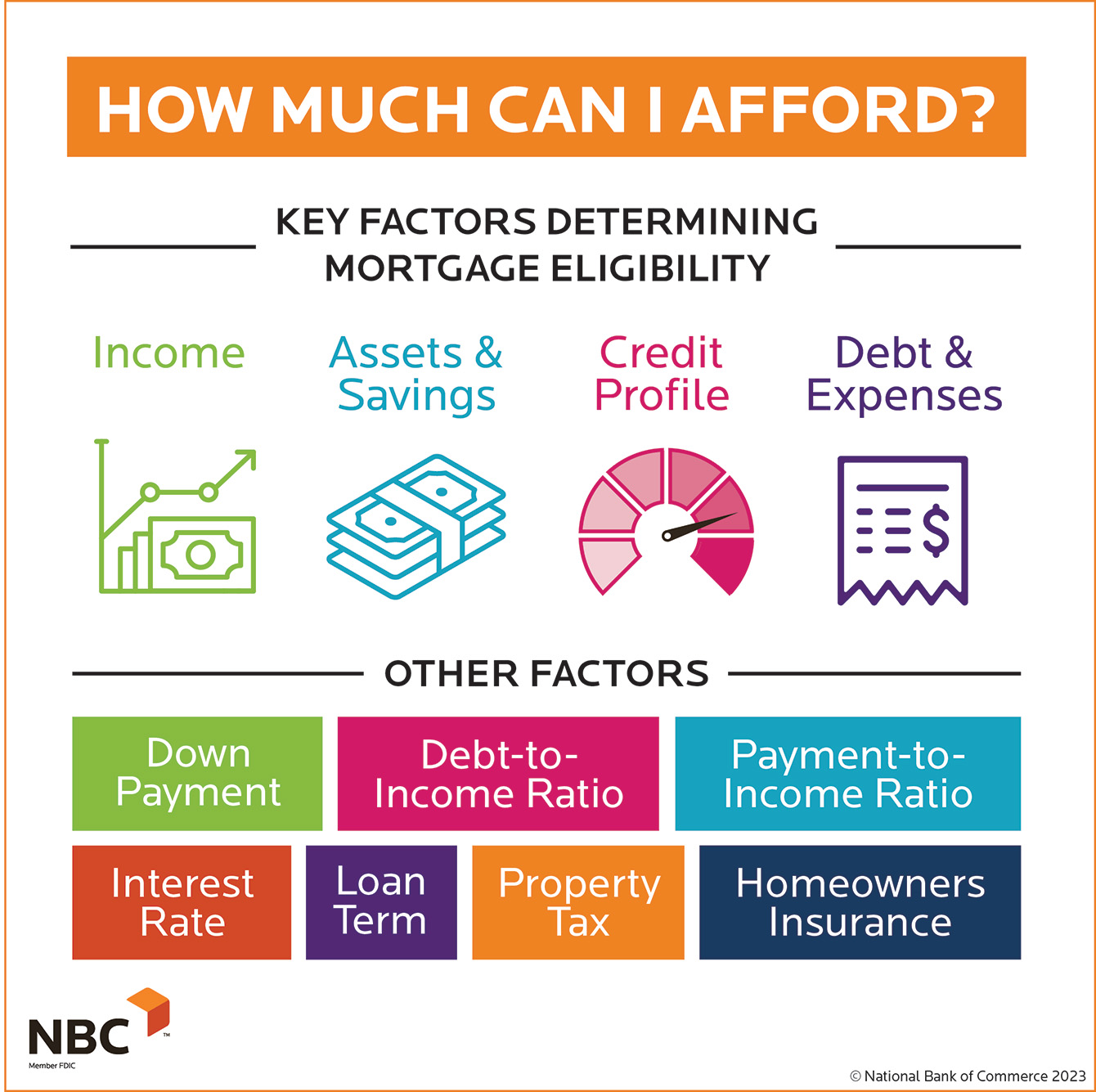
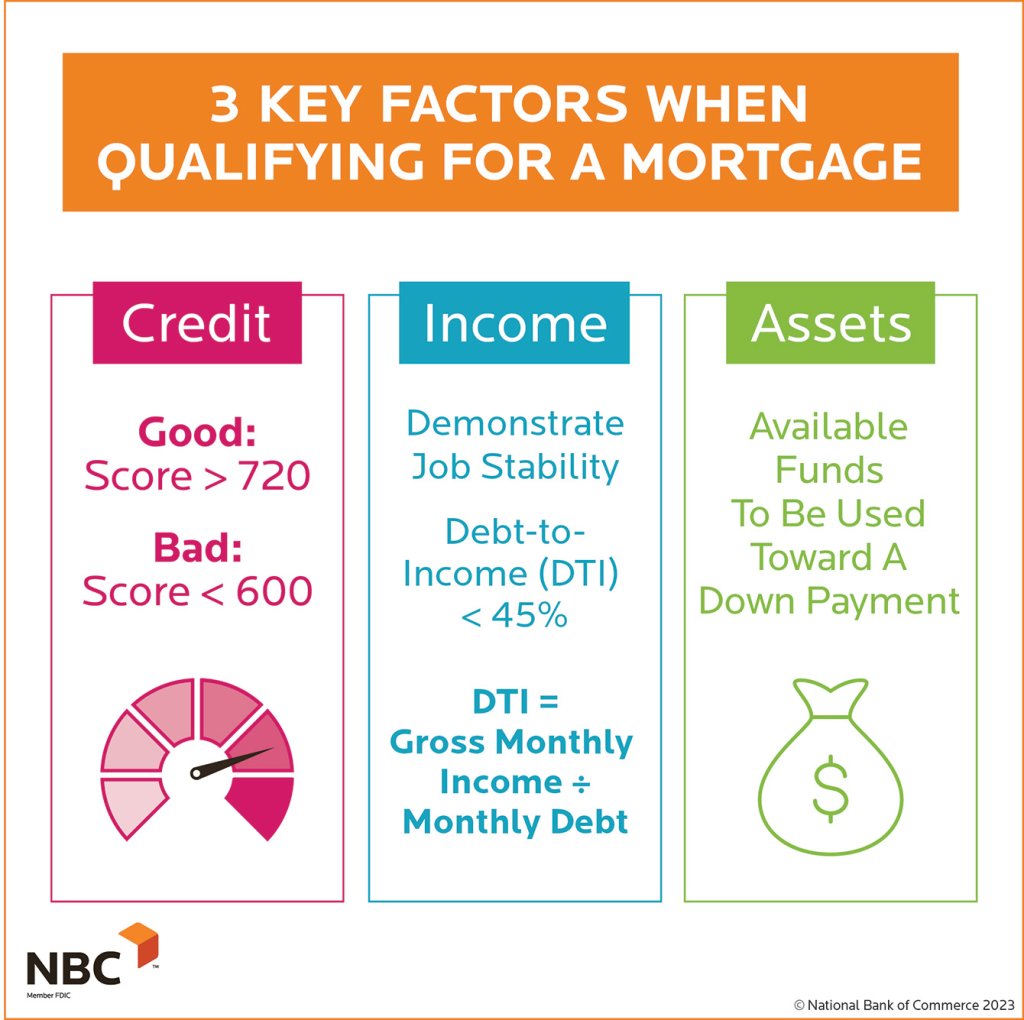
Three fundamental pillars underpin virtually every mortgage qualification decision: your creditworthiness, your income stability, and your existing debt load. These three elements collectively paint a picture of your financial health and capacity.
- Credit Score: This three-digit number is a snapshot of your historical financial responsibility. It reflects how consistently you’ve paid your bills on time, managed credit, and handled debt. A higher score signals lower risk to lenders.
- Income: Lenders need assurance that you have a stable and sufficient income stream to comfortably cover your monthly mortgage payments, property taxes, insurance, and other housing-related expenses. The source, consistency, and verifiable nature of your income are all critical.
- Debt: Your existing financial obligations, from credit card balances to car loans and student debt, directly impact your ability to take on additional housing debt. Lenders calculate your Debt-to-Income (DTI) ratio to gauge this balance.
Lenders’ Perspective: Assessing Your Risk Profile
From a lender’s viewpoint, every mortgage application represents a level of risk. Their primary objective is to lend money responsibly, minimizing the chances of default. They use various criteria to construct your risk profile:
- Payment History: A track record of on-time payments demonstrates reliability.
- Credit Utilization: How much of your available credit you’re using. High utilization can signal financial strain.
- Length of Credit History: A longer history with responsible management is generally more favorable.
- Types of Credit: A healthy mix of revolving (credit cards) and installment (car loans) credit is often preferred.
- New Credit: Too many recent credit inquiries can raise a red flag, suggesting potential over-indebtedness.
The Importance of Down Payment and Loan-to-Value (LTV)
While not strictly a “qualification” factor in the same way as credit or income, your down payment significantly influences the terms of your mortgage and can impact your perceived eligibility. The down payment directly affects the Loan-to-Value (LTV) ratio, which is the amount of your mortgage compared to the appraised value of the home. A lower LTV (meaning a larger down payment) often translates to lower interest rates, more favorable loan terms, and a reduced need for Private Mortgage Insurance (PMI).
Deep Dive into Financial Metrics: What Lenders Scrutinize
To determine what you qualify for, lenders will meticulously examine several key financial metrics. Understanding these numbers and how they are calculated is crucial for preparing a strong application.
Credit Score: Your Financial Report Card
Your credit score, primarily FICO and VantageScore, is a critical gatekeeper in the mortgage qualification process. Scores typically range from 300 to 850, with higher scores indicating lower risk.
- Good vs. Excellent: While a “good” credit score (often 670-739) might get you approved, an “excellent” score (740+) can unlock the most competitive interest rates, saving you tens of thousands of dollars over the life of the loan.
- Impact on Rates: Even a modest difference in your credit score can translate into a significant difference in your interest rate, directly affecting your monthly payment and overall cost of borrowing.
- Checking Your Score: Regularly check your credit report from all three major bureaus (Experian, Equifax, TransUnion) to identify and dispute any inaccuracies. Websites like AnnualCreditReport.com offer free annual reports.
Income Stability and Verification: Proving Your Earning Power
Lenders need to be confident in your ability to make consistent payments. This means verifying not just how much you earn, but also the stability and source of that income.
- W2 Employees: For those employed by a company, lenders typically look for a consistent employment history (usually two years with the same employer or in the same field) and will require W2 forms, pay stubs, and potentially employment verification letters.
- Self-Employed Individuals: If you’re self-employed, a freelancer, or a small business owner, the verification process is more rigorous. You’ll likely need to provide two years of tax returns, profit and loss statements, and bank statements to demonstrate stable and consistent income. Lenders often look at your net income after business expenses, which can be lower than your gross revenue.
- Other Income Sources: Rental income, alimony, child support, social security, or disability income can also be considered, but generally require a consistent history of receipt and proper documentation.
Debt-to-Income (DTI) Ratio: The Balancing Act
The Debt-to-Income (DTI) ratio is one of the most critical calculations lenders perform. It compares your total monthly debt payments to your gross monthly income. There are two main types:
- Front-End DTI (Housing Ratio): This calculates your new monthly housing expenses (mortgage principal & interest, property taxes, homeowner’s insurance, HOA fees) as a percentage of your gross monthly income.
- Back-End DTI (Total DTI): This is a broader measure, including all your monthly debt payments (housing expenses plus credit card minimums, car loans, student loans, personal loans) as a percentage of your gross monthly income.
- Ideal Ratios: While specific limits vary by loan program and lender, a common guideline is a 28/36 rule. This suggests your front-end DTI shouldn’t exceed 28%, and your back-end DTI should be no more than 36%. Some programs, particularly FHA loans, may allow for higher DTI ratios, sometimes up to 43-50%, but this often comes with other compensating factors like a higher credit score or substantial reserves.
Beyond the Numbers: Other Crucial Factors
While credit, income, and DTI are paramount, several other factors can significantly influence your mortgage qualification and the terms you’re offered.
Down Payment: The More, The Merrier (Usually)
The size of your down payment directly impacts your LTV ratio and your overall loan terms.
- Minimums: Many loan programs allow for low down payments (e.g., FHA loans at 3.5%, conventional loans as low as 3%, VA and USDA loans with 0% down for eligible borrowers).
- Private Mortgage Insurance (PMI): If your down payment is less than 20% on a conventional loan, lenders will typically require you to pay for PMI, an additional monthly cost that protects the lender if you default.
- Benefits of Larger Down Payments: A larger down payment reduces your monthly payment, decreases the total interest paid over the life of the loan, builds equity faster, and can eliminate PMI, making your application more attractive to lenders.

Reserves: A Safety Net for Lenders
Lenders often look for “reserves,” which are liquid assets (cash, savings, checking accounts, certain investment accounts) that you would still have left after closing on the home and making your down payment. These reserves act as a financial buffer, demonstrating that you can handle unexpected expenses or temporary income disruptions without jeopardizing your mortgage payments. The required amount of reserves can vary, but having a few months’ worth of mortgage payments in liquid assets is often a strong indicator of financial stability.
Property Type and Location: Affecting Loan Eligibility
The type of property you intend to purchase can also influence qualification.
- Single-Family Homes: Generally the easiest to finance.
- Condominiums: Often have additional criteria, as lenders also assess the financial health and occupancy rates of the entire condo association.
- Multi-Family Homes (2-4 units): Can be financed with conventional or FHA loans if you intend to live in one of the units, but lenders will assess potential rental income and demand higher reserves.
- Rural vs. Urban: Location can impact eligibility for specific programs like USDA loans, which are designed for rural properties.
Loan Programs: Tailoring to Your Needs
Different loan programs are designed to serve various borrower profiles and financial situations. Understanding these options can help you find the best fit.
- Conventional Loans: The most common type, offered by private lenders. They often require good credit and lower DTI, but can be flexible with down payment amounts.
- FHA Loans: Backed by the Federal Housing Administration, these are popular for first-time homebuyers or those with lower credit scores. They allow for lower down payments (3.5%) but require mortgage insurance for the life of the loan in most cases.
- VA Loans: Guaranteed by the Department of Veterans Affairs, these loans are for eligible service members, veterans, and their spouses. They offer 0% down payment and no PMI, making them highly attractive.
- USDA Loans: Backed by the U.S. Department of Agriculture, these loans offer 0% down payment for eligible low-to-moderate-income buyers in designated rural areas.
- Jumbo Loans: For loan amounts exceeding conventional loan limits, these require excellent credit, significant down payments, and substantial reserves.
Practical Steps to Enhance Your Mortgage Qualification
Taking proactive steps to improve your financial profile can significantly boost your qualification chances and secure better loan terms.
Review and Improve Your Credit Score
- Get Your Reports: Obtain free annual credit reports from AnnualCreditReport.com and review them for errors. Dispute any inaccuracies immediately.
- Pay Bills on Time: Payment history is the biggest factor in your score. Set up automatic payments to avoid missing due dates.
- Reduce Credit Card Balances: Keep your credit utilization ratio low (ideally below 30% of your available credit). Paying down high balances can quickly improve your score.
- Avoid New Credit: Don’t open new credit accounts or make large purchases on existing credit cards in the months leading up to your mortgage application.
Reduce Existing Debt and Manage Spending
- Prioritize High-Interest Debt: Focus on paying down credit cards or personal loans with high interest rates to reduce your overall monthly debt burden and improve your DTI.
- Create a Budget: Track your spending to identify areas where you can cut back and free up more cash for savings or debt repayment.
- Avoid Co-Signing: Co-signing for someone else’s loan makes you legally responsible for that debt, impacting your DTI and credit, even if you’re not the primary payer.
Save Diligently for a Down Payment and Reserves
- Automate Savings: Set up automatic transfers from your checking to a dedicated savings account each payday.
- Cut Discretionary Spending: Temporarily reduce non-essential expenses like dining out, entertainment, or subscription services.
- Consider a Side Hustle: Explore opportunities to earn extra income to accelerate your savings.
- Explore Down Payment Assistance Programs: Research local and state programs that offer grants or low-interest loans to help with down payments, especially for first-time buyers.
Get Pre-Approved: Your Essential First Step
One of the most valuable steps you can take is to get pre-approved for a mortgage before you start house hunting seriously.
- What is Pre-Approval? A pre-approval involves a lender reviewing your financial documents (credit report, income, assets) and providing a conditional commitment to lend you a specific amount. It’s not a guarantee, but it’s a strong indicator of what you can afford.
- Benefits: A pre-approval letter shows sellers you are a serious and qualified buyer, giving you a competitive edge in a hot market. It also clarifies your budget, preventing you from looking at homes outside your financial reach.
The Application Process and What to Expect
Once you’ve done your homework and prepared your finances, the actual application process involves several distinct stages.
Gathering Your Documentation
Be prepared to provide an extensive array of documents to verify all aspects of your financial life. This typically includes:
- Identification: Driver’s license, Social Security card.
- Income Verification: W2s (2 years), pay stubs (30-60 days), tax returns (2 years for all applicants), profit & loss statements (for self-employed).
- Asset Verification: Bank statements (2-3 months), investment account statements (2-3 months).
- Debt Information: Statements for credit cards, auto loans, student loans, and any other outstanding debts.
- Other: Rental history, divorce decrees (if applicable), gift letters (if receiving down payment assistance from family).
Working with a Loan Officer
A knowledgeable loan officer or mortgage broker will be your primary point of contact. They can help you:
- Evaluate Your Options: Guide you through different loan programs and help you choose the one that best fits your financial situation and goals.
- Structure Your Loan: Help you understand interest rates, points, and closing costs.
- Navigate the Paperwork: Assist in compiling and submitting all necessary documentation.
Navigating Underwriting and Closing
- Underwriting: After your application is submitted, it goes to the underwriting department. Underwriters meticulously review all your documentation, credit report, and the property appraisal to ensure everything meets lender and program guidelines. They may ask for additional information or clarification.
- Appraisal and Inspection: Lenders will require an appraisal to ensure the home’s value justifies the loan amount. While not always required by lenders, a home inspection is highly recommended to uncover any potential issues with the property.
- Conditional Approval: If all goes well, you’ll receive a conditional approval, often with a list of remaining conditions to meet before final approval.
- Closing: Once all conditions are met and the loan is fully approved, you’ll proceed to the closing table. This is where you sign the final loan documents, pay closing costs, and officially become a homeowner.
Understanding “What do I qualify for mortgage?” is the first crucial step on your journey to homeownership. By taking a proactive approach to your financial health, diligently preparing your documentation, and working closely with financial professionals, you can confidently navigate the qualification process and unlock the doors to your new home.
aViewFromTheCave is a participant in the Amazon Services LLC Associates Program, an affiliate advertising program designed to provide a means for sites to earn advertising fees by advertising and linking to Amazon.com. Amazon, the Amazon logo, AmazonSupply, and the AmazonSupply logo are trademarks of Amazon.com, Inc. or its affiliates. As an Amazon Associate we earn affiliate commissions from qualifying purchases.