
The dream of homeownership is a powerful one, often representing stability, personal wealth growth, and a place to truly call your own. Yet, before you can start picking out paint swatches or browsing backyards, a crucial question looms large: “How much house will I get approved for?” This isn’t just a matter of curiosity; it’s the fundamental starting point that dictates your entire homebuying journey. Understanding the amount a lender is willing to offer is paramount to setting realistic expectations, focusing your property search, and ultimately, securing your dream home without financial undue stress.

Navigating the mortgage approval process can feel like deciphering a complex financial puzzle. Lenders delve deep into your financial history, current income, and debt obligations to determine your creditworthiness and repayment capacity. It’s a comprehensive assessment designed to protect both you and the financial institution. This article will demystify the key factors lenders scrutinize, guide you through practical steps to bolster your approval potential, and help you understand not only what you can be approved for, but what you can comfortably afford.
Understanding the Core Factors Lenders Evaluate
When you apply for a mortgage, lenders aren’t just looking at a single number on your bank statement. They employ a holistic approach, weighing several interconnected factors to paint a complete picture of your financial health and your reliability as a borrower. Each piece of this puzzle contributes to their ultimate decision regarding your loan amount and interest rate.
Your Credit Score and History
Your credit score, typically a FICO score ranging from 300 to 850, is often the first metric lenders consider. It’s a numerical representation of your creditworthiness, reflecting your history of borrowing and repaying debt. A higher score signifies a lower risk to lenders.
- Why it Matters: A strong credit score (generally 740 and above) can unlock the most favorable interest rates and loan terms, saving you tens of thousands of dollars over the life of the loan. Lower scores might still qualify you for a mortgage, particularly through programs like FHA loans (which may accept scores as low as 580 in some cases), but often come with higher interest rates or additional fees like mortgage insurance.
- What Lenders Look For: Beyond the score, lenders examine your credit report for a detailed history. They want to see a consistent pattern of on-time payments, a diverse mix of credit (e.g., credit cards, auto loans, student loans), and a low credit utilization ratio (how much credit you’re using versus how much is available). Derogatory marks like late payments, bankruptcies, or collections can significantly impact your approval amount and eligibility.
- Improving Your Credit: Before applying, review your credit reports from all three major bureaus (Experian, Equifax, TransUnion) for inaccuracies and dispute any errors. Focus on paying bills on time, reducing outstanding debt, and avoiding opening new credit accounts.
Debt-to-Income (DTI) Ratio
Your Debt-to-Income (DTI) ratio is a critical indicator of your ability to manage monthly payments. It’s a percentage that compares your total monthly debt payments to your gross monthly income. Lenders typically look at two types of DTI:
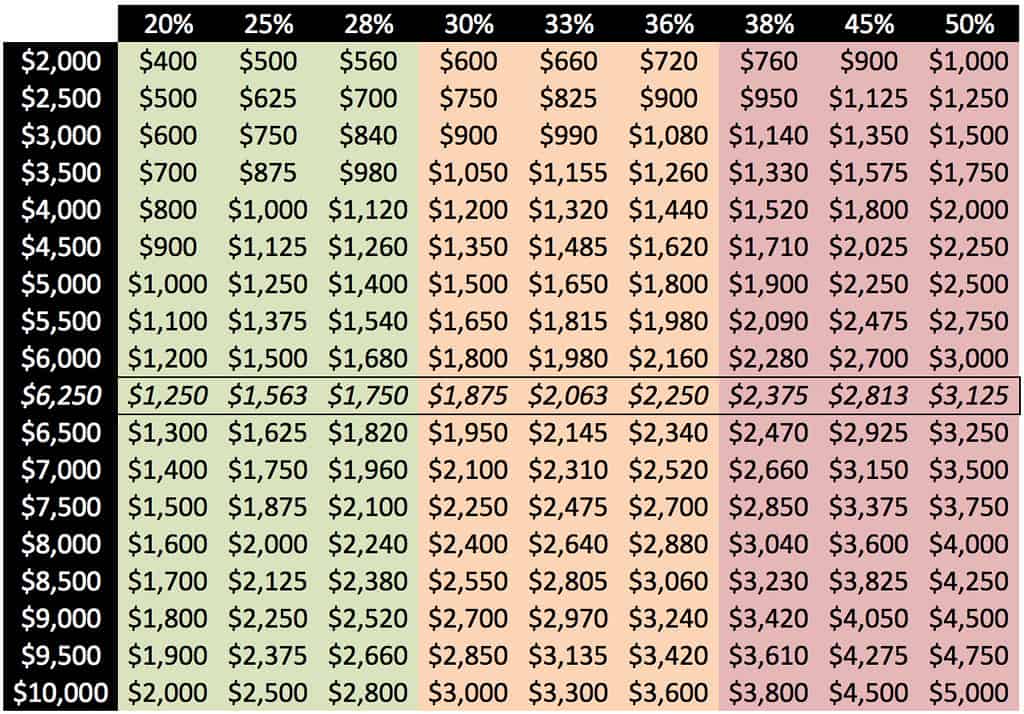
- Front-end DTI: This represents the percentage of your gross monthly income that would go towards your new housing payment (principal, interest, property taxes, homeowner’s insurance, and HOA fees, if applicable). A common acceptable limit for conventional loans is 28%.
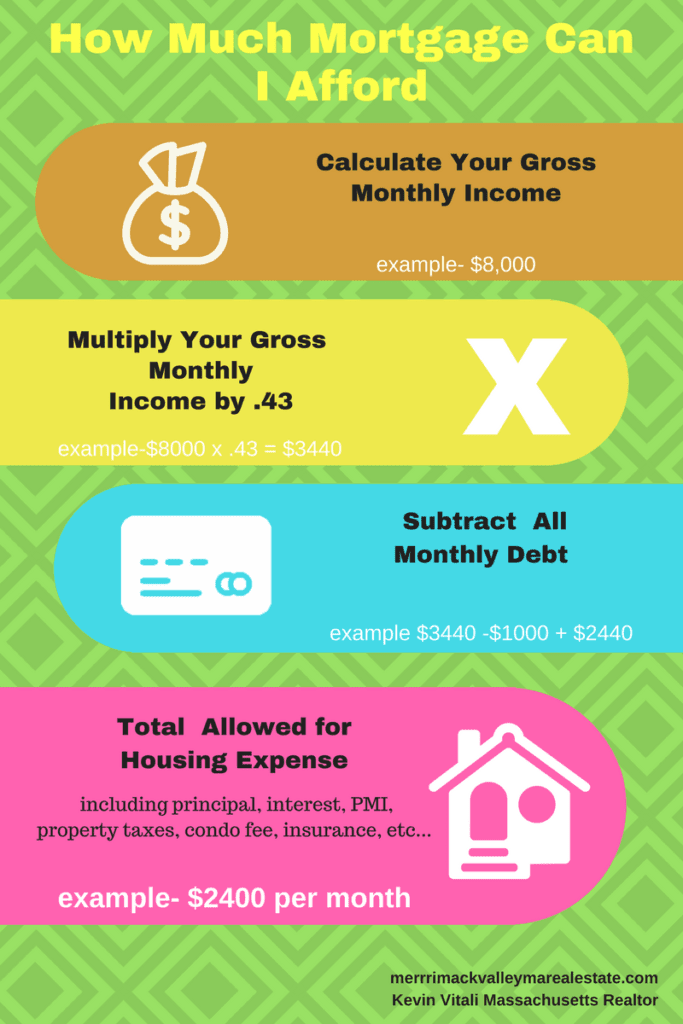
- Back-end DTI: This is a broader measure that includes all your monthly debt obligations – your potential new housing payment plus credit card minimums, student loan payments, car loans, and any other recurring debt – divided by your gross monthly income. Most lenders prefer a back-end DTI of no more than 36% for conventional loans, though some programs, like FHA loans, can go as high as 43-50% in certain circumstances.
- Calculating Your DTI: Sum up your total monthly minimum debt payments. Divide this by your gross monthly income (before taxes and deductions). Multiply by 100 to get the percentage.
- Strategies to Lower DTI: Pay off existing debts, particularly high-interest credit card balances. Avoid taking on new debt before and during the mortgage application process.
Income Stability and Verification
Lenders need assurance that you have a stable and sufficient income stream to consistently make your mortgage payments. They want to see a reliable employment history and income that is likely to continue.
- Proof of Consistent Income: You’ll typically need to provide recent pay stubs (30-60 days), W-2 forms (for the past two years), and potentially federal tax returns (two years) to verify your income.
- Self-Employed Applicants: If you’re self-employed, an independent contractor, or own a business, lenders generally require two years of complete personal and business tax returns to assess your average income and business expenses. This helps them understand the consistency and sustainability of your earnings.
- Variable Income: Income from bonuses, commissions, or overtime may be considered, but lenders usually require a two-year history to establish a consistent average. They may also “average out” this income over those two years, making it slightly less impactful than base salary.
- Job History: A stable job history (typically two years in the same field or with the same employer) is preferred. Frequent job changes, even if promotions, can sometimes raise questions unless a clear upward trajectory in the same industry is evident.
Down Payment and Reserves
The amount of money you can put down on a home, and the cash reserves you have left after closing, significantly influence your approval.
- Significance of Down Payment: A larger down payment (e.g., 20% or more) reduces the amount you need to borrow, lowers your monthly mortgage payment, and immediately gives you more equity in the home. For conventional loans, a 20% down payment typically allows you to avoid Private Mortgage Insurance (PMI), a monthly premium paid to protect the lender.
- Loan Program Requirements: Down payment requirements vary widely by loan type:
- Conventional Loans: Often require 5-20% down, though some programs offer as little as 3%.
- FHA Loans: Backed by the Federal Housing Administration, these allow down payments as low as 3.5% for borrowers with a credit score of 580 or higher.
- VA Loans: For eligible veterans and service members, these loans require no down payment.
- USDA Loans: For properties in eligible rural areas, these loans also require no down payment.
- Reserves: Lenders also look at your cash reserves – the money you’d have remaining in savings or other liquid accounts after making your down payment and paying closing costs. These reserves act as a financial cushion, assuring the lender you can handle unforeseen expenses or temporary income disruptions without defaulting on your mortgage. Often, lenders prefer to see at least two to three months of mortgage payments in reserves.
The Lender’s Perspective: What Are They Really Looking At?
Beyond the raw numbers, lenders are engaged in a sophisticated risk assessment. They’re not just confirming if you can make payments, but if you’re likely to make them consistently for the next 15 to 30 years. This involves understanding their various loan products and the intricate underwriting process.
Risk Assessment and Loan Programs
Each mortgage product is designed for a specific borrower profile and comes with its own set of eligibility criteria, reflecting different levels of risk tolerance for the lender.
- Conventional Loans: These are not backed by a government agency and typically have stricter credit and DTI requirements. They are ideal for borrowers with strong credit and a substantial down payment, offering flexibility and often avoiding PMI with 20% down.
- FHA Loans: Insured by the FHA, these loans are popular for first-time homebuyers or those with less-than-perfect credit or a smaller down payment. While easier to qualify for, they require both an upfront and annual Mortgage Insurance Premium (MIP).
- VA Loans: Guaranteed by the Department of Veterans Affairs, these are exclusive to eligible veterans, active-duty service members, and surviving spouses. They offer significant benefits, including no down payment, no PMI, and competitive interest rates, making them an excellent option for those who qualify.
- USDA Loans: Backed by the U.S. Department of Agriculture, these loans aim to promote homeownership in rural and suburban areas. They offer 100% financing (no down payment) and competitive rates for eligible low-to-moderate-income borrowers and properties.
- Jumbo Loans: For loan amounts exceeding the conventional conforming loan limits (which vary by region), jumbo loans are required. These are considered higher risk and typically have stricter underwriting criteria, requiring higher credit scores, lower DTI, and larger reserves.
Understanding these programs helps lenders match your financial profile to the most suitable product, thereby determining the maximum loan amount they can comfortably offer.
Underwriting Process Demystified
The underwriting process is where a lender’s deep dive truly happens. It’s the critical phase where an underwriter evaluates your entire application, along with the property itself, to make a final lending decision.
- Pre-qualification vs. Pre-approval:
- Pre-qualification: A preliminary estimate based on self-reported financial information. It’s a quick check but holds little weight.
- Pre-approval: A much more robust process. The lender reviews your actual credit report, income documentation, and assets to give you a conditional commitment for a specific loan amount. This letter is crucial for making offers on homes, as it shows sellers you are a serious and qualified buyer.
- Document Submission and Verification: After pre-approval, the formal application process requires extensive documentation, including bank statements, investment account statements, gift letters (if applicable for down payment funds), and more. The underwriter meticulously verifies every piece of information.
- Appraisal and Inspection: Lenders mandate a property appraisal to ensure the home’s value justifies the loan amount. They don’t want to lend more than the home is worth. While often not required by the lender, a home inspection is highly recommended for the buyer to identify any potential issues with the property’s condition before committing.
- The Underwriter’s Role: The underwriter is the final decision-maker. They look for consistency, stability, and potential red flags across all aspects of your financial profile and the property. Their role is to mitigate risk for the lender by ensuring the loan meets all guidelines for the specific loan program.
Practical Steps to Maximize Your Approval Potential
While the lender’s criteria are fixed, your financial preparedness is within your control. Proactive steps can significantly enhance your approval chances and potentially secure better loan terms.
Get Your Financial House in Order Early
The earlier you start preparing, the better positioned you’ll be. Think of it as training for a financial marathon.
- Review Credit Reports and Dispute Errors: This is paramount. Even small errors can drag down your score. Get free reports annually from AnnualCreditReport.com.
- Pay Down High-Interest Debt: Prioritize credit cards, personal loans, and any other debt with high interest rates. Reducing these balances improves your DTI and frees up more monthly income.
- Build an Emergency Fund: Aim for at least 3-6 months of living expenses. This not only shows lenders you have reserves but also provides critical financial security for you.
- Save Diligently for a Larger Down Payment: Even an extra percentage point on your down payment can make a difference in your loan-to-value (LTV) ratio, potentially lowering your interest rate or avoiding PMI.
- Avoid New Debt or Large Purchases: In the months leading up to and during your mortgage application, refrain from opening new credit cards, financing a car, or making large purchases on credit. This can negatively impact your credit score and DTI, throwing a wrench into your approval.
Consult with a Mortgage Professional
Don’t go it alone. A knowledgeable mortgage professional can be an invaluable guide through this complex process.
- Mortgage Brokers vs. Direct Lenders:
- Direct Lenders (e.g., banks, credit unions): Offer their own specific loan products.
- Mortgage Brokers: Work with multiple lenders and can shop around for the best rates and programs that fit your unique situation.
- Benefits of Personalized Advice: A professional can assess your specific financial situation, identify potential roadblocks, and recommend the best loan programs for you. They can also help you understand the nuances of different loan terms.
- The Value of a Pre-approval Letter: As mentioned, obtaining a pre-approval letter is a crucial step. It solidifies your buying power and makes your offers more attractive to sellers in a competitive market.
Explore First-Time Homebuyer Programs and Assistance
Many resources are available to help individuals overcome common barriers to homeownership, especially for first-time buyers.
- State and Local Programs: Research programs offered by your state housing finance agency or local government. These often include favorable interest rates, down payment assistance, or closing cost assistance.
- Down Payment Assistance (DPA): Many programs offer grants or low-interest loans to help cover your down payment, making homeownership more accessible.
- Grants and Tax Credits: Some programs provide non-repayable grants or tax credits that can significantly reduce your out-of-pocket costs. These can be particularly impactful in bridging the gap between your savings and the necessary funds to close on a home.
Beyond Approval: Understanding What You Can Truly Afford
Getting approved for a mortgage is a significant milestone, but it’s crucial to distinguish between what a lender says you can borrow and what you can comfortably afford. Overextending yourself financially can quickly turn the dream of homeownership into a nightmare.
The Difference Between Approved Amount and Comfortable Payment
Lenders calculate your maximum approval based on a strict set of financial ratios and guidelines. However, these calculations may not fully account for your personal lifestyle, financial goals, or the hidden costs of homeownership.
- Lenders Look at Minimums; You Need to Consider Your Lifestyle: An approval amount might push your DTI to the very limit of what’s acceptable. While technically affordable, this could leave you with very little disposable income for other expenses, savings, or leisure activities.
- Factoring in Non-Mortgage Homeownership Costs: Beyond the principal and interest of your mortgage, a home comes with a host of other unavoidable expenses:
- Property Taxes: Can be substantial and fluctuate annually.
- Homeowner’s Insurance: Essential protection against damage and liability.
- HOA Fees: If applicable, these monthly fees can add hundreds to your housing costs.
- Utilities: Heating, cooling, electricity, water, internet – often higher in a larger home.
- Maintenance and Repairs: Leaky roofs, broken appliances, landscaping, pest control – these unforeseen costs can quickly add up. Budget at least 1-3% of your home’s value annually for maintenance.
- The 28/36% Rule is a Guideline, Not a Maximum: While lenders use DTI ratios, aiming to keep your housing costs well below the maximum allowed can provide invaluable financial breathing room.
- Creating a Detailed Personal Budget: Before committing to a home, create a comprehensive budget that includes all your current expenses, savings goals, and the potential costs of homeownership. This will reveal your true affordability and help you avoid being “house poor.”
Future Financial Goals and Flexibility
Purchasing a home is one of the largest financial decisions you’ll make. It should align with, rather than derail, your broader financial aspirations.
- Don’t Stretch Yourself Too Thin: Ensure your mortgage payments leave enough room for other vital financial goals like saving for retirement, contributing to college funds, investing, or building a robust emergency fund. Sacrificing these long-term goals for a larger house now can have significant repercussions down the line.
- Consider Potential Future Changes: Life is unpredictable. Think about potential changes in your income (e.g., job loss, career change), family size (e.g., children, elderly parents), or other major life events. A mortgage payment that is manageable today should ideally remain so under various future scenarios.
- Aim for a Payment that Allows for Financial Breathing Room: The ideal scenario is a mortgage payment that you can comfortably afford, leaving you with sufficient discretionary income to enjoy your life, manage unexpected expenses, and continue building wealth. Your home should be an asset, not a financial burden.
Conclusion
Determining “how much house you will get approved for” is a multi-faceted process that hinges on a thorough evaluation of your creditworthiness, income stability, debt obligations, and available assets. Lenders look at everything from your FICO score to your down payment, all to assess the risk involved in lending you a substantial sum of money over decades.
While the approval amount gives you a concrete budget, it’s equally crucial to align that figure with what you can truly afford and what aligns with your long-term financial health and lifestyle. Don’t let the excitement of homeownership overshadow prudent financial planning.
By understanding the key factors lenders consider, proactively getting your financial house in order, consulting with mortgage professionals, and diligently budgeting for all homeownership costs, you can confidently navigate the mortgage approval process. Your informed preparation will empower you to make a responsible decision, securing not just a house, but a home that genuinely contributes to your financial well-being and future happiness. Start preparing today, and take the first step towards realizing your homeownership dreams on solid financial ground.
aViewFromTheCave is a participant in the Amazon Services LLC Associates Program, an affiliate advertising program designed to provide a means for sites to earn advertising fees by advertising and linking to Amazon.com. Amazon, the Amazon logo, AmazonSupply, and the AmazonSupply logo are trademarks of Amazon.com, Inc. or its affiliates. As an Amazon Associate we earn affiliate commissions from qualifying purchases.