
Defining “a good interest rate” isn’t a straightforward task; it’s a dynamic concept heavily influenced by economic conditions, individual financial profiles, and the specific financial product in question. What constitutes a favorable rate for a borrower is often the inverse of what’s desirable for a saver. Understanding this duality, along with the underlying factors that dictate rates, is crucial for making informed financial decisions.
The Dynamic Nature of Interest Rates
Interest rates are not static figures but rather fluid metrics that respond to a complex interplay of macroeconomic forces and central bank policies. Their constant flux means that a rate considered “good” today might be merely average or even subpar tomorrow.
Influencing Factors
Several key elements contribute to the continuous motion of interest rates:
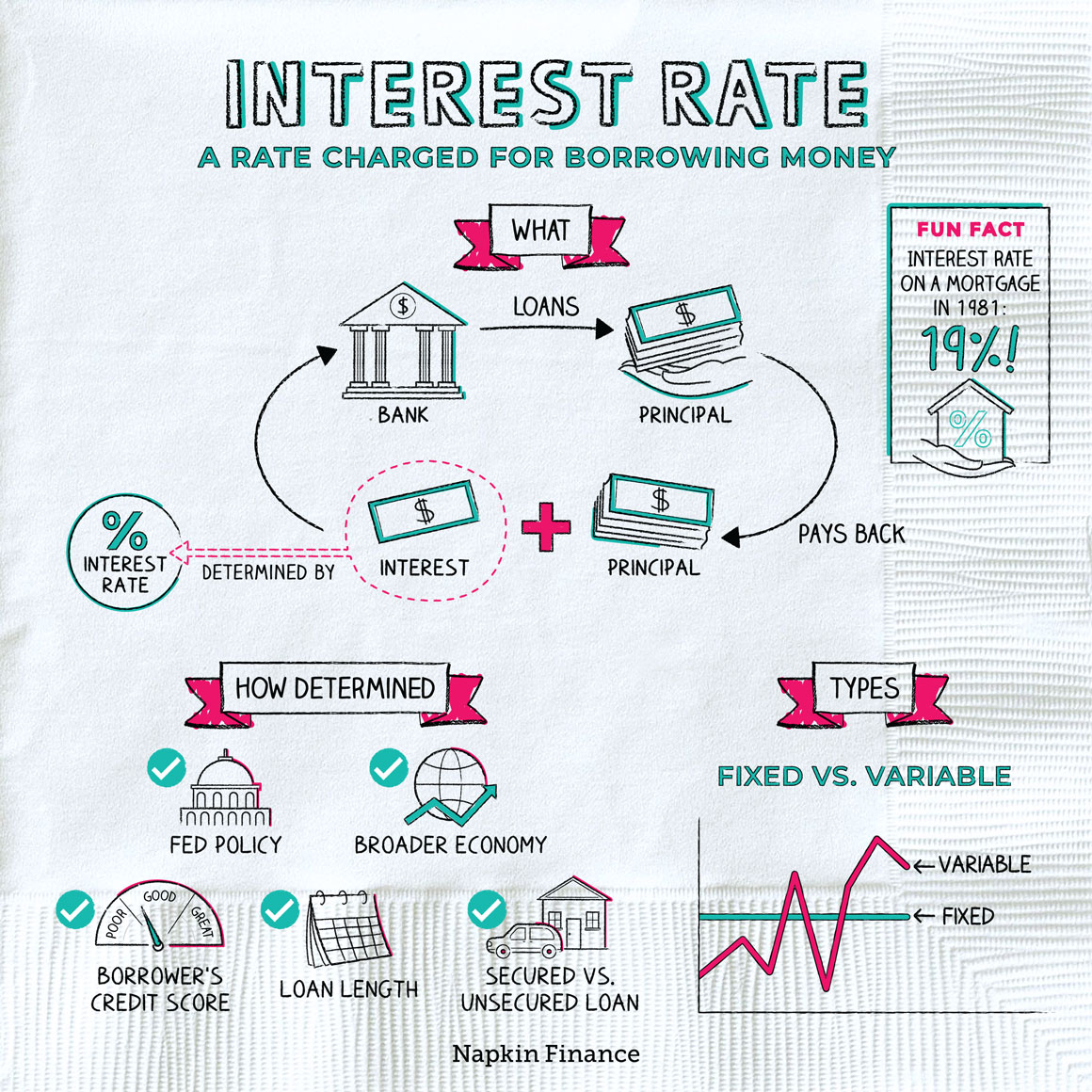
- Federal Reserve Policy/Central Bank Rates: The most significant driver of interest rates in many economies is the central bank’s monetary policy. In the United States, the Federal Reserve sets the federal funds rate, which influences the prime rate and, subsequently, other interest rates offered by commercial banks for loans and savings products. When the Fed raises rates to combat inflation, borrowing costs generally rise, while savings rates may also increase. Conversely, lowering rates aims to stimulate economic activity, making borrowing cheaper but potentially reducing returns on savings.
- Inflation: Inflation, the rate at which the general level of prices for goods and services is rising, erodes the purchasing power of money over time. Lenders demand higher interest rates during periods of high inflation to ensure their future returns aren’t diminished by rising costs. Savers also need higher nominal interest rates to achieve a positive “real” rate of return after accounting for inflation. A “good” savings rate must at least outpace inflation to preserve purchasing power.
- Economic Growth/Unemployment: A robust economy, characterized by low unemployment and strong growth, often leads to higher demand for credit, which can push interest rates up. Businesses borrow more to expand, and consumers are more confident in taking on debt. Conversely, during economic downturns, central banks may lower rates to encourage borrowing and investment, stimulating recovery.
- Market Demand and Supply: Like any commodity, money is subject to the forces of supply and demand. If there’s high demand for loans (e.g., during a housing boom) and a limited supply of available capital, interest rates tend to rise. Conversely, an abundance of capital and low borrowing demand can drive rates down.
Differentiating Good Rates by Financial Product
The definition of a “good” interest rate critically depends on whether you are borrowing money or saving/investing it, and the specific financial instrument involved.
For Borrowers (Loans and Credit)
For borrowers, a good interest rate is unequivocally a low one. It minimizes the cost of borrowing, making debt more affordable and freeing up cash flow for other purposes.
- Mortgages: These are often the largest debt most individuals take on. A “good” mortgage rate can save tens or hundreds of thousands of dollars over the life of the loan. Rates vary based on credit score, down payment, loan term (15-year vs. 30-year), and whether it’s a fixed-rate or adjustable-rate mortgage (ARM). Government-backed loans (FHA, VA) can sometimes offer lower rates to eligible borrowers. A good rate here is typically below the prevailing market average for your credit tier.
- Personal Loans: Used for a variety of purposes from debt consolidation to home improvements. Rates are highly dependent on creditworthiness and whether the loan is secured (backed by collateral) or unsecured. A good rate for an unsecured personal loan for someone with excellent credit might be in the single digits, whereas a higher-risk borrower could face rates in the mid-to-high double digits.
- Auto Loans: Similar to personal loans, auto loan rates are influenced by credit score, loan term, and the vehicle’s age. Dealerships may offer promotional low-APR financing for new cars, which can be an excellent rate if you qualify. For used cars, rates are generally higher.
- Credit Cards: These typically carry the highest interest rates among common loan products, often ranging from 15% to 25% APR or more. A “good” credit card rate is rare outside of promotional 0% APR offers for balance transfers or new purchases, which can be excellent for managing debt short-term. Otherwise, minimizing the APR is key, ideally by paying off balances in full each month to avoid interest charges altogether.
For Savers and Investors (Deposits and Yields)
For savers and investors, a good interest rate is a high one. It maximizes returns on deposited funds or investments, helping money grow faster.
- Savings Accounts: Traditional savings accounts at large banks often offer meager rates, sometimes below 0.10% APY. A “good” savings rate today typically comes from High-Yield Savings Accounts (HYSAs) offered by online banks or credit unions, which can offer APYs many times higher than traditional accounts. A good rate for a savings account would significantly exceed the national average and ideally keep pace with or surpass inflation.
- Certificates of Deposit (CDs): CDs offer a fixed interest rate for a fixed term (e.g., 6 months to 5 years). Longer terms generally offer higher rates. A “good” CD rate is one that is competitive with current HYSAs but provides the certainty of a fixed return for a specific period, especially when interest rates are expected to fall.
- Money Market Accounts: These offer a blend of savings account liquidity and potentially higher rates, often tied to market interest rates. A good money market rate will be competitive with HYSAs.
- Bonds: Bonds are essentially loans made to governments or corporations, paying interest to the bondholder. A “good” bond yield depends on the issuer’s creditworthiness and market conditions. Government bonds are generally lower yield but safer, while corporate bonds offer higher yields for greater risk.
Benchmarking and Comparison
Identifying a good interest rate requires diligence in comparing available options against prevailing market benchmarks. Without comparison, it’s impossible to determine if an offer is truly favorable.
Where to Find Market Rates
- Reputable Financial News Sources: Major financial publications and websites often publish daily or weekly updates on average mortgage rates, savings rates, and other key financial indicators.
- Comparison Websites: Numerous online platforms specialize in comparing interest rates for various products (e.g., loans, credit cards, savings accounts). These sites can provide a quick overview of competitive offers across multiple institutions.
- Direct Lender/Bank Websites: Always check the websites of individual banks, credit unions, and online lenders for their most current rates. Rates can change frequently, so real-time data is essential.
Understanding APR vs. APY
It’s critical to understand the difference between Annual Percentage Rate (APR) and Annual Percentage Yield (APY), as they represent different things and are used for different products.
- Annual Percentage Rate (APR) for Loans: APR represents the true annual cost of borrowing money, including the interest rate and certain fees (like origination fees). It provides a more comprehensive picture than the simple interest rate alone. When comparing loans, always use the APR to get an accurate understanding of the total borrowing cost. A lower APR is always better for borrowers.
- Annual Percentage Yield (APY) for Savings: APY represents the actual annual rate of return an investment earns, taking into account the effect of compounding interest. This means interest earned also earns interest. For savings and investments, a higher APY means more money earned. When comparing savings accounts or CDs, always use the APY to see the true potential growth of your money.
The Role of Your Financial Profile
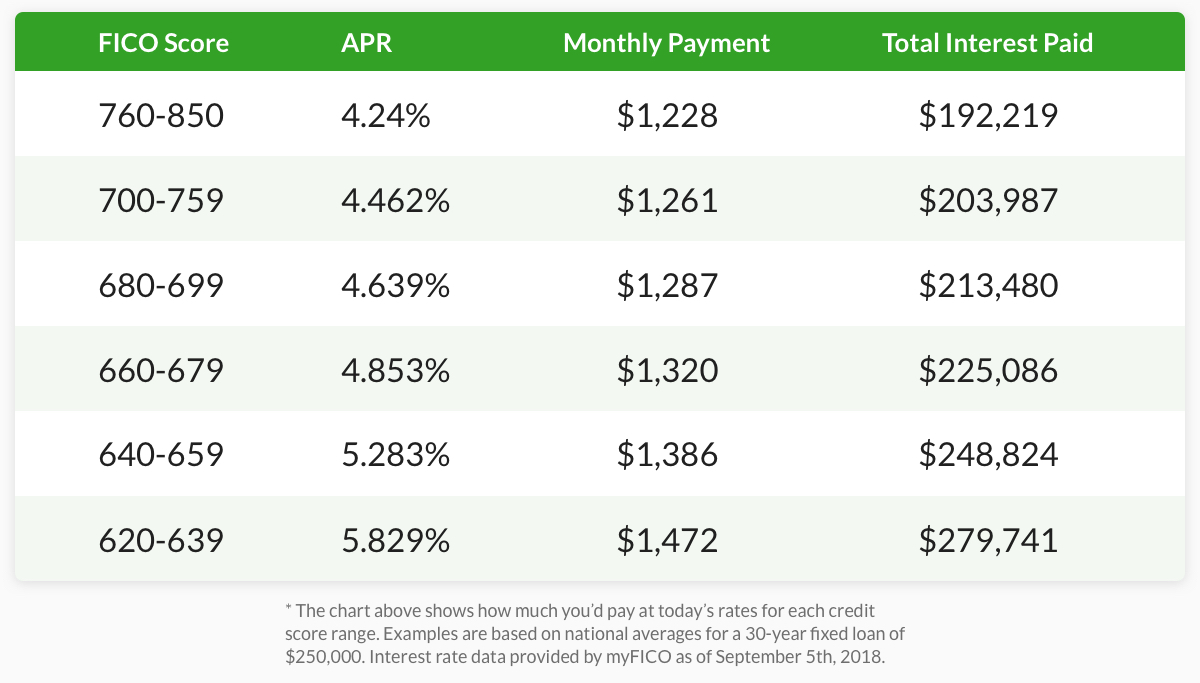
Your personal financial profile plays a substantial role in the interest rates you’ll be offered. For borrowers, a strong credit score (typically FICO scores above 740-760) and a low debt-to-income ratio are paramount for securing the lowest possible rates. Lenders view these factors as indicators of your ability and willingness to repay debt. Conversely, a poor credit history or high debt burden will lead to higher interest rates, as lenders perceive a greater risk. For savers, while your credit score doesn’t directly impact savings rates, having a relationship with a financial institution (e.g., direct deposit, multiple accounts) might occasionally grant access to preferred rates or promotional offers.
Strategies for Securing Favorable Rates
Whether you’re looking to borrow or save, proactive strategies can significantly improve your chances of securing a “good” interest rate.
Improving Your Creditworthiness
For borrowers, optimizing your credit profile is the single most impactful step.
- Payment History: Pay all bills on time, every time. This is the most crucial factor in your credit score.
- Credit Utilization: Keep your credit card balances low relative to your credit limits, ideally below 30%.
- Credit Mix and Length: A diverse mix of credit (e.g., credit cards, installment loans) and a long credit history demonstrate responsible credit management.
- Review Your Credit Report: Regularly check your credit reports for errors and dispute any inaccuracies.
Shopping Around and Negotiation
Never accept the first offer, especially for significant loans like mortgages or auto loans.
- Get Multiple Quotes: Contact several different lenders (banks, credit unions, online lenders) to compare their best offers. This competition can drive down rates.
- Don’t Be Afraid to Negotiate: With multiple offers in hand, you may have leverage to negotiate for a better rate or more favorable terms with your preferred lender. Even a small percentage point reduction can save thousands over time.
Understanding Terms and Conditions
The interest rate isn’t the only factor to consider. Buried within the fine print can be additional costs or restrictions.
- Fees and Penalties: For loans, look out for origination fees, application fees, or prepayment penalties that could negate the benefit of a slightly lower interest rate. For savings accounts, understand any monthly service fees or withdrawal limits.
- Compounding Frequency: For savings, interest can compound daily, monthly, or annually. More frequent compounding leads to higher actual earnings, which will be reflected in a higher APY.
- Prepayment Clauses: Ensure there are no penalties for paying off a loan early if that’s your goal.
The “Good” Rate is Subjective: A Holistic View
Ultimately, what constitutes a “good” interest rate is subjective and must be evaluated within the context of your individual financial goals, risk tolerance, and current market conditions. It’s not just about the number itself, but how it aligns with your broader financial picture.
Aligning Rates with Financial Goals
- Short-term vs. Long-term: A low 0% APR introductory credit card might be excellent for a short-term need to avoid interest, but less relevant for a long-term goal like a 30-year mortgage. Similarly, a high-yield savings account is perfect for an emergency fund, while a higher-risk investment might be better for long-term growth.
- Risk Tolerance: A “good” investment rate for a conservative investor will differ significantly from what an aggressive investor might seek. Higher potential returns often come with higher risk.
When a Higher Rate is Good (Savings) vs. Bad (Loans)
This fundamental principle cannot be overstated:
- For Savings/Investments: You want the highest possible interest rate (APY) to maximize your returns and grow your wealth.
- For Loans/Credit: You want the lowest possible interest rate (APR) to minimize your borrowing costs and debt burden.

Considering the Total Cost/Benefit Beyond the Rate
Always look beyond the headline interest rate. For loans, consider all associated fees, points, and closing costs that contribute to the total cost. For savings accounts, evaluate account minimums, transactional limits, and any fees that could erode your earnings. Sometimes, a slightly higher interest rate from a lender with fewer fees, or a savings account with better features, might be “better” in the long run than chasing the absolute lowest or highest advertised rate alone.
In conclusion, discerning a “good” interest rate demands a critical eye, a strong understanding of economic indicators, and a clear assessment of your personal financial situation and objectives. By staying informed, enhancing your financial profile, and diligently shopping around, you can strategically position yourself to secure rates that genuinely serve your financial well-being.
aViewFromTheCave is a participant in the Amazon Services LLC Associates Program, an affiliate advertising program designed to provide a means for sites to earn advertising fees by advertising and linking to Amazon.com. Amazon, the Amazon logo, AmazonSupply, and the AmazonSupply logo are trademarks of Amazon.com, Inc. or its affiliates. As an Amazon Associate we earn affiliate commissions from qualifying purchases.