
In the dynamic world of personal finance, understanding interest rates is paramount. For many homeowners and borrowers, the term “refinance rates” often sparks a mix of curiosity and potential opportunity. Whether you’re aiming to lower your monthly mortgage payment, consolidate high-interest debt, or tap into your home equity, current refinance rates play a pivotal role in determining the feasibility and financial benefit of such a move. This article delves into the intricacies of refinance rates, exploring what they are, what influences them, why they matter, and how to navigate the market to make informed financial decisions.
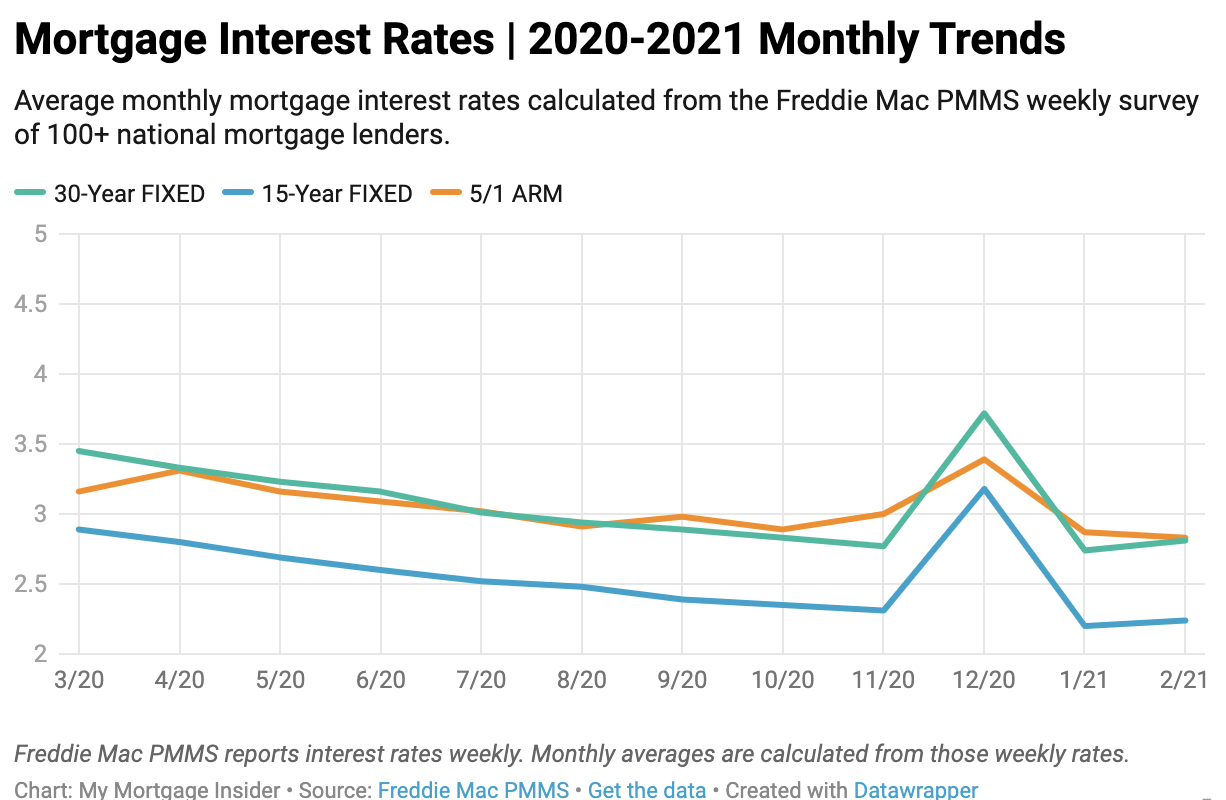
Refinancing, at its core, involves replacing an existing loan with a new one, typically to secure more favorable terms. While it can apply to various types of debt, it is most commonly associated with mortgages. The decision to refinance is rarely spontaneous; it’s a strategic financial maneuver often prompted by changes in personal circumstances, economic conditions, or a desire for greater financial stability. To effectively leverage refinancing, one must first grasp the current interest rate environment and how it aligns with personal financial goals.
Understanding the Dynamics of Refinance Rates
The rate you can secure when refinancing is not a static number but a reflection of numerous economic indicators and individual financial health. Comprehending these underlying forces is the first step toward making an intelligent refinancing decision.
What Exactly is Refinancing?
Refinancing is the process of paying off an existing loan with the proceeds from a new loan. For homeowners, this typically means replacing their current mortgage with a new one, often from the same or a different lender. The primary goals of refinancing include obtaining a lower interest rate, reducing monthly payments, shortening or extending the loan term, or converting home equity into cash. Beyond mortgages, personal loans, auto loans, and even student loans can sometimes be refinanced, though the terms and availability of such options vary significantly. The most common scenario, and what most people refer to when discussing “refinance rates,” is mortgage refinancing due to the significant financial implications involved.
Key Factors Influencing Current Rates
Refinance rates are influenced by a complex interplay of macroeconomic forces and specific market conditions. At the forefront is the Federal Reserve’s monetary policy. While the Fed doesn’t directly set mortgage rates, its actions, particularly adjustments to the federal funds rate, ripple through the banking system, affecting the prime rate and, consequently, consumer lending rates. When the Fed raises rates, refinancing generally becomes more expensive, and vice versa.
Beyond the Fed, inflation is a significant driver. Lenders charge higher interest rates to compensate for the erosion of purchasing power over time. If inflation is high or expected to rise, rates tend to climb. Conversely, a stable or declining inflationary environment can help keep rates lower. The overall economic outlook also plays a critical role. A strong economy often correlates with higher demand for loans and potentially higher rates, while economic uncertainty can sometimes push rates down as investors seek the safety of bonds, which indirectly influences mortgage rates.
Furthermore, the bond market, specifically the performance of mortgage-backed securities (MBS), has a direct impact on mortgage refinance rates. When MBS yields rise, so do mortgage rates. Lastly, lender’s risk assessment for individual borrowers, based on factors like credit score, debt-to-income ratio, and loan-to-value, will also tailor the specific rate offered.
The Difference Between APR and Interest Rate
When evaluating refinance offers, it’s crucial to distinguish between the stated interest rate and the Annual Percentage Rate (APR). The interest rate is simply the percentage charged by the lender for borrowing money, calculated solely on the principal loan amount. It determines your basic monthly payment.
The APR, on the other hand, provides a more comprehensive measure of the total cost of borrowing, expressed as a yearly percentage. It includes the interest rate plus other costs and fees associated with the loan, such as points, origination fees, mortgage insurance, and other charges. Because the APR incorporates these additional costs, it is almost always higher than the interest rate. When comparing refinance offers, the APR is generally a more accurate metric for understanding the true cost of the loan over its life, allowing for a better apples-to-apples comparison between different lenders.
Why Consider Refinancing Now?
The decision to refinance is a personal one, driven by individual financial circumstances and goals. However, certain common objectives make refinancing an attractive option for many borrowers, especially when current rates are favorable.
Lowering Your Monthly Payments
Perhaps the most common reason people refinance is to secure a lower interest rate than their current loan. Even a seemingly small reduction in the interest rate can translate into substantial savings over the life of the loan, significantly reducing your monthly mortgage payment. This freed-up cash can then be reallocated to other financial priorities, such as savings, investments, or paying down other debts. This is particularly appealing during periods of declining interest rates.
Reducing Your Loan Term
For those who can afford a higher monthly payment or have seen their income increase, refinancing to a shorter loan term (e.g., from a 30-year to a 15-year mortgage) can be an excellent strategy. While the monthly payments might increase, you’ll pay significantly less interest over the life of the loan and build equity much faster. This accelerates your path to homeownership and reduces your long-term financial obligations.
Tapping into Home Equity (Cash-Out Refinance)
A cash-out refinance allows homeowners to borrow against their home equity. With this option, you replace your existing mortgage with a new, larger mortgage, and the difference is paid to you in cash. This can be a valuable tool for funding major expenses such as home renovations, college tuition, or even starting a business, often at a lower interest rate than personal loans or credit cards. However, it’s crucial to use these funds wisely, as you are essentially re-borrowing against your most significant asset.
Converting Loan Types (e.g., ARM to Fixed)
Refinancing can provide greater financial stability by allowing borrowers to convert from an Adjustable-Rate Mortgage (ARM) to a Fixed-Rate Mortgage. ARMs typically offer lower initial interest rates but come with the risk of future rate increases. By converting to a fixed-rate loan, borrowers can lock in a stable interest rate and predictable monthly payments for the life of the loan, shielding them from potential market volatility. Conversely, some might consider refinancing a fixed-rate loan into an ARM if they anticipate moving or paying off the loan before the adjustable period begins and want to capitalize on a lower initial rate.
Consolidating Debt
For those burdened with high-interest credit card debt or other personal loans, a cash-out refinance can serve as an effective debt consolidation tool. By rolling higher-interest debts into a new mortgage with a lower interest rate, borrowers can simplify their finances, reduce their overall monthly debt payments, and potentially save a significant amount on interest charges. However, it’s important to remember that extending consumer debt over a mortgage’s 15-30 year term means paying interest for a much longer period.
Navigating the Refinance Process and Costs
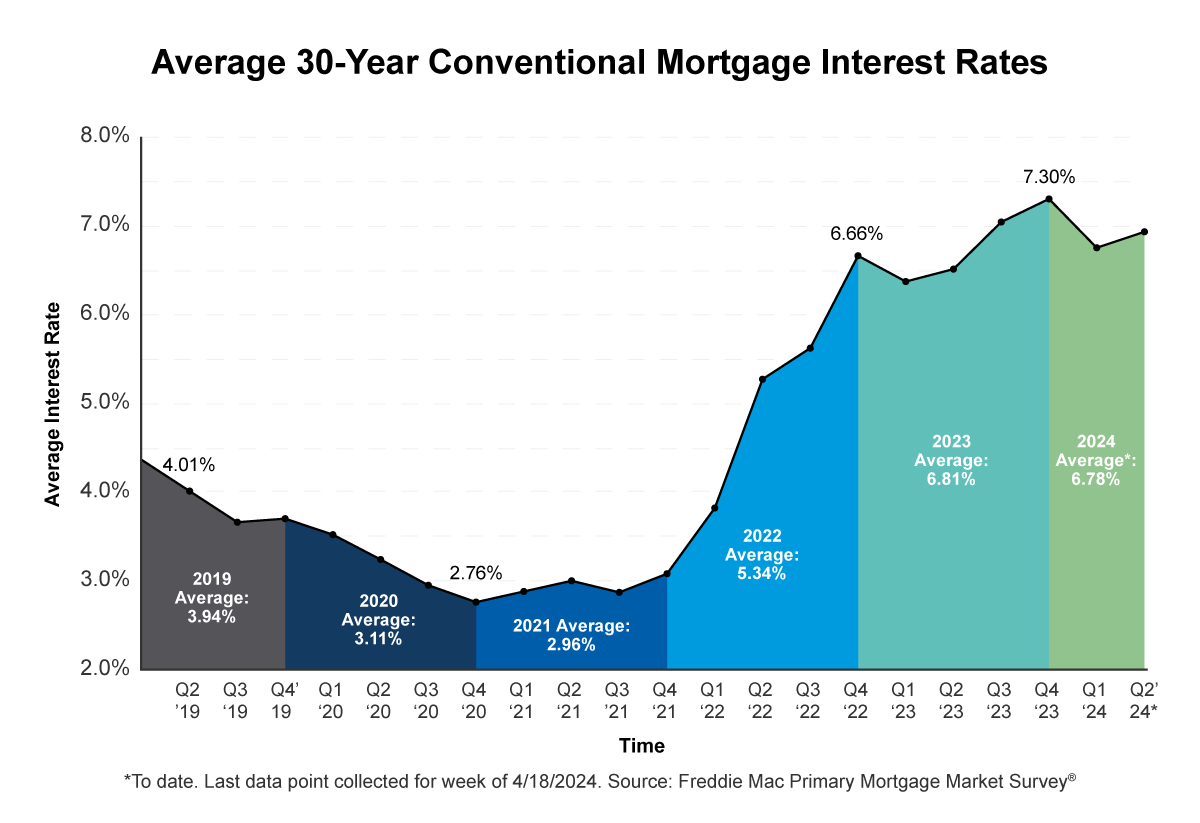
While the benefits of refinancing can be substantial, it’s not without its complexities and costs. A thorough understanding of the process and associated expenses is essential to determine if refinancing is truly advantageous for your financial situation.
Essential Eligibility Criteria
Lenders evaluate several factors to determine your eligibility for refinancing and the rate they will offer. Your credit score is paramount; a higher score (typically 740+) signals lower risk to lenders and generally qualifies you for the best rates. Your debt-to-income (DTI) ratio, which compares your total monthly debt payments to your gross monthly income, is another key metric. Lenders prefer a DTI of 43% or lower. The loan-to-value (LTV) ratio, representing the loan amount relative to the home’s appraised value, also plays a crucial role. A lower LTV (meaning more equity in your home) can lead to better rates and avoid private mortgage insurance (PMI). Stable employment history and sufficient income to cover the new payments are also critical.
Understanding Refinance Closing Costs
Refinancing isn’t free. Borrowers must typically pay closing costs, which can range from 2% to 5% of the loan amount. These costs cover various services and fees, including:
- Origination fees: Charged by the lender for processing the loan.
- Appraisal fees: To determine your home’s current market value.
- Title insurance and search fees: To ensure a clear title to the property.
- Escrow fees: For managing the closing process.
- Recording fees: To file the new deed with local authorities.
- Attorney fees: If required in your state.
- Prepaid items: Such as property taxes and homeowner’s insurance for the upcoming period.
These costs can sometimes be rolled into the new loan balance, but doing so means you’ll pay interest on them over the life of the loan. Alternatively, some lenders offer “no-closing-cost” refinances, where they absorb the closing costs in exchange for a slightly higher interest rate. It’s crucial to weigh these options carefully.
When Does Refinancing Make Financial Sense?
The decision to refinance should ideally pass a “break-even analysis.” This involves calculating how long it will take for the savings from your new, lower interest rate or monthly payment to offset the total closing costs. For example, if closing costs are $4,000 and you save $100 per month, your break-even point is 40 months. If you plan to stay in the home longer than the break-even period, refinancing likely makes financial sense. If you anticipate moving sooner, the costs may outweigh the benefits. Additionally, consider how much interest you’ve already paid on your current loan. Refinancing early in a loan’s term can yield greater savings, as you’re primarily paying interest in the initial years.
Strategies for Securing the Best Refinance Rates
Once you’ve decided that refinancing aligns with your financial goals, the next step is to strategize how to obtain the most favorable rates and terms. This involves diligent preparation and informed decision-making.
Improving Your Financial Profile
Before applying for a refinance, take steps to optimize your financial standing. Focus on improving your credit score by paying bills on time, reducing outstanding debt, and correcting any errors on your credit report. Lenders view borrowers with higher credit scores as less risky, which translates to better interest rates. Additionally, work on lowering your debt-to-income (DTI) ratio. Paying down other loans or increasing your income can make you a more attractive candidate. Having a solid emergency fund and stable employment history also signal financial responsibility.
Shopping Around for Lenders
This is perhaps the single most critical step in securing the best refinance rates. Do not settle for the first offer you receive, even if it’s from your current lender. Contact multiple lenders—banks, credit unions, and online mortgage brokers—to obtain quotes. Rates and fees can vary significantly from one institution to another. Aim to get at least three to five quotes within a short period (typically 14-45 days, depending on the credit scoring model) so that multiple inquiries for the same type of loan are counted as a single pull on your credit report, minimizing the impact on your score. Compare not just the interest rate, but also the APR, closing costs, and overall terms of each offer.
Locking In Your Rate
Once you find a rate and terms you’re comfortable with, ask the lender about a “rate lock.” A rate lock guarantees that your interest rate will not change between the time you apply and the day your loan closes, provided the closing occurs within a specified period (e.g., 30, 45, or 60 days). This protects you from potential rate increases during the refinance process, which can sometimes be lengthy. Be sure to understand the terms of the rate lock, including its duration and any associated fees. If rates drop significantly after you’ve locked, some lenders may offer a “float-down” option for a fee, allowing you to secure a lower rate.
Leveraging Financial Tools and Calculators
Numerous online financial tools and calculators can assist you in your refinancing journey. Mortgage refinance calculators can help you estimate your potential new monthly payment, calculate your break-even point, and compare different loan scenarios. Websites offering rate comparisons allow you to quickly see current rates from various lenders in your area. Utilizing these resources can empower you with information, helping you identify realistic expectations and make more confident decisions before engaging with lenders.
The Future Outlook for Refinance Rates
The landscape of refinance rates is ever-evolving, influenced by global and domestic economic forces. While no one can predict the future with absolute certainty, understanding the key indicators and expert sentiment can help borrowers anticipate potential shifts.
Economic Indicators to Watch
Keeping an eye on certain economic indicators can provide clues about the likely direction of refinance rates. The Federal Reserve’s stance on interest rates remains a dominant factor. Pay attention to FOMC (Federal Open Market Committee) meeting announcements and minutes, as these often signal future policy moves. Inflation reports (like the Consumer Price Index, CPI) are crucial; persistent high inflation generally prompts the Fed to raise rates, which can drive refinance rates up. Employment data (e.g., unemployment rate, job growth) and GDP growth provide insights into the overall health of the economy, indirectly impacting bond yields and, consequently, mortgage rates. Geopolitical events and global economic stability can also introduce volatility.
Expert Predictions and Market Trends
Financial experts and economists regularly publish predictions regarding interest rates. While these are not guarantees, they often provide valuable context based on sophisticated analysis of market trends. Generally, if the economy is strong and inflation is a concern, the consensus might lean towards higher rates. Conversely, during periods of economic slowdown or disinflation, rates might trend downward. Long-term trends often show cycles of rising and falling rates, and understanding where we are in that cycle can inform your decision. For example, if rates are historically low but expected to rise, it might be an opportune time to refinance.
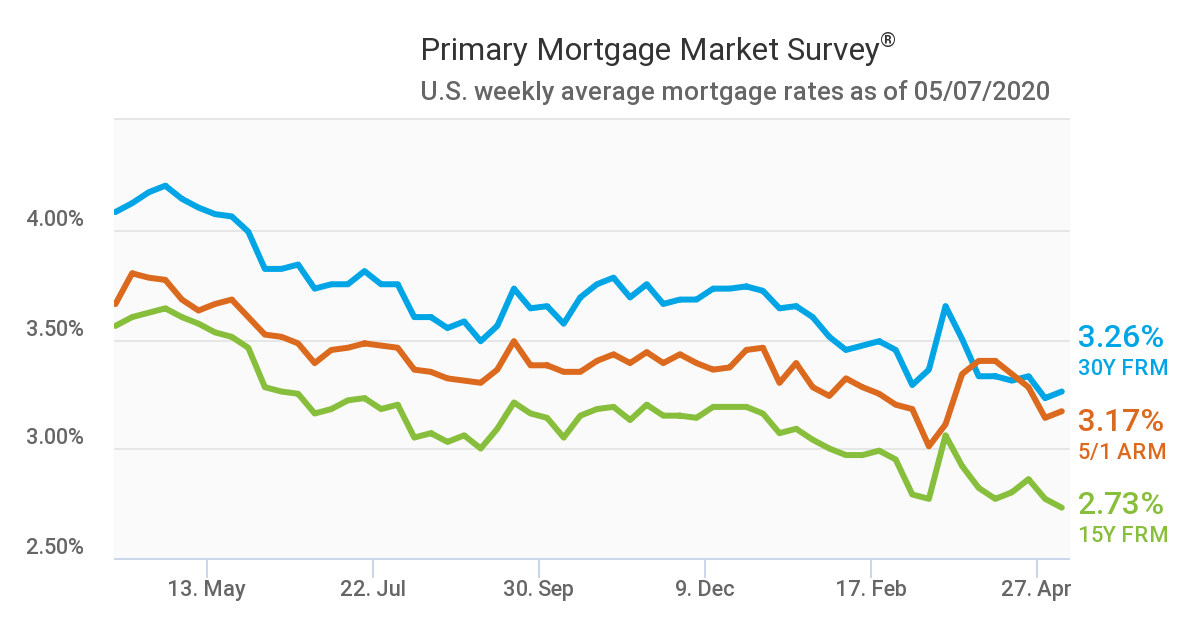
Preparing for Rate Fluctuations
Given the inherent unpredictability of interest rates, it’s wise for borrowers to adopt a flexible financial planning approach. If you’re considering refinancing, staying informed about current market conditions is essential. If rates are favorable, acting promptly (after due diligence) can secure a beneficial outcome. If rates are trending higher, it might be prudent to wait and monitor the market for potential dips or adjust your financial goals. Having a strong credit profile and a healthy financial buffer will always put you in a better position to react to market changes and secure competitive rates whenever the opportunity arises.
In conclusion, understanding “what are current refinance rates” is more than just knowing a number; it’s about comprehending the economic forces that shape them, the benefits they can offer, the costs involved, and the strategies to secure the best possible terms. By staying informed, meticulously planning, and diligently comparing options, borrowers can harness the power of refinancing to optimize their personal finances and achieve their long-term financial objectives.
aViewFromTheCave is a participant in the Amazon Services LLC Associates Program, an affiliate advertising program designed to provide a means for sites to earn advertising fees by advertising and linking to Amazon.com. Amazon, the Amazon logo, AmazonSupply, and the AmazonSupply logo are trademarks of Amazon.com, Inc. or its affiliates. As an Amazon Associate we earn affiliate commissions from qualifying purchases.