
Understanding the current interest rate is far more than simply knowing a number; it’s about grasping the intricate mechanics of our financial world and how those mechanics directly influence our personal finances, investment strategies, and business decisions. Interest rates are the lifeblood of an economy, acting as the primary tool for central banks to manage inflation, stimulate growth, or cool down an overheating market. For the savvy individual or business owner, staying informed about these rates is not merely an academic exercise but a critical component of sound financial planning. This article delves into what constitutes “the current interest rate,” the forces that shape it, and its profound implications across various financial landscapes, empowering you to navigate today’s economic climate more effectively.
The Foundation: Understanding Key Interest Rates
To truly comprehend “the current interest rate,” one must first recognize that there isn’t just one singular rate. Instead, it’s a tapestry of interconnected rates, each influencing different aspects of the economy. The most pivotal of these is typically the central bank’s policy rate, which serves as a benchmark for virtually all other rates.
The Central Bank’s Policy Rate: The Benchmark
In the United States, this is the Federal Funds Rate, set by the Federal Reserve (the Fed). It’s the target rate for overnight lending between banks, a rate that the Fed influences through open market operations. While you don’t directly pay this rate, its adjustments send ripples throughout the entire financial system. When the Fed raises this rate, borrowing becomes more expensive for banks, which in turn leads to higher rates for consumers and businesses. Conversely, a cut in the federal funds rate aims to stimulate lending and economic activity. Similar policy rates exist in other countries, such as the European Central Bank’s (ECB) Main Refinancing Operations Rate or the Bank of England’s Base Rate. These rates are a direct reflection of the central bank’s current monetary policy stance.
The Spectrum of Market Rates: From Savings to Loans
Beyond the central bank’s policy rate, a multitude of market rates directly impact our daily financial lives:
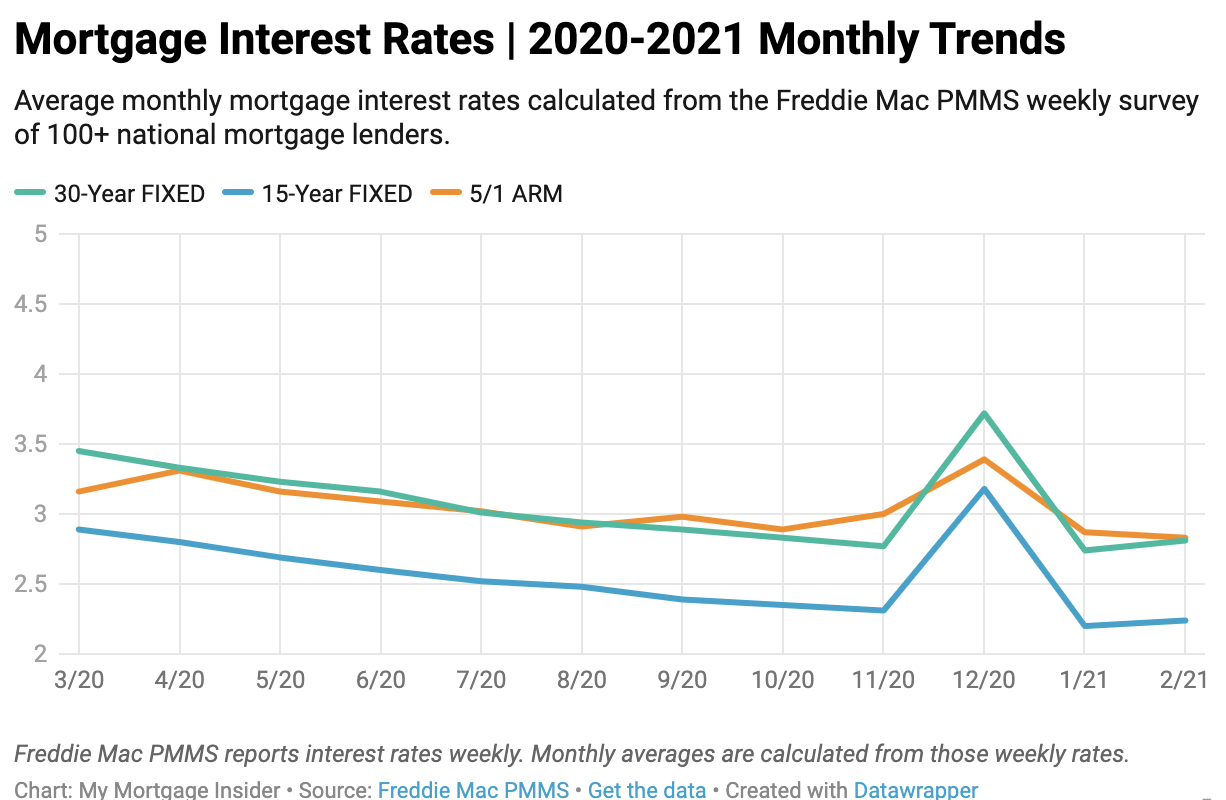
- Mortgage Rates: These are the rates at which you borrow to purchase a home. They are highly sensitive to bond markets and the overall economic outlook, in addition to the central bank’s policy. Fixed-rate mortgages offer stability, while adjustable-rate mortgages (ARMs) fluctuate with market conditions.
- Credit Card Interest Rates: Typically among the highest rates, these are charged on unpaid balances. They are influenced by the prime rate (which itself tracks the federal funds rate) but also by the borrower’s creditworthiness and the lender’s risk assessment.
- Auto Loan and Personal Loan Rates: Similar to credit card rates, these vary based on the borrower’s credit score, the loan term, and the prevailing market environment.
- Savings Account and Certificate of Deposit (CD) Rates: These are the rates banks pay you for depositing money. They generally move in tandem with the central bank’s policy rate; when the Fed raises rates, savings rates tend to increase, making saving more attractive.
- Business Loan Rates: These are critical for businesses seeking capital for expansion, operations, or inventory. They directly impact a company’s cost of capital and its ability to invest and grow.
Understanding that “the current interest rate” refers to a dynamic ecosystem of these rates, all interconnected and influenced by a central benchmark, is the first step toward informed financial decision-making. To find specific current rates, one would typically consult financial news outlets, bank websites, or specialized financial tools that aggregate this data in real-time.
The Forces at Play: What Drives Interest Rate Movements
Interest rates are not static; they are in constant motion, influenced by a complex interplay of economic indicators, central bank objectives, and global events. Deciphering these driving forces is key to anticipating future movements and adapting one’s financial strategy accordingly.
Inflation: The Primary Nemesis
Perhaps the most significant factor influencing interest rates is inflation. Inflation refers to the rate at which the general level of prices for goods and services is rising, and subsequently, the purchasing power of currency is falling. Central banks are mandated to maintain price stability, often targeting a specific inflation rate (e.g., 2% in the US).
- High Inflation: When inflation rises above the target, central banks typically respond by raising interest rates. Higher rates make borrowing more expensive, which can curb consumer and business spending, thereby reducing demand and slowing down price increases.
- Low Inflation/Deflation: Conversely, if inflation is too low or the economy faces deflation (a general decline in prices), central banks might lower interest rates to stimulate spending and investment, encouraging prices to rise towards their target.
The relationship between inflation and interest rates is direct: rates are a tool to manage price levels.
Economic Growth and Employment Data
Beyond inflation, the overall health of the economy—measured by indicators like Gross Domestic Product (GDP) growth and employment statistics—plays a crucial role:
- Strong Economic Growth and Low Unemployment: A robust economy with strong job creation often suggests increased demand and potential inflationary pressures. In such an environment, central banks might consider raising rates to prevent overheating and pre-empt future inflation.
- Weak Economic Growth and High Unemployment: When the economy is slowing down or facing a recession, accompanied by high unemployment, central banks often lower interest rates. The goal is to make borrowing cheaper, encourage investment and consumer spending, and stimulate job creation.
The central bank constantly analyzes these data points to gauge the economy’s momentum and determine the appropriate monetary policy.
Central Bank Policy and Forward Guidance
The explicit actions and communications of central banks are perhaps the most direct drivers of interest rate changes. Their policy meetings, rate decisions, and accompanying statements provide forward guidance on their future intentions.
- Hawkish Stance: When a central bank indicates it might raise rates, or maintains a hawkish tone, it signals concerns about inflation and strong economic growth. This tends to push market rates higher.
- Dovish Stance: A dovish stance, suggesting potential rate cuts or a sustained low-rate environment, typically signals concerns about economic weakness or low inflation. This often leads to lower market rates.
Market participants meticulously scrutinize every word from central bank officials, as their guidance can significantly impact bond yields, stock prices, and currency values.

Global Factors and Geopolitical Events
While domestic factors are paramount, global economic conditions and geopolitical events can also ripple through to local interest rates:
- Global Demand and Supply: Changes in global demand for goods and services, or disruptions to supply chains, can affect inflation and economic growth domestically.
- Capital Flows: International investors seeking higher returns or safer havens can influence the demand for a country’s bonds, thereby affecting its long-term interest rates.
- Geopolitical Instability: Wars, trade disputes, or political crises can create uncertainty, leading investors to flee to safety (e.g., government bonds), which can temporarily push bond yields down. Conversely, such events can disrupt supply chains and fuel inflation, potentially prompting central banks to raise rates.
These complex interactions mean that predicting interest rate movements is rarely straightforward. Instead, it requires a continuous assessment of multiple economic and political variables.
The Far-Reaching Impact: Navigating High vs. Low-Rate Environments
The level of current interest rates fundamentally alters the financial landscape for individuals, businesses, and the broader economy. Whether rates are trending higher or lower, understanding the implications is crucial for strategic planning.
For Personal Finance: Opportunities and Challenges
Interest rates directly touch nearly every aspect of an individual’s financial life.
Borrowing Costs: Mortgages, Loans, and Credit
- High-Rate Environment: This is challenging for borrowers. Mortgage rates rise, making homeownership less affordable and increasing monthly payments for new buyers or those with adjustable-rate mortgages. Auto loans, personal loans, and credit card interest also become more expensive, increasing the cost of debt and potentially slowing consumer spending. Refinancing existing loans may become less attractive or even detrimental.
- Low-Rate Environment: This creates opportunities for borrowers. Mortgage rates fall, making housing more affordable and allowing homeowners to refinance at lower rates, saving thousands over the life of a loan. Auto loans and personal loans are cheaper, encouraging big-ticket purchases. Businesses also find it more affordable to borrow, which can stimulate job growth and investment.
Savings and Investments: Yields and Returns
- High-Rate Environment: This is generally favorable for savers. Savings accounts, money market accounts, and Certificates of Deposit (CDs) offer higher yields, providing better returns on cash holdings. For fixed-income investors, newly issued bonds offer more attractive coupon rates. However, higher rates can also put downward pressure on existing bond prices and make equities less appealing relative to safer, higher-yielding alternatives.
- Low-Rate Environment: This presents a challenge for savers. The yields on traditional savings vehicles are meager, sometimes barely keeping pace with inflation, eroding purchasing power. Fixed-income investments offer lower returns, pushing investors to seek higher-risk assets like stocks or real estate in search of yield, often referred to as “reaching for yield.”
For Businesses and the Economy: Growth and Stability
The current interest rate environment profoundly influences corporate decision-making and the overall trajectory of the economy.
Cost of Capital and Investment
- High-Rate Environment: Businesses face higher borrowing costs for expansion, inventory, or R&D. This can lead to reduced investment, slower hiring, and a more cautious approach to growth. Small businesses, often more reliant on borrowing, can be particularly impacted.
- Low-Rate Environment: Cheaper access to capital encourages businesses to invest, expand operations, hire more employees, and innovate. This can fuel economic growth and improve corporate profitability, assuming demand is present.
Consumer Spending and Demand
- High-Rate Environment: Higher borrowing costs for consumers (mortgages, credit cards) can reduce discretionary spending, leading to a slowdown in demand for goods and services. This is a central bank’s aim when trying to cool an overheated economy and combat inflation.
- Low-Rate Environment: Lower borrowing costs encourage consumers to spend more, particularly on big-ticket items like homes and cars. This increased demand is a key driver of economic growth.
Currency Value and International Trade
Interest rates also play a significant role in foreign exchange markets.
- High-Rate Environment: Higher domestic interest rates can attract foreign capital seeking better returns, increasing demand for the local currency and strengthening its value. A stronger currency makes imports cheaper but exports more expensive, potentially impacting a country’s trade balance.
- Low-Rate Environment: Lower domestic interest rates can make a currency less attractive to foreign investors, potentially leading to a weaker currency. A weaker currency makes exports cheaper and imports more expensive, which can boost export-oriented industries but increase the cost of imported goods.
Understanding these multifaceted impacts allows individuals and businesses to anticipate economic shifts, adapt their strategies, and make more informed decisions, whether it’s optimizing a savings portfolio, planning a major purchase, or charting a company’s growth path.
Strategic Responses: Adapting to Current Rate Realities
Given the dynamic nature and profound impact of interest rates, adopting a proactive and adaptable financial strategy is paramount. The “current interest rate” is not merely a data point but a call to action, prompting different approaches depending on whether rates are high, low, or trending.
For Individuals: Optimizing Personal Finances
Navigating the current interest rate environment requires tailored strategies for both borrowing and saving.
- When Rates are High or Rising:
- Prioritize Debt Reduction: Focus aggressively on paying down high-interest debt, such as credit card balances and personal loans, to minimize the impact of rising rates.
- Lock in Fixed Rates: If considering a mortgage or a large loan, try to secure a fixed-rate option to shield yourself from future rate hikes. For existing variable-rate debt, explore refinancing to a fixed rate if feasible, especially if you believe rates will continue to climb.
- Boost Savings Yields: Take advantage of higher yields on savings accounts, money market funds, and Certificates of Deposit (CDs). Consider laddering CDs (staggering maturities) to consistently capture new, higher rates.
- Review Investment Portfolio: Re-evaluate your bond holdings, as existing bonds may lose value when new bonds offer higher yields. Consider safer, income-generating assets that benefit from higher rates.
- When Rates are Low or Falling:
- Refinance Opportunistically: If you have high-interest debt or a fixed-rate mortgage significantly above current market rates, explore refinancing to lower your monthly payments and overall interest costs.
- Consider Major Purchases: Lower rates make large purchases like homes and cars more affordable due to reduced borrowing costs.
- Seek Growth Investments: With low returns on cash and fixed income, individuals often look towards growth-oriented investments like equities, real estate, or alternative assets to achieve their financial goals. However, this comes with increased risk.
- Optimize Savings: While yields are low, ensure your emergency fund is in an accessible, low-fee account. For longer-term savings, balance risk and return based on your financial goals and time horizon.

For Businesses: Managing Capital and Growth
Businesses must also strategically adapt their financial operations to the prevailing interest rate climate.
- When Rates are High or Rising:
- Conserve Cash: With higher borrowing costs, businesses should focus on efficient cash flow management and prudent spending.
- Debt Management: Avoid taking on new variable-rate debt. If possible, lock in fixed rates for existing or new loans. Prioritize paying down expensive debt.
- Focus on Profitability: Emphasize operational efficiency and profitability rather than aggressive expansion, as the cost of capital is higher.
- Review Supplier and Customer Terms: Higher rates can impact customer payment behaviors and supplier financing, necessitating a review of credit terms.
- When Rates are Low or Falling:
- Strategic Borrowing: This is an opportune time to secure financing for expansion, capital improvements, or mergers and acquisitions at lower costs. Long-term fixed-rate debt can be particularly attractive.
- Refinance Existing Debt: Businesses should actively look to refinance existing debt at lower rates to reduce interest expenses and improve cash flow.
- Invest in Growth: Lower capital costs encourage investment in R&D, new technologies, increased inventory, and market expansion, potentially boosting long-term competitive advantage.
- Dividend Policies: Lower rates can sometimes free up cash flow, allowing companies to return more capital to shareholders through dividends or share buybacks.
Staying informed about central bank announcements, economic indicators, and expert forecasts is crucial for both individuals and businesses. Regularly reviewing your financial position and being prepared to adjust your strategies are hallmarks of effective financial management in an ever-evolving interest rate landscape. The “current interest rate” is not just a present reality but a continuous narrative that demands attention and informed action.
aViewFromTheCave is a participant in the Amazon Services LLC Associates Program, an affiliate advertising program designed to provide a means for sites to earn advertising fees by advertising and linking to Amazon.com. Amazon, the Amazon logo, AmazonSupply, and the AmazonSupply logo are trademarks of Amazon.com, Inc. or its affiliates. As an Amazon Associate we earn affiliate commissions from qualifying purchases.