
Understanding current interest rates on houses is not merely an academic exercise; it’s a critical component of personal finance, real estate investment, and overall economic stability. For prospective homebuyers, existing homeowners considering refinancing, or even financial planners advising clients, the prevailing mortgage rates dictate affordability, monthly payments, and the long-term cost of homeownership. The landscape of interest rates is dynamic, influenced by a complex interplay of global economic forces, domestic monetary policy, and market sentiment. This article delves into the current state of interest rates on houses, exploring the factors that shape them, their profound impact on the housing market, and actionable strategies for navigating this ever-evolving financial environment.
Understanding the Current Mortgage Rate Landscape
The “right now” in our title is a moving target, as mortgage rates fluctuate daily, sometimes even hourly. However, understanding the underlying mechanisms and the general trends provides a valuable framework.
Key Factors Influencing Rates
Mortgage rates are not set in a vacuum. They are primarily influenced by several powerful economic indicators and policy decisions:
- The Federal Reserve’s Monetary Policy: The Federal Reserve (the Fed) does not directly set mortgage rates, but its actions significantly impact them. By raising or lowering the federal funds rate, the Fed influences the cost of borrowing for banks. When the Fed hikes rates to combat inflation, it generally pushes up the cost of all borrowing, including mortgages. Conversely, a dovish stance can lead to lower rates.
- Inflation: Inflation is arguably the most significant driver of interest rates. Lenders need to ensure that the return on their loans outpaces the rate at which the purchasing power of money erodes. High inflation typically leads to higher interest rates as lenders demand greater compensation for the diminished future value of money.
- The 10-Year Treasury Yield: Mortgage rates are closely tied to the yield on the 10-year U.S. Treasury bond. This bond serves as a benchmark for long-term borrowing costs. When investors demand higher yields on Treasuries (often due to inflation concerns or expectations of Fed rate hikes), mortgage rates tend to follow suit.
- Economic Data: Broad economic indicators such as job reports, Gross Domestic Product (GDP) growth, consumer confidence, and manufacturing data all play a role. A strong economy with robust job creation can signal potential inflationary pressures, leading to higher rates. Conversely, signs of economic slowdown might push rates down as the Fed potentially eases policy.
- Global Market Dynamics: International events, geopolitical stability, and global financial market performance can also influence investor sentiment and bond yields, thereby indirectly affecting U.S. mortgage rates.
Snapshot of Current Rates
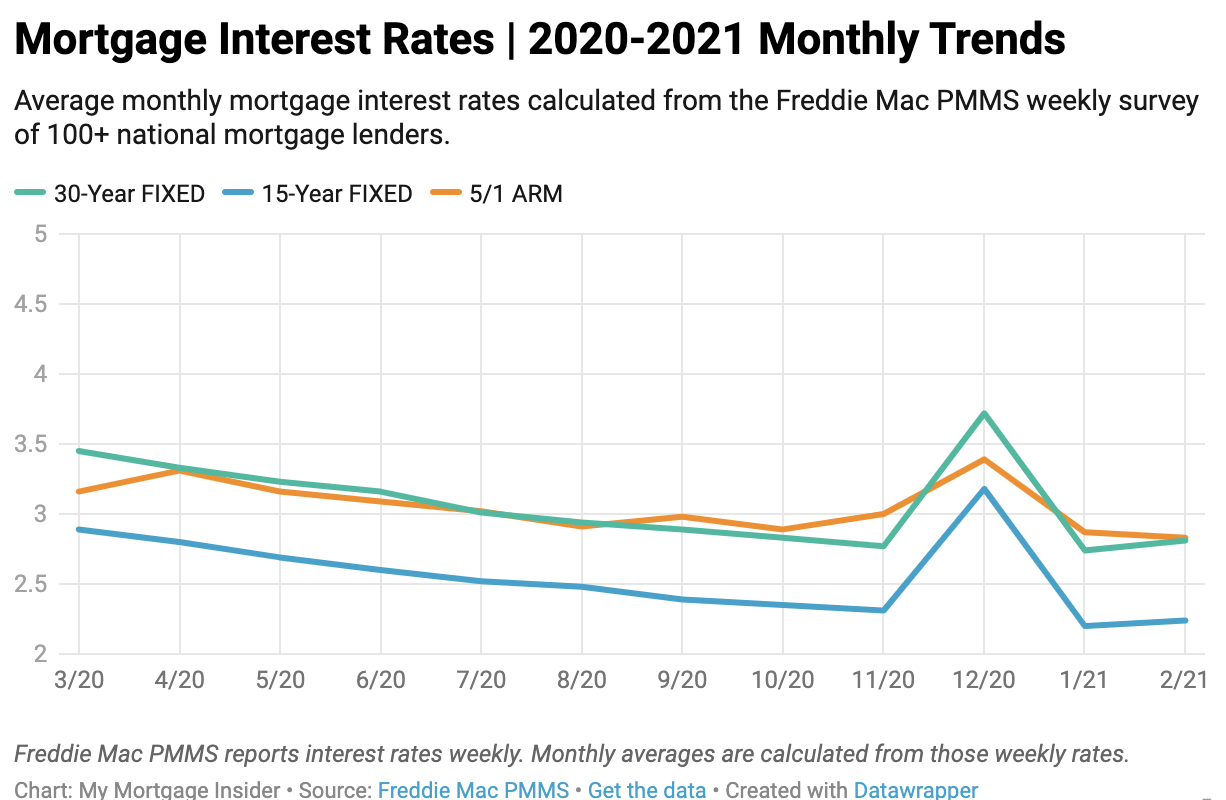
As of this writing, mortgage rates are experiencing a period of significant volatility, reflecting ongoing economic uncertainties and the Fed’s persistent battle against inflation. While specific rates vary by lender, borrower creditworthiness, loan type, and market conditions, general trends can be observed.
- 30-Year Fixed-Rate Mortgages (FRM): These remain the most popular choice, offering payment stability over a long term. Rates for 30-year FRMs have seen considerable swings, often settling in the mid-to-high single-digit percentages. Borrowers with excellent credit may secure slightly lower rates, but even small fluctuations in the overall market can translate to hundreds of dollars difference in monthly payments.
- 15-Year Fixed-Rate Mortgages (FRM): Offering a shorter repayment period and typically lower interest rates than their 30-year counterparts, 15-year FRMs result in higher monthly payments but significantly less interest paid over the life of the loan. They appeal to financially secure borrowers aiming for faster equity buildup.
- Adjustable-Rate Mortgages (ARMs): ARMs typically offer a lower initial interest rate for a fixed period (e.g., 5/1, 7/1, 10/1 ARM) before adjusting periodically based on a chosen index. In a high-rate environment, ARMs can be attractive for those who expect rates to fall in the future or plan to sell their home before the adjustment period. However, they carry the risk of substantially higher payments if rates rise.
- Jumbo Loans: For loan amounts exceeding conforming limits set by Fannie Mae and Freddie Mac, jumbo loans often come with slightly different rate structures, sometimes higher, sometimes lower, depending on the market and lender’s risk assessment.
The Impact of Recent Economic Trends
The recent surge in inflation, particularly post-pandemic, prompted aggressive rate hikes by the Federal Reserve. This period of quantitative tightening has significantly pushed mortgage rates upward from their historic lows seen in 2020-2021. While inflation has shown signs of moderating, the Fed’s commitment to achieving its 2% target means that rate decisions remain data-dependent. Positive job reports, for instance, while good for the economy, can sometimes lead to an expectation of continued hawkishness from the Fed, causing rates to tick up. Conversely, weaker economic data might signal a pause or even cuts, potentially easing mortgage rates. The market is constantly parsing every economic announcement, trying to predict the Fed’s next move, which directly translates to rate volatility.
The Tangible Impact of Interest Rates on Homeownership
The direct correlation between interest rates and the cost of buying and owning a home is profound, impacting everything from individual affordability to broader market dynamics.
Affordability and Monthly Payments
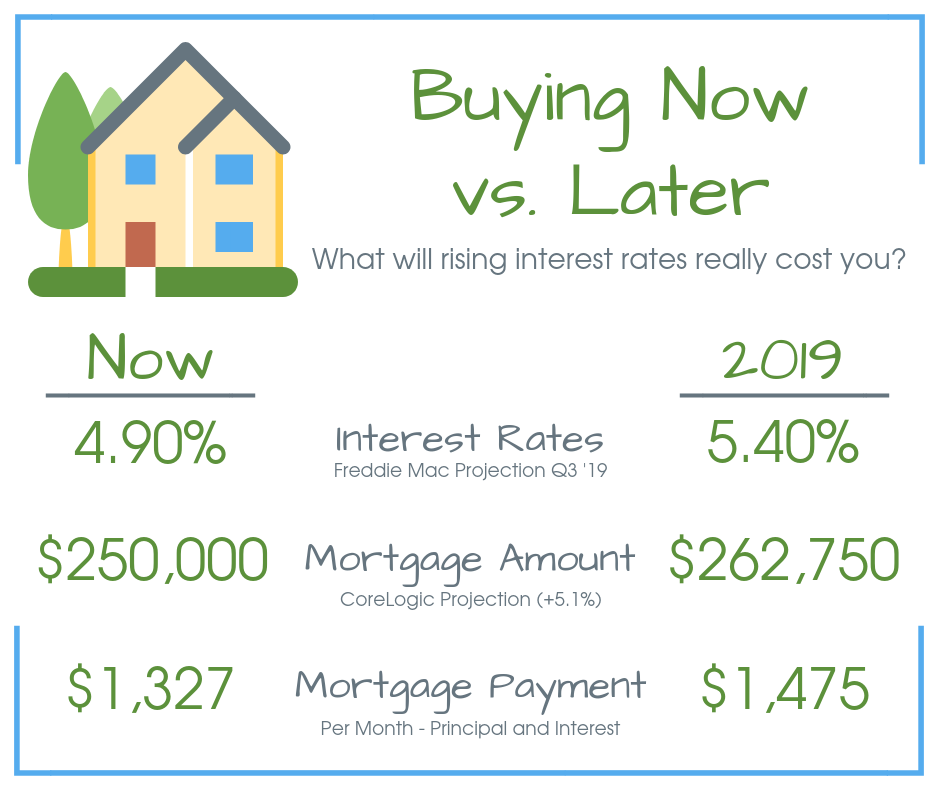
This is perhaps the most immediate and felt impact. Even a modest increase in the interest rate can significantly alter a borrower’s monthly mortgage payment and, consequently, their purchasing power. For example, on a $400,000 loan, an increase from 6% to 7% interest could add over $250 to the monthly payment and tens of thousands to the total interest paid over 30 years. This increase can price out a segment of potential buyers or force others to scale down their home search to a lower price point, directly affecting their personal finance planning.
Borrower Eligibility and Loan Qualification
Higher interest rates mean higher monthly payments for a given loan amount. Lenders use debt-to-income (DTI) ratios as a primary criterion for loan qualification. A higher mortgage payment increases the borrower’s DTI, potentially pushing them above the lender’s acceptable threshold. This can make it more challenging for individuals, especially first-time homebuyers or those with existing debt, to qualify for a mortgage, even if their income remains constant. It underscores the importance of a healthy financial profile, including a strong credit score and manageable debt.
Market Dynamics: Buyer Demand and Home Prices
Elevated interest rates tend to cool down a hot housing market. As affordability wanes, fewer buyers are willing or able to enter the market, leading to a decrease in demand. This reduced demand can, in turn, put downward pressure on home prices or at least slow their appreciation. Existing homeowners, too, might be less inclined to sell, especially if they have a low fixed-rate mortgage, creating a “lock-in” effect that reduces inventory. This can create a challenging environment for both buyers and sellers, requiring strategic decisions based on individual financial circumstances and market outlook.
Strategies for Navigating the Current Rate Environment
Despite the challenges, smart financial planning and strategic decision-making can help individuals successfully navigate a high-interest rate environment.
Rate Locks and When to Use Them
A rate lock guarantees a specific interest rate for a set period, typically 30 to 60 days, while your loan application is processed. In a volatile market, locking your rate can provide peace of mind and protect you from potential rate increases before closing.
- Benefits: Shields you from market fluctuations.
- Considerations: Ensure your closing timeline aligns with the lock period. Some lenders charge a fee for longer lock periods or for “float-down” options that allow you to take advantage if rates drop. Discuss these terms thoroughly with your lender.
Exploring Different Loan Products
The “best” mortgage product depends heavily on your financial situation, risk tolerance, and long-term housing plans.
- Fixed-Rate Mortgages (FRM): The most common choice, offering predictable monthly payments for the life of the loan. In a high-rate environment, a 30-year FRM might offer lower initial payments, but a 15-year FRM, while having higher payments, significantly reduces total interest paid and builds equity faster. If you believe rates will stay high for a long time, or you value payment stability, a fixed rate is often advisable.
- Adjustable-Rate Mortgages (ARMs): ARMs offer lower initial rates for an introductory period (e.g., 5, 7, or 10 years). If you plan to sell or refinance before the fixed period ends, an ARM might offer significant savings in the short term. However, the risk lies in potentially much higher payments if rates rise significantly after the adjustment period. This is a riskier bet in a volatile market.
- Government-Backed Loans: FHA, VA, and USDA loans offer unique benefits, often with lower down payments, more lenient credit requirements, or competitive interest rates, making homeownership accessible to a wider range of borrowers.
- FHA Loans: Ideal for first-time buyers or those with lower credit scores.
- VA Loans: Excellent benefits for eligible service members and veterans, including no down payment and no private mortgage insurance.
- USDA Loans: For low-to-moderate-income buyers in eligible rural areas.
Improving Your Financial Position
Strong personal finance fundamentals are always beneficial, but especially crucial in a high-rate market.
- Credit Score: A higher credit score (typically 740+) can unlock access to the most favorable interest rates. Focus on paying bills on time, reducing credit card debt, and monitoring your credit report for errors.
- Debt-to-Income (DTI) Ratio: Lowering your DTI makes you a more attractive borrower. Pay down consumer debts, and avoid taking on new loans before applying for a mortgage.
- Down Payment: A larger down payment reduces the loan amount, lowers your monthly payment, and can sometimes help you secure a better rate or avoid private mortgage insurance (PMI). Saving diligently for a down payment is a cornerstone of responsible home buying.
Refinancing Considerations
For existing homeowners with higher rates, monitoring the market for refinancing opportunities is essential. If interest rates drop significantly in the future, refinancing to a lower rate can reduce your monthly payments or the total interest paid. However, refinancing involves closing costs, so a careful cost-benefit analysis is crucial to determine if the savings outweigh the expenses. Tools like mortgage calculators can help evaluate these scenarios.
Looking Ahead: Future Rate Projections and Expert Outlook
Predicting the future of interest rates with absolute certainty is impossible, as they are subject to numerous unforeseen economic shifts. However, understanding the factors that will likely influence them can help homeowners and prospective buyers make informed decisions.
Economic Indicators to Watch
Staying informed about key economic releases and policy discussions is paramount:
- Inflation Reports: The Consumer Price Index (CPI) and Personal Consumption Expenditures (PCE) are closely watched. A consistent downward trend in inflation could signal an end to the Fed’s tightening cycle.
- Federal Reserve Meetings: The Federal Open Market Committee (FOMC) meetings and subsequent statements offer direct insights into the Fed’s monetary policy stance.
- Jobs Reports: Strong employment numbers, while positive for the economy, can also be interpreted as inflationary pressure, influencing Fed policy.
- Housing Market Data: Home sales, inventory levels, and price trends can reflect the impact of rates and inform future expectations.
Expert Consensus
Most economists and financial analysts generally agree that interest rates will likely remain elevated compared to the ultra-low levels seen during the pandemic. The consensus often points to a period of “higher for longer” rates, meaning significant cuts are not expected until inflation is firmly under control and sustainable. There is ongoing debate about when the Fed might begin cutting rates, but the trajectory is often linked to the pace of disinflation and the overall health of the labor market. While projections vary, the general sentiment is that rates will be sensitive to evolving economic data.
Long-Term Perspective on Housing Market Cycles
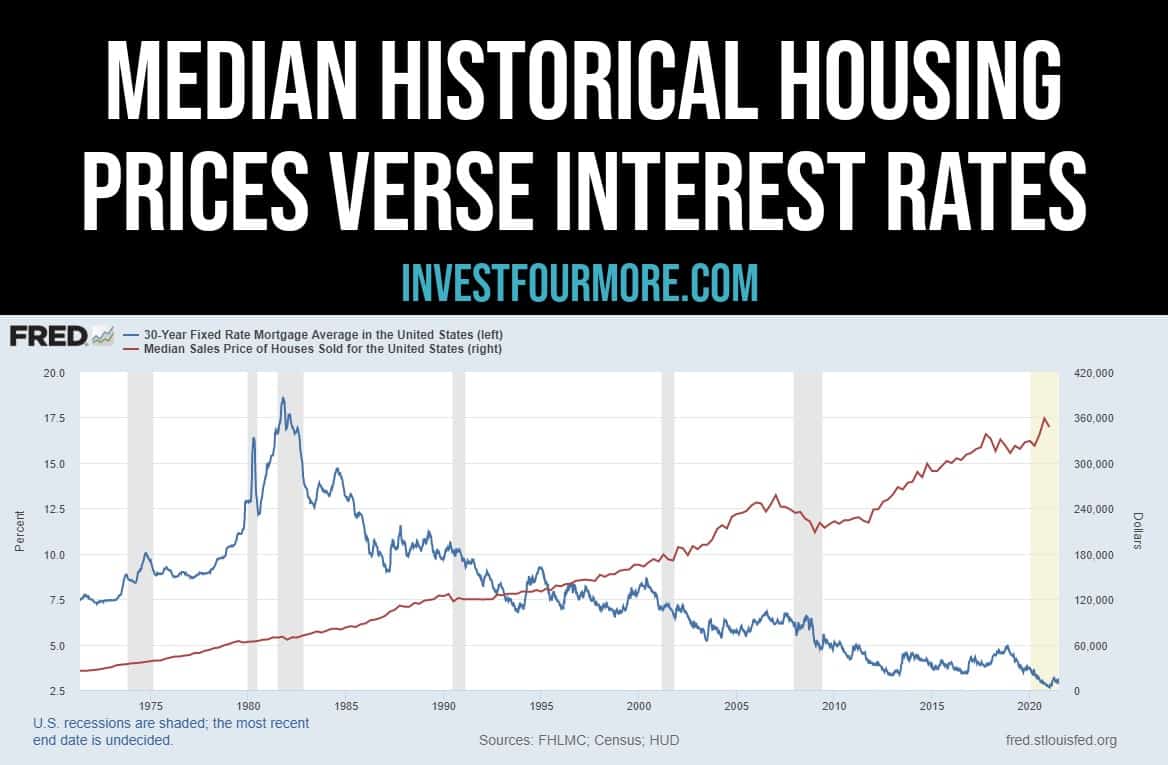
The housing market operates in cycles, influenced by economic growth, demographics, and interest rates. Historically, periods of higher interest rates have cooled down overheated markets, leading to more balanced conditions or even price corrections. Conversely, lower rates stimulate demand. Understanding that current rates are part of a broader cycle can help manage expectations and avoid panic-driven decisions. Real estate, especially owner-occupied housing, is a long-term asset, and short-term rate fluctuations should be viewed within that broader context.
In conclusion, current interest rates on houses are a critical financial variable for anyone involved in the real estate market. They are a product of a complex interplay of monetary policy, inflation, and economic performance. While the present environment may present challenges with higher borrowing costs, informed decision-making, meticulous financial planning, and a strategic approach to loan products can help individuals navigate these waters effectively. Staying abreast of economic news, consulting with trusted financial advisors and mortgage professionals, and understanding your personal financial capacity are the cornerstones of successful homeownership in any interest rate climate.
aViewFromTheCave is a participant in the Amazon Services LLC Associates Program, an affiliate advertising program designed to provide a means for sites to earn advertising fees by advertising and linking to Amazon.com. Amazon, the Amazon logo, AmazonSupply, and the AmazonSupply logo are trademarks of Amazon.com, Inc. or its affiliates. As an Amazon Associate we earn affiliate commissions from qualifying purchases.