
Understanding current home loan interest rates is paramount for anyone contemplating buying a home, refinancing an existing mortgage, or simply monitoring the health of their personal finances. These rates are not static figures; they are dynamic, influenced by a complex interplay of economic indicators, central bank policies, and global events. For prospective homeowners, a fraction of a percentage point can translate into tens of thousands of dollars over the life of a loan, significantly impacting affordability and long-term financial planning. For current homeowners, understanding the rate environment is crucial for making informed decisions about refinancing to potentially lower monthly payments or tap into home equity. This article delves into the current state of home loan interest rates, the factors driving them, strategies for securing the best terms, and what to expect in the evolving financial landscape.
Understanding the Dynamics of Home Loan Interest Rates
Home loan interest rates are a reflection of broader economic conditions and the perceived risk lenders undertake when extending credit. They are not arbitrarily set but are instead a product of numerous interconnected forces. Grasping these underlying dynamics is the first step toward making astute financial decisions in the housing market.
Key Factors Influencing Rates
Several powerful forces collectively shape the trajectory of home loan interest rates, making them subject to constant fluctuation.
- Federal Reserve Policy (Federal Funds Rate): While the Federal Reserve does not directly set mortgage rates, its monetary policy decisions—particularly adjustments to the federal funds rate—have a profound ripple effect. When the Fed raises its benchmark rate to combat inflation, it makes borrowing more expensive for banks, which then pass these increased costs onto consumers in the form of higher interest rates for various loans, including mortgages. Conversely, a cut in the federal funds rate aims to stimulate economic activity by making borrowing cheaper.
- Inflation Expectations: Lenders factor in inflation when setting rates because inflation erodes the purchasing power of future repayments. If lenders expect inflation to rise, they will demand higher interest rates to compensate for the anticipated loss in value of the money they will be repaid. Thus, strong inflation data often pushes mortgage rates upward, while declining inflation can offer some relief.
- Economic Growth and Employment Data: A robust economy, characterized by strong job growth and rising wages, typically leads to higher consumer demand and potentially higher inflation, which can put upward pressure on rates. Conversely, signs of economic slowdown or recession can prompt the Fed to lower rates, and investor flight to safer assets (like bonds) can also lead to lower long-term rates. Key indicators like the Gross Domestic Product (GDP) and monthly employment reports (e.g., non-farm payrolls, unemployment rate) are closely watched.
- Bond Market (10-Year Treasury Yield): The yield on the 10-year U.S. Treasury note is often seen as a bellwether for fixed mortgage rates. Mortgage-backed securities (MBS), which are bundles of mortgages sold to investors, compete with Treasuries for investor capital. As Treasury yields rise, MBS must offer higher yields (and thus higher mortgage rates) to remain attractive to investors. This correlation is a crucial aspect of how market sentiment translates into mortgage rate movements.
- Lender Competition and Risk Assessment: Beyond macroeconomic factors, individual lenders also play a role. Competition among banks and mortgage companies can lead to slightly better rates for borrowers. Furthermore, each lender assesses the risk profile of individual borrowers based on credit scores, debt-to-income ratios, and loan-to-value ratios. A borrower with a pristine credit history and a substantial down payment will typically qualify for a lower rate than someone with a weaker financial standing.
Fixed vs. Adjustable-Rate Mortgages (ARMs): A Core Distinction
When evaluating home loan options, one of the fundamental choices is between a fixed-rate mortgage and an adjustable-rate mortgage, each carrying distinct implications for your financial future, especially in a dynamic rate environment.
- Description of Fixed-Rate Mortgages: A fixed-rate mortgage locks in the same interest rate for the entire life of the loan, typically 15, 20, or 30 years. This means your principal and interest payment remains constant, offering predictable monthly housing costs. The 30-year fixed-rate mortgage is the most popular choice in the U.S. due to its lower monthly payments and long-term stability.
- Description of Adjustable-Rate Mortgages (ARMs): An ARM offers an initial fixed interest rate for a set period (e.g., 3, 5, 7, or 10 years), after which the rate adjusts periodically, usually once a year, based on a predetermined index (like SOFR – Secured Overnight Financing Rate) plus a margin. Common ARMs are structured as “5/1 ARM,” meaning the rate is fixed for five years and then adjusts annually. These loans often come with lower initial interest rates compared to fixed-rate mortgages.
- Pros and Cons of each in the Current Climate: In an environment of rising rates, fixed-rate mortgages offer invaluable protection against future payment increases, providing peace of mind and budget certainty. However, their initial rates might be higher. ARMs, with their typically lower introductory rates, can be attractive for borrowers who plan to sell or refinance before the fixed period ends, or those who anticipate future rate declines. The risk, however, is that future rate adjustments could lead to significantly higher monthly payments if interest rates rise, making budgeting more challenging.
Current State of Home Loan Interest Rates
The “today” in “what are home loan interest rates today” is crucial because rates are perpetually in motion. While providing an exact, real-time figure is impossible without direct access to live market data, we can discuss the general trends and magnitudes homeowners and prospective buyers are experiencing.
A Snapshot of Today’s Rates (General Trends)
As of the current period, home loan interest rates have undergone significant shifts from the historically low levels seen in previous years. We are in an environment where borrowing costs are notably higher, a direct consequence of central bank efforts to curb inflation and broader economic adjustments.
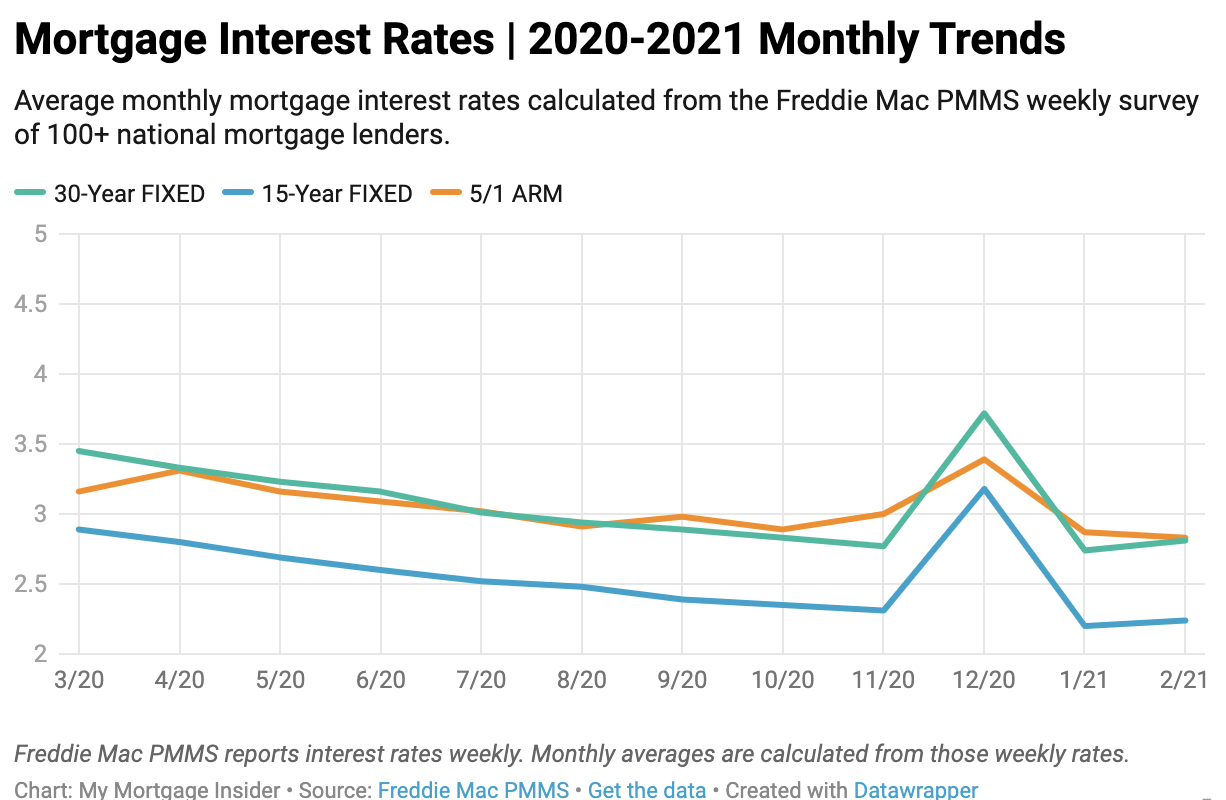
- General Range for 30-Year Fixed Mortgages: Borrowers can generally expect 30-year fixed mortgage rates to be in a range that is higher than the single-digit percentages seen during the pandemic. Specific rates will vary by lender, borrower creditworthiness, and market conditions on any given day, but they often hover in a range that is substantially higher than the 3% or 4% seen in 2020-2021.
- 15-Year Fixed Mortgages: 15-year fixed rates are typically lower than 30-year rates because lenders face less interest rate risk over a shorter term. While offering lower rates, the monthly payments are considerably higher due to the condensed repayment schedule, making them suitable for borrowers with stronger cash flow.
- Common ARM Types (e.g., 5/1 ARM): Adjustable-rate mortgages, such as the 5/1 ARM, often present an initial rate that is lower than prevailing 30-year fixed rates. This difference can be appealing for borrowers seeking to maximize their initial affordability, though they must weigh the risk of future adjustments.
- Historical Context: Current rates, while higher than recent lows, may still be considered moderate when viewed through a longer historical lens. In the late 1970s and early 1980s, for instance, mortgage rates soared into the double digits. This historical perspective helps contextualize the current environment, even if it feels challenging compared to the recent past.
Impact on Affordability and Buyer Behavior
Elevated interest rates have a profound impact on the housing market, directly affecting affordability and influencing the decisions of both buyers and sellers.
- Higher Rates Mean Higher Monthly Payments: The most immediate effect of rising rates is an increase in monthly mortgage payments. Even a small percentage point jump can add hundreds of dollars to a payment on a substantial loan, significantly straining household budgets. This effectively reduces the amount of home a buyer can afford for the same monthly payment.
- Effect on Purchasing Power: As monthly payments rise, the purchasing power of prospective buyers diminishes. Many individuals and families find themselves priced out of certain segments of the market or needing to compromise on the size, location, or features of their desired home. This can lead to a cooling of demand in overheated markets.
- Refinancing Considerations: For existing homeowners, higher rates make refinancing less attractive, particularly if their current mortgage has a much lower rate. The incentive to refinance typically arises when current rates are significantly lower than one’s existing rate, allowing for reduced monthly payments or a shorter loan term. In a high-rate environment, cash-out refinances also become more expensive, potentially limiting access to home equity.
- Impact on the Housing Market: Elevated rates tend to slow down housing market activity. Buyers become more cautious, inventory may linger longer on the market, and home price appreciation can moderate or even decline in some areas. Sellers might need to adjust their expectations, and overall transaction volumes often decrease. The balance of power can shift from a seller’s market to a more balanced or even buyer-friendly environment, depending on local supply and demand dynamics.
Strategies for Securing Favorable Home Loan Rates
While economic forces largely dictate the overall rate environment, individual borrowers are not powerless. Several proactive strategies can significantly improve your chances of securing the most favorable home loan interest rates available to you.
Strengthening Your Financial Profile
Lenders evaluate risk, and a strong financial profile translates to lower perceived risk, often resulting in better rate offers.
- Improving Credit Score: Your credit score is a primary determinant of your interest rate. A higher score (e.g., 740 or above) signals responsible financial behavior and typically qualifies you for the best rates. Focus on paying bills on time, keeping credit utilization low, and correcting any errors on your credit report.
- Increasing Down Payment: A larger down payment reduces the amount you need to borrow (the loan-to-value ratio, LTV). A lower LTV means less risk for the lender, which can translate into a lower interest rate. Additionally, a substantial down payment can help you avoid private mortgage insurance (PMI).
- Reducing Debt-to-Income (DTI) Ratio: Your DTI ratio compares your total monthly debt payments (including the proposed mortgage) to your gross monthly income. Lenders prefer a lower DTI, typically below 43%, as it indicates you have sufficient income to manage your debts. Paying down existing debts before applying for a mortgage can significantly improve this ratio.
- Maintaining Stable Employment History: Lenders prefer borrowers with a consistent work history, ideally at least two years in the same field or with documented career progression. Stable employment demonstrates a reliable income source to service the mortgage.
Navigating the Application Process
The application phase is where strategic decision-making and diligence can yield tangible benefits.
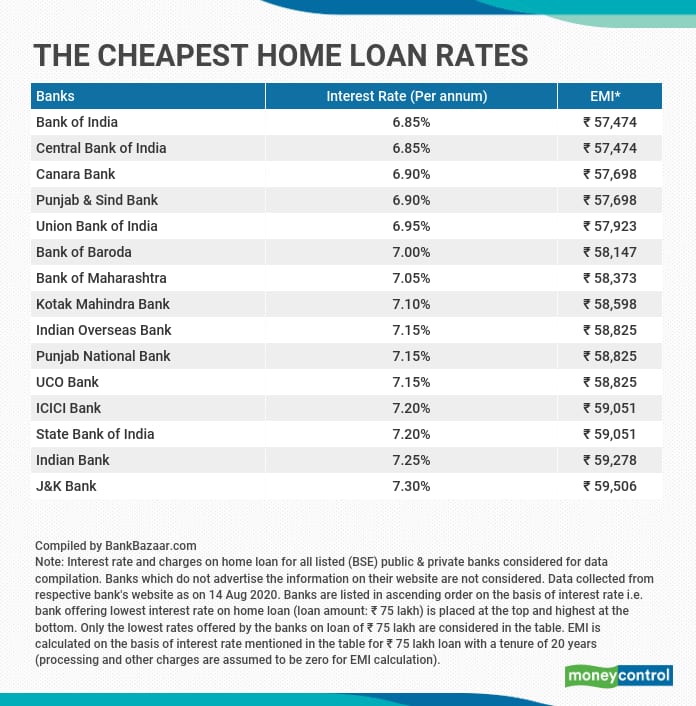
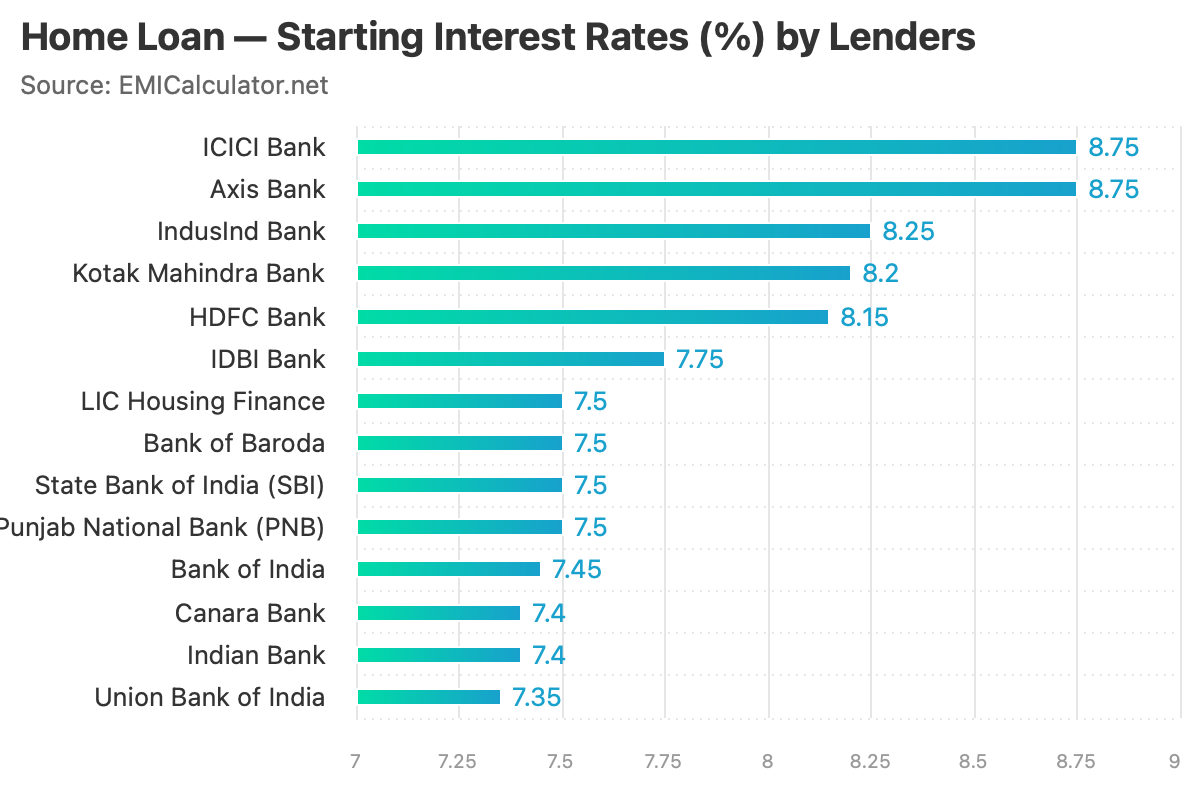
- Shopping Around (Multiple Lenders): This is perhaps the most critical step. Different lenders have varying overheads, risk appetites, and pricing models. Getting quotes from at least three to five different lenders—including national banks, credit unions, and independent mortgage brokers—can uncover significant rate differences. Lenders are generally required to provide a Loan Estimate within three business days of receiving your application, which allows for direct comparison.
- Understanding Loan Estimates (LE): The Loan Estimate is a standardized form that details the loan terms, projected payments, and closing costs. Pay close attention to the interest rate, APR (Annual Percentage Rate, which includes fees), and closing costs. Compare these across different lenders to find the best overall deal, not just the lowest advertised rate.
- Locking Your Rate: Once you find a rate you’re comfortable with, ask your lender about “locking” it. A rate lock guarantees your interest rate for a specific period (e.g., 30, 45, or 60 days) while your loan is processed. This protects you if rates rise before closing, though some locks may come with a fee or a slightly higher rate.
- Considering Mortgage Points (Discount Points vs. Origination Fees): Mortgage points are fees paid directly to the lender at closing in exchange for a lower interest rate. One point typically equals 1% of the loan amount. “Discount points” buy down your interest rate, while “origination points” or fees cover the lender’s administrative costs. Analyze the break-even point to see if paying discount points makes financial sense for your intended loan duration.
Exploring Different Loan Products
Beyond conventional loans, various government-backed and specialized loan programs can offer more accessible terms or unique advantages, especially for specific borrower demographics.
- FHA, VA, USDA Loans (Government-Backed):
- FHA Loans: Insured by the Federal Housing Administration, these loans are popular for first-time homebuyers or those with lower credit scores. They often require a smaller down payment (as low as 3.5%).
- VA Loans: Guaranteed by the Department of Veterans Affairs, these are excellent options for eligible service members, veterans, and surviving spouses. They typically require no down payment and no private mortgage insurance.
- USDA Loans: Backed by the U.S. Department of Agriculture, these loans are designed for low-to-moderate-income buyers in eligible rural areas and can also offer 100% financing.
- Jumbo Loans: For loan amounts exceeding conforming loan limits set by Fannie Mae and Freddie Mac (which vary by region), jumbo loans are required. These often come with slightly higher interest rates and stricter underwriting requirements due to their larger size.
- Special Programs: Many states and local governments offer first-time homebuyer programs, down payment assistance, or specific grants that can make homeownership more attainable and potentially affect the overall cost of borrowing. Researching these localized options is a valuable step.
The Future Outlook: What to Expect
Predicting the precise movement of home loan interest rates is notoriously difficult, as they respond to an intricate web of economic, political, and global influences. However, understanding the key indicators and expert sentiment can help you formulate an informed perspective.
Economic Indicators to Watch
Staying informed about upcoming economic data releases and central bank pronouncements is crucial for anticipating rate shifts.
- Inflation Data (CPI, PCE): The Consumer Price Index (CPI) and Personal Consumption Expenditures (PCE) index are the primary measures of inflation. Persistently high inflation will likely prompt the Federal Reserve to maintain or increase interest rates, while clear signs of moderating inflation could pave the way for stable or even declining rates.
- Fed’s Forward Guidance and Meeting Minutes: The Federal Open Market Committee (FOMC) statements after each meeting, along with the detailed minutes released weeks later, provide insights into the Fed’s outlook on the economy and its future policy intentions. Pay attention to any language signaling a hawkish (rate-hiking) or dovish (rate-cutting) stance.
- Employment Reports: Robust job growth and low unemployment can fuel inflation and economic activity, potentially leading to higher rates. Conversely, a weakening job market could prompt the Fed to consider stimulating the economy through lower rates.
- Geopolitical Events: Global conflicts, trade disputes, and international economic instability can lead to shifts in investor sentiment, often causing a flight to safety that impacts bond yields and, consequently, mortgage rates.
Expert Forecasts and Market Sentiment
While no one has a crystal ball, financial analysts, economists, and mortgage industry experts constantly analyze market conditions and economic data to provide projections.
- Acknowledge Uncertainty but Discuss General Consensus: Forecasts are rarely unanimous, and they evolve rapidly. However, there often emerges a general consensus or a range of expectations. Currently, many experts anticipate a period of relative stability, or perhaps modest fluctuations, depending on the inflation trajectory and the Fed’s response. The expectation of a return to the ultra-low rates of the pandemic era is generally low in the near to medium term.
- Potential for Stabilization or Further Shifts: Rates could stabilize if inflation comes under control and the economy avoids a deep recession. Conversely, unexpected economic shocks, persistent inflation, or sudden shifts in monetary policy could trigger further significant rate movements.
- Importance of Staying Informed: For anyone looking to buy or refinance, it is imperative to stay abreast of financial news and expert analyses. Websites from reputable financial institutions, real estate data providers, and economic think tanks often publish regular mortgage rate forecasts and market commentaries that can be invaluable for planning.
Conclusion
The question “what are home loan interest rates today?” carries significant weight for millions of individuals navigating the housing market. Today’s mortgage landscape is characterized by rates that are notably higher than the unprecedented lows of the recent past, influenced by inflation, central bank policy, and broader economic health. Understanding these dynamics is crucial for anyone engaging with the mortgage market.
Whether you are a first-time homebuyer grappling with affordability, an existing homeowner considering a refinance, or an investor assessing market conditions, a proactive and informed approach is paramount. By diligently strengthening your financial profile, shopping around for the best terms, understanding different loan products, and staying informed about economic indicators, you can empower yourself to make the most advantageous decisions. While the future trajectory of interest rates remains uncertain, equipping yourself with knowledge and strategic planning will position you to navigate the current mortgage landscape effectively and secure a financial future that aligns with your homeownership aspirations.
aViewFromTheCave is a participant in the Amazon Services LLC Associates Program, an affiliate advertising program designed to provide a means for sites to earn advertising fees by advertising and linking to Amazon.com. Amazon, the Amazon logo, AmazonSupply, and the AmazonSupply logo are trademarks of Amazon.com, Inc. or its affiliates. As an Amazon Associate we earn affiliate commissions from qualifying purchases.