
Understanding the current landscape of home interest rates is paramount for anyone navigating the housing market, whether you’re a first-time homebuyer, looking to refinance, or an existing homeowner assessing your financial position. These rates are not static; they fluctuate daily, influenced by a complex interplay of economic indicators, central bank policies, and global market sentiments. At their core, home interest rates dictate the cost of borrowing money to purchase a property, profoundly impacting monthly mortgage payments, overall affordability, and even the broader health of the real estate market.
For many, a home represents the single largest financial asset and liability they will ever undertake. The interest rate attached to a mortgage can mean the difference of hundreds, if not thousands, of dollars over the loan’s lifetime. Therefore, staying informed about prevailing rates isn’t just a matter of curiosity; it’s a strategic imperative for sound financial planning and maximizing your investment in a home. This article will delve into what’s driving current rates, how they affect different players in the market, and provide actionable insights for making informed decisions in today’s dynamic environment.
Understanding the Current Rate Environment
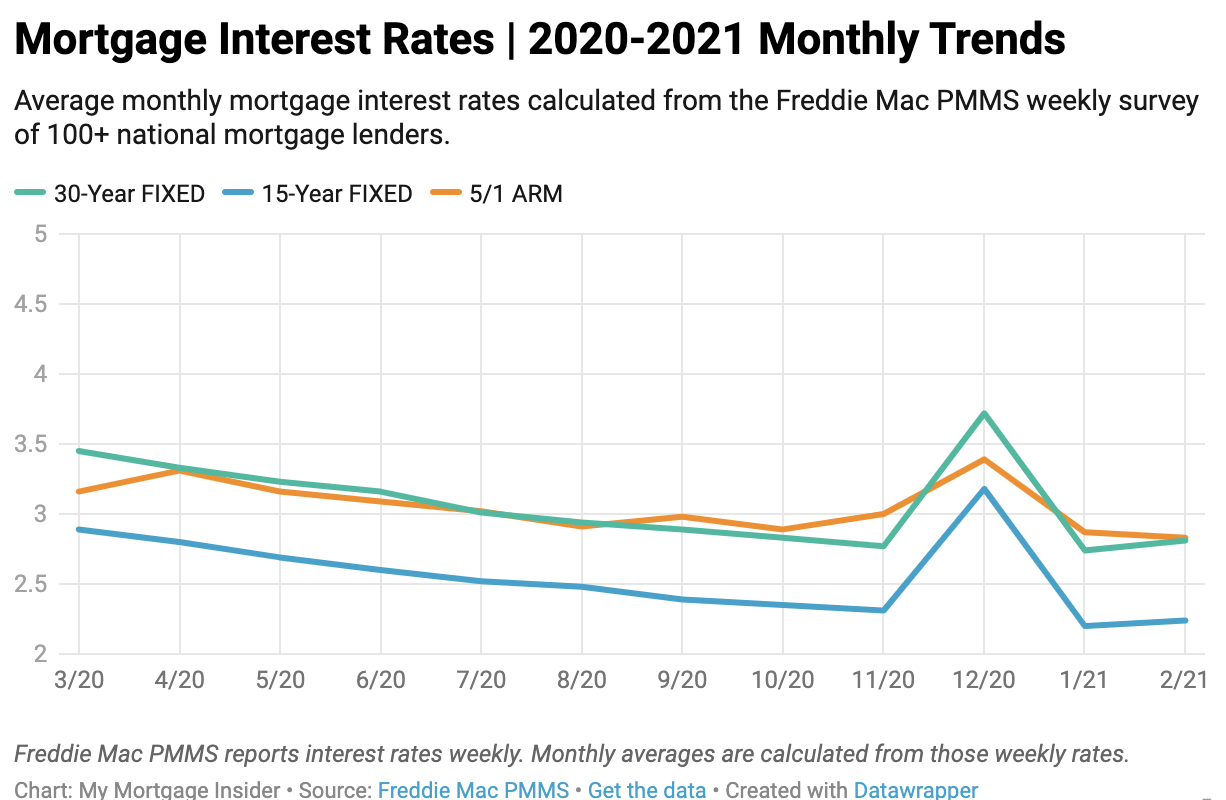
The “right now” in “what are home interest rates right now” is a moving target, but understanding the forces that shape it provides crucial context. Mortgage rates are not set in a vacuum; they are a direct reflection of broader economic conditions and expectations.
Key Influencers on Mortgage Rates
Several powerful factors dictate the direction and magnitude of mortgage rate movements. The most prominent among these is the Federal Reserve (the Fed). While the Fed does not directly set mortgage rates, its actions significantly influence them. When the Fed raises or lowers the federal funds rate – the target rate for overnight lending between banks – it impacts the cost of borrowing for financial institutions, which in turn trickles down to consumer loan products like mortgages. A higher federal funds rate typically leads to higher mortgage rates, and vice-versa.
Inflation is another critical driver. Lenders, when issuing long-term loans like mortgages, factor in the expected erosion of their money’s purchasing power due to inflation. If inflation is high or expected to rise, lenders demand higher interest rates to ensure a real return on their investment. Conversely, lower inflation can put downward pressure on rates. The Fed’s primary mandate is often to control inflation, creating a direct link between its policy decisions and mortgage rates.
Beyond monetary policy and inflation, a host of economic data contributes to the rate environment. Reports on employment (e.g., jobless claims, non-farm payrolls), gross domestic product (GDP) growth, manufacturing output, and consumer sentiment all paint a picture of economic health. A strong economy often signals higher demand for credit and potential inflation, pushing rates up. A weakening economy, conversely, can lead to lower rates as investors seek safe havens and demand for loans wanes. Geopolitical events and global economic stability can also introduce volatility, causing investors to shift capital, which impacts bond yields and, subsequently, mortgage rates.
Differentiating Between Mortgage Products
When discussing “home interest rates,” it’s vital to recognize that there isn’t a single, universal rate. Rates vary significantly based on the type of mortgage product chosen. The two primary categories are Fixed-Rate Mortgages (FRMs) and Adjustable-Rate Mortgages (ARMs).
A Fixed-Rate Mortgage locks in an interest rate for the entire life of the loan, typically 15 or 30 years. This provides stability and predictability in monthly payments, making budgeting easier. In an environment of rising rates, a fixed-rate mortgage offers protection against increasing costs. However, if rates fall significantly, you might miss out unless you refinance.
An Adjustable-Rate Mortgage features an initial fixed-rate period (e.g., 5/1, 7/1, 10/1 ARM), after which the interest rate adjusts periodically based on a predetermined index plus a margin. ARMs often start with lower interest rates than FRMs, making them attractive for borrowers who anticipate selling or refinancing before the fixed period ends, or those who expect their income to rise substantially. However, they carry the risk of significantly higher payments if rates rise after the adjustment period.
Beyond these structures, Conventional Loans are typically offered by private lenders and conform to the guidelines set by Fannie Mae and Freddie Mac. They generally require good credit and can offer competitive rates. Government-backed loans, such as FHA (Federal Housing Administration), VA (Department of Veterans Affairs), and USDA (United States Department of Agriculture) loans, have specific eligibility criteria but often come with more lenient qualification requirements, lower down payments, or even no down payment (VA). While the interest rates for these loans are also influenced by market forces, they often have unique benefits and associated costs (like mortgage insurance premiums) that need to be factored into the overall cost of borrowing. Understanding these distinctions is crucial for comparing offers and choosing the most suitable product for your financial situation.
How Interest Rates Impact Your Homeownership Journey
The current interest rate environment profoundly shapes the landscape for both prospective homebuyers and existing homeowners, influencing everything from buying power to refinancing opportunities.
For Prospective Homebuyers
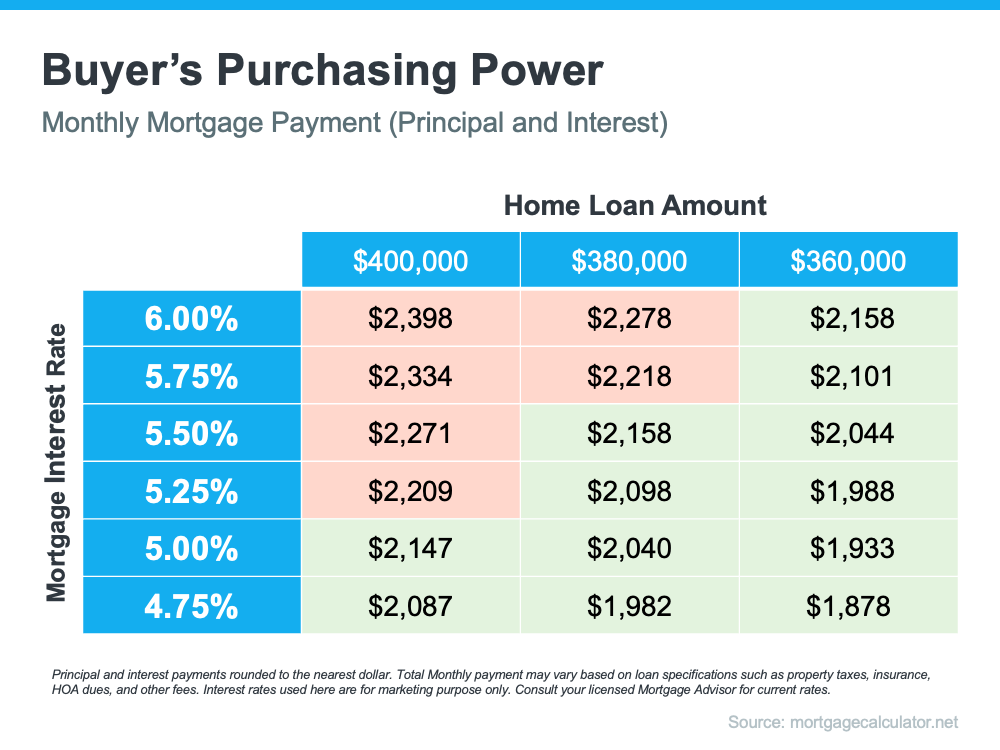
For individuals looking to purchase a home, interest rates are perhaps the single most critical factor influencing affordability. A slight change in the interest rate can significantly alter your monthly mortgage payment. For instance, on a $400,000 loan, even a half-percentage point increase in the interest rate can add tens or even hundreds of dollars to your monthly payment, equating to thousands over the loan’s lifetime. This directly impacts your buying power – the maximum home price you can afford while staying within your budget. When rates are high, your buying power diminishes, meaning you might have to consider a less expensive home or allocate a larger portion of your income to housing costs.
Conversely, a drop in interest rates can dramatically increase your buying power, allowing you to afford a more expensive home or significantly reduce your monthly payments for the same priced property. Mortgage rates also influence market dynamics. High rates can cool down a hot housing market by reducing demand, leading to slower price appreciation or even price adjustments. Low rates can fuel demand, often leading to bidding wars and rapidly escalating home prices, making it harder for buyers to compete. Therefore, understanding the current rate environment is essential for setting realistic expectations, budgeting effectively, and strategizing your entry into the housing market.
For Current Homeowners
Existing homeowners are also directly affected by interest rate fluctuations, primarily through refinancing opportunities and their ability to leverage equity extraction. When interest rates fall significantly below your current mortgage rate, refinancing becomes an attractive option. Refinancing involves taking out a new mortgage to pay off your old one, ideally at a lower interest rate, which can lead to reduced monthly payments, substantial savings over the loan term, or a shorter loan term. It’s also an opportunity to switch from an ARM to a fixed-rate mortgage for stability, or vice versa, depending on your risk tolerance and financial goals.
Beyond rate and term refinancing, current rates also impact the viability of cash-out refinancing or home equity loans. These options allow homeowners to tap into their home’s equity – the difference between the home’s value and the outstanding mortgage balance – to fund major expenses like home renovations, college tuition, or debt consolidation. When interest rates are low, borrowing against your equity becomes more affordable, making these options more appealing. However, it’s crucial to weigh the benefits against the risks of increasing your debt burden and extending your loan term. Staying informed about current rates allows homeowners to seize opportune moments to optimize their mortgage terms or strategically utilize their home equity.
Strategies for Navigating Today’s Market
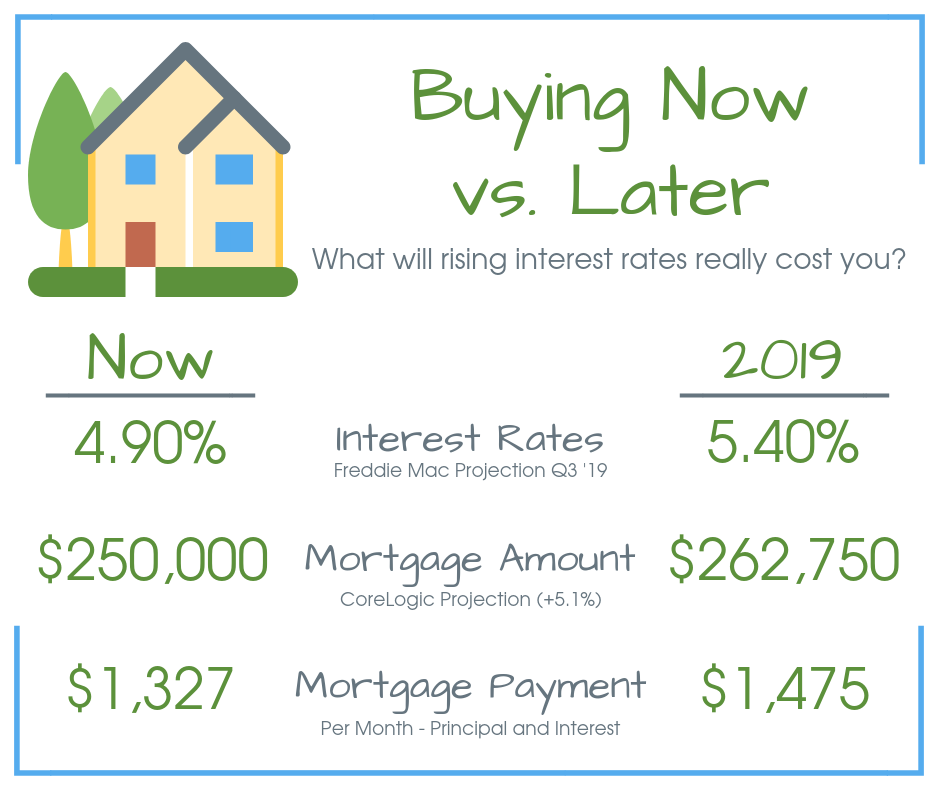
Given the dynamic nature of home interest rates, adopting proactive strategies is crucial for securing the best financial outcomes, whether you’re buying, selling, or simply managing your current mortgage.
Getting the Best Rate
Securing the most favorable interest rate involves more than just watching market trends; it requires diligent preparation and smart shopping. Your credit score is perhaps the most significant personal factor influencing the rate you’ll receive. Lenders use credit scores to assess your creditworthiness and the likelihood of repayment. Borrowers with excellent credit scores (typically 740+) are perceived as lower risk and are often offered the lowest rates. Taking steps to improve your credit score – by paying bills on time, reducing debt, and monitoring your credit report for errors – can translate into substantial savings over the life of your mortgage.
Your down payment also plays a critical role. A larger down payment reduces the loan amount, decreases the lender’s risk, and can often qualify you for a better interest rate. While 20% is often considered ideal to avoid Private Mortgage Insurance (PMI), even a slightly larger down payment than the minimum requirement can sometimes yield a better rate. Furthermore, the type of loan you choose (e.g., fixed vs. adjustable, conventional vs. FHA) and the specific loan term (e.g., 15-year vs. 30-year) will influence the rate. Generally, shorter-term loans tend to have lower interest rates because lenders face less long-term risk.
Finally, shopping lenders is non-negotiable. Interest rates can vary significantly from one lender to another, even for the same borrower profile on the same day. Obtain quotes from multiple banks, credit unions, and mortgage brokers. Don’t just look at the interest rate; compare the Annual Percentage Rate (APR), which includes fees and other costs, to get a true picture of the loan’s overall cost. Leveraging a mortgage broker can be particularly beneficial, as they have access to a wide network of lenders and can often find competitive rates that individual borrowers might miss.
Preparing for Rate Fluctuations
The housing market and interest rates are inherently cyclical. Preparing for future rate fluctuations is an essential part of long-term financial planning. For prospective homebuyers, this means cultivating financial flexibility. Budgeting meticulously to ensure you have a comfortable buffer beyond your mortgage payment is vital, especially if considering an ARM or if your income is variable. Building a robust emergency fund (3-6 months of living expenses) protects you against unexpected expenses or income disruptions, which could otherwise jeopardize your ability to make mortgage payments if rates rise or if you encounter difficulties.
If you are considering an ARM, it is imperative to understand the adjustment schedule, caps, and potential worst-case scenario payments. Stress-testing your budget against hypothetical rate increases can reveal if an ARM truly aligns with your financial capacity and risk tolerance. For existing homeowners, regularly monitoring market rates can help identify optimal windows for refinancing. If rates drop substantially, being prepared with good credit and a clear financial picture can allow you to quickly capitalize on refinancing opportunities.
Furthermore, consider the long-term implications of your mortgage choice. A fixed-rate mortgage offers peace of mind against rising rates but may limit your flexibility if rates plummet. An ARM offers lower initial payments but exposes you to future market volatility. Your personal financial situation, income stability, career trajectory, and plans for homeownership (e.g., how long you plan to stay in the home) should all factor into this decision. Proactive financial planning allows you to weather market shifts and make decisions that align with your broader financial goals.
The Economic Outlook and Future Rate Projections
Understanding where home interest rates stand “right now” is crucial, but equally important is anticipating their likely trajectory. Mortgage rates are forward-looking, reflecting market expectations of future economic conditions and central bank policies.
Expert Forecasts and Market Trends
Predicting the exact movement of interest rates is challenging, even for seasoned economists, given the multitude of variables at play. However, expert forecasts from major financial institutions, housing agencies (like Freddie Mac and Fannie Mae), and economic think tanks provide valuable insights into potential trends. These forecasts typically analyze factors such as inflation outlooks, the Federal Reserve’s stance on monetary policy (e.g., quantitative tightening/easing, interest rate hikes/cuts), unemployment figures, and geopolitical developments.
Currently, many experts are focused on the Fed’s ongoing battle against inflation and its implications for future rate decisions. If inflation proves persistent, the Fed may be compelled to keep interest rates higher for longer, which would likely maintain elevated mortgage rates. Conversely, signs of cooling inflation and a softening economy might prompt the Fed to consider rate cuts, potentially leading to a decline in mortgage rates. Market trends, such as bond yields (particularly the 10-year Treasury yield, which mortgage rates often track), commodity prices, and stock market performance, also offer real-time signals about investor sentiment and expectations for future economic growth and inflation. Observing these trends, even without explicit predictions, can help gauge the market’s pulse.
It’s important to remember that forecasts are not guarantees. Unexpected events—be they economic shocks, technological breakthroughs, or political shifts—can swiftly alter the trajectory of rates. Therefore, while expert opinions offer guidance, a degree of informed skepticism and continuous monitoring is always advisable.
Long-Term Implications for the Housing Market
The sustained level and future direction of home interest rates carry significant long-term implications for the housing market. Persistent high rates can lead to a sustained period of reduced affordability, potentially dampening home buyer demand over several years. This could result in slower home price appreciation or, in some markets, price corrections as supply outstrips demand. Builders might also scale back new construction in response to reduced demand and higher borrowing costs for development, impacting housing supply in the long run.
Conversely, a sustained period of lower rates, if it were to occur, could re-ignite demand, potentially leading to renewed competition among buyers and upward pressure on home prices. However, it could also trigger a wave of refinancing activity, stimulating economic growth by freeing up household cash flow. The relationship between interest rates and the housing market is cyclical. Higher rates might initially cool a frothy market, making it more sustainable in the long run, while excessively low rates can sometimes lead to housing bubbles.
For individuals, the long-term implications underscore the importance of making mortgage decisions that align with your personal financial timeline and risk tolerance. If you plan to stay in a home for many years, locking in a favorable fixed rate provides stability regardless of future market shifts. If your plans are more short-term, an ARM might be viable, provided you’re prepared for potential payment increases. Ultimately, the long-term outlook for home interest rates influences not just individual homeownership costs but also the broader economic health and stability of the housing sector itself.
Conclusion
Current home interest rates are a critical economic barometer, reflecting the interplay of inflation, monetary policy, and broader economic health. For prospective homebuyers, these rates dictate affordability and buying power, shaping market dynamics and the feasibility of their homeownership dreams. For existing homeowners, they open or close windows of opportunity for refinancing, equity extraction, and optimizing their financial position.
Navigating this complex environment successfully demands a proactive approach: diligently improving your credit score, making strategic down payments, and rigorously shopping for the best loan terms. Furthermore, preparing for future rate fluctuations through meticulous budgeting, building emergency reserves, and understanding the nuances of different mortgage products is paramount.
While expert forecasts offer valuable insights, the future of interest rates remains subject to a myriad of unpredictable factors. Therefore, staying informed, adapting to market changes, and making decisions aligned with your personal financial goals are the most effective strategies for ensuring a secure and prosperous homeownership journey, regardless of what interest rates are “right now” or where they might be heading.
aViewFromTheCave is a participant in the Amazon Services LLC Associates Program, an affiliate advertising program designed to provide a means for sites to earn advertising fees by advertising and linking to Amazon.com. Amazon, the Amazon logo, AmazonSupply, and the AmazonSupply logo are trademarks of Amazon.com, Inc. or its affiliates. As an Amazon Associate we earn affiliate commissions from qualifying purchases.