
Understanding the interest rate for mortgage loans is one of the most critical aspects of homeownership. For most individuals, a mortgage represents the largest financial commitment they will ever make, and the interest rate attached to that loan dictates a significant portion of its total cost over decades. It’s not merely a number; it’s a dynamic factor influenced by a complex interplay of economic forces, individual financial health, and lender policies. Grasping the intricacies of mortgage interest rates empowers potential homeowners to make informed decisions, secure favorable terms, and ultimately save tens, if not hundreds, of thousands of dollars over the life of their loan. This comprehensive guide will demystify mortgage interest rates, exploring their definition, the factors that drive them, their profound impact on your finances, and strategies for navigating this ever-evolving landscape.

Understanding Mortgage Interest Rates
At its core, a mortgage interest rate is the cost of borrowing money to purchase a home, expressed as a percentage of the principal loan amount. Lenders charge interest as compensation for the risk they undertake by loaning you a substantial sum of money, and for the opportunity cost of not being able to use that money elsewhere. This rate determines how much extra you will pay over and above the amount you initially borrowed.
Definition and Core Components
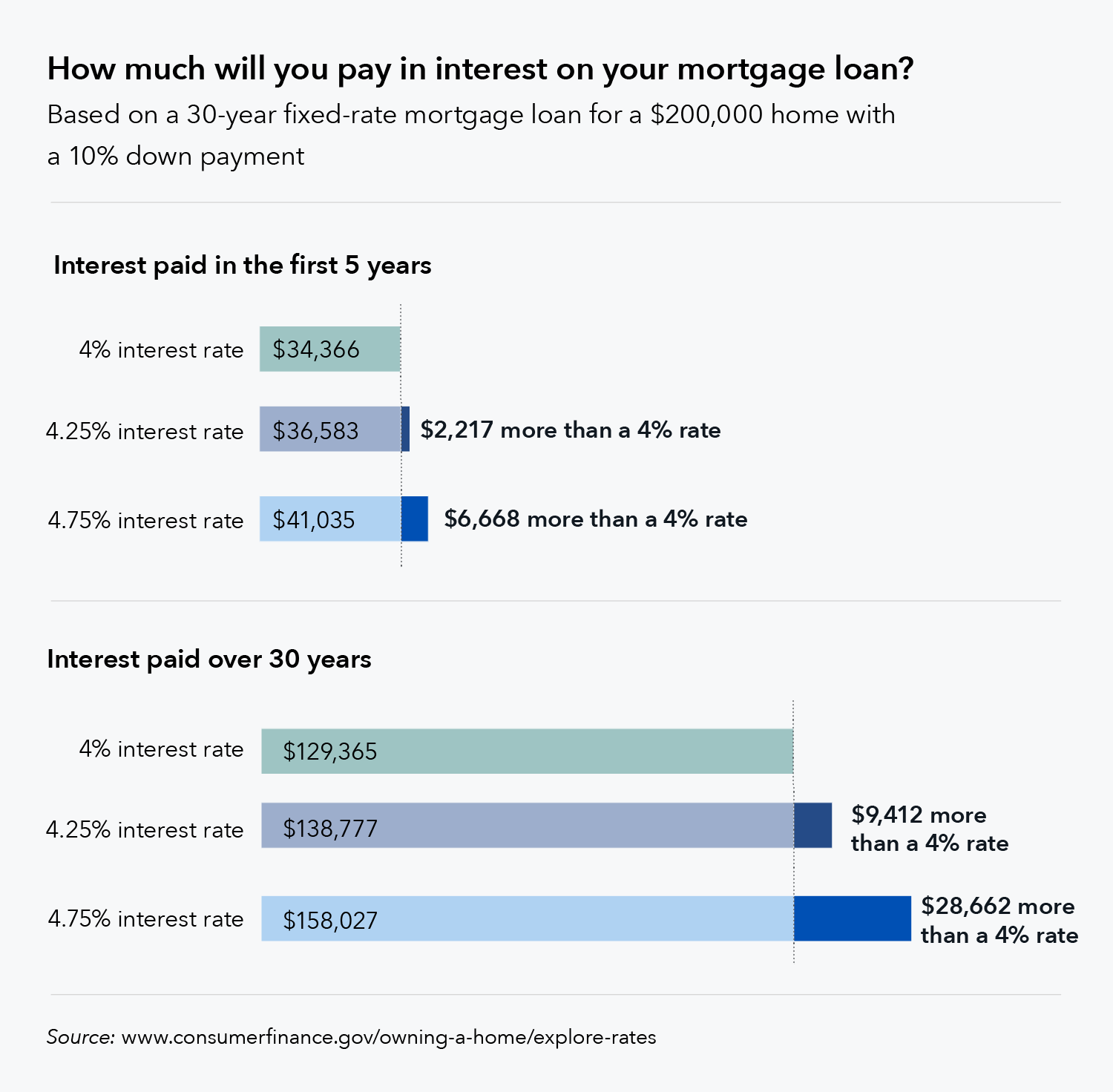
When you take out a mortgage, you’re agreeing to repay the principal (the amount borrowed) plus interest. The interest rate is typically an annual percentage rate (APR), though the quoted rate might be the nominal interest rate, while the APR gives a more holistic view by incorporating certain fees and costs associated with the loan. This distinction is crucial because the APR provides a truer representation of the total cost of borrowing. A lower interest rate translates directly to lower monthly payments and less money paid back to the lender over the loan’s term. Conversely, even a seemingly small increase in the interest rate can significantly inflate the total cost of a home over 15 or 30 years.
The Role of Interest in Loan Repayment
Interest plays a front-loaded role in most mortgage repayment schedules. This means that in the early years of a standard fixed-rate mortgage, a larger portion of your monthly payment goes towards paying off the interest accumulated, with a smaller portion reducing the principal balance. As the loan matures, this ratio gradually shifts, with more of each payment allocated to the principal. This concept, known as amortization, is fundamental to understanding how your mortgage balance declines over time. The longer the loan term (e.g., 30 years versus 15 years), the more interest you will pay overall, even if the monthly payments are lower, because the lender has more time to accrue interest on the outstanding balance.
Fixed vs. Adjustable Rates (ARMs)
Mortgage interest rates primarily come in two forms: fixed-rate and adjustable-rate mortgages (ARMs). A fixed-rate mortgage offers a consistent interest rate for the entire life of the loan. This provides predictability and stability in monthly payments, making budgeting easier and shielding borrowers from potential rate increases. It’s often preferred by those seeking long-term financial certainty.
An adjustable-rate mortgage (ARM), on the other hand, starts with an initial fixed interest rate for a specific period (ee.g., 3, 5, 7, or 10 years) and then adjusts periodically based on a predetermined index, such as the Secured Overnight Financing Rate (SOFR) or the Constant Maturity Treasury (CMT) rate, plus a margin set by the lender. While ARMs often offer lower initial rates, the risk lies in the uncertainty of future payments, which can rise significantly if market rates increase. They can be attractive to borrowers who plan to sell or refinance before the fixed-rate period ends, or those who anticipate their income increasing substantially in the future.
Key Factors Influencing Mortgage Rates
Mortgage interest rates are not static; they fluctuate daily, sometimes hourly, driven by a complex web of economic indicators, lender policies, and market dynamics. Understanding these influences is vital for anticipating rate movements and timing your mortgage application strategically.
Economic Indicators
Several macroeconomic factors exert significant sway over mortgage rates:
- Inflation: When inflation rises or is expected to rise, lenders demand higher interest rates to compensate for the decreasing purchasing power of future repayment dollars. The Federal Reserve often raises its benchmark interest rates to combat inflation, which in turn pushes up mortgage rates.
- Federal Reserve Policy: While the Federal Reserve doesn’t directly set mortgage rates, its monetary policy decisions have a profound indirect impact. When the Fed raises or lowers the federal funds rate, it influences the broader financial market, including the cost of borrowing for banks, which then passes those costs (or savings) onto consumers in the form of mortgage rates. The Fed’s actions around quantitative easing or tightening also affect the supply of money and demand for mortgage-backed securities, thereby impacting rates.
- Economic Growth (GDP): A strong economy, characterized by robust GDP growth and low unemployment, often signals increased demand for credit and potential inflationary pressures, which can lead to higher interest rates. Conversely, economic slowdowns or recessions can lead to lower rates as the Fed tries to stimulate activity.
- Bond Market Performance: Mortgage rates tend to move in tandem with the yield on U.S. Treasury bonds, particularly the 10-year Treasury note. When bond yields rise, mortgage rates generally follow suit, and vice versa. This is because mortgage-backed securities (MBS) compete with Treasuries for investor attention.
Lender-Specific Factors
Beyond the broader economy, individual borrower characteristics and loan specifics also play a crucial role in determining the interest rate offered by a lender:
- Credit Score: A higher credit score (e.g., 740+) signals to lenders that you are a responsible borrower with a strong history of repaying debts. This reduces the perceived risk, allowing lenders to offer more favorable, lower interest rates. Conversely, a lower credit score will result in higher rates to compensate for the increased risk.
- Debt-to-Income (DTI) Ratio: This ratio compares your total monthly debt payments to your gross monthly income. A lower DTI indicates you have more disposable income to cover your mortgage payments, making you a less risky borrower and potentially qualifying you for better rates. Lenders typically prefer a DTI below 43%.
- Loan-to-Value (LTV) Ratio: The LTV ratio compares the amount of your mortgage loan to the appraised value of the home. A lower LTV, meaning a larger down payment, indicates greater equity in the home and less risk for the lender. Borrowers with significant down payments (e.g., 20% or more) often receive lower interest rates and may avoid private mortgage insurance (PMI).
- Loan Term and Type: Shorter loan terms (e.g., 15-year fixed) typically carry lower interest rates than longer terms (e.g., 30-year fixed) because the lender is exposed to interest rate risk for a shorter period. The type of loan (e.g., FHA, VA, USDA, conventional) also influences rates, as government-backed loans may have different risk profiles and associated rates.
Market Competition and Lender Margins
The competitive landscape among mortgage lenders also plays a role. In a highly competitive market, lenders may be willing to offer slightly lower rates to attract borrowers. Conversely, if competition is low, they may maintain higher margins. Lenders need to cover their operational costs, their risk exposure, and still make a profit, all of which are factored into the interest rate offered.
How Interest Rates Impact Your Mortgage Payments
The interest rate you secure is arguably the single most impactful variable on the affordability and long-term cost of your mortgage. Its influence extends far beyond just the monthly payment, affecting your total wealth accumulation and financial flexibility.
Amortization Schedule Explained
As mentioned, mortgages are repaid on an amortization schedule, which dictates how your payments are split between principal and interest over the loan’s life. Initially, the majority of your payment goes toward interest. With a higher interest rate, an even larger proportion of your early payments will be consumed by interest, meaning it takes longer for you to build substantial equity in your home. Understanding this schedule, often provided by your lender, illuminates the true financial implications of your chosen interest rate.
Calculating Monthly Payments
The mathematical formula for calculating a fixed-rate mortgage payment incorporates the principal amount, the interest rate, and the loan term. Even a fractional difference in the interest rate can lead to significant variations in the monthly outlay. For instance, on a $300,000, 30-year fixed-rate mortgage:
- At 6.0% interest, the principal & interest payment is approximately $1,798.
- At 6.5% interest, the principal & interest payment rises to approximately $1,896.
- At 7.0% interest, the principal & interest payment jumps to approximately $1,996.
This difference of nearly $200 per month between a 6.0% and 7.0% rate can profoundly impact a household budget, affecting discretionary spending, savings, and other financial goals.
The Long-Term Cost of Higher Rates
The monthly payment difference is just one facet. The cumulative cost over the entire loan term is where the true impact of interest rates becomes strikingly clear. Using the same $300,000 loan example:
- At 6.0% (30 years): Total interest paid is approximately $347,280.
- At 7.0% (30 years): Total interest paid is approximately $418,560.
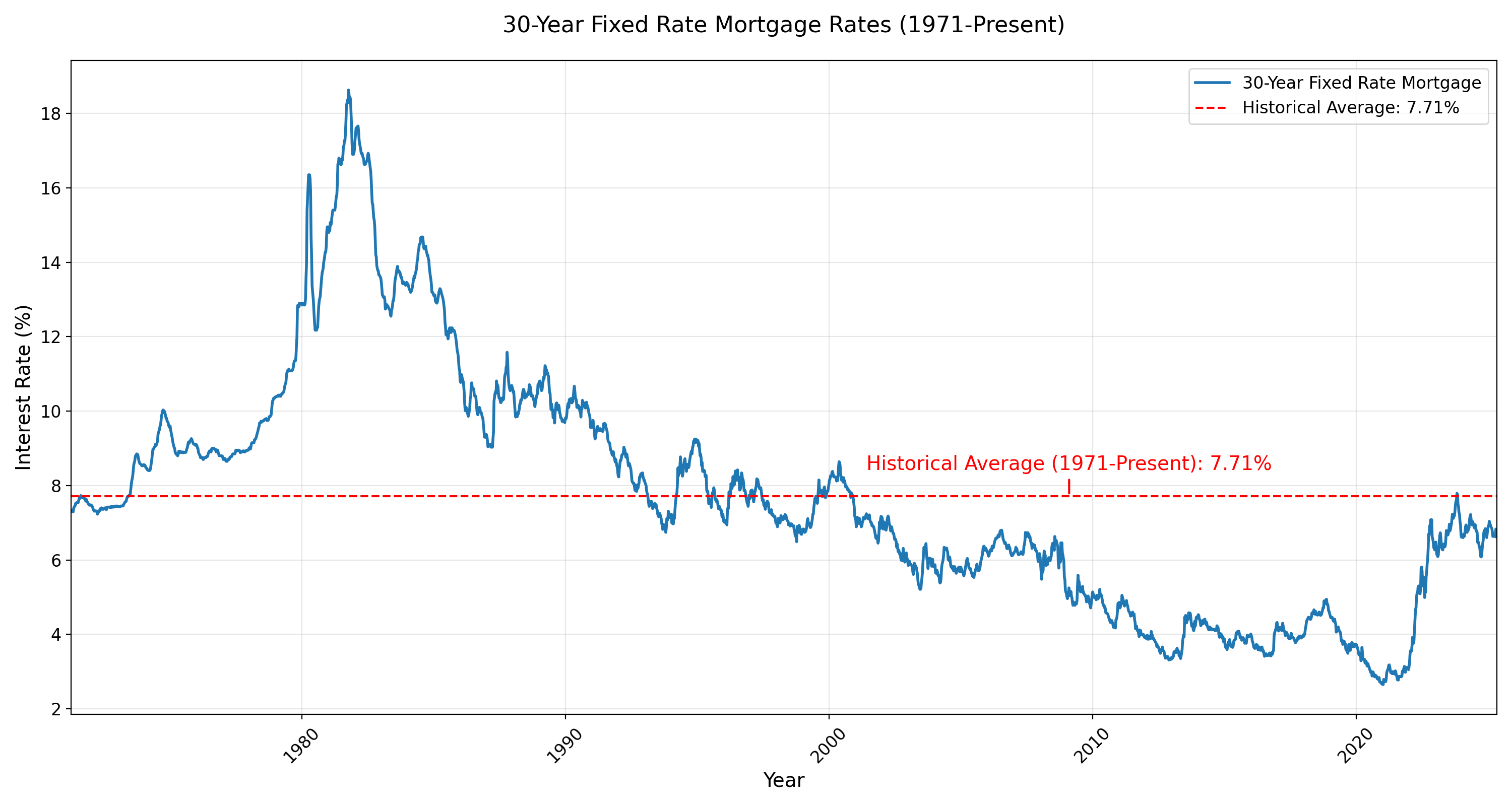
This substantial difference of over $71,000 in total interest paid highlights why securing the lowest possible rate is paramount. This additional cost could otherwise have been invested, saved, or used to pay down other debts, significantly impacting long-term financial health.
Strategies to Mitigate High-Interest Costs
Even in a higher interest rate environment, borrowers have strategies to reduce their overall cost:
- Make a Larger Down Payment: Reduces the principal borrowed, thus reducing the total interest.
- Opt for a Shorter Loan Term: A 15-year mortgage, despite higher monthly payments, saves tens of thousands in interest.
- Make Extra Payments: Directing additional funds towards the principal, even small amounts monthly or annually, can shave years off the loan and significantly reduce interest paid.
- Buy Down the Rate (Points): Paying “points” upfront (a point equals 1% of the loan amount) can lower your interest rate for the life of the loan. This requires a cost-benefit analysis to determine if the upfront expense is justified by the long-term savings.
Navigating the Mortgage Market: Tips for Borrowers
Securing the best possible mortgage interest rate requires a proactive and informed approach. Borrowers who understand the process and prepare thoroughly are better positioned to secure advantageous terms.
Improving Your Credit Score
Your credit score is arguably the most significant individual factor influencing the interest rate you’ll be offered. Lenders use it as a primary indicator of your creditworthiness. To improve your score:
- Pay Bills on Time: Payment history is the biggest factor in credit scoring.
- Reduce Debt: Lower your credit card balances, as high utilization ratios negatively impact your score.
- Avoid New Credit: Refrain from opening new credit accounts or making large purchases on credit before applying for a mortgage.
- Check for Errors: Regularly review your credit reports for inaccuracies that could be dragging down your score.
A few months of concerted effort to improve your credit can translate into a significantly lower interest rate and substantial savings over the loan’s lifetime.
Shopping Around for Lenders
Many first-time homebuyers make the mistake of only checking with one or two lenders. This can be a costly oversight. Mortgage rates and terms can vary significantly between different financial institutions, including large banks, credit unions, and independent mortgage brokers.
- Get Multiple Quotes: Contact at least three to five lenders to compare their offerings.
- Compare Loan Estimates: Once you apply, lenders are required to provide a “Loan Estimate” form. This standardized document allows for easy comparison of interest rates, fees, closing costs, and other terms across different lenders. Pay close attention to the APR, which includes most fees, for a more accurate comparison of true borrowing costs.
- Don’t Be Afraid to Negotiate: If you receive a better offer from one lender, present it to others to see if they can match or beat it.
Understanding Closing Costs and APR
Beyond the quoted interest rate, borrowers must pay attention to closing costs, which are fees incurred at the end of the home-buying process. These can include origination fees, appraisal fees, title insurance, attorney fees, and more. These costs can range from 2% to 5% of the loan amount and significantly impact the overall expense of acquiring a mortgage.
The Annual Percentage Rate (APR) is a crucial metric as it reflects the total cost of borrowing, including the interest rate and most closing costs expressed as an annual rate. While the nominal interest rate tells you what you’ll pay on the principal, the APR provides a more accurate picture of the overall cost of the loan when comparing different offers. Always compare the APR, not just the advertised interest rate.
When to Consider Refinancing
Refinancing involves taking out a new mortgage to pay off your old one, usually to secure a lower interest rate or change the loan terms. It can be a smart financial move when:
- Interest Rates Drop Significantly: If market rates fall substantially below your current mortgage rate, refinancing can lead to lower monthly payments and reduced total interest.
- Your Credit Score Improves: A better credit score can qualify you for a lower rate than when you initially took out your loan.
- You Want to Change Your Loan Term: You might refinance from a 30-year to a 15-year mortgage to pay it off faster, or vice-versa to lower monthly payments.
- You Need Cash Out: Cash-out refinancing allows you to tap into your home equity, but it often comes with a higher interest rate and should be approached cautiously.
Always weigh the potential savings against the new closing costs associated with refinancing to ensure it’s a financially beneficial decision.
The Future Outlook for Mortgage Interest Rates
Predicting the future of mortgage interest rates with absolute certainty is impossible, given the multitude of unpredictable factors at play. However, understanding current trends and the ongoing influences can help borrowers anticipate potential movements and prepare accordingly.
Current Trends and Predictions
In recent years, mortgage rates have seen significant volatility, influenced by global economic shifts, inflation concerns, and central bank policies. Economic forecasts from reputable sources like the Mortgage Bankers Association (MBA), the National Association of Realtors (NAR), and major financial institutions often provide insights into expected rate trajectories. These predictions typically consider factors such as:
- Inflation Outlook: Continued high inflation will likely keep rates elevated or push them higher, as the Federal Reserve continues its efforts to cool the economy.
- Federal Reserve Stance: The Fed’s forward guidance on interest rate hikes or cuts is a powerful indicator. Any signals of a pivot towards easing monetary policy could lead to lower mortgage rates.
- Economic Performance: A resilient economy might suggest less need for rate cuts, while signs of slowdown could prompt the Fed to act, potentially bringing rates down.
- Geopolitical Events: Global conflicts or supply chain disruptions can introduce uncertainty, influencing bond markets and, consequently, mortgage rates.
It’s wise for prospective borrowers to monitor these trends, but also to recognize that predictions are just that – predictions.
How to Stay Informed
Staying abreast of mortgage rate movements is crucial, whether you’re actively seeking a loan or considering refinancing.
- Follow Financial News: Major financial news outlets (e.g., Wall Street Journal, Bloomberg, Reuters) provide daily updates and analysis on economic indicators and interest rate forecasts.
- Consult Mortgage Professionals: Loan officers and mortgage brokers are constantly immersed in the market and can offer valuable real-time insights and personalized advice.
- Utilize Online Resources: Many financial websites offer daily rate updates and tools to track historical trends, providing a quick snapshot of the market.
Preparing for Rate Fluctuations
Given the inherent volatility, preparing for potential rate fluctuations is a smart strategy for any borrower.
- Get Pre-Approved: Obtaining a mortgage pre-approval not only clarifies what you can afford but also often allows you to lock in a rate for a specified period (e.g., 30-60 days). This protects you if rates rise during your home search.
- Maintain Financial Health: Continuously working on your credit score, managing debt, and building savings ensures you’re always in the best possible position to qualify for favorable rates, regardless of market conditions.
- Evaluate Your Risk Tolerance: If you’re highly risk-averse, a fixed-rate mortgage offers peace of mind, even if initial rates are higher. If you’re comfortable with some uncertainty and believe rates will fall, an ARM might be considered, but with careful due diligence.
The interest rate on your mortgage loan is a cornerstone of your financial well-being as a homeowner. By diligently understanding its components, the forces that shape it, and the strategies available to influence it, you can navigate the complex mortgage market with confidence and secure a loan that aligns with your financial goals and capabilities, leading to a more secure and affordable homeownership journey.
aViewFromTheCave is a participant in the Amazon Services LLC Associates Program, an affiliate advertising program designed to provide a means for sites to earn advertising fees by advertising and linking to Amazon.com. Amazon, the Amazon logo, AmazonSupply, and the AmazonSupply logo are trademarks of Amazon.com, Inc. or its affiliates. As an Amazon Associate we earn affiliate commissions from qualifying purchases.