
In the hyper-competitive and globally interconnected aviation industry, an airline’s brand strength extends far beyond its own fleet and network. For a titan like American Airlines, strategic partnerships are not merely operational conveniences; they are foundational pillars of its corporate identity, market presence, and customer value proposition. These collaborations—ranging from expansive global alliances to targeted bilateral codeshare agreements—are meticulously crafted elements of American Airlines’ brand strategy, designed to broaden its reach, enhance its service offerings, and cultivate deeper customer loyalty worldwide.
Understanding “who are partners with American Airlines” is therefore tantamount to understanding how the airline positions its brand in a global marketplace. These alliances allow American Airlines to project an image of seamless connectivity, universal access, and consistent quality, even when passengers are flying on a different carrier’s metal. By strategically aligning with other carriers, American Airlines can expand its brand footprint into regions it doesn’t directly serve, offer a more comprehensive product to its customers, and fortify its competitive edge against other mega-carriers and their respective networks. This intricate web of relationships is a testament to the fact that in modern aviation, no single brand, no matter how large, can truly stand alone.

The Strategic Imperative of Airline Partnerships for Brand Growth
For a legacy carrier like American Airlines, partnerships are not just about filling seats; they are crucial instruments for brand amplification and market expansion. In an industry where direct growth can be capital-intensive and regulatory-heavy, strategic alliances offer an agile and cost-effective pathway to extend a brand’s influence.
Expanding Brand Reach and Market Dominance
One of the most immediate benefits of airline partnerships is the dramatic expansion of a brand’s geographical reach. American Airlines, headquartered in Fort Worth, Texas, serves a vast domestic and international network. However, even with its extensive fleet and routes, it cannot directly serve every city or region globally. Partnerships bridge these gaps. Through codeshare agreements and alliance memberships, American Airlines can offer flights to destinations far beyond its own operational capabilities, effectively selling seats on partner airlines as if they were its own. This increases its perceived market dominance and allows the American Airlines brand to appear in markets where it doesn’t fly directly, making it a more attractive option for global travelers.
For instance, a business traveler in Dallas might need to fly to Helsinki. While American Airlines doesn’t operate a direct flight to Helsinki, its partnership with Finnair, a Oneworld member, allows it to sell that journey under its own flight code, providing a seamless booking and travel experience. This expands the American Airlines brand proposition from a primarily North American carrier with significant international routes to a truly global connector, offering access to hundreds more destinations through its partners. This expansion is not just about logistics; it’s about projecting an image of ubiquity and comprehensive service, key attributes for a leading global brand.
Enhancing Customer Experience and Loyalty
Beyond geographical reach, partnerships are pivotal in enhancing the overall customer experience and, consequently, fostering deeper brand loyalty. For the modern traveler, convenience, seamlessness, and value are paramount. American Airlines’ partnerships are designed to deliver on these expectations. From integrated booking systems and shared check-in facilities to reciprocal lounge access and baggage handling agreements, these collaborations aim to make transiting between partner airlines as smooth as possible.
Consider the loyalty programs. American Airlines’ AAdvantage program is a cornerstone of its brand identity, rewarding frequent travelers. Through partnerships, AAdvantage members can earn and redeem miles on dozens of partner airlines worldwide. This significantly increases the value proposition of the AAdvantage brand, making it more appealing to a broader spectrum of travelers who might fly various carriers. Furthermore, elite status recognition across partner airlines (e.g., Oneworld Emerald members enjoying priority boarding and lounge access on all Oneworld flights) reinforces a sense of exclusivity and appreciation, nurturing a loyal customer base that views American Airlines as its primary choice, regardless of the ultimate operating carrier. This consistent experience and recognition, irrespective of the operating airline, strengthens the perception of American Airlines as a reliable and customer-centric brand.
Oneworld Alliance: American Airlines’ Core Brand Network
At the heart of American Airlines’ brand strategy lies its membership in the Oneworld airline alliance. This global network is more than just a consortium of airlines; it’s a collective brand that promises a consistent level of service, connectivity, and benefits across its members.
Unifying Global Brands Under One Banner
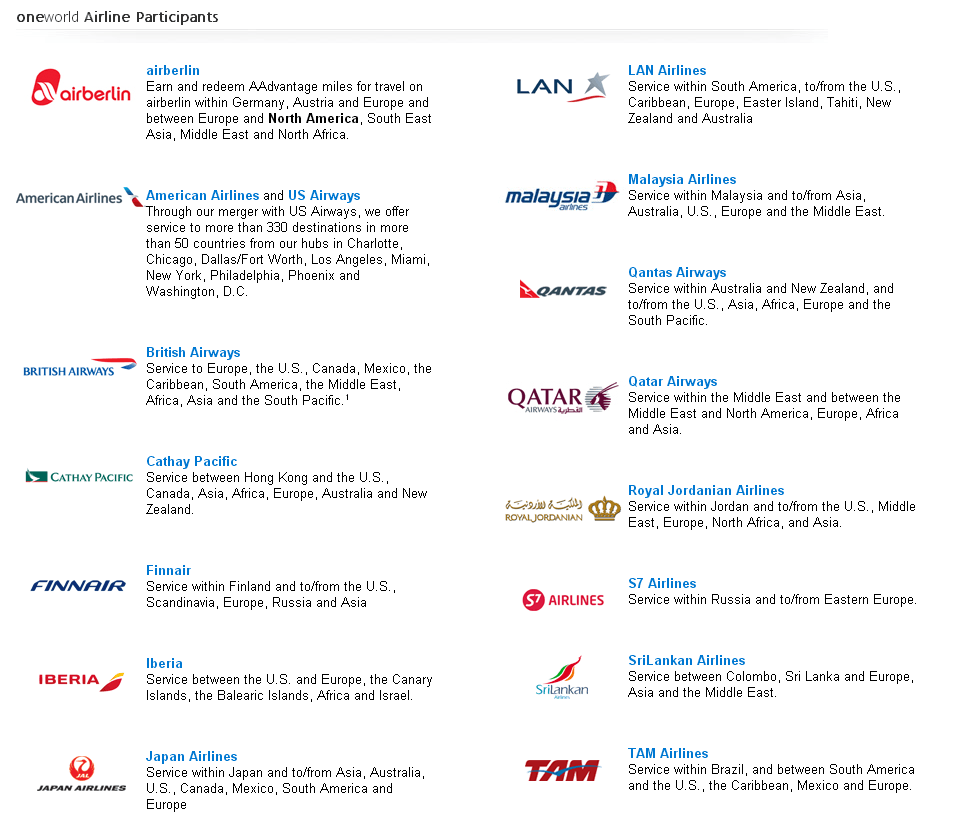
Oneworld is a powerful brand in itself, representing a global collective of some of the world’s leading airlines. For American Airlines, being a founding and central member of Oneworld means its brand is inherently linked to other strong, reputable carriers worldwide. Key members include British Airways, Cathay Pacific, Qantas, Japan Airlines (JAL), Iberia, Finnair, Qatar Airways, Royal Jordanian, S7 Airlines (currently suspended), Malaysia Airlines, SriLankan Airlines, Alaska Airlines, and Royal Air Maroc. Each of these airlines brings its own regional strength, cultural identity, and brand equity to the alliance, creating a synergistic effect that elevates the overall Oneworld brand.
This unification allows American Airlines to leverage the trust and recognition associated with these partners. When a customer sees “Oneworld” displayed alongside the American Airlines logo, it immediately communicates a promise of global reach and coordinated service. It signals to the customer that they are part of a larger, interconnected system designed for their convenience, reinforcing American Airlines’ brand as a sophisticated global player. The combined network, spanning over 1,000 destinations in more than 170 territories, allows American Airlines to offer its customers an unparalleled array of travel options without having to directly manage all those routes itself, a massive efficiency in brand projection.
Collaborative Marketing and Brand Messaging
Within the Oneworld alliance, member airlines engage in significant collaborative marketing and brand messaging efforts. This includes co-branded promotions, shared advertising campaigns, and consistent branding elements across digital and physical touchpoints. The goal is to present a unified front to the global traveler, emphasizing the seamless travel experience, extensive network, and shared loyalty benefits that come with flying any Oneworld member.
For American Airlines, this means its brand message of “connecting the world” is amplified by the collective voices of its Oneworld partners. For example, a joint campaign promoting travel to Asia via JAL or Cathay Pacific, while originating on an American Airlines flight, subtly reinforces the idea that American Airlines is your gateway to the world. This collective branding strategy helps to build a stronger, more resonant message than any individual airline could achieve alone. It also creates a sense of reliability and predictability; customers know what to expect when flying within the Oneworld network, which is a powerful driver of brand trust and repeat business.
Bilateral Codeshare Agreements: Targeted Brand Extension
While the Oneworld alliance provides a broad, foundational network for American Airlines, specific bilateral codeshare agreements with non-Oneworld airlines offer more targeted brand extensions. These partnerships are strategically formed to fill particular geographic gaps, enhance specific routes, or tap into niche markets that might not be adequately served by the broader alliance.
Filling Geographic Gaps and Niche Markets
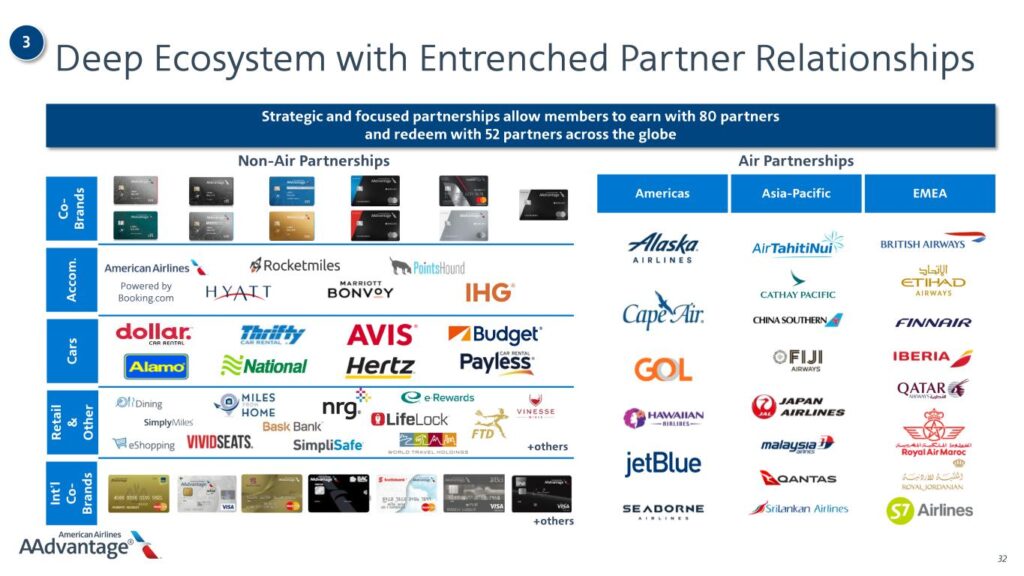
American Airlines utilizes bilateral codeshares to strategically expand its brand presence in areas where Oneworld partners might have limited reach, or where a local carrier offers superior regional connectivity. For instance, American Airlines has a significant codeshare agreement with Alaska Airlines, which recently joined Oneworld but existed as a standalone codeshare for years, and others like GOL Linhas Aéreas in Brazil. GOL, as a prominent Brazilian carrier, provides extensive domestic and regional connectivity within South America. By codesharing with GOL, American Airlines effectively extends its brand deeper into Brazil and neighboring countries, allowing passengers arriving on American Airlines flights to seamlessly connect to numerous secondary cities that American doesn’t serve directly. This strategy allows American Airlines to offer a more comprehensive itinerary to customers traveling to and within South America, enhancing its brand as a full-service provider for the region.
Similarly, American Airlines has forged partnerships with airlines like Air Tahiti Nui for routes to French Polynesia or IndiGo in India. These partnerships allow American Airlines to offer single-ticket itineraries to attractive leisure destinations or rapidly growing business markets without the massive investment required to launch direct flights or integrate a new full member into Oneworld. This agile approach enables the American Airlines brand to penetrate new markets efficiently and offer a broader, more appealing product portfolio to its customers.
Leveraging Partner Strengths for Brand Diversification
These bilateral agreements also allow American Airlines to leverage the specific brand strengths of its partners. For example, a codeshare with an airline known for its strong regional network or exceptional service on a particular route allows American Airlines to implicitly associate its own brand with those positive attributes. If a partner airline is highly regarded for its punctuality in a specific challenging region, or for its unique in-flight service tailored to a local culture, American Airlines can capitalize on this by offering codeshared flights.
This diversification allows American Airlines to present a more nuanced and robust brand image. It shows flexibility and a commitment to providing the best possible options for its customers, even if that means collaborating outside its primary alliance. This ability to adapt and strategically partner enhances American Airlines’ brand perception as a responsive and customer-focused airline, capable of meeting diverse travel needs.
Loyalty Program Synergies: Reinforcing the AAdvantage Brand
The AAdvantage loyalty program is one of American Airlines’ most valuable brand assets. Its effectiveness and appeal are exponentially magnified through strategic partnerships, transforming it from a standalone airline program into a truly global currency for travel rewards.
AAdvantage Beyond American Airlines
The ability to earn and redeem AAdvantage miles on a vast network of partner airlines significantly elevates the program’s perceived value and, by extension, the American Airlines brand itself. Whether a passenger is flying British Airways across the Atlantic, Cathay Pacific to Hong Kong, or Japan Airlines within Asia, they can often accrue AAdvantage miles for those flights. This makes AAdvantage far more attractive than a program limited to a single carrier, as it caters to diverse travel patterns and preferences.
Furthermore, the option to redeem AAdvantage miles for flights on partner airlines offers unparalleled flexibility and access to destinations American Airlines might not serve directly. This enhances the utility of accrued miles, making the AAdvantage program a compelling reason for travelers to choose American Airlines and its partners. This seamless integration of loyalty programs reinforces the AAdvantage brand as a universal passport to global travel experiences, strengthening its appeal and driving customer stickiness.
Elevating Elite Status and Customer Experience
Elite status within the AAdvantage program (Executive Platinum, Platinum Pro, Platinum, Gold) comes with a suite of valuable benefits, from priority boarding and baggage handling to complimentary upgrades and lounge access. Through Oneworld and select bilateral partnerships, these elite benefits are extended across the partner networks. An AAdvantage Executive Platinum member, for example, can enjoy Oneworld Emerald benefits on any Oneworld flight, including access to premium lounges around the world, priority check-in, and extra baggage allowance.
This consistent recognition of elite status across different airlines is a powerful testament to the value of American Airlines’ partnerships and a significant driver of brand loyalty. It tells high-value customers that their business is appreciated not just by American Airlines, but by an entire network of leading carriers. This seamless elite experience elevates the overall brand perception of American Airlines, solidifying its image as a premium, customer-centric airline that truly values its most frequent flyers, regardless of which partner airline is operating their flight.
The Future of Airline Partnerships and Brand Evolution
The landscape of airline partnerships is constantly evolving, driven by competitive pressures, technological advancements, and shifting customer expectations. For American Airlines, understanding and adapting to these changes is critical for the sustained evolution and strength of its brand.
Navigating Competitive Landscapes
The airline industry remains fiercely competitive, with global alliances constantly jostling for market share and customer loyalty. American Airlines’ brand strategy, heavily reliant on its partnerships, must continuously adapt to new threats and opportunities. This might involve adjusting existing partnerships, forming new ones, or even revisiting the terms of established alliances to ensure they remain mutually beneficial and brand-enhancing. The recent changes, such as the ending of its Northeast Alliance with JetBlue (due to regulatory challenges), highlight the dynamic nature of these strategic decisions and their direct impact on brand positioning and market access.
Maintaining strong relationships with key Oneworld partners, while also exploring tactical bilateral agreements, will be essential for American Airlines to sustain its competitive edge. The ability to present a cohesive, expansive, and reliable global brand experience through its partners will remain a crucial differentiator in a crowded marketplace.
Adapting to Customer Expectations and Digital Integration
Modern travelers expect a highly personalized and digitally integrated experience. The future of airline partnerships for American Airlines will heavily depend on how effectively these collaborations leverage technology to deliver seamless brand experiences. This includes integrated booking platforms, consistent mobile app functionality across partners, streamlined digital check-in processes, and real-time information sharing for connections and service recovery.
For American Airlines to maintain its brand relevance, its partnerships must move beyond just codeshares and loyalty points to embrace deeper digital integration. Imagine a future where a passenger’s entire multi-segment journey, involving several partner airlines, is managed through a single American Airlines app, offering consistent updates, personalized offers, and seamless service recovery, regardless of the operating carrier. This level of integration would tremendously strengthen the American Airlines brand as an innovator and a truly customer-centric global connector, ensuring its partnerships continue to drive brand loyalty in an increasingly digital world.
In conclusion, American Airlines’ partners are not merely contractual entities; they are integral components of its brand strategy. From the expansive reach of the Oneworld alliance to the targeted precision of bilateral codeshares and the widespread utility of its AAdvantage loyalty program, these collaborations collectively amplify American Airlines’ corporate identity. They allow the airline to project an image of global connectivity, uncompromising service, and invaluable customer loyalty, ultimately fortifying its position as a leading force in the international aviation landscape. The constant evolution and strategic management of these partnerships will undoubtedly continue to shape the American Airlines brand for decades to come.
aViewFromTheCave is a participant in the Amazon Services LLC Associates Program, an affiliate advertising program designed to provide a means for sites to earn advertising fees by advertising and linking to Amazon.com. Amazon, the Amazon logo, AmazonSupply, and the AmazonSupply logo are trademarks of Amazon.com, Inc. or its affiliates. As an Amazon Associate we earn affiliate commissions from qualifying purchases.