
Understanding the Core Financial Outlays of Puppy Shipping
Shipping a puppy across state lines is a multi-faceted process laden with various financial considerations that extend far beyond the initial purchase price of the animal. A comprehensive understanding of these outlays is crucial for both buyers and sellers to budget effectively and avoid unforeseen expenses. The logistics alone can incur significant costs, encompassing direct transportation, mandatory health requirements, and essential equipment.
Direct Transportation Costs: Air Cargo vs. Ground Transport
The choice between air cargo and professional ground transport services represents one of the most substantial financial decisions. Air cargo, generally managed directly through airline pet programs, often appears to be the most economical option initially. However, its pricing model is complex, based on the puppy’s weight (including the crate), distance, and specific airline pet fees, which can include manifest fees, handling charges, and even seasonal surcharges. Fuel surcharges are also a variable component, impacting the total cost. A typical air cargo shipment can range from a few hundred to over a thousand dollars, depending on the route and airline.
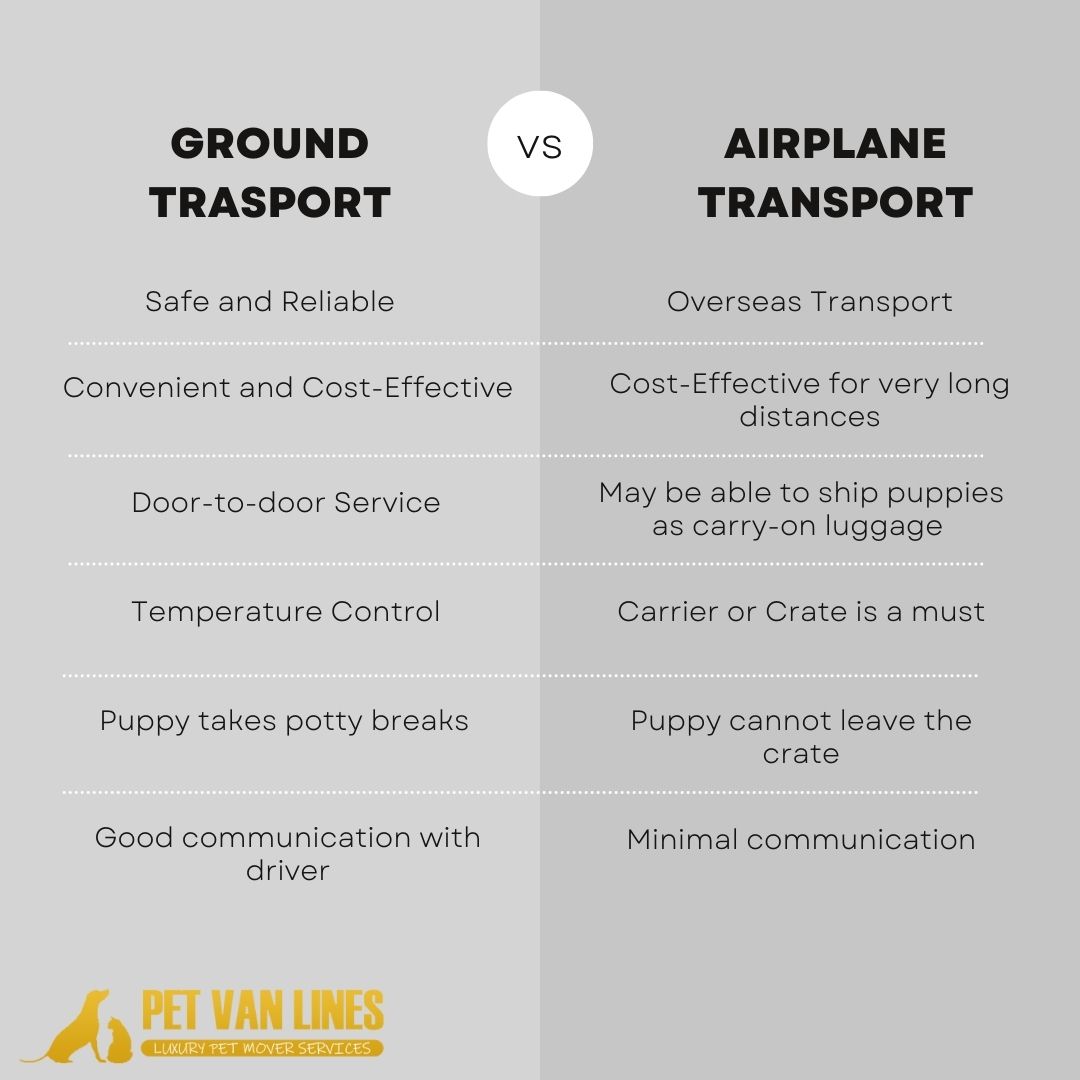
Conversely, professional ground transport services offer a door-to-door solution, often providing a more personalized and less stressful journey for the puppy. These services, however, come at a premium. Their costs are typically calculated based on mileage, travel time, and the level of service provided (e.g., private vs. shared transport, frequency of stops, onboard amenities). While potentially more expensive upfront, the comprehensive nature of these services, which often include food, water, and regular checks, might justify the higher price tag for some, particularly when considering the value of convenience and reduced stress. Comparing itemized quotes from multiple providers is imperative to identify cost-effective solutions without compromising the puppy’s welfare.
Health and Regulatory Expenses
Before any puppy can embark on a journey to another state, a series of health and regulatory checks are almost universally mandated, each carrying its own associated cost. The most significant of these is the mandatory veterinary health certificate, typically required within 10 days of travel. This certification, proving the puppy is fit to travel and free from contagious diseases, involves a veterinarian’s examination fee and the cost of the certificate itself. Expect to pay anywhere from $50 to $200 for this vital document, depending on your vet’s pricing structure and any additional required tests.
Vaccinations, particularly for rabies (if the puppy is old enough, typically 12 weeks), are another non-negotiable expense. Most states require up-to-date vaccinations for entry. Microchipping, while not always a direct requirement for domestic travel, is highly recommended for identification and safety, incurring a one-time cost that varies by veterinary clinic but generally falls within the $30-$70 range. Furthermore, some states may have specific entry requirements or additional parasitic treatments, adding incremental costs. Failure to comply with these health regulations can result in significant financial penalties, delayed travel, or even quarantine expenses, far outweighing the cost of proactive compliance.
Essential Equipment Costs
The journey necessitates the acquisition of specific equipment, primarily an IATA-compliant travel crate. The cost of a suitable crate can vary widely, from $50 for smaller, basic models to $300+ for larger, more robust, airline-approved carriers. The crate must be appropriately sized, allowing the puppy to stand, turn around, and lie down comfortably. Incorrect crate sizing can lead to refusal of transport by airlines or discomfort for the puppy, potentially requiring an expensive last-minute replacement.
Beyond the crate, other minor but necessary expenses include water and food dishes that attach to the crate door, absorbent bedding, and identification tags. While individually inexpensive, these items contribute to the overall shipping budget. Some pet transport services might provide these as part of their package, but for direct airline shipments, these are typically the responsibility of the sender. Savvy individuals might consider renting crates for a single-use journey, though this option is less commonly available for private individuals than for professional transporters.
Navigating Payment Structures and Provider Selection
The financial architecture of puppy shipping is largely dictated by the choice of service provider and the payment structures they employ. Understanding these nuances is key to optimizing costs and ensuring a secure transaction.
Air Cargo vs. Dedicated Pet Relocation Services
When evaluating the cost-benefit analysis, air cargo represents a do-it-yourself (DIY) approach to pet shipping, requiring the sender to manage vet appointments, documentation, and drop-off/pickup logistics. While this often translates to lower base fees from the airline, it shifts the labor and organizational burden, and thus the associated “time is money” cost, onto the sender. The payment for air cargo is usually directly to the airline, often upfront, upon booking or at drop-off.
Dedicated pet relocation services, on the other hand, offer a full-service, often white-glove experience. Their fees encompass not just transportation but often include coordination of vet visits, provision of IATA-compliant crates, completion of paperwork, and door-to-door pickup and delivery. This comprehensive service commands a significantly higher price tag, which can range from $1,000 to $4,000 or more, especially for longer distances or complex international itineraries. However, for those valuing convenience, expertise, and peace of mind, the premium may be a worthwhile investment, eliminating the financial risk associated with errors in documentation or logistical missteps.
Ground Transport Options: Professional vs. Private
Professional ground services provide a regulated and insured alternative to air travel. Their costs are typically all-inclusive, covering fuel, driver’s wages, vehicle maintenance, and in-transit care. Pricing models often involve a per-mile rate, sometimes with a minimum charge, and vary based on the level of exclusivity (e.g., dedicated vs. shared vehicle).
A less formal, often cheaper alternative is using private drivers or independent pet transporters found through online networks. While these can offer competitive rates, often charging based on mileage and an agreed-upon flat fee, they come with increased financial risks. Due diligence is paramount, including verifying insurance, references, and the transporter’s track record. A low upfront cost can quickly escalate if issues arise (e.g., breakdown, neglect, unforeseen delays) without proper financial protection or accountability from the provider.
Insurance and Contingency Funds
Prudent financial planning for puppy shipping must include provisions for unforeseen circumstances. Pet travel insurance, though an additional expense, offers a crucial financial safety net. Policies can cover a range of incidents, including veterinary emergencies during transit, flight delays or cancellations leading to re-booking fees, or even the tragic loss of the pet. The cost of such insurance is generally a percentage of the pet’s value and/or the shipping cost, typically ranging from $50 to a few hundred dollars. This small investment can prevent devastating financial losses in the event of an unfortunate incident.
Beyond formal insurance, allocating a contingency fund is a smart financial strategy. Unexpected costs can arise from flight delays requiring overnight boarding, a last-minute need for an additional vet check, or changes in state regulations. Budgeting an extra 10-20% of the estimated shipping cost for such emergencies is a sound financial practice, mitigating the stress and immediate financial strain of unforeseen events.
Financial Implications for Breeders and Buyers

The financial burden and benefits of puppy shipping ripple through both the breeder’s business model and the buyer’s personal finance decisions, requiring careful consideration from both perspectives.
Breeder’s Perspective: Business Expense and Pricing Strategy
For breeders, shipping puppies is an integral part of their business operations, extending their market reach beyond local buyers. The costs associated with shipping—veterinary exams, health certificates, crates, transportation fees, and administrative overhead—are legitimate business expenses. How these costs are managed significantly impacts the breeder’s pricing strategy.
Some breeders incorporate an estimated shipping cost into the overall puppy price, offering what appears to be an “all-inclusive” or “free shipping” deal. Others charge shipping as a separate, itemized fee, providing transparency. The decision often hinges on market competitiveness, perceived value, and the breeder’s profit margins. Offering shipping can be a substantial competitive advantage, allowing breeders to tap into a national market and potentially command higher prices for their sought-after breeds. However, miscalculating shipping expenses can erode profits, making accurate cost estimation vital for business sustainability and profitability. Effective accounting for these variable costs is crucial for tax purposes and accurate financial reporting.
Buyer’s Perspective: Budgeting and Value Assessment
From a buyer’s standpoint, acquiring a puppy from another state means factoring in not only the purchase price but also all associated shipping costs as part of the total investment. This requires diligent budgeting. Buyers must compare the total cost (puppy price + shipping + potential ancillary expenses) of a distant puppy against the total cost of a locally available one. Sometimes, a slightly more expensive local puppy might, in fact, be cheaper overall once shipping fees are considered.
The “time is money” adage also applies here. While managing aspects of shipping yourself (e.g., crate purchase, vet visits) might save some direct financial outlay, it consumes valuable personal time and effort. Paying a premium for a full-service pet transporter might be a financially sound decision for buyers with demanding schedules or those prioritizing convenience and reduced stress over direct cost savings. Ultimately, the buyer’s decision involves a subjective assessment of monetary value versus peace of mind and convenience.
Managing Payment and Escrow
Given the significant financial value involved in puppy transactions and shipping, secure payment methods are paramount for both parties. Direct bank transfers, while common, offer limited buyer protection. Credit card payments can provide some recourse through chargeback options. Reputable breeders often use secure online payment platforms that facilitate transparent transactions.
For transactions involving a distant party, the use of an escrow service can provide a crucial layer of financial security. An escrow service holds the payment from the buyer until the puppy has been successfully shipped and received as agreed. This mitigates the financial risk for both the buyer (protecting against non-delivery or misrepresentation) and the seller (assuring payment once services are rendered). While escrow services charge a fee (typically a percentage of the transaction), this cost is a worthwhile investment in safeguarding a significant financial commitment.
Financial Tools and Smart Saving Strategies
Efficiently managing the costs associated with shipping a puppy requires utilizing financial tools and employing strategic planning to optimize expenditures without compromising welfare.
Leveraging Off-Peak Travel and Booking Strategies
Airline cargo prices, like passenger fares, are subject to demand fluctuations. Shipping during off-peak seasons (e.g., outside major holidays or summer months) or on less popular travel days (mid-week vs. weekends) can often result in lower cargo rates. Early booking, while not always offering significant discounts for pet cargo, can ensure availability and lock in current rates before potential increases. Consolidating vet visits and securing health certificates well in advance can prevent last-minute rush fees.
Comparative Quoting and Due Diligence
Never settle for the first quote. The shipping market is diverse, with varying price points and service inclusions. Obtain multiple, itemized quotes from several airlines and pet relocation services. Go beyond the base price to understand what exactly is included: Is the crate provided? Are vet visits coordinated? What about insurance? Hidden fees can quickly inflate the final cost. Thorough due diligence, including checking reviews and BBB ratings, helps identify reputable, cost-effective providers and avoids potentially costly mistakes or scams.
DIY vs. Professional Service Cost-Benefit Analysis
A detailed cost-benefit analysis is essential. Calculate the direct costs of a DIY approach (crate, vet fees, airline cargo, your time, fuel for airport trips) versus the all-inclusive fee of a professional service. Quantify your time’s value; if managing the logistics yourself consumes many hours you could be using for income-generating activities, the professional service might be financially advantageous despite a higher sticker price. Consider the emotional cost of stress and potential errors in a DIY scenario, which could lead to re-booking fees or additional vet expenses. For complex shipments, the expertise of a professional can be a sound investment against potential financial pitfalls.
Regulatory Compliance and Its Financial Repercussions
Adherence to state-specific regulations is not merely a matter of compliance; it carries direct financial implications, impacting costs and potential liabilities.
State-Specific Requirements and Penalties
Each state has unique entry requirements for animals, which can include specific vaccination protocols (e.g., rabies age requirements), parasite treatments, or mandatory health inspections. These varying requirements can lead to additional veterinary expenses if the puppy needs extra treatments or certifications not typically included in a standard health check. Failure to comply with these specific regulations can result in severe financial penalties, including fines, mandatory quarantine periods (which incur boarding fees), or even the animal’s return to the sender, all of which are costly propositions. Diligent research into the destination state’s animal import laws is a critical, financially protective step.

Age Restrictions and Their Impact on Shipping Timelines
Most airlines and states mandate a minimum age for puppies to travel, typically 8-10 weeks, to ensure they are old enough to be vaccinated and handle the stress of travel. This age restriction directly impacts financial planning for breeders, as they must continue to provide care, food, and shelter for the puppy until it meets the travel criteria. For buyers, it means a potential delay in receiving their puppy, which might require additional planning or temporary boarding arrangements on their end. These timelines can affect cash flow for breeders and extend the financial commitment period for both parties, making an understanding of these regulations essential for accurate budgeting and expectation management.
aViewFromTheCave is a participant in the Amazon Services LLC Associates Program, an affiliate advertising program designed to provide a means for sites to earn advertising fees by advertising and linking to Amazon.com. Amazon, the Amazon logo, AmazonSupply, and the AmazonSupply logo are trademarks of Amazon.com, Inc. or its affiliates. As an Amazon Associate we earn affiliate commissions from qualifying purchases.