
The seemingly simple question of “how much do airplane tickets cost?” belies a complex interplay of economic forces, operational realities, and strategic pricing models. For anyone planning a trip, understanding the true cost of airfare is paramount to effective financial planning and budgeting. Unlike a fixed-price commodity, an airplane ticket’s price can fluctuate wildly within hours, let alone days or weeks, making it one of the most dynamic purchases a consumer will make. Navigating this labyrinth requires insight into the various components that build a fare and the numerous factors that influence its final price tag. This guide aims to demystify air travel expenses, empowering you with the knowledge to make more informed and financially prudent decisions when booking your next flight.

Understanding the Core Components of Airfare
Before diving into the myriad factors that cause prices to shift, it’s essential to dissect an airplane ticket’s structure. The final price you see is not merely a single number; it’s an aggregation of several distinct charges, each contributing to the airline’s revenue or covering governmental and operational expenses.
Base Fare and Carrier Surcharges
At the heart of every ticket is the base fare. This is the fundamental price set by the airline for the cost of flying you from point A to point B, covering operational expenses like fuel, aircraft maintenance, crew salaries, and airport slot fees. The base fare is highly variable and is the primary element airlines manipulate based on demand, competition, and booking class. Accompanying the base fare are often carrier surcharges, sometimes labeled as “fuel surcharges” or “international surcharges.” While historically tied to specific costs like fluctuating fuel prices, these have largely become a discretionary revenue component for airlines, allowing them to adjust prices without necessarily changing the published base fare. They are generally non-refundable, even if the base fare might be.
Taxes and Government-Imposed Fees
Beyond the airline’s direct charges, a significant portion of your ticket price is comprised of taxes and government-imposed fees. These are mandatory charges levied by various governmental authorities at both departure and arrival points, as well as by international bodies. Common examples include:
- Airport Passenger Service Charges: Fees collected by airports for the use of their facilities, funding maintenance and development.
- Security Fees: Charges to cover the costs of airport security screening (e.g., TSA Security Fee in the U.S.).
- International Departure/Arrival Taxes: Specific taxes levied by countries for passengers entering or leaving their borders.
- Customs and Immigration User Fees: Charges to cover the costs of processing international travelers.
- Value Added Tax (VAT) or Goods and Services Tax (GST): Applicable in some countries on the domestic portion of flights.
These fees can vary significantly based on the itinerary, number of layovers, and the countries involved. For long-haul international flights, these government taxes and fees can constitute a substantial percentage of the total ticket cost.
Ancillary Fees and Optional Extras
In the modern airline industry, the “unbundling” of services has become a prevalent strategy, especially among budget carriers, but increasingly also with full-service airlines. This means the initial base fare often covers only the most basic service: transportation from one point to another. Many services that were once included are now offered as ancillary fees or optional extras, allowing passengers to customize their experience – and inadvertently increasing the final cost for many. These can include:
- Baggage Fees: Charges for checked luggage, and sometimes even for carry-on bags, varying by size, weight, and number.
- Seat Selection Fees: Paying extra to choose a specific seat, such as an aisle, window, or one with extra legroom.
- In-Flight Services: Meals, snacks, beverages, blankets, pillows, and Wi-Fi access.
- Priority Boarding: Paying to board the plane earlier.
- Change or Cancellation Fees: Penalties for modifying or canceling a booking, which can often be higher than the original ticket price.
These additional costs, if not accounted for, can quickly inflate the perceived low price of a ticket, requiring careful budgeting and consideration of what services are truly necessary for your journey.
Key Factors Influencing Ticket Prices
The dynamic nature of airline pricing is driven by a complex algorithm that considers a multitude of variables. Understanding these factors is crucial for financially savvy travelers looking to optimize their spending.
Demand and Supply Dynamics
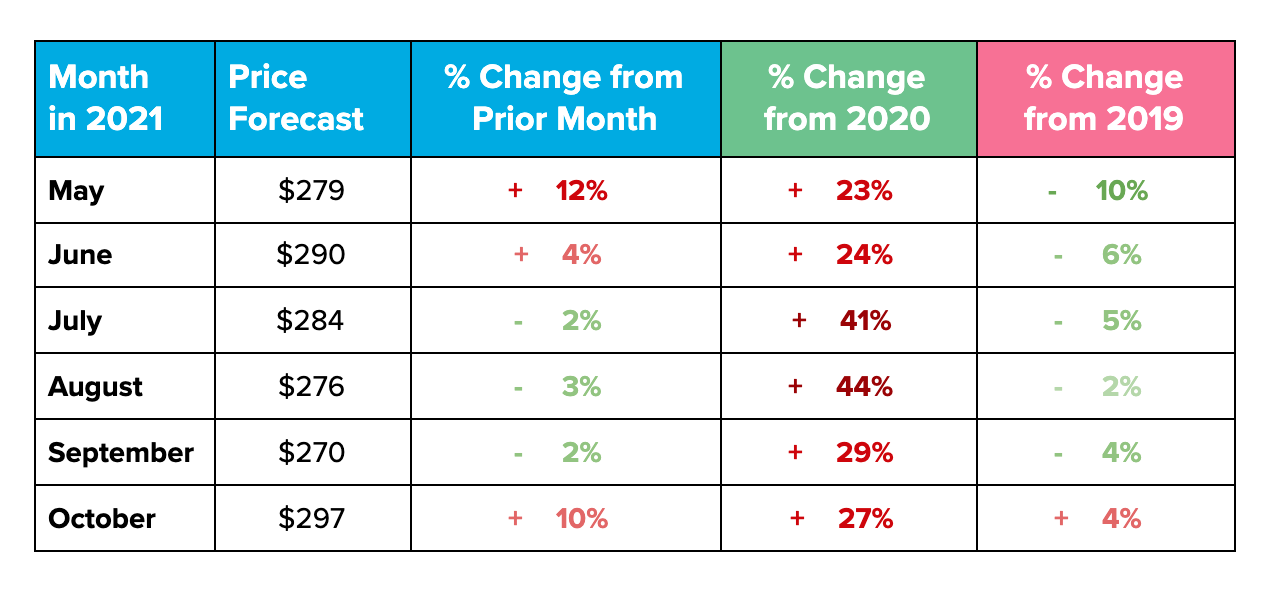
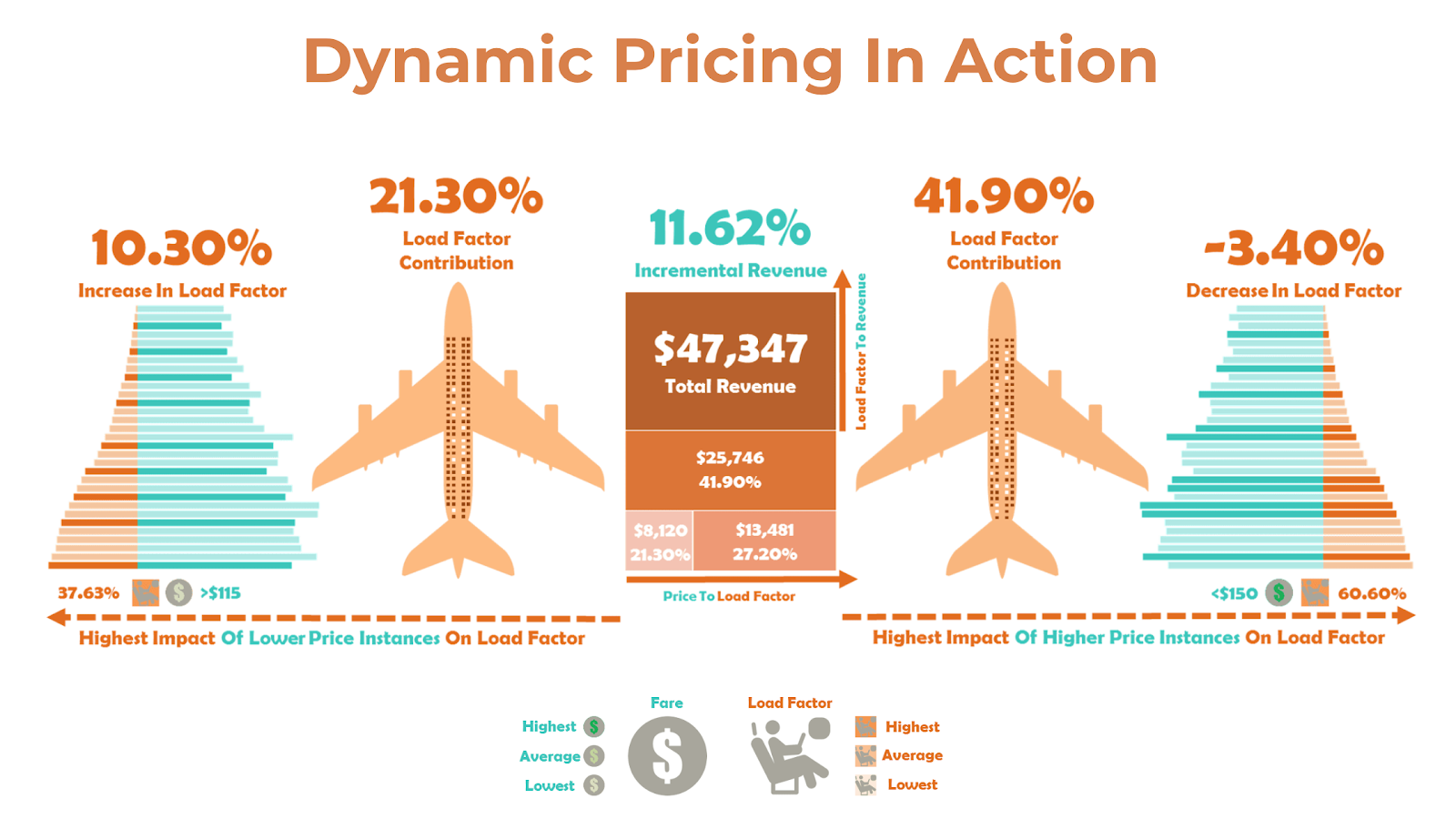
At its core, airline pricing is a classic example of supply and demand. When demand for a particular route or time is high, prices tend to rise, and vice-versa. This is why prices surge during peak travel seasons (holidays, school breaks, summer), major events (festivals, conferences, sporting events), or to popular tourist destinations. Airlines use sophisticated revenue management systems to predict demand and adjust prices accordingly, sometimes multiple times a day. Limited seat availability on a particular flight also contributes to higher prices, as airlines aim to maximize revenue from the remaining seats.
Booking Timing
The timing of your booking is arguably one of the most significant factors affecting the price. There’s often a “sweet spot” for booking, where prices are neither too high due to being too early nor too expensive due to being too late.
- Too Early: Airlines may price tickets higher far in advance, targeting business travelers or those needing certainty, who are less price-sensitive. They also lack sufficient data to predict demand accurately this far out.
- Too Late: Last-minute bookings are almost universally more expensive, as airlines know that travelers booking close to departure are often doing so out of necessity (business trips, emergencies) and are willing to pay a premium.
- The Sweet Spot: Generally, for international flights, booking 3-6 months in advance is often recommended. For domestic flights, 1-3 months out can yield the best prices. However, these are general guidelines, and constant monitoring is key.
Day of the Week and Time of Day
Even the specific day and time you choose to fly can have a substantial impact on the fare. Flights departing on mid-week days (Tuesday, Wednesday, Thursday) are typically cheaper than those on weekends (Friday, Saturday, Sunday) when leisure travelers and business commuters create higher demand. Similarly, “red-eye” flights (overnight flights) or very early morning departures often come at a lower price point due to their less desirable timings. The time of day you search for tickets can also subtly influence prices, as airlines might adjust fares based on real-time search demand, though this effect is generally less pronounced than the actual travel dates.
Airline Competition and Route Popularity
The level of competition on a particular route plays a critical role in pricing. If multiple airlines serve the same route, they are more likely to engage in price wars to attract passengers, leading to lower fares. Conversely, routes served by only one or two carriers often experience higher prices due to less competitive pressure. The popularity of a route also ties into this; highly sought-after routes, even with competition, might still command higher prices due to consistent demand. Airlines strategically price based on their competitors’ offerings, often matching or slightly undercutting rivals to gain market share.
Class of Service
The class of service you choose represents one of the most significant differentiators in ticket cost.
- Economy Class: The most affordable option, offering basic seating and amenities. Within economy, there might be further subdivisions like Basic Economy (most restrictive, no seat choice, no changes) and Standard Economy.
- Premium Economy: A step up, offering more legroom, wider seats, enhanced meal service, and sometimes priority boarding at a moderate price increase over economy.
- Business Class: Designed for comfort and productivity, featuring lie-flat seats on long-haul flights, gourmet meals, lounge access, and dedicated service. Prices are significantly higher.
- First Class: The pinnacle of luxury air travel, offering private suites, personalized service, and exclusive amenities, coming with the highest price tag.
The price difference between these classes can be exponential, reflecting the vastly different travel experiences they offer and the financial profiles of their target customers.
Strategies for Saving Money on Airfare
Given the complexity and volatility of airplane ticket prices, adopting strategic approaches to booking can lead to substantial savings, helping you stay within your travel budget.
Flexibility with Dates and Destinations
One of the most effective ways to save money is to be flexible with your travel dates and destinations. If your schedule allows, consider adjusting your departure or return by a few days, as even a slight shift can reveal significantly cheaper fares. Using “flexible date” search options on airline websites or aggregators can highlight the cheapest days to fly. Similarly, if your destination isn’t fixed, explore options. Tools like Google Flights’ “Explore” feature or Skyscanner’s “Everywhere” search allow you to see where you can fly for the cheapest prices from your origin, opening up possibilities you might not have considered. Sometimes, flying into a smaller, nearby airport can also be cheaper than a major hub.
Utilizing Price Comparison Websites and Alerts
Leverage the power of technology to your financial advantage. Price comparison websites like Google Flights, Skyscanner, Kayak, Expedia, and Momondo aggregate fares from hundreds of airlines and online travel agencies, allowing you to quickly compare options. However, remember that not all airlines (especially budget carriers) appear on every aggregator, so it’s often wise to check a few different sites and even the airline’s direct website. Critically, set up price alerts for your desired routes. These tools will notify you via email when the fare drops or increases, taking the guesswork out of when to buy and helping you catch a good deal.
Considering Budget Airlines vs. Full-Service Carriers
Deciding between a budget airline and a full-service carrier requires a careful financial analysis. Budget airlines (e.g., Ryanair, Spirit, Allegiant, Frontier, EasyJet, Southwest in some cases) often offer incredibly low base fares, but they make up for it with extensive ancillary fees for everything from checked baggage to seat selection and even printing your boarding pass. Full-service carriers (e.g., Delta, American, United, British Airways, Lufthansa) typically include more amenities in their base fare, such as checked bags, meals on international flights, and more generous change policies, though their initial prices are usually higher. Calculate the total cost including all necessary add-ons before assuming a budget airline is the cheaper option. For short, direct flights with minimal luggage, budget airlines can be a significant money-saver.
Leveraging Loyalty Programs and Credit Card Rewards
For frequent flyers, airline loyalty programs and travel rewards credit cards can unlock substantial savings. Earning airline miles through flying or credit card spending allows you to redeem them for free or heavily discounted flights. Many travel credit cards also offer sign-up bonuses of tens of thousands of miles, companion passes, or annual travel credits that can offset ticket costs. Beyond direct flight redemptions, elite status with an airline can provide benefits like free checked bags, priority boarding, lounge access, and waiver of change fees, all of which represent tangible financial value. Strategically choosing and utilizing these programs requires a long-term financial mindset but can yield significant returns.
The Art of the Layover
While direct flights are often preferred for convenience, flights with layovers are almost invariably cheaper. Airlines price direct routes higher due to demand for convenience. If you’re willing to add a stop or two to your itinerary, especially on longer journeys, you can often save hundreds of dollars. Be mindful of the layover duration; overly short layovers increase the risk of missing connecting flights, while excessively long ones can be tiring. Sometimes, a “hidden city” ticketing strategy (booking a flight that has your desired destination as a layover, and then simply disembarking there) can yield even lower prices, but this is against airline terms of service and carries risks, including baggage issues and potential penalties from the airline.
Beyond the Ticket: The True Cost of Air Travel
While the price of the airplane ticket itself is the most obvious financial consideration, a comprehensive travel budget must account for other associated costs to paint a complete picture of your air travel expenses.
Ground Transportation and Accommodation
Once you land, your financial obligations don’t end. The cost of getting from the airport to your accommodation – whether by taxi, ride-share, public transport, or rental car – needs to be factored in. This can be surprisingly expensive, especially in major cities or if your flight arrives late. Similarly, the cost of accommodation (hotels, hostels, Airbnb) will likely be the second-largest expense after airfare for most trips. Researching these costs in advance and booking strategically can significantly impact your overall travel budget. Sometimes, opting for an airport hotel for an early morning departure can save on transportation costs and stress.
Travel Insurance
Often overlooked but a crucial financial safeguard, travel insurance can protect you against unforeseen circumstances that could lead to significant financial loss. This includes trip cancellation or interruption due to illness, natural disasters, or airline issues; medical emergencies abroad (which can be astronomically expensive without coverage); lost or delayed luggage; and emergency evacuation. While it’s an upfront cost, the peace of mind and protection against potentially crippling expenses make it a wise investment for many travelers, particularly for international trips or those with high-value bookings.
Currency Exchange and International Transaction Fees
For international travel, the financial implications extend to how you manage your money abroad. Currency exchange rates can fluctuate, and exchanging money at airports or less reputable bureaus often comes with poor rates. Furthermore, many credit and debit cards charge international transaction fees (typically 1-3% of each transaction) for purchases made in a foreign currency or outside your home country. Savvy financial planning involves using credit cards with no foreign transaction fees, carrying a small amount of local currency obtained at a favorable rate, and being aware of dynamic currency conversion options at point-of-sale terminals.
Visa and Entry Fees
Depending on your nationality and destination, you may need a visa to enter certain countries. These visas often come with an application fee, which can range from a nominal amount to several hundred dollars. Some countries also impose entry fees or tourist taxes upon arrival or departure. Researching these requirements well in advance is essential not only for financial budgeting but also to ensure you meet all entry regulations and avoid last-minute complications or denied boarding.
In conclusion, the question of “how much do airplane tickets cost?” is far from straightforward. It encompasses a base fare, various surcharges, government taxes and fees, and a potential array of ancillary charges. These prices are then dynamically influenced by demand, booking timing, competition, and the chosen class of service. By understanding these multifaceted financial components and adopting strategic booking practices—such as being flexible, using comparison tools, discerning between airline types, and leveraging rewards—travelers can significantly mitigate costs. Furthermore, remembering to budget for ground transportation, accommodation, travel insurance, currency considerations, and visa fees ensures a truly comprehensive and financially prepared approach to air travel. With diligent planning and an informed perspective, managing the cost of air travel becomes a less daunting, and ultimately, more rewarding aspect of your journey.
aViewFromTheCave is a participant in the Amazon Services LLC Associates Program, an affiliate advertising program designed to provide a means for sites to earn advertising fees by advertising and linking to Amazon.com. Amazon, the Amazon logo, AmazonSupply, and the AmazonSupply logo are trademarks of Amazon.com, Inc. or its affiliates. As an Amazon Associate we earn affiliate commissions from qualifying purchases.