
The advent of cryptocurrency has ushered in a new era of digital finance, challenging traditional notions of money, banking, and investment. For many, the concept remains enigmatic, a complex blend of technology and speculation. However, understanding how to effectively use cryptocurrency is becoming an increasingly essential skill in a rapidly evolving global economy. Far from being merely a niche investment, digital assets are integrating into various facets of personal finance, offering new avenues for transactions, wealth accumulation, and financial independence. This guide will demystify the practical applications of cryptocurrency, empowering you to navigate this exciting financial frontier with confidence and insight.
Understanding the Fundamentals of Cryptocurrency Use
Before delving into the practicalities of using cryptocurrency, it’s crucial to grasp the foundational concepts that underpin this revolutionary financial system. A solid understanding will enable you to make informed decisions and mitigate potential risks associated with digital assets.
What is Cryptocurrency and Why Use It?
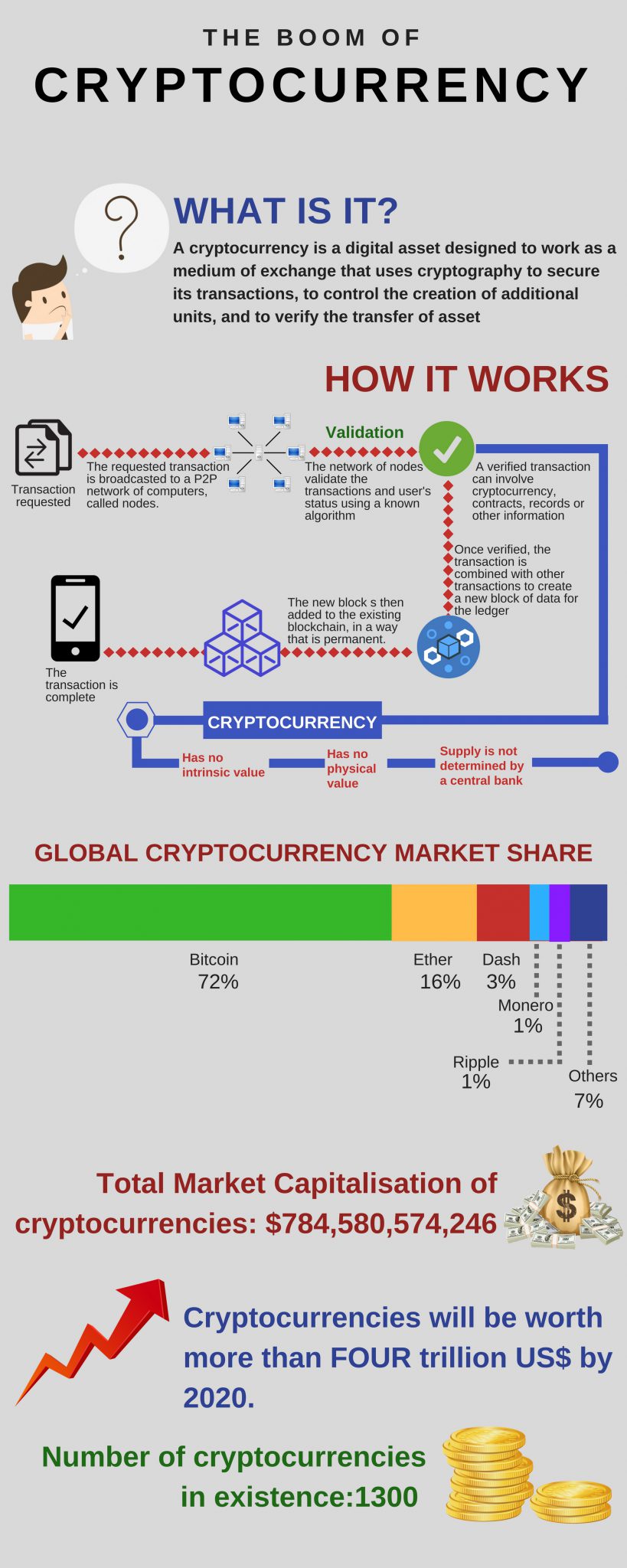
At its core, cryptocurrency is a digital or virtual currency secured by cryptography, making it nearly impossible to counterfeit or double-spend. Many cryptocurrencies are decentralized networks based on blockchain technology—a distributed public ledger enforced by a network of computers. This decentralization means no single entity, like a bank or government, controls it, offering a stark contrast to traditional fiat currencies.
The “why” behind using cryptocurrency is multifaceted. Financially, it offers several compelling advantages:
- Decentralization: Freedom from traditional banking systems means lower fees for international transfers and transactions, especially in regions with unstable economies or limited access to banking services.
- Transparency and Immutability: All transactions are recorded on a public ledger, offering a level of transparency not always present in traditional finance, and once recorded, transactions cannot be altered.
- Potential for High Returns: While volatile, certain cryptocurrencies have demonstrated significant growth, attracting investors seeking higher returns than traditional assets.
- Financial Inclusion: For the unbanked or underbanked populations worldwide, cryptocurrency offers an accessible entry point into the global financial system.
Key Concepts: Wallets, Exchanges, and Blockchain
To effectively use cryptocurrency, you must interact with three primary components:
- Wallets: These are software programs or physical devices that store the private and public keys required to send and receive digital currency. They don’t technically hold the crypto itself (which resides on the blockchain) but provide access to your funds. Wallets come in various forms: “hot” wallets (connected to the internet, e.g., mobile apps, web extensions) offer convenience but less security, while “cold” wallets (offline hardware devices) provide superior security for long-term storage of significant assets. Choosing the right wallet depends on your usage patterns and security preferences.
- Exchanges: Cryptocurrency exchanges are online platforms where you can buy, sell, or trade cryptocurrencies using fiat currency (like USD or EUR) or other cryptocurrencies. They act as a crucial gateway for converting traditional money into digital assets and vice-versa. Popular exchanges like Coinbase, Binance, and Kraken offer varying fees, features, and security measures. Selecting a reputable exchange with robust security protocols and responsive customer support is paramount for protecting your financial interests.
- Blockchain: This underlying technology is a distributed, immutable ledger that records all cryptocurrency transactions. Each “block” contains a list of transactions, and once validated, it’s added to the “chain.” This ensures the integrity and security of the entire network. Understanding the blockchain is key to appreciating the transparency and security features of cryptocurrency from a financial perspective.
Regulatory Landscape and Risks
The regulatory environment for cryptocurrency is still evolving globally. Different countries have adopted varying approaches, ranging from outright bans to comprehensive legal frameworks. From a financial planning perspective, it’s critical to be aware of local regulations concerning taxation, reporting requirements, and compliance.
Moreover, using cryptocurrency carries inherent financial risks:
- Volatility: The price of cryptocurrencies can be extremely volatile, experiencing dramatic fluctuations over short periods. This can lead to significant gains or losses for investors.
- Security Risks: While blockchain technology is secure, wallets and exchanges can be vulnerable to hacking, phishing attacks, and user error (e.g., losing private keys).
- Scams: The nascent nature of the industry has attracted numerous fraudulent schemes, including fake ICOs, pump-and-dump schemes, and pyramid schemes.
- Liquidity Issues: Some smaller cryptocurrencies may have low trading volumes, making it difficult to buy or sell them quickly without impacting their price.
Thorough due diligence, adherence to security best practices, and a clear understanding of your risk tolerance are essential for navigating these challenges.
Practical Applications for Everyday Financial Life
Beyond speculative investment, cryptocurrency is increasingly being integrated into everyday financial transactions, offering new tools for payment, earning, and wealth management.
Investing and Wealth Building
One of the most common uses of cryptocurrency is as an investment vehicle.
- Buying and Holding (HODLing): Many investors purchase cryptocurrencies like Bitcoin or Ethereum with the expectation that their value will appreciate over time. This long-term strategy requires patience and resilience to market fluctuations.
- Trading: Active traders aim to profit from short-term price movements by buying low and selling high. This requires significant market knowledge, technical analysis skills, and a higher risk tolerance.
- Staking and Yield Farming: These are ways to earn passive income from your cryptocurrency holdings. Staking involves locking up your coins to support the operation of a blockchain network, for which you receive rewards. Yield farming involves lending or pooling your crypto assets in decentralized finance (DeFi) protocols to earn interest or fees. Both offer potential for significant returns but come with their own set of risks, including smart contract vulnerabilities and impermanent loss.
- Diversification: For some, cryptocurrency offers a way to diversify traditional investment portfolios, potentially reducing overall risk exposure by adding an uncorrelated asset class.
Making Payments and Purchases
While not yet as ubiquitous as traditional fiat, cryptocurrency is gaining traction as a method for payments and purchases.
- Merchant Adoption: A growing number of online and physical retailers accept cryptocurrency directly or through third-party payment processors like BitPay or CoinGate. This allows you to pay for goods and services using your digital assets.
- Gift Cards: Several platforms allow you to purchase gift cards for major retailers using cryptocurrency, effectively bridging the gap between digital assets and traditional commerce.
- Peer-to-Peer Transactions: Cryptocurrencies excel at direct peer-to-peer transactions, enabling fast and often low-cost transfers between individuals without intermediaries. This can be particularly useful for splitting bills or sending money to friends and family.
Remittances and International Transfers
For international money transfers, cryptocurrency presents a compelling alternative to traditional banking and remittance services, which often involve high fees and slow processing times.
- Lower Fees: Sending cryptocurrency across borders typically incurs significantly lower transaction fees compared to wire transfers or traditional money transfer services.
- Faster Processing: Cryptocurrency transactions can often be processed and confirmed within minutes or hours, regardless of geographical distance, in stark contrast to the days it can take for international bank transfers.
- Accessibility: For individuals in countries with limited access to traditional banking or those facing stringent capital controls, cryptocurrency offers a vital lifeline for sending and receiving funds globally.
Earning Cryptocurrency
Beyond investment, there are several ways to earn cryptocurrency directly:
- Mining: This process involves using powerful computers to solve complex cryptographic puzzles to validate transactions on a blockchain, for which miners are rewarded with new coins. While still possible for some cryptocurrencies, profitability for individuals, especially for Bitcoin, requires significant hardware investment and electricity.
- Play-to-Earn Games: The emergence of blockchain-based games allows players to earn cryptocurrency or NFTs (Non-Fungible Tokens) by engaging in gameplay, completing tasks, or selling in-game assets. This model introduces a new economic paradigm to gaming.
- Freelancing and Services: A growing number of platforms and clients are willing to pay for freelance services (e.g., writing, graphic design, web development) in cryptocurrency. This offers freelancers more payment flexibility and potentially lower transaction fees.
- Airdrops and Faucets: Airdrops involve projects distributing free tokens to wallet holders to promote their new cryptocurrency. Faucets are websites that dispense small amounts of cryptocurrency as a reward for completing simple tasks. While the amounts are usually small, they offer a low-risk way to acquire initial crypto holdings.
Navigating the Investment Landscape with Cryptocurrency
For those looking to integrate cryptocurrency into their financial strategy, understanding the nuances of the investment landscape is critical. This involves careful planning, risk assessment, and adherence to regulatory requirements.
Developing a Personal Crypto Investment Strategy
A well-defined strategy is paramount for responsible cryptocurrency investment:
- Define Your Financial Goals: Are you aiming for long-term wealth appreciation, short-term gains, or passive income? Your goals will dictate your asset selection and risk tolerance.
- Assess Your Risk Tolerance: Cryptocurrencies are highly volatile. Only invest what you can afford to lose. Understand that significant price drops are possible.
- Diversification: Just like traditional investing, diversifying your crypto portfolio across different assets (e.g., Bitcoin, Ethereum, stablecoins, DeFi tokens) can help mitigate risk. Avoid putting all your eggs in one basket.
- Research Thoroughly: Before investing in any cryptocurrency, research its underlying technology, use case, team, market capitalization, and community support. Understand its whitepaper and roadmap.
- Long-Term vs. Short-Term: Decide whether you are a long-term “HODLer” or a short-term trader. Each approach requires different strategies and emotional discipline.
Understanding Market Volatility and Risk Management
The extreme volatility of the crypto market necessitates robust risk management practices:
- Dollar-Cost Averaging (DCA): Instead of investing a large lump sum at once, DCA involves investing a fixed amount of money at regular intervals (e.g., weekly or monthly). This strategy helps average out your purchase price and reduces the impact of market timing.
- Setting Stop-Loss Orders: On trading platforms, stop-loss orders automatically sell your assets if they fall below a certain price, limiting potential losses.
- Profit Taking: Have a clear strategy for taking profits. This could involve selling a portion of your holdings when they reach a certain target price to secure gains.
- Emotional Discipline: Avoid making impulsive decisions based on fear or euphoria. Stick to your predefined strategy.
Taxation and Compliance
One of the most overlooked yet crucial aspects of using cryptocurrency is its tax implications. Most jurisdictions treat cryptocurrency as property for tax purposes, not currency.
- Capital Gains Tax: Selling cryptocurrency for a profit (exchanging it for fiat, or using it to buy goods/services) often triggers capital gains tax, similar to stocks. The tax rate can vary depending on how long you held the asset (short-term vs. long-term).
- Income Tax: Earning cryptocurrency through mining, staking rewards, or as payment for services is typically considered taxable income.
- Record Keeping: Meticulous record-keeping of all your cryptocurrency transactions (purchase dates, prices, sale dates, prices, transaction fees) is essential for accurate tax reporting. Utilize crypto tax software to simplify this process.
- Stay Informed: Tax laws surrounding cryptocurrency are still evolving. Consult with a financial advisor or tax professional knowledgeable in crypto to ensure compliance in your specific jurisdiction. Failure to report crypto activities can lead to significant penalties.
Ensuring Security and Responsible Use of Your Digital Assets
The decentralized nature of cryptocurrency places the responsibility for security squarely on the user. Safeguarding your digital assets is paramount to preventing financial loss.
Securing Your Wallets and Exchanges
Robust security practices are non-negotiable:
- Strong, Unique Passwords: Use complex, unique passwords for all your crypto accounts and enable two-factor authentication (2FA) wherever possible, preferably using an authenticator app rather than SMS.
- Hardware Wallets for Large Holdings: For significant amounts of cryptocurrency, invest in a hardware wallet (cold storage). These devices keep your private keys offline, making them immune to online hacks.
- Backup Your Seed Phrase: When setting up a wallet, you’ll be given a “seed phrase” (a series of words). This is your ultimate backup. Write it down, store it securely offline in multiple locations, and never share it with anyone. Losing it means losing access to your funds.
- Be Wary of Phishing: Always double-check URLs before entering login credentials. Phishing scams mimic legitimate websites to steal your information.
- Use Reputable Exchanges: Stick to well-established cryptocurrency exchanges with proven security records and clear insurance policies where applicable.
Identifying and Avoiding Scams
The crypto space is unfortunately rife with scams designed to trick users out of their money:
- “Too Good to Be True” Promises: Be extremely skeptical of projects or individuals promising guaranteed high returns with little to no risk. These are classic hallmarks of Ponzi schemes.
- Impersonation Scams: Scammers often impersonate legitimate companies, well-known figures, or even government agencies to solicit funds. Verify identities through official channels.
- Fake Giveaways: Never send cryptocurrency to an address promising to send back double the amount. These are always scams.
- Rug Pulls: In DeFi, a “rug pull” occurs when developers suddenly abandon a project and run away with investors’ funds, often by draining liquidity pools. Research project teams and smart contract audits.
- SMS and Email Scams: Be cautious of unsolicited messages asking for private keys, seed phrases, or login details. Legitimate entities will never ask for this information.
Staying Informed and Making Prudent Decisions
The cryptocurrency landscape evolves rapidly. Continuous learning is essential for responsible and profitable engagement:
- Follow Reputable News Sources: Stay updated with industry news from credible financial and crypto-specific publications.
- Understand the Technology: A basic grasp of how blockchain and different cryptocurrencies work will help you evaluate projects and make informed investment decisions.
- Join Communities (Cautiously): Engage with crypto communities on platforms like Reddit, Twitter, or Discord, but always exercise critical thinking and be wary of FUD (fear, uncertainty, and doubt) or FOMO (fear of missing out) driven by anonymous users.
- Consult Financial Professionals: For complex financial planning involving cryptocurrency, seek advice from licensed financial advisors who specialize in digital assets.
The Future of Cryptocurrency in Your Financial Portfolio
Cryptocurrency is no longer just a fringe asset; it’s a burgeoning financial ecosystem with the potential to reshape global finance. Integrating it thoughtfully into your overall financial plan requires foresight and adaptability.
Emerging Trends and Opportunities
The cryptocurrency space is dynamic, constantly innovating with new financial applications:
- Decentralized Finance (DeFi): DeFi aims to recreate traditional financial services (lending, borrowing, insurance, trading) on blockchain, without intermediaries. It offers new opportunities for passive income and financial autonomy.
- Non-Fungible Tokens (NFTs): While initially popular for digital art, NFTs are evolving to represent ownership of various assets, both digital and physical, potentially creating new markets and investment avenues for real estate, intellectual property, and more.
- Metaverse Economics: As virtual worlds (the metaverse) develop, cryptocurrency will serve as the native currency for buying, selling, and owning digital assets within these immersive environments, opening new economic frontiers.
- Central Bank Digital Currencies (CBDCs): Many central banks are exploring or developing their own digital currencies. While distinct from decentralized cryptocurrencies, CBDCs will likely accelerate the broader adoption of digital money and further integrate it into national financial systems.

Integrating Crypto into a Holistic Financial Plan
For long-term financial success, cryptocurrency should be viewed as one component within a broader, diversified financial strategy:
- Asset Allocation: Determine what percentage of your total net worth you are comfortable allocating to cryptocurrency, considering its volatility and your risk tolerance. This allocation should typically be a smaller percentage than more stable, traditional assets.
- Goal Alignment: Ensure your crypto investments align with your overarching financial goals, whether that’s retirement, a down payment, or simply growth.
- Regular Review and Rebalancing: Periodically review your crypto portfolio’s performance and rebalance it according to your initial asset allocation strategy. This might involve selling off some gains from a surging asset or buying more of an underperforming one to maintain your desired diversification.
- Legacy Planning: Consider how your digital assets will be handled in your estate planning. Due to their unique nature and reliance on private keys, specific instructions are needed to ensure your heirs can access them.
In conclusion, using cryptocurrency is no longer a question of “if” but “how.” From practical payments and international remittances to sophisticated investment strategies and passive income generation, digital assets offer a spectrum of financial tools. By understanding the fundamentals, embracing sound security practices, staying informed about market dynamics and regulations, and integrating crypto thoughtfully into your financial plan, you can harness its potential to enhance your financial life in the digital age.
aViewFromTheCave is a participant in the Amazon Services LLC Associates Program, an affiliate advertising program designed to provide a means for sites to earn advertising fees by advertising and linking to Amazon.com. Amazon, the Amazon logo, AmazonSupply, and the AmazonSupply logo are trademarks of Amazon.com, Inc. or its affiliates. As an Amazon Associate we earn affiliate commissions from qualifying purchases.