
The Amazon rainforest, a biome of unparalleled scale and biodiversity, represents one of Earth’s most critical natural assets. While its ecological significance is often highlighted, its vastness also underpins a complex web of economic interests, financial risks, and investment opportunities that span local economies to global financial markets. Understanding “how large” the Amazon is, therefore, is not merely a geographical exercise but a fundamental starting point for comprehending its profound financial implications.
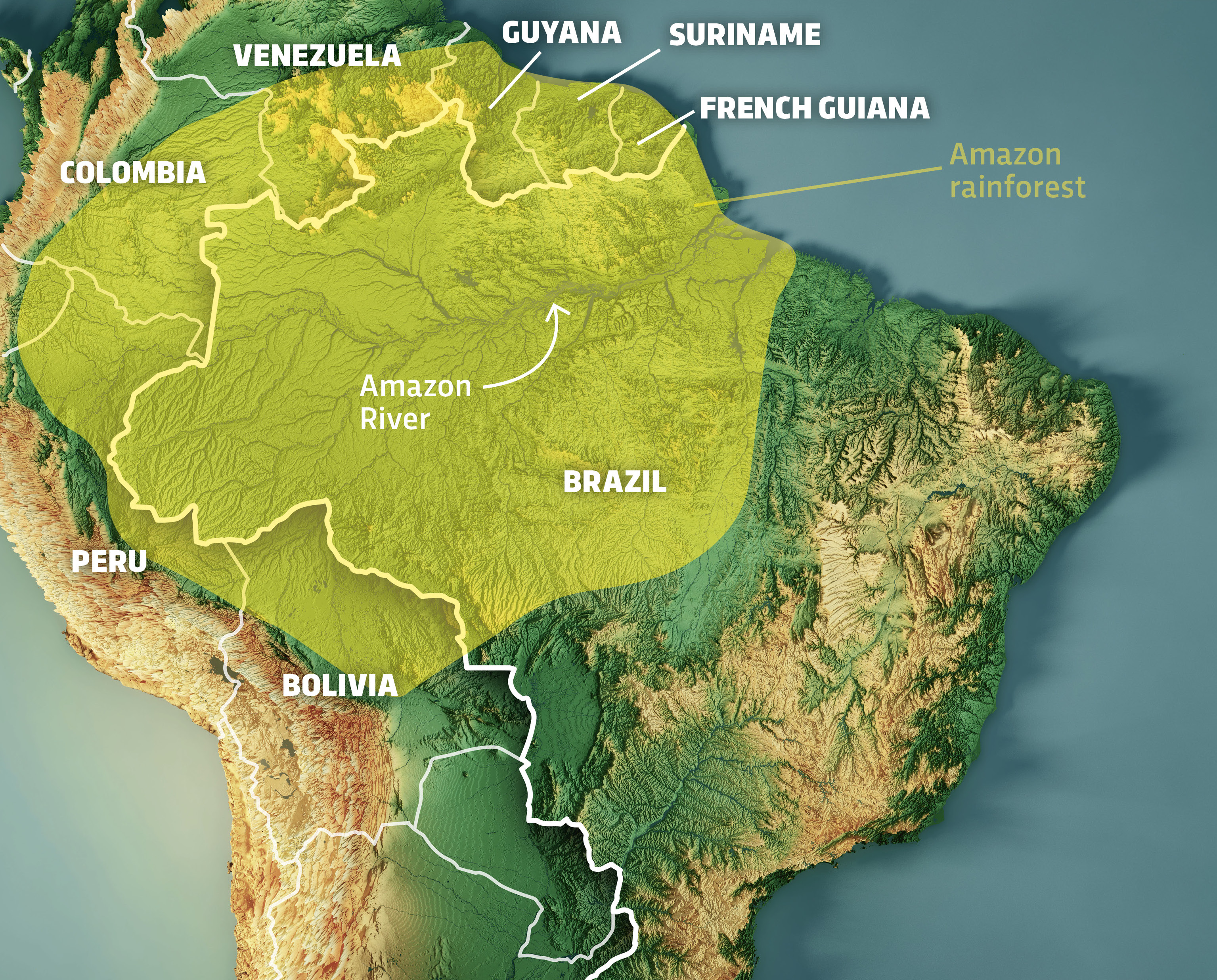
Geographically, the Amazon rainforest spans approximately 6.7 million square kilometers (2.6 million square miles), making it the largest tropical rainforest on Earth. This colossal expanse covers territory across nine South American countries: Brazil, Peru, Ecuador, Colombia, Venezuela, Bolivia, Guyana, Suriname, and French Guiana. Brazil harbors the largest share, accounting for roughly 60% of the entire forest. To put its size into perspective, it is larger than the entire landmass of Western Europe and accounts for over half of the planet’s remaining rainforests. This immense scale translates directly into an equally immense—and often understated—economic footprint.
The Amazon’s Natural Capital: An Untapped Economic Valuation
The sheer scale of the Amazon rainforest means it holds an almost incalculable amount of natural capital. This concept extends beyond immediate resource extraction to encompass the long-term economic benefits derived from its intact ecosystems. Valuing this natural capital is a challenging but crucial task for financial decision-making.
Ecosystem Services: Beyond Market Price
The Amazon’s size directly dictates its capacity to provide essential ecosystem services, which are fundamental to global economic stability. These services include:
- Carbon Sequestration: As the world’s largest terrestrial carbon sink, the Amazon stores an estimated 150-200 billion tons of carbon. Its immense size makes it a critical regulator of global climate. The economic value of this service, particularly in the context of carbon markets and climate change mitigation, is enormous. Preventing its deforestation avoids significant economic costs associated with extreme weather events, agricultural disruptions, and health impacts.
- Water Cycle Regulation: The Amazon is a powerhouse for the global water cycle, generating a significant portion of its own rainfall and influencing precipitation patterns across South America and beyond. This “flying rivers” phenomenon is critical for agriculture and hydropower generation in regions far removed from the forest itself, representing billions in economic value for water-dependent industries.
- Biodiversity Hotspot: Housing an estimated 10% of the world’s known species, the Amazon is a vast genetic library. This biodiversity holds immense potential for future pharmaceutical discoveries, agricultural innovation, and industrial processes. The economic value of bio-prospecting and the intellectual property derived from its species could be astronomical, though largely unrealized due to premature destruction.
- Soil Health and Nutrient Cycling: The rainforest’s robust ecosystem maintains fertile soils and efficient nutrient cycling, supporting its incredible biomass. The economic cost of soil degradation and desertification in deforested areas is high, impacting long-term agricultural productivity and requiring costly remediation efforts.
These services, though often unpriced in traditional markets, represent colossal financial contributions to global economies. Their degradation due to deforestation imposes substantial economic liabilities that are increasingly recognized by businesses and governments.
Resource Exploitation vs. Sustainable Development: A Financial Tightrope
The Amazon’s vastness makes it a magnet for resource extraction, often driven by short-term financial gains. Activities such as logging, cattle ranching, mining, and oil and gas exploration are significant economic drivers for local communities and national economies within the Amazonian countries. The scale of these industries reflects the perceived immediate financial opportunity presented by the vast resources.
However, the economic model centered on aggressive exploitation carries significant long-term financial risks. Deforestation leads to:
- Loss of Future Revenue Streams: Destroying the forest for cattle grazing eliminates the potential for sustainable timber, non-timber forest products (like rubber, acai, Brazil nuts), and eco-tourism, which could generate more stable and long-term income.
- Environmental Degradation Costs: Pollution from mining, soil erosion from ranching, and loss of water regulation capacity incur economic costs in terms of clean-up, reduced agricultural output elsewhere, and increased reliance on artificial infrastructure.
- Reputational and Market Risks: Companies involved in unsustainable practices face growing consumer backlash, investor divestment, and regulatory pressures, impacting their brand value and market access. Financial institutions funding such projects are increasingly scrutinized for their ESG (Environmental, Social, Governance) performance.
Conversely, sustainable development models aim to unlock the Amazon’s economic potential while preserving its natural capital. Investments in sustainable agriculture, agroforestry, certified timber, and value-added non-timber forest products offer pathways to generate income that is both economically viable and environmentally responsible, appealing to a growing segment of conscious consumers and investors.
Investment Frontiers: Sustainable Finance and the Amazon
The sheer size and critical importance of the Amazon have made it a focal point for innovative financial mechanisms aimed at conservation and sustainable development. These frontiers offer compelling opportunities for investors looking beyond traditional returns.
Carbon Credits: A Market for Conservation
The Amazon’s massive carbon sequestration capacity positions it at the heart of the global carbon market. Programs like REDD+ (Reducing Emissions from Deforestation and Forest Degradation) provide financial incentives for countries and communities to protect forests, generating measurable carbon credits. Corporations and nations seeking to offset their emissions can purchase these credits, channeling funds directly into conservation efforts. The vast scale of the Amazon means that even small per-hectare valuations translate into significant market potential for carbon finance, turning standing forests into financially valuable assets. Investors are increasingly looking at funds and projects that aggregate these credits, offering a unique blend of financial return and environmental impact.
Ecotourism and Bio-prospecting: Niche Markets with Global Potential
The Amazon’s unparalleled biodiversity and natural beauty, spanning millions of square kilometers, provide a massive canvas for ecotourism. Investment in sustainable lodges, guided tours, and community-based tourism initiatives can generate significant revenue for local populations while fostering appreciation for conservation. The market for ethical and experiential travel is growing, presenting a long-term growth opportunity.
Similarly, bio-prospecting, the exploration of biological resources for commercially valuable compounds, offers significant economic potential. The Amazon’s vast and largely unexplored species present a veritable goldmine for pharmaceutical, cosmetic, and food industries. Investment in research and development, combined with fair benefit-sharing agreements with indigenous communities, could unlock new markets and generate substantial intellectual property, with its value directly proportional to the scale and diversity of the forest itself.
ESG Investing and the Rainforest’s Future
Environmental, Social, and Governance (ESG) criteria are increasingly guiding investment decisions. The Amazon rainforest, as a global ecological linchpin, features prominently in ESG considerations. Investors are scrutinizing companies’ supply chains for links to deforestation and human rights abuses in the Amazon. Financial institutions are pressured to divest from companies engaged in unsustainable practices and to fund those committed to conservation. The sheer size of the Amazon means that its environmental fate has a material impact on the ESG performance of major global industries, from agriculture and mining to finance and consumer goods. This has led to the emergence of dedicated impact funds and green bonds specifically targeting sustainable initiatives within the Amazon region, offering investors both financial returns and verifiable environmental benefits.
Financial Risks and Economic Costs of Deforestation
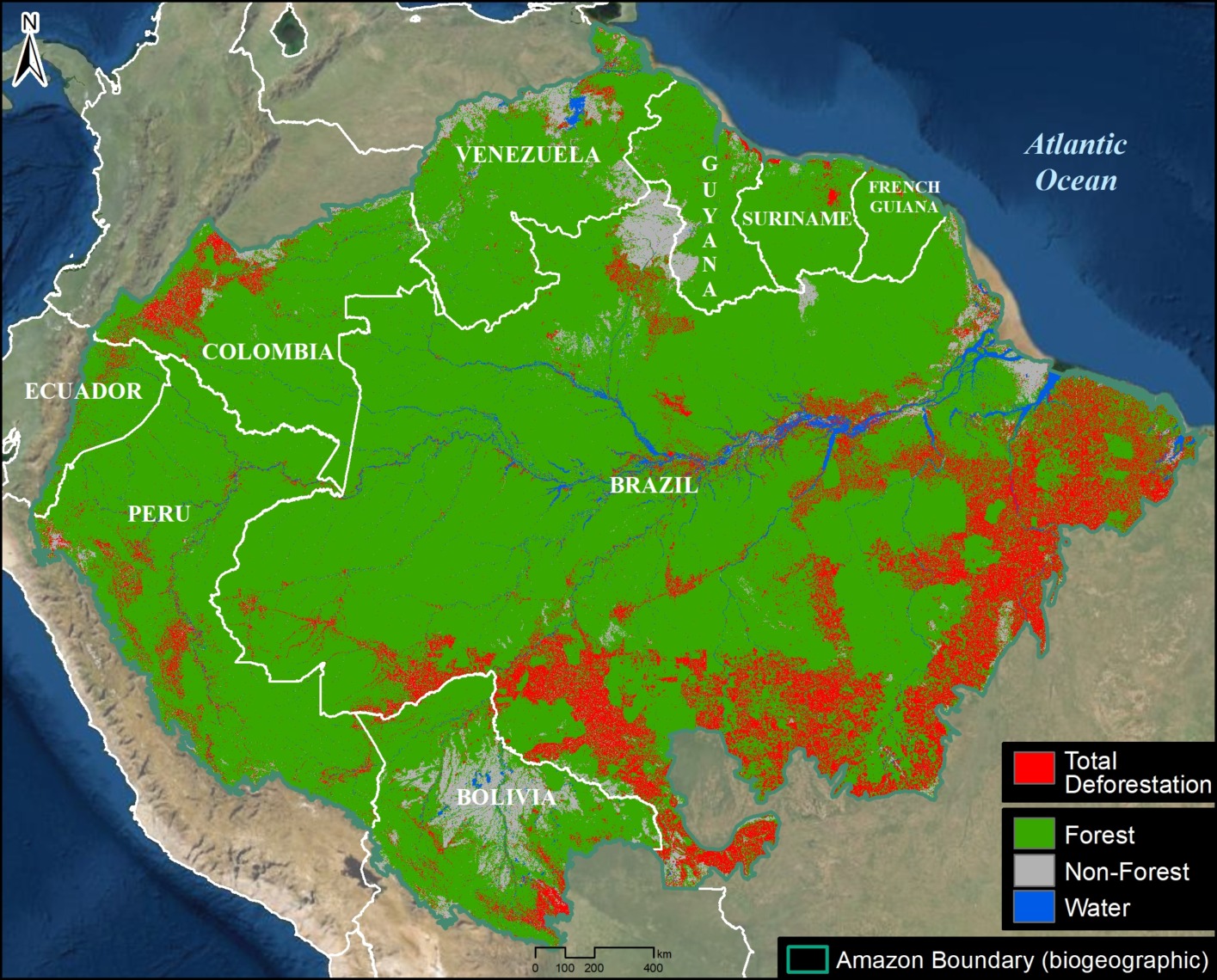
The continued destruction of the Amazon, fueled by economic incentives for short-term gain, presents enormous financial risks and imposes substantial economic costs, not just locally but globally. These costs extend far beyond the immediate profits from logging or ranching.
Supply Chain Vulnerabilities and Corporate Accountability
For multinational corporations, the financial risks associated with Amazon deforestation are escalating. Global supply chains for commodities like beef, soy, palm oil, and timber often originate in or are linked to the Amazon. As consumers, regulators, and investors demand greater transparency and sustainability, companies with exposure to deforestation face:
- Reputational Damage: Consumer boycotts, NGO campaigns, and negative media attention can severely impact brand value, leading to lost market share and reduced sales.
- Market Access Restrictions: Importing countries are increasingly implementing due diligence regulations to prevent deforestation-linked products from entering their markets, creating trade barriers.
- Financial Penalties: Regulatory fines and legal actions for non-compliance with environmental standards can result in significant financial liabilities.
The vastness of the Amazon implies that these supply chain risks are pervasive and touch numerous global industries, making supply chain traceability and sustainable sourcing not just an ethical choice but a financial imperative.
Climate Change Impacts and Economic Instability
The Amazon’s role as a climate regulator means its destruction has direct financial consequences related to climate change. Large-scale deforestation pushes the rainforest towards a “tipping point,” where vast areas could transform into a drier, savanna-like ecosystem. This potential biome shift carries staggering economic costs globally:
- Agricultural Losses: Changes in rainfall patterns will impact agricultural productivity across South America, leading to crop failures and food price volatility.
- Increased Disaster Relief Costs: More frequent and intense droughts, floods, and wildfires, exacerbated by climate change, will necessitate increased government spending on disaster relief and recovery.
- Health Costs: Respiratory illnesses from smoke pollution, vector-borne diseases due to ecological disruption, and heat-related illnesses will strain healthcare systems.
The sheer volume of carbon released from a “dieback” scenario would make achieving global climate targets exceedingly difficult, leading to greater economic disruption from a warmer planet.
The Cost of Lost Biodiversity and Future Innovation
The destruction of the Amazon’s immense biodiversity represents an irreversible loss of potential economic value. Every species lost is a potential new medicine, a resilient crop variety, or an industrial enzyme that will never be discovered. This “opportunity cost” is financially significant, as it forecloses future revenue streams and limits the tools available for addressing global challenges in health, food security, and technology. The financial implications of this loss are difficult to quantify but represent a profound long-term drain on humanity’s potential for innovation and economic progress.
International Finance and Policy Frameworks for Preservation
Recognizing the global economic stakes, international financial institutions, governments, and philanthropic organizations are increasingly engaging in initiatives to finance Amazonian preservation. The scale of the Amazon requires coordinated financial strategies.
Debt-for-Nature Swaps and Development Banks
Innovative financial instruments like debt-for-nature swaps allow developing countries to reduce their foreign debt in exchange for commitments to environmental conservation. These mechanisms can free up national budgets to invest in sustainable development within the Amazon. Multilateral development banks, such as the World Bank and the Inter-American Development Bank, provide billions in loans and grants for projects focusing on sustainable land use, protected areas management, and indigenous community support. Their financial leverage is critical in a region as vast and complex as the Amazon.
The Role of Philanthropy and Private Capital in Conservation
Private philanthropy and impact investors play a vital role in funding conservation efforts that might not attract traditional commercial finance. Donations from high-net-worth individuals and foundations support research, direct protection efforts, and capacity building for local communities. The rising interest in impact investing has also led to dedicated funds that seek both a financial return and positive social and environmental outcomes within the Amazon, often focusing on sustainable agriculture, forest products, and ecotourism. This blend of altruism and strategic investment is essential given the Amazon’s immense scale and the myriad challenges it faces.
In conclusion, the question of “how large is the Amazon rainforest” transcends simple geography. Its immense size is the foundation for an elaborate and critical financial landscape, encompassing vast natural capital, emerging investment frontiers in sustainable finance, and profound economic risks tied to its destruction. For businesses, investors, and policymakers alike, understanding the financial implications of this colossal natural asset is paramount for steering towards a future that balances economic prosperity with ecological integrity.
aViewFromTheCave is a participant in the Amazon Services LLC Associates Program, an affiliate advertising program designed to provide a means for sites to earn advertising fees by advertising and linking to Amazon.com. Amazon, the Amazon logo, AmazonSupply, and the AmazonSupply logo are trademarks of Amazon.com, Inc. or its affiliates. As an Amazon Associate we earn affiliate commissions from qualifying purchases.