
Amazon has revolutionized how we shop, offering an unparalleled selection of products delivered with remarkable speed. For many, it’s the first stop for everything from daily essentials to major electronics. However, the sheer volume of products and constant price fluctuations can make it challenging to discern truly great deals from everyday pricing. This guide is dedicated to empowering consumers with the knowledge and strategies to consistently secure discounts on Amazon, transforming incidental savings into a deliberate financial advantage. Getting a discount on Amazon isn’t just about stumbling upon a sale; it’s about adopting a strategic approach to personal finance and savvy shopping.

Mastering the Art of Amazon Discounts
Successfully navigating Amazon for discounts requires more than just a keen eye; it demands an understanding of the platform’s financial mechanics and a proactive shopping mindset. By grasping how Amazon’s pricing works and embracing strategic shopping, you can turn every purchase into an opportunity for savings.
Understanding Amazon’s Dynamic Pricing
Amazon employs sophisticated algorithms that constantly adjust prices based on a multitude of factors, including competitor pricing, sales velocity, inventory levels, time of day, and even user browsing history. This “dynamic pricing” means the price of a product can change multiple times within a single day. For the financially astute shopper, this presents both a challenge and an opportunity. Without insight into these fluctuations, you might buy an item today only to see its price drop significantly tomorrow. Conversely, understanding this fluidity allows you to time your purchases for maximum savings. Recognizing that prices are not static is the first step in financially intelligent online shopping.
The Value of Strategic Shopping
Strategic shopping on Amazon moves beyond simply waiting for a sale. It involves a methodical approach to identifying needs, researching products, tracking prices, and employing various financial tools and methods to reduce the final cost. This isn’t about compromising on quality or buying things you don’t need; it’s about optimizing your spending for items you genuinely intend to purchase. By becoming a strategic shopper, you effectively increase your purchasing power, making your hard-earned money go further and directly contributing to your personal financial well-being. It’s an investment of time that yields tangible monetary returns.
Leveraging Amazon’s Own Discount Mechanisms
Amazon itself provides a plethora of features and sections specifically designed for finding deals. Tapping into these internal mechanisms is often the most direct path to significant savings.
Amazon Warehouse Deals: Open Box Savings
Amazon Warehouse is a treasure trove for finding quality products at reduced prices. This section features open-box, pre-owned, or refurbished items that have been returned by customers. Products are meticulously inspected and graded (e.g., “Like New,” “Very Good,” “Good,” “Acceptable”), allowing you to choose based on your preference for condition versus discount. The savings can be substantial, often ranging from 20% to 50% off the original price for items that are functionally identical to new ones. This is a prime example of smart money management, getting more for less by accepting minor cosmetic imperfections or opened packaging.
Amazon Outlet: Overstock Bargains
Often confused with Amazon Warehouse, Amazon Outlet is where you’ll find overstock items, clearance products, and end-of-season goods from Amazon’s own inventory. These are typically brand-new items that Amazon needs to clear out, making it an excellent place to find discounts on a wide range of products, from electronics to home goods. Unlike Warehouse deals, Outlet items are new, untouched products. Regularly checking Amazon Outlet can uncover deals on items you might already be looking for, providing direct financial relief.
Subscribe & Save: Recurring Savings
For everyday consumables like groceries, toiletries, and pet supplies, Amazon’s Subscribe & Save program offers an effortless way to save money. By signing up for recurring deliveries of eligible items, you automatically receive a discount, typically 5%, which increases to 15% if you have five or more subscriptions delivered to the same address in a month. This program promotes financial planning by ensuring you never run out of essentials while consistently lowering their cost over time. It’s a simple yet effective strategy for automating savings on recurring household expenses.
Coupons: The Digital Snipping Tool
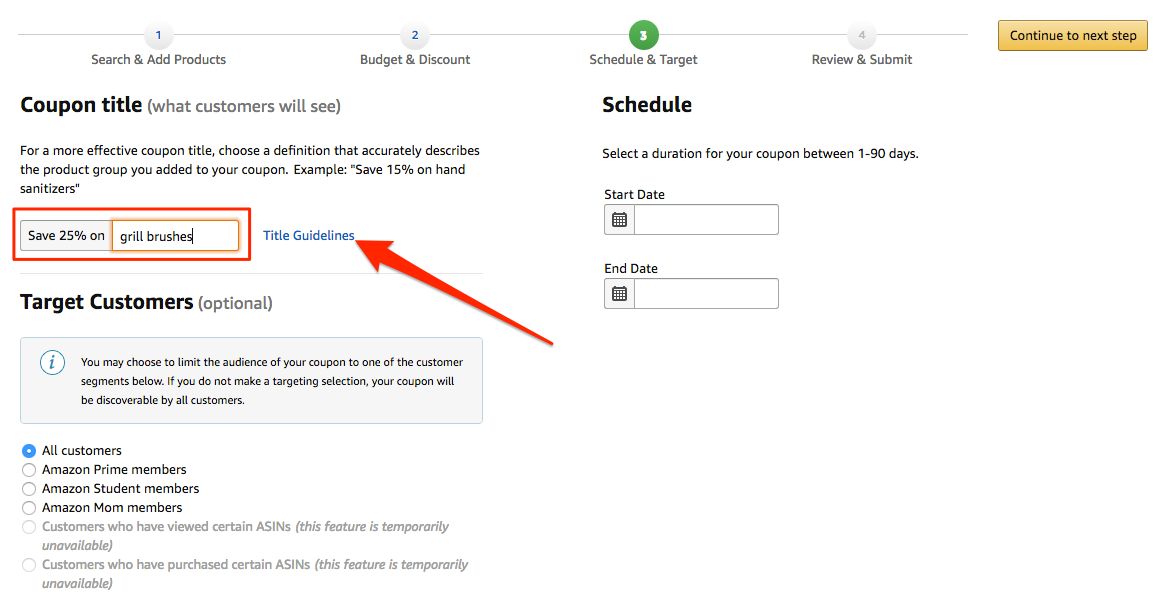
Amazon hosts a dedicated “Coupons” section where you can find digital coupons for a vast array of products. These are typically percentage-off or dollar-amount-off deals that you “clip” with a single click, and the discount is automatically applied at checkout. You can find coupons directly on product pages as well. This feature is a modern take on traditional couponing, allowing for instant savings without the hassle of physical clipping. It’s an easy way to shave a few dollars off your purchase, contributing to overall budget management.
Lightning Deals and Deals of the Day: Time-Sensitive Opportunities
These are Amazon’s flagship short-term promotions, offering significant discounts for a limited time or until stock runs out. Lightning Deals last for only a few hours and have a limited quantity, while Deals of the Day are available for 24 hours. You can find these on Amazon’s “Today’s Deals” page. To maximize your chances of snagging these deals, especially popular items, it’s advisable to check the page regularly or use the Amazon app to get notifications. These opportunities are a race against the clock and inventory, offering substantial but fleeting financial benefits.
Amazon Renewed: Certified Refurbished Products
For electronics and certain other categories, Amazon Renewed offers certified refurbished products that look and work like new, backed by a 90-day guarantee. These items have been professionally inspected, tested, and cleaned by Amazon-qualified suppliers. The savings on Renewed products can be considerable, often 20% to 40% less than their brand-new counterparts. For budget-conscious tech enthusiasts, this provides an excellent avenue to acquire high-quality gadgets without paying full price, demonstrating smart allocation of financial resources.
Prime Member Exclusives: Unlocking More Value
Amazon Prime membership isn’t just about free two-day shipping; it also unlocks exclusive deals and early access to promotions. Prime members often get special discounts on select products, can access Lightning Deals 30 minutes before non-members, and receive specific offers during major sales events like Prime Day. While Prime membership comes with an annual fee, the accumulated savings from exclusive deals, coupled with other benefits, can often outweigh the cost, making it a sound financial decision for frequent Amazon shoppers.
External Strategies for Maximizing Amazon Savings
Beyond Amazon’s internal offerings, several external tools and financial strategies can further amplify your savings, helping you squeeze every possible discount out of your Amazon purchases.
Price Tracking Tools: The Hunter’s Edge
Given Amazon’s dynamic pricing, price tracking tools are indispensable for the financially savvy shopper. Services like Keepa and CamelCamelCamel track the historical price of millions of Amazon products, displaying charts that show price fluctuations over time. These tools allow you to set up price alerts, notifying you via email when an item drops to your desired price point. This eliminates the guesswork and ensures you buy when the price is at its lowest, embodying disciplined financial decision-making.
Cashback Portals and Credit Cards: Earning While You Spend
Cashback portals (e.g., Rakuten, TopCashback) offer a percentage of your purchase back as cash when you click through their links to Amazon. While Amazon’s cashback rates vary and are sometimes limited to specific categories, they can still add up. Simultaneously, using credit cards that offer bonus rewards or cashback on online purchases, or specific cards like the Amazon Prime Rewards Visa Signature Card (which offers 5% back on Amazon purchases for Prime members), can provide an additional layer of savings. Stacking these methods allows you to earn money back on your spending, effectively reducing the net cost of your purchases.
Gift Card Arbitrage: Pre-paid Savings
A lesser-known but effective strategy involves buying discounted Amazon gift cards from third-party resellers or through promotions. Many retailers and platforms occasionally offer Amazon gift cards at a discount (e.g., $100 gift card for $90). By acquiring these discounted gift cards and then using them for your Amazon purchases, you essentially get an instant saving before you even start shopping. This requires a bit of planning but yields guaranteed, incremental financial benefits.
Student and Senior Discounts: Niche Opportunities
While Amazon doesn’t offer universal senior discounts, Prime Student provides a significant discount on Prime membership for eligible college students, including a 6-month free trial. This is a substantial financial benefit for students, providing access to all Prime perks at a reduced cost. Always check for specific programs or promotions that might cater to particular demographics, as these can offer unique savings opportunities.
Seasonal Sales and Major Shopping Events
Certain times of the year are synonymous with deep discounts on Amazon. Planning your larger purchases around these events can lead to substantial financial savings.
Prime Day: The Mid-Year Extravaganza
Amazon’s annual Prime Day, typically held in July, is one of the biggest shopping events of the year. Exclusively for Prime members, it offers millions of deals across virtually all product categories, often with discounts comparable to Black Friday. To make the most of Prime Day, prepare by creating wish lists, setting a budget, and being ready to act fast on Lightning Deals. This event is a prime example of strategic financial planning paying off for major purchases.
Black Friday and Cyber Monday: Holiday Shopping Spree
Following Thanksgiving, Black Friday and Cyber Monday mark the traditional start of the holiday shopping season, and Amazon is a major player. These sales offer some of the year’s deepest discounts, especially on electronics, toys, and home goods. While similar to Prime Day, these events also feature heavy competition from other retailers, which can drive prices even lower. Strategic shoppers will compare prices across platforms to secure the absolute best deals, ensuring maximum financial efficiency during this intense shopping period.
Other Seasonal Sales: Back to School, Holiday Gift Guides
Beyond the major events, Amazon hosts various seasonal sales throughout the year. “Back to School” sales in late summer offer discounts on electronics, stationery, and dorm essentials. The weeks leading up to major holidays like Valentine’s Day, Mother’s Day, and Father’s Day, as well as general holiday gift guides, also bring targeted promotions. Keeping an eye on these specific periods can yield savings on items relevant to those occasions, supporting a financially organized approach to gifting and seasonal needs.
Smart Shopping Habits for Long-Term Savings
Beyond individual tactics, cultivating smart shopping habits is fundamental to long-term financial health and consistent savings on Amazon.
The Importance of a Shopping List and Budget
The most fundamental principle of smart shopping is to never shop without a plan. Creating a detailed shopping list helps you focus on needs versus wants, while a budget sets clear financial boundaries. On Amazon, where impulse buys are just a click away, adhering to a pre-determined list and budget prevents overspending and ensures that any discounts you find truly contribute to saving money, rather than just justifying unnecessary purchases. This financial discipline is key to preventing “savings” from turning into increased expenditure.
Reading Reviews and Comparing Products: Value vs. Price
A discount on a poor-quality product is not a true saving. Before making a purchase, invest time in reading customer reviews and comparing different brands and models. Look for a balance between price and long-term value, durability, and customer satisfaction. Sometimes, paying a little more for a higher-rated, more reliable product can be a better financial decision in the long run than opting for the cheapest discounted item that might fail prematurely. This ensures that your money is spent wisely on products that offer lasting utility.
Avoiding Impulse Buys: The True Cost of Convenience
Amazon’s “one-click” buying, personalized recommendations, and persistent marketing are designed to encourage impulse purchases. Resisting these temptations is crucial for financial control. Before hitting “buy,” take a moment to consider if the item is truly needed, if it fits your budget, and if you’ve explored all discount avenues. Often, simply putting an item in your cart and waiting 24 hours can help you evaluate its necessity more objectively. The true cost of convenience is often overspending, and developing this pause before purchase is a powerful money-saving habit.
In conclusion, securing discounts on Amazon is an achievable goal for any shopper willing to adopt a strategic, financially informed approach. By understanding Amazon’s dynamic pricing, leveraging its inherent discount mechanisms, utilizing external tracking tools, capitalizing on major sales events, and cultivating disciplined shopping habits, you can transform your Amazon spending from a mere transaction into a calculated act of financial savvy. The tools and knowledge are readily available; the power to save is now in your hands.
aViewFromTheCave is a participant in the Amazon Services LLC Associates Program, an affiliate advertising program designed to provide a means for sites to earn advertising fees by advertising and linking to Amazon.com. Amazon, the Amazon logo, AmazonSupply, and the AmazonSupply logo are trademarks of Amazon.com, Inc. or its affiliates. As an Amazon Associate we earn affiliate commissions from qualifying purchases.