
In an era dominated by digital entertainment, streaming services have become indispensable, with Amazon Prime Video standing as a formidable player. Far more than just a platform for watching movies and TV shows, Prime Video represents a sophisticated ecosystem built on cutting-edge technology designed to deliver seamless, high-quality content to a global audience. Understanding “how it works” involves a deep dive into its intricate backend systems, smart user interfaces, advanced streaming protocols, and a relentless focus on an optimized viewing experience. This article will unravel the technological underpinnings that power Prime Video, exploring everything from content acquisition to the algorithms that personalize your next watch.

The Core Mechanics of On-Demand Streaming
At its heart, Prime Video operates on a complex architecture that ensures content is acquired, secured, processed, and delivered efficiently to millions of users worldwide. This foundational layer is critical for reliability and performance.
Content Acquisition and Licensing
The journey of any show or movie on Prime Video begins long before it appears on your screen – in the realm of content acquisition and licensing. Amazon invests heavily in securing the rights to a vast library of third-party content, from blockbuster films to popular TV series. This involves intricate negotiations with studios, distributors, and production companies, often spanning multiple territories and varying durations. Alongside licensed content, a significant portion of Prime Video’s appeal lies in its “Amazon Originals” – content produced or commissioned directly by Amazon Studios. This proprietary content not only differentiates the service but also offers greater control over distribution and intellectual property. Once acquired, digital masters of this content, often in extremely high-resolution formats, are ingested into Amazon’s robust media asset management systems, ready for processing.
Digital Rights Management (DRM)
Protecting copyrighted material is paramount in the digital age, and Prime Video employs sophisticated Digital Rights Management (DRM) technologies to safeguard its content. DRM systems encrypt video files, ensuring that only authorized users on approved devices can access and play them. This prevents unauthorized copying, sharing, and piracy. When a user streams a video, their device communicates with Amazon’s DRM servers to obtain a decryption key. This process happens almost instantaneously and transparently to the user, but it is a critical security layer. Prime Video integrates various industry-standard DRM solutions, such as Widevine (Google), PlayReady (Microsoft), and FairPlay (Apple), to ensure broad compatibility across a myriad of devices while maintaining robust protection.
Content Delivery Networks (CDNs)
Imagine trying to stream a high-definition movie from a single server located thousands of miles away – the buffering would be intolerable. This is where Content Delivery Networks (CDNs) come into play. Prime Video leverages Amazon’s own vast Amazon Web Services (AWS) infrastructure, including Amazon CloudFront, its highly distributed CDN. CDNs consist of geographically dispersed servers that store cached copies of content. When a user initiates a stream, the request is routed to the closest available server in the CDN, significantly reducing latency and improving loading times. This localized delivery minimizes the distance data needs to travel, ensuring a smooth, high-quality streaming experience regardless of the user’s location, even during peak demand periods.
The User Interface and Personalization Engine
Beyond the backend, the user-facing experience is meticulously crafted to be intuitive, engaging, and highly personalized, making content discovery effortless and enjoyable.
Intuitive Navigation and Discovery
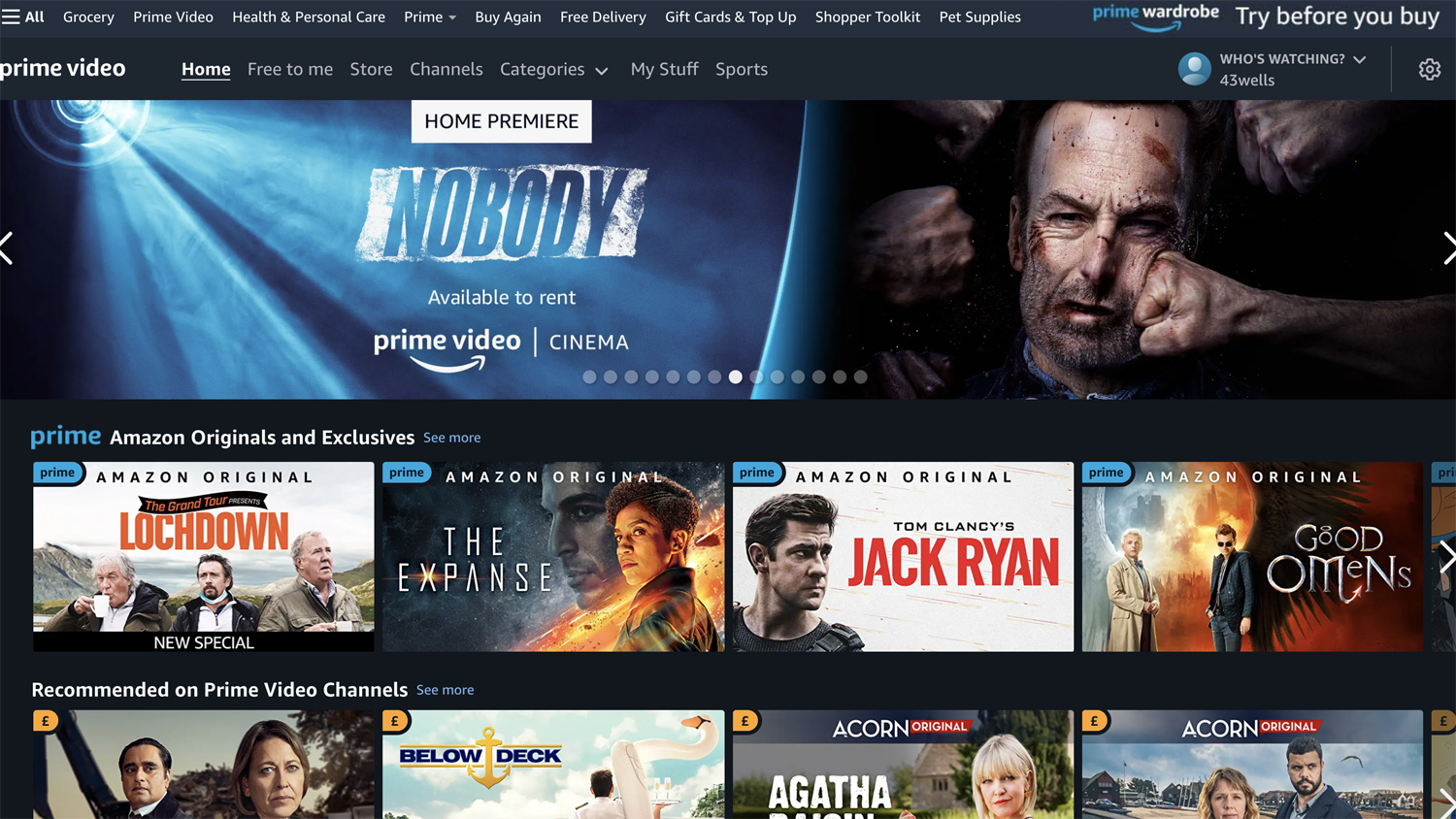
Prime Video’s user interface (UI) is designed for ease of use, allowing subscribers to navigate a colossal library with minimal friction. The main interface typically features carousels of featured content, personalized recommendations, and curated collections. Categories are logically organized by genre, new releases, popular titles, and content included with a Prime subscription versus those available for rent or purchase. A robust search function allows users to quickly find specific titles, actors, or directors. The consistent UI across different platforms – whether on a smart TV, desktop browser, or mobile app – ensures a familiar and seamless experience, reducing the learning curve for users switching devices.
Recommendation Algorithms
One of the most powerful features of Prime Video is its intelligent recommendation engine. Utilizing sophisticated machine learning algorithms, the platform analyzes a wealth of data points, including a user’s viewing history, search queries, ratings, genre preferences, and even the content watched by users with similar profiles. This data is processed to predict what a user is most likely to want to watch next, presenting tailored suggestions on the homepage and within categories. These algorithms are constantly learning and adapting, refining their suggestions over time to keep users engaged and expose them to new content they might genuinely enjoy, often leading to surprising discoveries beyond their initial preferences.
Profiles and Watchlists
To further personalize the experience, Prime Video supports multiple user profiles within a single account. Each profile maintains its own viewing history, recommendations, and watchlists, ensuring that family members or housemates don’t inadvertently interfere with each other’s personalized feeds. The Watchlist feature allows users to bookmark titles they want to watch later, creating a personalized queue that can be easily accessed. These features not only enhance convenience but also contribute to the richness of the data collected by the recommendation engine, leading to even more precise suggestions for each individual user.
Streaming Technology and Device Compatibility
Delivering high-quality video efficiently across an incredibly diverse range of devices and network conditions is a monumental technical challenge, addressed by advanced streaming technologies.
Adaptive Bitrate Streaming (ABS)
The quality of your internet connection can fluctuate, and Prime Video is engineered to adapt. Adaptive Bitrate Streaming (ABS) is a cornerstone technology that dynamically adjusts the video quality based on the user’s available bandwidth and device capabilities. When your internet speed is high, Prime Video streams in the highest possible resolution (e.g., 4K Ultra HD). If your connection temporarily degrades, the system seamlessly switches to a lower bitrate stream (e.g., 1080p, 720p, or even standard definition) to prevent buffering, and then scales back up when conditions improve. This constant, real-time adjustment ensures a smooth, uninterrupted viewing experience, prioritizing continuity over absolute peak quality when network conditions are suboptimal.
Video Codecs and File Formats
Efficient compression is vital for streaming. Prime Video utilizes advanced video codecs such as H.264 (AVC) and H.265 (HEVC) to compress large video files without significant loss in visual quality. These codecs encode video data into smaller, more manageable sizes, reducing the bandwidth required for streaming. HEVC, in particular, offers superior compression efficiency, making it crucial for delivering 4K Ultra HD content with reasonable bandwidth requirements. Along with video, audio codecs like Dolby Digital Plus and AC-4 are employed to deliver high-fidelity sound, including surround sound and immersive audio formats, further enhancing the cinematic experience.
Multi-Platform Availability
Prime Video’s ubiquity is a testament to its multi-platform strategy. It’s not confined to a single ecosystem but is available across virtually every major streaming device imaginable. This includes smart TVs (Samsung, LG, Sony, etc.), streaming sticks and boxes (Amazon Fire TV, Roku, Apple TV, Google Chromecast), game consoles (PlayStation, Xbox), desktop web browsers, and mobile devices (iOS and Android smartphones and tablets). This broad compatibility is achieved through native app development for each platform, leveraging specific hardware capabilities and operating system features to optimize performance and user experience on each device.
Offline Viewing Capabilities
Recognizing that internet access isn’t always reliable or available, Prime Video offers an offline viewing feature. Subscribers can download selected titles directly to their mobile devices or tablets via the Prime Video app. This capability is particularly useful for travelers, commuters, or anyone in areas with limited connectivity. The downloaded content is encrypted and has a time limit for viewing, typically expiring after a certain period or once playback has started, adhering to licensing agreements and DRM protocols.
Enhancing the Viewing Experience
Beyond core functionality, Prime Video continuously integrates innovative features to enrich the user’s interaction with content, pushing the boundaries of what a streaming service can offer.
X-Ray Integration
A standout feature unique to Prime Video is X-Ray, which deeply integrates with IMDb (Internet Movie Database, also owned by Amazon). While watching a title, X-Ray allows users to pause the video or tap their screen to instantly access information about the actors on screen, the song playing, trivia, goofs, and behind-the-scenes facts. This dynamic, contextual information is pulled directly from IMDb’s vast database and presented as an overlay, offering an engaging way for viewers to learn more about the content they’re consuming without ever leaving the viewing experience.
Ultra HD, HDR, and Spatial Audio
For viewers with compatible hardware, Prime Video delivers a truly premium visual and auditory experience. A growing library of content is available in 4K Ultra HD (UHD), offering four times the resolution of standard 1080p Full HD, resulting in incredibly sharp and detailed images. High Dynamic Range (HDR) technologies, such as HDR10, HDR10+, and Dolby Vision, further enhance the picture quality by expanding the range of colors, contrast, and brightness, making scenes appear more vibrant and lifelike. Complementing this visual fidelity, Prime Video supports advanced audio formats like Dolby Atmos and DTS-HD, providing immersive spatial audio that creates a three-dimensional soundscape, drawing viewers deeper into the story.
Accessibility Features
Prime Video is committed to making its content accessible to a wider audience. It offers comprehensive accessibility features, including closed captions and subtitles in multiple languages for the hearing impaired or non-native speakers. Audio descriptions provide narrated information about key visual elements on screen for visually impaired users. Additionally, features like adjustable playback speed and keyboard shortcuts contribute to a more inclusive viewing experience, ensuring that diverse users can comfortably enjoy the platform’s offerings.
The Evolving Future of Prime Video Tech
The landscape of streaming technology is ever-changing, and Prime Video continues to innovate, exploring new frontiers in content delivery, personalization, and interactive experiences.
AI-Powered Content Creation and Enhancement
While currently focused on recommendations, AI’s role is expanding. In the future, we might see AI assisting in various stages of content creation, from script analysis to generating visual effects or even dynamic content elements tailored to individual viewers. AI could also enhance content post-production, for instance, by intelligently upscaling older content to modern resolutions or optimizing audio for different device speakers, further elevating the quality without manual intervention.
Interactivity and Live Streaming
Prime Video has already dabbled in live sports streaming and interactive elements for some content. The future likely holds a deeper integration of these features, offering more live events, interactive narratives where viewers make choices that affect the storyline, or even social viewing experiences where users can engage with friends and creators in real-time. This moves beyond passive consumption to active participation, leveraging Amazon’s broader ecosystem for deeper engagement.
Cloud-Based Infrastructure Scalability
Underpinning all these advancements is Amazon Web Services (AWS). Prime Video’s reliance on AWS provides immense scalability, allowing it to handle sudden surges in demand – such as during a major sporting event or the release of a highly anticipated original series – without service interruption. As streaming demands continue to grow, the ability to dynamically scale its cloud infrastructure will remain paramount, ensuring that the platform can efficiently deliver content to an ever-expanding global user base and support future technological innovations without hitting performance bottlenecks.
In conclusion, Prime Video’s seemingly simple “play” button belies a sophisticated technological marvel. From its global CDN infrastructure and robust DRM systems to its intelligent recommendation algorithms and adaptive streaming capabilities, every aspect is meticulously engineered to provide a seamless, high-quality, and personalized entertainment experience. As technology evolves, so too will Prime Video, continually refining its systems to keep pace with user expectations and the ever-advancing possibilities of digital media.
aViewFromTheCave is a participant in the Amazon Services LLC Associates Program, an affiliate advertising program designed to provide a means for sites to earn advertising fees by advertising and linking to Amazon.com. Amazon, the Amazon logo, AmazonSupply, and the AmazonSupply logo are trademarks of Amazon.com, Inc. or its affiliates. As an Amazon Associate we earn affiliate commissions from qualifying purchases.