
In the intricate and often volatile world of global finance, leadership at the helm of an institution as vast and influential as Bank of America is a role of immense responsibility, strategic foresight, and relentless scrutiny. The question “Who is the CEO of Bank of America?” points directly to the individual steering one of the world’s largest financial services companies, a figure whose decisions ripple through markets, affect millions of customers, and significantly impact the broader economy.
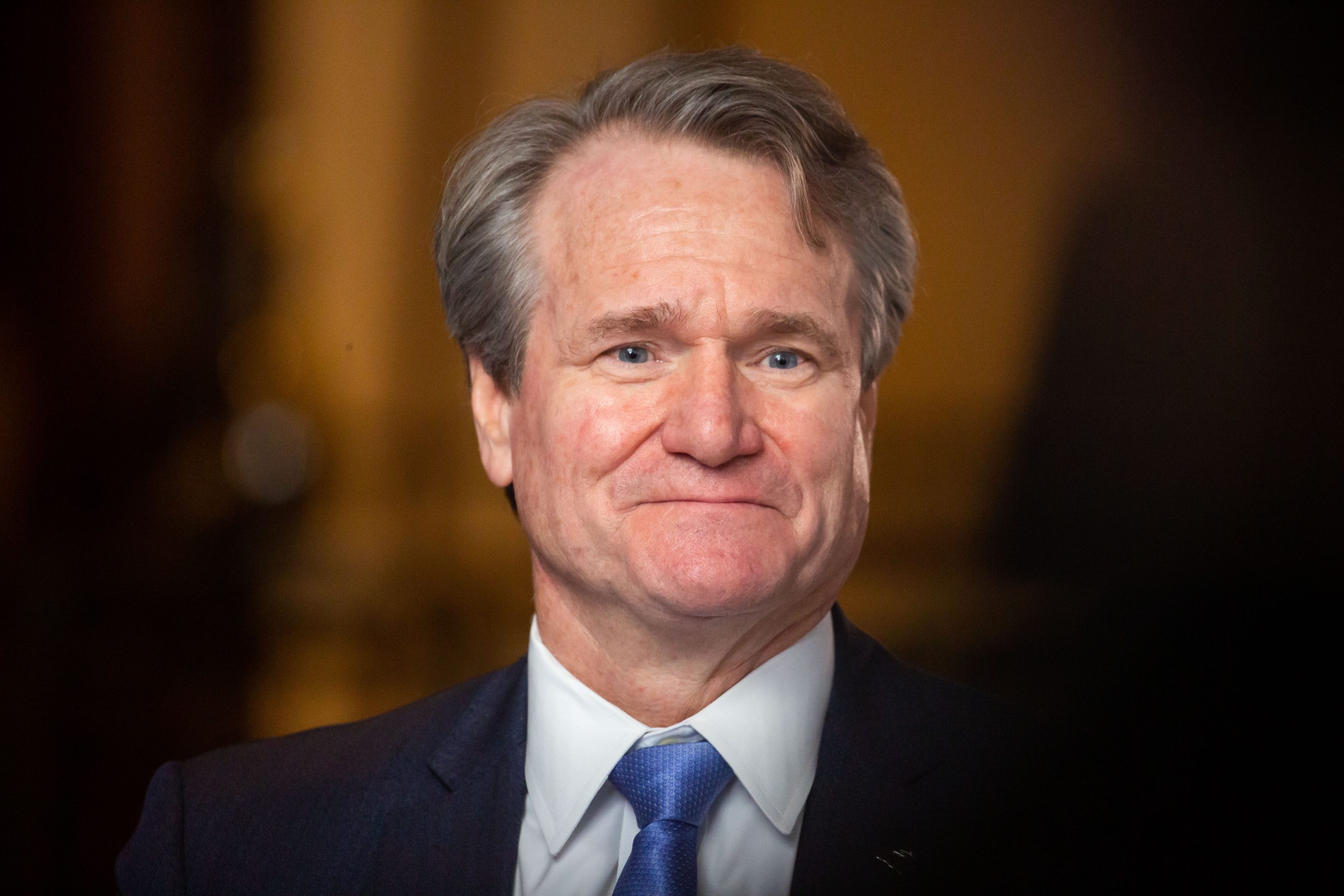
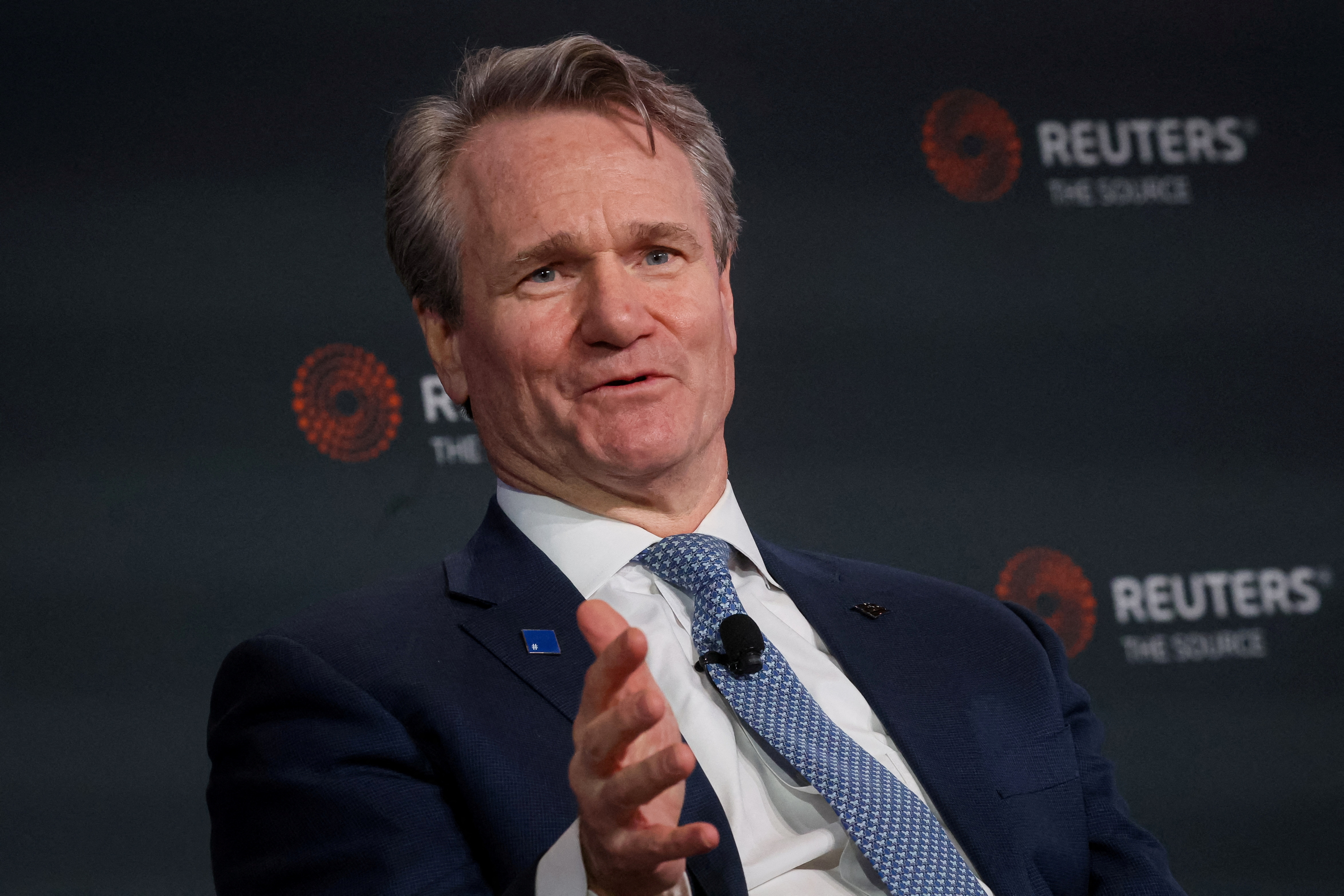
The current Chairman and Chief Executive Officer of Bank of America is Brian Moynihan. Appointed CEO in January 2010 and Chairman in 2014, Moynihan has led the bank through a transformative decade marked by post-financial crisis recovery, stringent new regulations, unprecedented digital acceleration, and a shifting global economic landscape. His tenure provides a compelling case study in the complexities of managing a financial titan within the “Money” domain, encompassing business finance, investment strategy, and economic impact. Understanding his leadership means delving into the strategic choices, financial performance, and ethical considerations that define modern banking.

The Architect of Stability: Brian Moynihan’s Tenure
Brian Moynihan’s appointment came at a critical juncture for Bank of America and the entire financial industry. The echoes of the 2008 financial crisis were still resonating, and the bank faced significant challenges, including the integration of Merrill Lynch and Countrywide Financial, substantial legacy litigation issues, and a public trust deficit. His leadership has been defined by a methodical approach to de-risking, streamlining operations, and repositioning the bank for sustainable, responsible growth.
From Crisis to Resurgence: Charting the Path
Upon taking the top job, Moynihan inherited a complex organization grappling with immense legal liabilities and a fragmented operational structure resulting from aggressive acquisitions made prior to the crisis. His immediate priority was to simplify the bank, resolve the outstanding litigation, and bolster its capital position. This involved divesting non-core assets, aggressively building reserves, and focusing intensely on expense management. These were not popular moves in the short term, often leading to reduced earnings and a subdued stock performance compared to some peers initially. However, these foundational steps were crucial for establishing a solid financial bedrock.
Under Moynihan, Bank of America committed billions to settle mortgage-related issues, clearing a path for future stability. This period of intense restructuring and capital build-up laid the groundwork for the bank to meet stringent new regulatory requirements, such as Basel III, well ahead of schedule. By systematically addressing legacy issues and strengthening the balance sheet, Moynihan pivoted the bank from a defensive posture to one of cautious optimism, preparing it for the next phase of growth. This disciplined, long-term financial strategy demonstrates a clear focus on corporate resilience and prudent capital management, core tenets of sound business finance.
Strategic Focus: Responsible Growth and Digital Innovation
With the balance sheet stabilized, Moynihan articulated a strategy of “Responsible Growth,” a framework emphasizing sustainable, client-centric expansion. This strategy isn’t merely about increasing revenue but doing so in a manner that creates shared value for shareholders, clients, employees, and communities. It encompasses four key pillars: growing market share, operating with discipline, managing risk, and being a great place to work.
A significant component of this strategy has been a massive investment in digital transformation. Recognizing that the future of banking is intrinsically linked to technology, Moynihan spearheaded initiatives to enhance mobile and online banking platforms, integrate AI into customer service, and digitize internal operations. These investments have not only improved customer experience and operational efficiency but have also allowed the bank to scale its services more effectively and reduce costs over time. For instance, the widespread adoption of digital channels has reduced the reliance on traditional branch networks, allowing for strategic re-evaluation of physical footprints and reallocating resources to higher-value activities. From an investment perspective, this focus on technological superiority is a critical factor for analysts assessing the bank’s long-term competitive advantage and efficiency ratios within the financial sector.
Bank of America’s Financial Ecosystem and Global Reach
Under Moynihan’s leadership, Bank of America has solidified its position as a diversified financial services powerhouse, operating across various segments that cater to individuals, businesses, and institutional clients worldwide. Understanding its structure is key to appreciating the “Money” aspects of its operations, from consumer finance to complex global investment banking.
Core Business Segments: Driving Revenue and Profitability
Bank of America’s operations are primarily organized into four key segments:
- Consumer Banking: This segment serves individual consumers and small businesses, offering a wide array of products and services, including checking and savings accounts, credit cards, mortgages, and auto loans. It’s a massive revenue generator, driven by deposit growth and lending volume.
- Global Wealth & Investment Management (GWIM): Encompassing Merrill and Bank of America Private Bank, GWIM provides wealth management, brokerage, and retirement services to affluent and high-net-worth clients. This segment’s profitability is often linked to market performance and asset under management growth, demonstrating the bank’s significant role in the investing landscape.
- Global Banking: This segment offers lending, treasury management, and other financial services to large corporations, middle-market companies, and institutional clients. It includes commercial lending, global transaction services, and corporate banking.
- Global Markets: This segment provides sales and trading services, as well as research, to institutional clients across fixed income, currencies, commodities, and equities. It is heavily influenced by market volatility and client trading activity, playing a critical role in the functioning of global capital markets.
Moynihan’s strategy has aimed to leverage the synergy between these segments, encouraging cross-selling and providing a comprehensive financial ecosystem for clients. This integrated approach not only diversifies revenue streams but also strengthens client relationships, leading to more stable and predictable earnings—a crucial metric for investors.
Navigating the Regulatory Landscape and Economic Cycles
The post-crisis era brought an unprecedented wave of financial regulation aimed at preventing future systemic failures. Moynihan and his team have had to skillfully navigate complex rules like Dodd-Frank, CCAR (Comprehensive Capital Analysis and Review), and various international standards. Compliance with these regulations requires significant investment in risk management systems, internal controls, and reporting infrastructure. From a business finance perspective, this adds to operational costs but also provides a framework for safer, more resilient operations.
Moreover, a CEO of a global bank must continuously adapt to shifting economic cycles, interest rate changes, geopolitical events, and consumer behavior trends. Moynihan’s leadership has seen the bank through periods of low interest rates, economic expansion, and more recently, inflation and rising rates. The bank’s financial performance is intrinsically linked to these macroeconomic forces, with lending profitability highly sensitive to interest rate environments and investment banking activity fluctuating with market sentiment. The ability to forecast, adapt, and manage risk through these cycles is a testament to the CEO’s strategic acumen and the strength of the bank’s financial analysis teams.
The CEO’s Influence on Shareholder Value and Market Perception
For any publicly traded company, the CEO’s ultimate responsibility includes driving shareholder value. Brian Moynihan’s leadership at Bank of America has been scrutinized through this lens, with investors evaluating the bank’s profitability, stock performance, and dividend policies.
Delivering Shareholder Returns Amidst Challenges
After a challenging initial period focused on de-risking and restructuring, Bank of America has, under Moynihan, progressively improved its financial performance. Key metrics like return on assets (ROA), return on equity (ROE), and efficiency ratios have shown consistent improvement. The bank has demonstrated strong earnings power, particularly as interest rates began to rise, benefiting its net interest income. These improvements have translated into a more favorable stock performance and the ability to return capital to shareholders through dividends and share buybacks, subject to regulatory approval.
Moynihan’s disciplined approach to capital management has been central to this. By maintaining robust capital levels, the bank has not only met regulatory requirements but also had the flexibility to invest in its businesses and return excess capital to shareholders. This balancing act – investing for future growth while rewarding current shareholders – is a perpetual challenge for CEOs, particularly in the highly regulated banking sector. For investors, understanding the CEO’s capital allocation strategy is paramount to assessing the stock’s long-term potential.
The Investor’s Lens: Analyzing Leadership and Performance
Investors and financial analysts closely watch Moynihan’s public statements, investor presentations, and strategic pronouncements. His emphasis on “responsible growth” resonates with a market that values sustainable business models over short-term speculative gains. Analysts look for consistency in strategy, clarity in financial reporting, and the ability to execute on stated goals. Factors such as asset quality, loan growth, deposit trends, and non-interest income performance are constantly assessed against competitor benchmarks and market expectations.
Furthermore, a CEO’s commitment to Environmental, Social, and Governance (ESG) principles increasingly influences investor perception and capital flows. Moynihan has been a vocal advocate for sustainable finance, positioning Bank of America as a leader in financing the transition to a low-carbon economy and promoting diversity and inclusion within its workforce and supply chain. This focus on broader stakeholder value, while aligning with ethical considerations, also increasingly impacts the bank’s access to capital from ESG-focused investment funds, thereby directly influencing its “Money” profile.
Beyond the Balance Sheet: Bank of America’s Broader Economic Impact
A financial institution of Bank of America’s size and scope wields significant power beyond its immediate financial statements. Its operations contribute to job creation, community development, and the overall stability of the financial system.
Contributing to Economic Growth and Community Investment
Bank of America plays a vital role in fueling economic growth by providing capital to businesses of all sizes, from small enterprises seeking startup loans to large corporations undertaking major expansion projects. Its lending activities support job creation, innovation, and infrastructure development across numerous sectors. Through its vast network, the bank facilitates transactions, enables international trade, and offers financial planning services that empower individuals to achieve their financial goals.
Under Moynihan, Bank of America has also intensified its commitment to community development. This includes substantial investments in affordable housing, small business support programs, and philanthropic initiatives. Such community investments are not merely corporate social responsibility; they are strategic decisions that strengthen the economic fabric of the communities the bank serves, ultimately fostering a healthier operating environment for its own business. For a bank, the health of its communities directly correlates with its own long-term profitability and stability, making these investments a crucial part of its “Money” strategy.
The Future of Banking: Leadership in a Transformative Era
The financial industry is in a constant state of evolution, driven by technological advancements, changing customer expectations, and emerging global risks. Moynihan’s challenge, and indeed that of any major banking CEO, is to ensure the institution remains agile, innovative, and secure in this dynamic environment. The increasing prominence of fintech, blockchain technology, and new payment systems presents both threats and opportunities.
Bank of America’s strategy under Moynihan has been to embrace innovation, often through internal development and strategic partnerships, rather than resisting change. The focus on digital channels, data analytics, and cybersecurity reflects an understanding that the bank’s future success in the “Money” realm hinges on its ability to leverage technology to deliver superior services and manage risk more effectively. The CEO’s role here is not just about financial performance, but about steering a complex organization through a fundamental transformation of its core business model to remain competitive and relevant in the decades to come.
In conclusion, Brian Moynihan’s leadership as CEO of Bank of America illustrates the multifaceted responsibilities that come with guiding a global financial giant. His tenure has been characterized by a disciplined approach to recovery, a strategic focus on responsible growth and digital innovation, and a profound understanding of the bank’s role in the broader economy. For anyone observing the financial sector, understanding the individual at the helm of such a critical institution provides invaluable insight into the strategic direction of capital, the management of systemic risk, and the future of global finance.
aViewFromTheCave is a participant in the Amazon Services LLC Associates Program, an affiliate advertising program designed to provide a means for sites to earn advertising fees by advertising and linking to Amazon.com. Amazon, the Amazon logo, AmazonSupply, and the AmazonSupply logo are trademarks of Amazon.com, Inc. or its affiliates. As an Amazon Associate we earn affiliate commissions from qualifying purchases.