
In an increasingly digital financial landscape, where transactions happen with the tap of a screen or the swipe of a card, the humble cheque might seem like a relic of a bygone era. Yet, for many essential financial interactions, particularly in the United States, cheques remain a vital and often preferred method of payment. Understanding how to correctly and securely write a cheque, especially if you bank with a major institution like Bank of America, is a fundamental skill that empowers you to manage your personal finances with confidence and precision.

This comprehensive guide will demystify the process of cheque writing, specifically tailored for Bank of America account holders. We’ll delve into why cheques still hold relevance, provide a meticulous step-by-step instruction on filling one out, highlight critical security measures, and place cheque usage within the broader context of your financial toolkit.
The Enduring Relevance of Cheques in a Digital Age
Despite the proliferation of digital payment platforms, mobile banking apps, and contactless transactions, cheques continue to play a significant role in various financial scenarios. For many, they offer a tangible, trackable record of payment, and for certain situations, they are simply the only accepted form of transfer.
Understanding the Basics: What is a Cheque?
At its core, a cheque is a written, dated, and signed instruction to a bank to pay a specified sum of money to a specified person or entity. It’s a physical representation of an authorization to withdraw funds from your bank account and transfer them to another party. For Bank of America customers, this means drawing funds from your checking account and directing Bank of America to facilitate the payment. Each cheque is unique, imprinted with your bank account number and routing number, which are essential for the transaction to be processed correctly.
Why Cheques Still Matter (Specific Scenarios)
While direct deposits and online bill pay have streamlined many routine payments, cheques remain indispensable for specific transactions:
- Rent Payments: Many landlords, especially private ones, still prefer or require rent payments via cheque, citing ease of record-keeping and avoiding processing fees associated with digital platforms.
- Paying Small Businesses or Individuals: For service providers like a local landscaper, tutor, or contractor, a cheque can be a convenient way to pay without needing to exchange bank details or use specific payment apps.
- Gifts and Donations: A cheque provides a formal and traceable way to give monetary gifts or make charitable donations, especially if you wish to avoid transaction fees sometimes associated with online giving.
- Situations Requiring a Physical Record: When a clear, physical paper trail is necessary for legal or accounting purposes, a cheque offers an undeniable record of payment, including the date, amount, and recipient.
- Government and Legal Payments: Some government agencies, courts, or utility providers might still prefer or mandate payments by cheque for certain fines, fees, or taxes.
Bank of America’s Role in Traditional Payments
As one of the largest financial institutions in the United States, Bank of America facilitates millions of cheque transactions daily. They provide robust infrastructure for cheque processing, security, and offer various services related to cheque management, including ordering new chequebooks, stopping payments, and providing detailed transaction histories through online banking and statements. Their commitment to offering diverse payment solutions ensures that both digital and traditional methods like cheques are handled efficiently and securely for their customers.
A Step-by-Step Guide to Filling Out Your Bank of America Cheque
Writing a cheque is a precise process where accuracy is paramount. A single error can lead to delays, bounced cheques, or even financial complications. Follow these steps meticulously to ensure your Bank of America cheque is filled out correctly every time.
Pre-requisites: Your Account and Chequebook
Before you begin, ensure you have:
- A Bank of America Checking Account: Cheques are linked to your checking account.
- A Bank of America Chequebook: Blank cheques issued by Bank of America for your specific account.
- A Pen: Use a pen with permanent ink (blue or black) to prevent alterations.
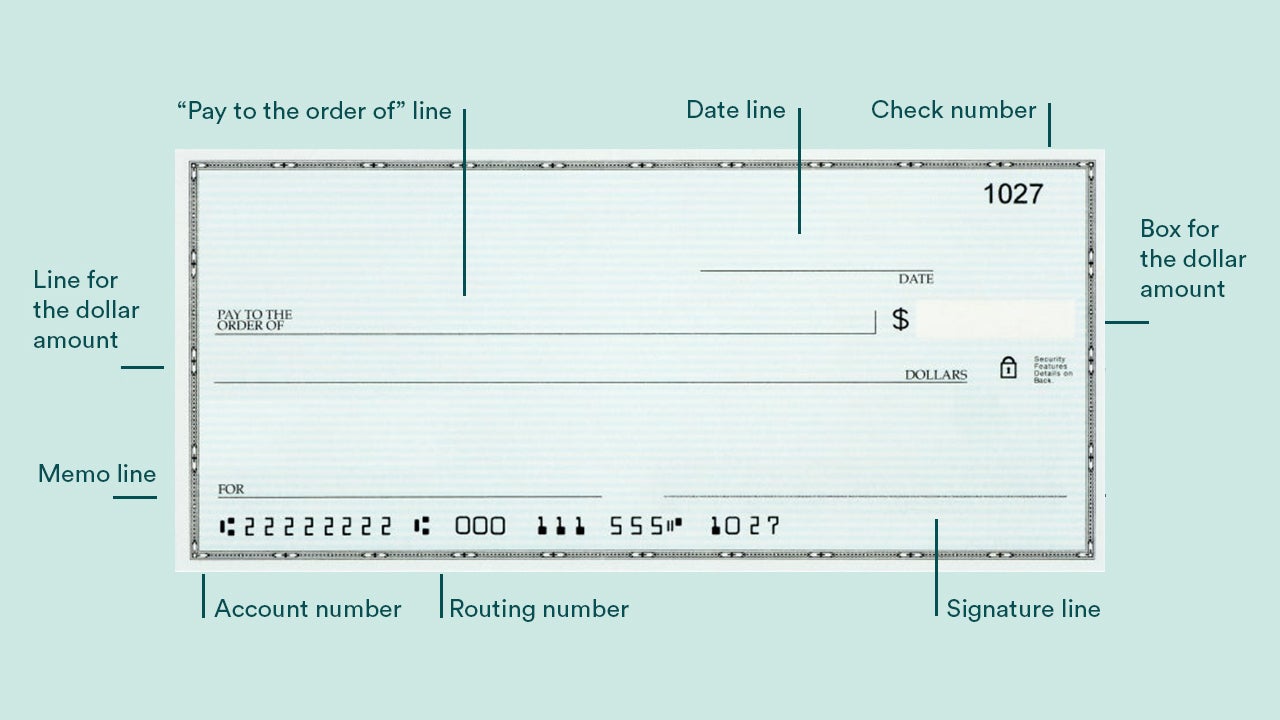
Section 1: The Date (Top Right Corner)
- Location: Look for a line in the upper right-hand corner of the cheque.
- Action: Write the current date (month, day, year). For example, “October 26, 2023” or “10/26/2023.”
- Insight: Dating the cheque correctly is crucial. Post-dating (writing a future date) means the cheque cannot legally be cashed or deposited until that date. Avoid leaving it blank, as this could allow someone to backdate it or enter an incorrect date.
Section 2: The Payee Line (“Pay to the Order of”)
- Location: This line is typically below the date and often starts with “Pay to the Order of” or a similar phrase.
- Action: Clearly write the full legal name of the person or organization you are paying.
- Insight: Be precise. If paying a company, use their official name (e.g., “Pacific Gas & Electric” not just “PG&E”). If paying an individual, use their full name. Avoid abbreviations if possible, to prevent ambiguity.
Section 3: The Numeric Amount Box (Small Box to the Right of the Payee Line)
- Location: This is a small box, usually next to the payee line, often preceded by a dollar sign ($).
- Action: Write the amount of the payment in numerals.
- Insight: Write clearly and fill the entire space to prevent fraudulent alteration. For example, if paying “500 dollars and no cents,” write “500.00.” If paying “500 dollars and 75 cents,” write “500.75.” For amounts with cents, always include the cents, even if it’s “.00”.
Section 4: The Written Amount Line (Below the Payee Line)
- Location: This is a long line below the payee line, often ending with “Dollars.”
- Action: Write out the payment amount in words, matching the numeric amount exactly.
- Insight: This is a crucial security measure. If there’s a discrepancy between the numeric and written amounts, the bank typically honors the written amount.
- For $500.00: Write “Five Hundred and 00/100 Dollars” or “Five Hundred Dollars and 00/100.”
- For $500.75: Write “Five Hundred and 75/100 Dollars.”
- Fill any remaining space on the line with a horizontal line (e.g., “——————“) to prevent additional words from being added.
Section 5: The Memo Line (Bottom Left Corner)

- Location: A small line at the bottom left of the cheque, usually labeled “Memo” or “For.”
- Action: This section is optional but highly recommended. Write a brief note indicating the purpose of the payment (e.g., “October Rent,” “Lawn Care,” “Birthday Gift,” “Invoice #123”).
- Insight: The memo line serves as a personal reminder and helps both you and the recipient keep track of what the payment was for. It is not legally binding in most cases but offers valuable context.
Section 6: Your Signature (Bottom Right Corner)
- Location: The bottom right-hand corner of the cheque, typically above your printed name.
- Action: Sign your legal signature exactly as it appears on file with Bank of America.
- Insight: This is the most critical element. A cheque is not valid without your signature. Ensure your signature is consistent to avoid potential issues.
Ensuring Accuracy and Security When Writing Cheques
Writing a cheque is more than just filling in blanks; it’s about safeguarding your financial interests. Vigilance and adherence to best practices are essential to prevent errors and protect against fraud.
Common Mistakes to Avoid
- Missing Signature: A cheque without a signature is invalid and will be returned unpaid.
- Mismatching Amounts: Ensure the numeric amount matches the written amount. If they differ, the bank will typically defer to the written amount, which can cause confusion or financial shortfalls.
- Incorrect Payee Name: An improperly spelled or incorrect payee name can delay payment or cause the cheque to be rejected.
- Leaving Blanks: Never leave any field blank on a cheque other than the memo line (which is optional). This includes the date, payee, and amounts. Blanks create opportunities for fraudulent alteration.
- Using Erasable Ink: Always use a pen with permanent ink (blue or black) to prevent anyone from erasing and altering the cheque’s details.
- Post-Dating Errors: While permissible, ensure you track post-dated cheques carefully to avoid accidentally spending funds that are designated for a future payment.
Best Practices for Cheque Security
- Store Cheques Securely: Keep your blank chequebook in a safe, private location, away from prying eyes. Treat blank cheques like cash.
- Record Transactions: Immediately after writing a cheque, record the date, cheque number, payee, and amount in your cheque register or preferred financial tracking system. This is crucial for balancing your Bank of America account and monitoring your spending.
- Review Bank Statements: Regularly review your Bank of America statements (online or mailed) to ensure all cheque transactions match your records and that no unauthorized cheques have been processed.
- Never Sign a Blank Cheque: This is a cardinal rule. Signing a blank cheque gives someone else full power to write in any amount and payee, potentially draining your account.
- Guard Your Account Number: Be cautious about sharing your bank account number and routing number, as these appear on your cheques. Only provide them to trusted entities when necessary (e.g., for direct deposit setup).
Special Considerations: Stopping Payment and Voiding Cheques
- Stopping Payment: If you need to cancel a cheque you’ve written (e.g., if it’s lost, stolen, or you’ve had a dispute with the payee), contact Bank of America immediately. There’s typically a fee for this service, and there’s a deadline after which the bank may not be able to stop payment if the cheque has already cleared. You can often initiate a stop payment request through Bank of America’s online banking portal or by calling customer service.
- Voiding a Cheque: If you make a mistake while writing a cheque and want to invalidate it, simply write “VOID” in large letters across the face of the cheque. Do not tear it up or throw it away immediately. Record the voided cheque in your register and keep it for your records, as this prevents it from being used accidentally or fraudulently.
Beyond the Cheque: Navigating Bank of America’s Payment Ecosystem
While mastering cheque writing is invaluable, it’s also important to understand where cheques fit within Bank of America’s broader suite of financial tools. A well-rounded financial strategy leverages the most appropriate payment method for each scenario.
When to Opt for a Cheque Versus Digital Alternatives
Bank of America offers a wide array of payment options, from debit cards and credit cards to online bill pay and Zelle for person-to-person transfers.
- Use Cheques When: The recipient prefers or requires them, a physical paper trail is essential, or for larger, less frequent transactions where the formality of a cheque is beneficial.
- Use Digital Payments (Bank of America Online Bill Pay, Zelle, Debit Card) When: Speed is a priority, recurring payments need automation, paying businesses that accept electronic payments, or for immediate, smaller person-to-person transfers. Bank of America’s digital tools offer convenience, often with instant transaction records and notifications.
Understanding the strengths of each method allows you to make informed decisions that enhance both convenience and security.
Ordering Cheques and Managing Your Account with Bank of America
If you’re running low on cheques or need to order your first chequebook, Bank of America offers several convenient options:
- Online Banking: The easiest method is usually through your Bank of America online banking account. Navigate to the section for account services or cheque orders.
- Bank of America Mobile App: Similar functionality is available through their robust mobile application.
- In-Person at a Branch: You can visit any Bank of America branch, and a representative can assist you with ordering cheques.
- By Phone: Contact Bank of America customer service directly to place an order.
Remember that there is typically a cost associated with ordering new cheques, and delivery times can vary.
The Future of Payments and Your Financial Toolkit
The financial world is dynamic, with new payment technologies constantly emerging. While cheques may eventually recede further into niche uses, their current importance is undeniable. As a Bank of America customer, understanding how to utilize both traditional methods like cheques and modern digital tools effectively ensures you have a comprehensive and adaptable financial toolkit. Staying informed about your bank’s offerings and practicing good financial hygiene are key to navigating your personal finance journey successfully.
Final Thoughts: Mastering Your Financial Transactions
Mastering the art of writing a cheque is a foundational skill in personal finance, even in our digital age. For Bank of America account holders, this knowledge empowers you to handle specific transactions with confidence, security, and a clear understanding of your financial responsibilities. By meticulously following each step, prioritizing security, and knowing when to use a cheque versus other payment methods, you’re not just writing a piece of paper; you’re executing a fundamental financial transaction that forms a vital part of your overall money management strategy. Keep your records straight, stay vigilant, and continue to explore all the financial tools Bank of America offers to build a robust and secure financial future.
aViewFromTheCave is a participant in the Amazon Services LLC Associates Program, an affiliate advertising program designed to provide a means for sites to earn advertising fees by advertising and linking to Amazon.com. Amazon, the Amazon logo, AmazonSupply, and the AmazonSupply logo are trademarks of Amazon.com, Inc. or its affiliates. As an Amazon Associate we earn affiliate commissions from qualifying purchases.