
In an increasingly complex economic landscape, even the most diligent personal financial planning can be blindsided by unforeseen circumstances. Job loss, illness, unexpected expenses, or stagnant wages can rapidly erode savings and plunge individuals and families into food insecurity. When the tightrope walk of monthly budgeting becomes an impossible feat, food banks emerge not just as a charity, but as a critical financial tool – a lifeline designed to bridge the gap between insufficient resources and the fundamental human need for nourishment. Far from being a last resort for a select few, accessing a food bank is a pragmatic and often necessary step in managing personal finances during periods of hardship, ensuring that essential dietary needs are met when funds are diverted to rent, utilities, or medical bills. This guide delves into the practicalities of utilizing food bank services, framing them within the broader context of personal financial management and resilience.
Understanding the Lifeline: What Food Banks Represent in Personal Finance
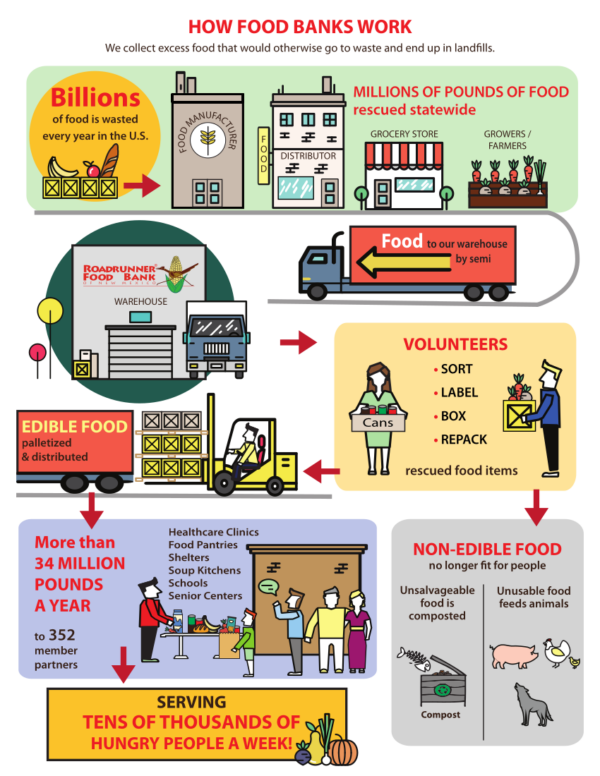
To truly appreciate the value of food banks, it’s essential to understand their multifaceted role beyond simple charity. They are integral components of a community’s safety net, playing a pivotal part in the personal finance strategies of those facing economic precarity.
The Nexus of Food Insecurity and Financial Stability
Food insecurity—the state of being without reliable access to a sufficient quantity of affordable, nutritious food—is inextricably linked to financial instability. When a household struggles to afford food, it’s often a symptom of deeper financial challenges. Every dollar not spent on groceries due to food bank assistance can instead be allocated to other critical expenses: keeping the lights on, maintaining a roof overhead, or affording essential medication. This reallocation directly impacts a family’s financial stability, preventing a cascade of further financial crises. Food banks, therefore, act as a temporary but vital subsidy, directly easing the strain on a household budget and allowing for greater financial maneuvering in tough times. They prevent the impossible choice between food and rent, illustrating their profound financial impact.
Dispelling Misconceptions and Embracing Support
A significant barrier to accessing food bank services is often the pervasive stigma associated with needing help. Many individuals mistakenly believe that food banks are exclusively for those experiencing extreme homelessness or abject poverty, or that seeking assistance indicates personal failure. This perception is profoundly inaccurate and counterproductive. In reality, food banks serve a diverse cross-section of society: working families struggling with low wages, seniors on fixed incomes, individuals with disabilities, veterans, and those experiencing temporary setbacks. The decision to seek food assistance is not a sign of weakness, but an act of responsible financial management and self-preservation. Embracing this support is a pragmatic response to economic challenges, enabling households to maintain their health and dignity while navigating difficult financial periods. Food banks are designed to be accessible and supportive, encouraging anyone in need to reach out without shame.
Who Benefits: A Broad Spectrum of Need
The demographic profile of food bank users is far broader than commonly perceived. It includes single-parent households striving to make ends meet, young professionals grappling with student loan debt and stagnant entry-level wages, and even those recovering from unexpected medical emergencies that have depleted their savings. A sudden car repair or a reduction in work hours can quickly push a family from financial stability to the brink of food insecurity. Food banks cater to these varied circumstances, understanding that need can arise from countless scenarios, temporary or prolonged. By supporting a wide range of individuals and families, food banks uphold community health and economic resilience, ensuring that foundational needs are met, irrespective of the specific trigger for financial strain. They are a community resource available to anyone navigating the harsh realities of a tight personal budget.
Your Step-by-Step Guide to Accessing Food Bank Services
Understanding why food banks are important is the first step; knowing how to access them is the practical application of this knowledge. The process is typically designed to be as straightforward and dignified as possible.
Identifying Local Food Banks and Pantries
The initial step is to locate the food assistance providers nearest to you. Several national and local resources can help:
- Feeding America: As the largest hunger-relief organization in the United States, Feeding America operates a comprehensive network of 200 food banks and 60,000 food pantries and meal programs. Their website (feedingamerica.org) offers a robust “Find Food” tool where you can enter your zip code to locate nearby resources.
- Local Government Websites: Many city or county government websites, particularly those focusing on social services or public health, will list local food pantries and community meal programs.
- 211 Services: This is a vital national resource, accessible by simply dialing 2-1-1. It connects callers to local community services, including food assistance, housing, utilities, and healthcare. Operators are trained to provide referrals and information tailored to your specific needs.
- Religious Institutions and Community Centers: Many churches, synagogues, mosques, and local community centers run their own food pantries or host distribution events. A quick online search for “food pantry near me” or “community food assistance [your city]” often yields relevant results.
- Social Workers or School Counselors: If you or your children are already connected with social services or the school system, these professionals are often excellent sources of information regarding local assistance programs.
When you identify a potential food bank or pantry, it’s wise to call ahead. Hours of operation, distribution schedules, and specific requirements can vary significantly.
Navigating Eligibility Requirements and Documentation
While the goal of food banks is to provide accessible support, most have basic eligibility criteria and may require certain documentation. This is often to ensure resources are distributed fairly and to report on who they are serving.
- Income Guidelines: Many food banks adhere to federal poverty guidelines or a percentage thereof (e.g., 185% of the Federal Poverty Level). However, some operate with more flexible criteria, focusing on demonstrated need rather than strict income cutoffs. Don’t self-disqualify; inquire directly.
- Proof of Residency: You may be asked for proof that you live within a certain service area, often a utility bill, a lease agreement, or a piece of mail with your address.
- Identification: A valid form of ID (driver’s license, state ID, passport) may be required for the head of household.
- Proof of Household Members: To determine appropriate portion sizes, you might need to provide identification for other household members (e.g., birth certificates for children, health insurance cards).
- Self-Declaration: Some food pantries, especially smaller ones, operate on a self-declaration model where you attest to your need without extensive documentation.
It’s crucial to confirm these requirements when you contact a food bank. Gathering necessary documents beforehand can make the process smoother and faster. Remember, these requirements are typically for administrative purposes, not to deter genuine need.
Understanding Distribution Methods and Expectations
Food banks and pantries utilize various methods to distribute food, each with its own rhythm and set of expectations:
- Walk-in/Drive-thru Distributions: Many pantries offer specific days and times when individuals can simply show up. For drive-thrus, volunteers load pre-packed boxes or allow selection of items directly into your vehicle. For walk-ins, you might receive a pre-packed bag or shop in a “client choice” pantry, similar to a small grocery store.
- Appointment-Based Systems: To manage crowds and ensure personalized service, some food banks require appointments. This can reduce waiting times and allow staff to better cater to dietary restrictions or preferences.
- Home Delivery: For individuals who are homebound, elderly, or have mobility issues, some food banks offer home delivery services, often requiring prior registration and eligibility verification.
- Community Meals: Beyond groceries, many organizations offer prepared meals in soup kitchens or community dining halls, providing immediate sustenance and often a sense of community.
When accessing food, remember to be patient and courteous. Volunteers work tirelessly to serve their communities. Bring your own reusable bags or sturdy boxes if possible, especially for larger distributions. Inquire about the types of food typically offered and if they can accommodate any specific dietary needs or allergies, although this may not always be possible given resource constraints.
Maximizing Support: Beyond Basic Food Assistance
Accessing a food bank is often the first step in addressing food insecurity, but it can also open doors to a wider network of support that further enhances your financial stability and well-being.

Strategic Meal Planning with Food Bank Provisions
The contents of a food bank box can vary, often including shelf-stable items, canned goods, pasta, rice, and sometimes fresh produce, dairy, or frozen meats. To maximize these provisions, strategic meal planning is key.
- Inventory and Assessment: Upon receiving your food, take an inventory of what you have. Note expiration dates and prioritize items that need to be used sooner.
- Recipe Flexibility: Be open to adapting recipes based on available ingredients. A quick search for “recipes with canned beans and rice” can yield many creative and nutritious ideas.
- Batch Cooking: Prepare larger quantities of staple items like grains or cooked beans, which can be incorporated into multiple meals throughout the week.
- Nutritional Balance: Aim for a balance of proteins, carbohydrates, and fruits/vegetables. Even with limited ingredients, conscious combinations can create healthier meals.
- Food Preservation: If you receive fresh produce in larger quantities, consider simple preservation methods like freezing chopped vegetables or making sauces that can be frozen.
By thoughtfully planning and preparing meals, you not only make the most of the food received but also reduce food waste, further optimizing your household budget.
Connecting with Complementary Financial and Social Services
Food insecurity rarely exists in isolation; it’s often intertwined with other financial stressors. Many food banks and their partner organizations offer or can refer you to additional services that address these underlying issues.
- Financial Literacy and Counseling: Some food banks partner with organizations offering free financial counseling, budgeting workshops, debt management advice, or tax preparation assistance. Learning to manage limited funds more effectively is a powerful step towards long-term financial resilience.
- Employment Assistance: Help with resume writing, job searching, interview skills, or vocational training can be invaluable for securing stable employment and increasing income.
- Housing Assistance: Referrals to housing support programs, eviction prevention services, or utility bill assistance can alleviate significant financial burdens.
- Healthcare Resources: Access to affordable healthcare, mental health services, or health insurance enrollment assistance can prevent medical emergencies from spiraling into financial catastrophe.
Always inquire if the food bank offers or knows of other support services. This holistic approach can tackle the root causes of financial instability, providing a pathway to greater self-sufficiency.
Integrating Other Food Assistance Programs (SNAP, WIC)
Food banks are a critical resource, but they are often meant to supplement, not entirely replace, a household’s food supply. Combining food bank support with other government-funded programs can create a more robust safety net.
- SNAP (Supplemental Nutrition Assistance Program): Formerly known as food stamps, SNAP provides eligible low-income individuals and families with financial assistance to purchase groceries. Applying for SNAP should be a priority if you qualify, as it offers consistent, flexible purchasing power.
- WIC (Special Supplemental Nutrition Program for Women, Infants, and Children): WIC provides nutritious foods, nutrition education, and healthcare referrals to pregnant women, new mothers, infants, and young children who are at nutritional risk.
- School Meal Programs: Ensure children are enrolled in free or reduced-price school lunch and breakfast programs, which significantly lighten the burden of providing meals during the school week.
- Farmers Market Nutrition Programs: Some states offer programs that allow SNAP or WIC recipients to receive additional vouchers for fresh produce at local farmers’ markets.
Leveraging these programs in conjunction with food bank assistance ensures a more comprehensive approach to food security and further eases the strain on your personal budget.
Long-Term Financial Resilience: Moving Beyond Immediate Aid
While food banks provide immediate relief, the ultimate goal for individuals and families is to achieve long-term financial resilience and food security, minimizing the need for ongoing assistance.
Budgeting and Financial Planning While Receiving Support
Even when receiving food assistance, effective budgeting remains paramount. The relief provided by food banks frees up funds that can be strategically reallocated.
- Revisit Your Budget: Adjust your budget to reflect the savings on groceries. Allocate these freed-up funds to high-priority areas like debt reduction, emergency savings, or essential bills that were previously challenging to meet.
- Prioritize Savings: Even small, consistent savings can begin to build an emergency fund, providing a crucial buffer against future financial shocks.
- Track Expenses Diligently: Continue to monitor all expenditures closely to identify areas for further savings and ensure adherence to your adjusted budget.
- Set Realistic Goals: Work towards specific financial goals, such as paying off a high-interest credit card, saving for a security deposit, or investing in a skill that could lead to higher income.
By integrating food bank assistance into a proactive financial plan, you transform temporary relief into a stepping stone towards lasting financial stability.
Building Sustainable Food Security Strategies
Beyond managing immediate needs, consider long-term strategies to enhance your household’s food security.
- Skill Development: Invest in cooking skills that maximize inexpensive ingredients and reduce food waste. Learning to cook from scratch can be more cost-effective than relying on convenience foods.
- Gardening: If space and climate permit, a small home or community garden can provide fresh produce, reducing grocery bills and promoting healthy eating.
- Bulk Buying (Strategically): When financially feasible, purchasing shelf-stable staples in bulk from discount stores can offer significant long-term savings.
- Community Food Initiatives: Engage with local food co-ops, community-supported agriculture (CSA) programs, or gleaning initiatives that make fresh, affordable food accessible.
These strategies contribute to a more self-reliant approach to food provision, lessening dependence on external aid over time.

The Role of Community and Advocacy in Financial Well-being
Finally, remember that food insecurity is a societal issue, not merely an individual one. Engaging with your community and advocating for systemic change can contribute to a stronger social safety net for everyone.
- Volunteerism: If your situation improves, consider volunteering at a local food bank. Giving back fosters a sense of community and provides valuable insight into the operations of these vital services.
- Advocacy: Support policies that address poverty, increase access to affordable housing, promote fair wages, and strengthen social safety net programs. Contacting elected officials or supporting relevant non-profits can contribute to a more equitable society where fewer people face food insecurity.
- Sharing Knowledge: Share your experiences and knowledge with others who might be struggling, helping to normalize the act of seeking assistance and connecting them with resources.
Accessing a food bank is a dignified, practical, and often necessary step in managing personal finances during times of hardship. By understanding the resources available, navigating the process effectively, and leveraging additional support, individuals and families can not only overcome immediate food insecurity but also build a stronger foundation for long-term financial resilience. It’s a testament to community solidarity and a vital tool in the journey towards economic stability.
aViewFromTheCave is a participant in the Amazon Services LLC Associates Program, an affiliate advertising program designed to provide a means for sites to earn advertising fees by advertising and linking to Amazon.com. Amazon, the Amazon logo, AmazonSupply, and the AmazonSupply logo are trademarks of Amazon.com, Inc. or its affiliates. As an Amazon Associate we earn affiliate commissions from qualifying purchases.