
In the complex landscape of personal and business finance, cashier’s checks hold a unique and often misunderstood position. Regarded as one of the most secure forms of payment, they offer a level of assurance that personal checks cannot match. Yet, the very features that make them secure – the bank’s guarantee of funds – also make their cancellation a significantly more intricate process than simply stopping payment on a personal check. For anyone who has ever found themselves in a situation requiring the cancellation of a cashier’s check, the journey can be fraught with bureaucratic hurdles, specific legal requirements, and a considerable amount of patience.
This comprehensive guide aims to demystify the process of canceling a cashier’s check, providing a clear roadmap for individuals and businesses navigating this challenging financial operation. We will delve into the fundamental nature of cashier’s checks, explain why cancellation is so difficult, and outline the exact steps you need to take. From understanding the critical role of indemnity bonds to exploring various scenarios and preventive measures, this article will equip you with the knowledge needed to approach your bank effectively and, hopefully, retrieve your funds. While the process is rarely simple, understanding the mechanics can significantly improve your chances of a successful outcome.
Understanding Cashier’s Checks and Their Irrevocability
To grasp the complexities of cancellation, it’s crucial to first understand what a cashier’s check is and why it functions differently from other payment instruments. This foundational knowledge will shed light on the bank’s perspective and the regulatory framework governing these transactions.
What is a Cashier’s Check?
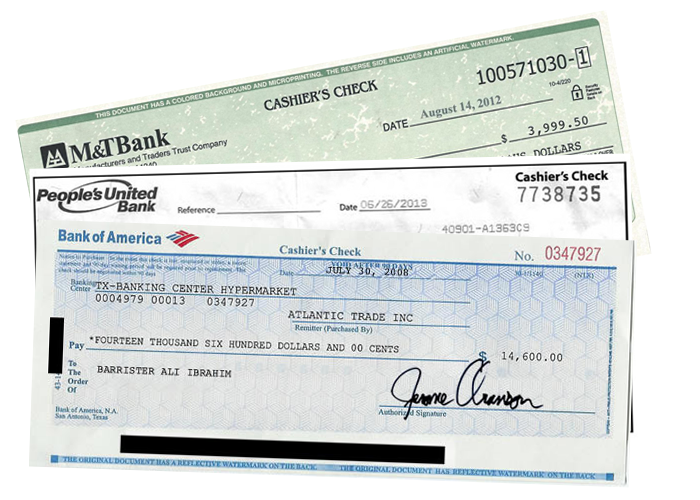
A cashier’s check is a check guaranteed by the issuing bank, not by the account holder. When you purchase a cashier’s check, the funds are immediately withdrawn from your account (or paid in cash) and transferred to the bank’s own account. The bank then issues a check drawn on its own funds, making it a direct obligation of the financial institution. This crucial difference means the payment is guaranteed by the bank itself, offering the recipient a high degree of confidence that the check will clear. It’s often required for large transactions, such as real estate purchases, car sales, or business dealings where a personal check’s reliability is insufficient.
Why are Cashier’s Checks Considered “Guaranteed Funds”?
The primary reason cashier’s checks are considered “guaranteed funds” is that the money has already been debited from the purchaser’s account and set aside by the bank. The bank is essentially vouching for the availability of the funds, taking on the liability itself. This contrasts sharply with a personal check, where the payment is contingent on the drawer having sufficient funds in their account at the time of presentation. This guarantee makes cashier’s checks highly attractive to payees who want to minimize the risk of bounced checks or payment delays, reinforcing their role in high-value transactions. The bank’s reputation stands behind every cashier’s check it issues, which is why they are often preferred for critical financial exchanges.
The Fundamental Challenge of Cancellation
The inherent “guaranteed funds” nature of a cashier’s check is precisely what makes its cancellation so difficult. Once issued, the bank has committed to paying the stated amount. Stopping payment on a cashier’s check is not a simple administrative task like it is with a personal check. The Uniform Commercial Code (UCC) Article 3, which governs negotiable instruments, generally prohibits banks from unilaterally stopping payment on a cashier’s check at the request of the purchaser. The bank’s obligation is to the payee, not the purchaser, once the check has been issued. This legal framework protects the integrity of the banking system and the reliability of cashier’s checks as a payment method. Therefore, any attempt to cancel must overcome this fundamental legal and operational hurdle, often requiring specific conditions to be met.
The Initial Steps to Attempt Cancellation
While challenging, canceling a cashier’s check is not entirely impossible. The process typically begins with immediate action and thorough communication with the issuing bank.
Contacting the Issuing Bank Immediately
The very first and most critical step is to contact the bank that issued the cashier’s check as soon as you realize a cancellation is necessary. Time is of the essence. The quicker you act, the higher the chance that the check has not yet been deposited or cashed by the payee. You should contact their customer service line or, even better, visit a branch in person. Clearly explain your situation, providing all relevant details such as the check number, date of issue, amount, payee’s name, and the reason for the cancellation request. The bank will initiate a “stop payment” inquiry, though this is distinct from a typical stop payment order on a personal check and typically functions more as an alert. They will inform you of their specific policies and the next steps required.
Gathering Necessary Documentation
Banks will require comprehensive documentation to process any cancellation request for a cashier’s check. Before contacting them, or immediately after, gather the following:
- Proof of Purchase: The original receipt for the cashier’s check, which includes the check number, date, amount, and payee’s name. This is crucial for verifying you are the legitimate purchaser.
- Your Identification: A government-issued ID (driver’s license, passport) to confirm your identity.
- Details of the Transaction: Any supporting documents related to the transaction for which the check was issued. For example, if it was for a purchase that fell through, provide the voided contract or communication indicating the deal is off.
- A Written Statement: Be prepared to provide a written statement detailing why you need to cancel the check. This helps the bank understand the circumstances and can be vital for their internal process and compliance.
Having these documents readily available will streamline the initial stages and demonstrate to the bank that you are serious and prepared.
Understanding Bank Policies and Procedures
Every financial institution may have slightly different policies and procedures for handling cashier’s check cancellations, even if they operate under the same federal and state regulations. It’s important to ask the bank representative explicitly about their specific requirements. They will likely explain the conditions under which a cancellation might be possible, such as if the check is lost, stolen, or hasn’t been negotiated within a certain timeframe. They will also outline the fees associated with the process, which can sometimes be substantial. Be prepared for a detailed explanation of their indemnity requirements, which are almost universally part of the cancellation process for cashier’s checks that haven’t been returned. Understanding these nuances from the outset will help manage expectations and avoid frustration later on.
The Indemnity Bond: A Key Requirement for Most Cancellations
For the vast majority of cashier’s check cancellation requests, particularly when the check is not physically returned, an indemnity bond becomes a critical, often mandatory, component. This mechanism protects the bank from potential future claims.
What is an Indemnity Bond?
An indemnity bond, in this context, is a legal agreement where you, the purchaser of the cashier’s check, agree to hold the bank harmless if the original check is eventually presented and paid. By signing an indemnity agreement (or providing an indemnity bond from a surety company), you guarantee that if the bank pays you back the funds and then the original check surfaces and is legitimately presented for payment, you will reimburse the bank for that amount. This effectively shifts the financial risk from the bank back to you, the requestor. It’s a formal acknowledgment that the bank is making an exception to its usual policy and needs to be protected from double payment liability.
When is an Indemnity Bond Required?
An indemnity bond is almost always required when:
- The cashier’s check is lost or stolen: The check is no longer in your possession, and there’s a risk it could be found and negotiated by an unauthorized party.
- The cashier’s check has not been returned: You sent the check to a payee, but the deal fell through, and the payee has not yet returned the physical check to you. The bank cannot verify that the check has not been deposited.
- The check has not yet expired: Cashier’s checks generally do not have a hard expiration date, but banks may consider them stale after a certain period (e.g., 90 days to several years). If the check is still considered “current,” an indemnity bond is standard.
The bank uses the indemnity bond as a safeguard against paying out twice: once to you, the purchaser, and potentially once again to whoever legitimately presents the original check later.
The Cost and Duration of an Indemnity Bond
The cost of an indemnity bond can vary. Some banks may have their own internal indemnity forms that you sign directly with them, which may have no explicit upfront cost but carry a significant future financial obligation. Other times, especially for larger amounts or higher-risk situations, the bank might require you to obtain a surety bond from a third-party insurance company. These third-party bonds come with a premium, typically a percentage of the check’s face value (e.g., 1-3%). The duration of the indemnity bond is also important. Banks are generally protected for a period that aligns with the statute of limitations for negotiable instruments, which can be several years (often five to ten years, depending on state law). During this period, the funds returned to you are technically “conditional,” meaning you remain liable if the original check surfaces.
Risks Associated with Issuing an Indemnity Bond
While an indemnity bond is often the only path to a cancellation, it comes with inherent risks for the purchaser. The primary risk is the contingent liability. If the original cashier’s check is presented for payment after the bank has refunded you and you’ve signed an indemnity agreement, the bank will debit your account for the amount. This could happen if, for example, a lost check is found years later and legitimately deposited. You could find yourself out of pocket for the original amount of the check, even if you’ve long considered the matter resolved. It’s crucial to understand this long-term financial obligation before signing any indemnity agreement. For this reason, it is always best practice to seek legal counsel or financial advice, particularly for large sums, to fully understand the implications of committing to such an agreement.
Scenarios Where Cancellation Might Be Easier (or Harder)
The ease or difficulty of canceling a cashier’s check largely depends on the specific circumstances surrounding its status and handling. Different scenarios present different challenges and opportunities for a successful cancellation.
Lost or Stolen Cashier’s Checks
This is one of the most common reasons for cancellation requests. If your cashier’s check is lost or stolen, immediate action is paramount. You must notify the issuing bank as soon as possible. The bank will typically place a “stop payment” order on the check number, effectively flagging it in their system. However, as discussed, this doesn’t automatically mean the check is canceled. You will almost certainly be required to sign an indemnity agreement or obtain a surety bond. The bank cannot release the funds back to you until a waiting period has passed (often 90 days in many jurisdictions, per UCC 3-312), during which time the bank hopes the original check will either surface or simply expire without being presented. If the check is stolen, you should also file a police report, as this documentation can aid in the bank’s investigation and your cancellation request.
Unendorsed Checks vs. Endorsed Checks
The status of endorsement significantly impacts the cancellation process.
- Unendorsed Checks: If the cashier’s check was lost or stolen before the payee had a chance to endorse it (sign the back), the cancellation process, while still requiring an indemnity bond, might be slightly more straightforward from the bank’s perspective. An unendorsed check is harder for an unauthorized person to cash, though not impossible, especially with fraudulent endorsement.
- Endorsed Checks: If the payee has already endorsed the check, even if it hasn’t been cashed, the situation becomes more complicated. An endorsement implies the payee has accepted the funds. If the endorsed check is then lost or stolen, it becomes much easier for someone else to fraudulently cash it, putting the bank at higher risk. In such cases, the bank might be even more stringent with indemnity requirements, and the probability of an eventual successful fraudulent negotiation increases, heightening your risk under the indemnity agreement.
Checks That Haven’t Been Deposited Yet
This is the most favorable scenario for cancellation. If you have the physical cashier’s check in your possession and it has not been deposited or cashed by the payee, the cancellation process is usually much simpler. You can typically return the original, unnegotiated check to the issuing bank. They will then void the check and refund your money, often without the need for an indemnity bond, as there is no risk of double payment. Always confirm with the bank, but generally, returning the actual check is the cleanest way to reverse the transaction. This underscores the importance of getting the physical check back if a deal falls through.
Fraudulent Activities and Legal Recourse
If the reason for cancellation stems from fraudulent activity – for instance, if you were scammed into buying a cashier’s check for a fictitious transaction, or if the check itself was altered or forged after you acquired it – the situation enters a different legal and financial realm. In cases of fraud, immediately contact your bank and law enforcement. The cancellation process might involve a longer investigation by the bank’s fraud department and potentially a police investigation. You may be advised to seek legal counsel, as recovering funds in fraud cases can be protracted and may involve civil litigation against the perpetrator, if identifiable. The bank’s liability and your recourse often depend on the specific nature of the fraud and the level of your involvement or negligence.
Alternatives and Best Practices to Avoid Cancellation Woes
Given the difficulties associated with canceling a cashier’s check, prevention and careful consideration of alternative payment methods are paramount. Thinking ahead can save significant stress, time, and money.
Verifying Recipients and Transaction Details
Before purchasing any cashier’s check, exercise extreme due diligence. Thoroughly verify the identity of the recipient and the legitimacy of the transaction. For private sales, meet in person, verify identification, and inspect items. For online transactions, be wary of red flags, such as pressure to act quickly, requests for unusual payment methods, or offers that seem too good to be true. Confirm all transaction details in writing. A legitimate payee will understand and appreciate your caution. By ensuring the payee and the underlying transaction are absolutely sound, you drastically reduce the chances of needing to cancel the check later. This foundational step is the most effective safeguard against cancellation headaches.
Considering Other Payment Methods (Wire Transfers, Certified Checks, Escrow)
While cashier’s checks offer security, they are not the only option, and sometimes, other methods might be more suitable or even safer, depending on the context:
- Wire Transfers: Funds are transferred directly from one bank account to another. While almost irreversible once sent, they provide immediate and verifiable receipt on the other end, making them ideal for time-sensitive, high-value transactions between trusted parties. The key difference is the immediacy of the transfer versus a physical check that can be lost.
- Certified Checks: Similar to cashier’s checks, but the funds are guaranteed by the bank only up to the amount in the drawer’s account. The bank certifies that the funds exist and places a hold on them. The check is drawn on your account, not the bank’s. They are also difficult to cancel but generally easier than cashier’s checks if you can return the original.
- Escrow Services: For large, complex transactions (e.g., real estate, business acquisitions, online high-value goods), using a reputable third-party escrow service is often the safest route. Funds are held by a neutral party until all conditions of the sale are met by both buyer and seller. This virtually eliminates the need for cancellation by ensuring funds are only released when appropriate.
Each method has its own pros and cons, and understanding them allows for a more informed decision tailored to your specific transaction needs.
Record Keeping and Due Diligence
Maintaining meticulous records is a fundamental best practice in all financial dealings, especially when using cashier’s checks. Keep the original receipt for the cashier’s check indefinitely. Also, retain all correspondence, contracts, and any other documentation related to the transaction for which the check was issued. This includes emails, text messages, purchase agreements, and shipping confirmations. If you ever need to cancel the check or dispute a transaction, these records will be invaluable evidence for your bank and potentially for legal proceedings. Furthermore, conducting thorough due diligence on all parties involved in a transaction reduces risks significantly. A little extra effort upfront in verifying legitimacy and maintaining records can prevent substantial financial and administrative burdens later on.
In conclusion, while canceling a cashier’s check is a formidable task, it is not an impossible one. The process demands immediate action, precise documentation, a thorough understanding of banking regulations, and often, the acceptance of an indemnity bond’s inherent risks. By approaching the situation with knowledge and diligence, and by prioritizing preventive measures and alternative payment methods, individuals and businesses can navigate the complexities of guaranteed funds more confidently and minimize the likelihood of encountering such difficult scenarios in the future.
aViewFromTheCave is a participant in the Amazon Services LLC Associates Program, an affiliate advertising program designed to provide a means for sites to earn advertising fees by advertising and linking to Amazon.com. Amazon, the Amazon logo, AmazonSupply, and the AmazonSupply logo are trademarks of Amazon.com, Inc. or its affiliates. As an Amazon Associate we earn affiliate commissions from qualifying purchases.