
In challenging economic times, or during periods of unexpected personal hardship, the question “how do I get food bank?” can become a deeply pressing one. It’s a query born not just of hunger, but often of a broader financial struggle. For many, accessing a food bank isn’t merely about receiving groceries; it represents a critical lifeline that allows them to reallocate precious funds, manage an unstable budget, and maintain dignity while navigating severe personal finance difficulties. This article will delve into the practicalities of accessing food bank services, framed within the larger context of personal financial management, resilience, and the strategic utilization of community resources during moments of fiscal vulnerability. Understanding how these vital services integrate into one’s financial strategy is key to weathering economic storms and working towards long-term stability.
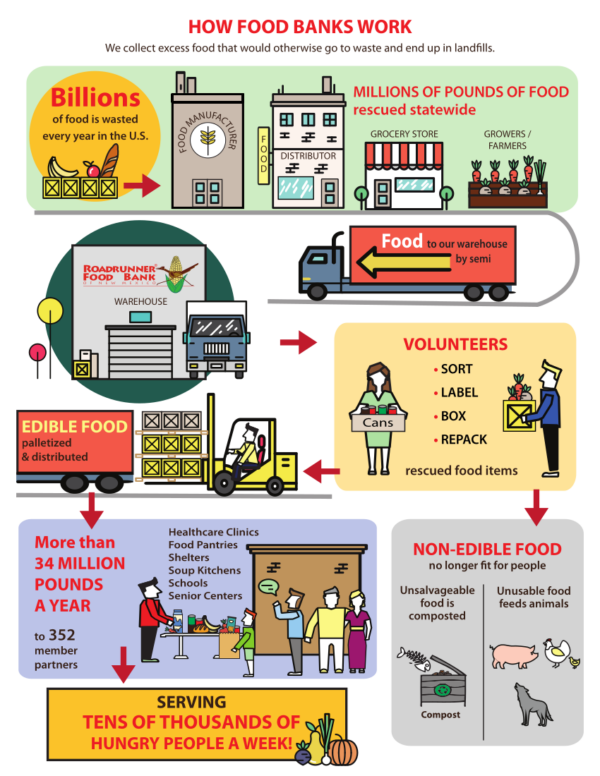
Understanding Food Banks as a Crucial Financial Safety Net
When personal finances are stretched to their breaking point, the ability to cover basic necessities like food can become a daily struggle. Food banks step in as an indispensable financial safety net, providing relief that extends beyond just the immediate need for sustenance. They are an integral, though often unacknowledged, component of the personal finance ecosystem for those experiencing food insecurity.
The Role of Food Banks in Personal Financial Resilience
At its core, personal financial resilience is the capacity to withstand and recover from financial shocks. For individuals and families facing job loss, illness, unexpected expenses, or insufficient income, the food budget is often the first area to be cut. This can lead to severe health consequences and prolonged financial instability. Accessing a food bank allows individuals to preserve or reallocate funds that would otherwise be spent on food. Imagine a single parent facing an emergency car repair: if they can get food from a food bank for a week, the money saved on groceries can be redirected to that urgent repair, preventing further financial cascading effects like losing a job due to lack of transport. This strategic re-prioritization of funds, facilitated by food banks, is a direct contribution to maintaining personal financial resilience and preventing deeper debt or poverty. It allows for a breathing room to address other pressing financial obligations, from utility bills to medical co-pays, thereby preventing a complete collapse of an already fragile budget.
Dispelling Misconceptions and Reducing Stigma
One of the significant barriers to utilizing food bank services is the pervasive stigma associated with needing help. Many view accessing a food bank as a personal failure rather than a practical financial decision or a consequence of broader economic pressures. This misconception often prevents individuals from seeking assistance until they are in dire straits, exacerbating their financial woes. It’s crucial to understand that food banks are a community resource, akin to public libraries or affordable housing initiatives, designed to support citizens when they need it most. They are not a handout but a form of community investment in the well-being and financial stability of its members. Dispelling the notion that only the “truly desperate” should use food banks empowers individuals to view them as a legitimate financial tool to navigate temporary (or sometimes longer-term) income gaps or unexpected expenses. Professional financial advisors increasingly recognize the value of all available resources in comprehensive financial planning, especially for low-income households, and food banks absolutely fall into this category.
Who Qualifies: Eligibility Criteria and Common Scenarios
Eligibility for food bank services varies by location and the specific organization running the food bank, but the overarching principle is typically need-based. While some food banks may require proof of income, residency, or dependents, many operate on a self-declaration model, trusting individuals to be honest about their circumstances. Common scenarios that lead individuals to seek food bank assistance include:
- Low Income: Income that consistently falls below a certain poverty threshold or is insufficient to cover basic living expenses.
- Job Loss or Underemployment: Sudden unemployment, reduced work hours, or taking on lower-paying jobs.
- Unexpected Expenses: Medical emergencies, car repairs, housing issues, or other unforeseen costs that deplete savings.
- Fixed Income: Seniors or individuals with disabilities living on pensions or benefits that struggle to keep pace with the cost of living.
- Transition Periods: Individuals recently released from incarceration, refugees, or those fleeing domestic violence who are rebuilding their lives from scratch.
- Student Poverty: Students struggling to balance tuition, living costs, and part-time work.
It’s important to remember that these are just examples, and each person’s financial situation is unique. The best approach is always to contact your local food bank directly to inquire about their specific eligibility requirements and what documentation, if any, you might need.
Navigating the Process: A Step-by-Step Guide to Accessing Food Banks
The thought of accessing a food bank for the first time can be daunting, but the process is generally designed to be as straightforward and supportive as possible. Understanding the steps involved can help alleviate anxiety and ensure a smoother experience, allowing you to focus on the financial relief it provides.
Initial Research: Finding Local Food Banks and Support Centers
The first step is to identify food banks or food pantries in your vicinity. Several resources can help with this:
- Online Searches: A simple Google search for “food bank near me” or “food pantries [your city/zip code]” will often yield numerous results.
- National Food Bank Networks: Organizations like Feeding America (in the US) or The Trussell Trust (in the UK) have online locators that can point you to member food banks.
- 211 Services: In the US and Canada, dialing 211 connects you to local community services, including food assistance programs.
- Local Government Websites: City or county government websites often list social services, including food aid.
- Community Centers, Churches, and Schools: These local institutions often run their own food pantries or can direct you to nearby resources.
Once you have a list, it’s advisable to check their websites or call them directly. Inquire about their operating hours, appointment requirements (some require you to book a slot), and specific eligibility criteria. This preparatory research is a vital part of strategically utilizing financial resources.
Required Documentation and Information
While many food banks prioritize immediate need and operate with minimal paperwork, some may ask for certain documents. Being prepared can save time and potential frustration. Commonly requested items might include:
- Proof of Identity: A valid ID for yourself and possibly for other household members (driver’s license, state ID, passport).
- Proof of Residency: A utility bill, lease agreement, or official mail showing your current address.
- Proof of Income: Pay stubs, benefit statements (unemployment, disability, social security), or a letter from an employer. Some may accept a verbal declaration.
- Proof of Household Members: Birth certificates for children, school enrollment letters, or other documents to verify the number of people in your household.
It’s important to reiterate that these are potential requirements. Many food banks, especially smaller, volunteer-run operations, may not require any formal documentation at all, especially for a first visit or in emergency situations. A quick phone call can clarify these specifics.
What to Expect During Your Visit
Your visit to a food bank will vary depending on the specific facility, but generally, you can expect a respectful and supportive environment.
- Check-in: Upon arrival, you may be asked to check in with a volunteer or staff member who will guide you through the process. This might involve a brief interview to understand your household size and any dietary restrictions.
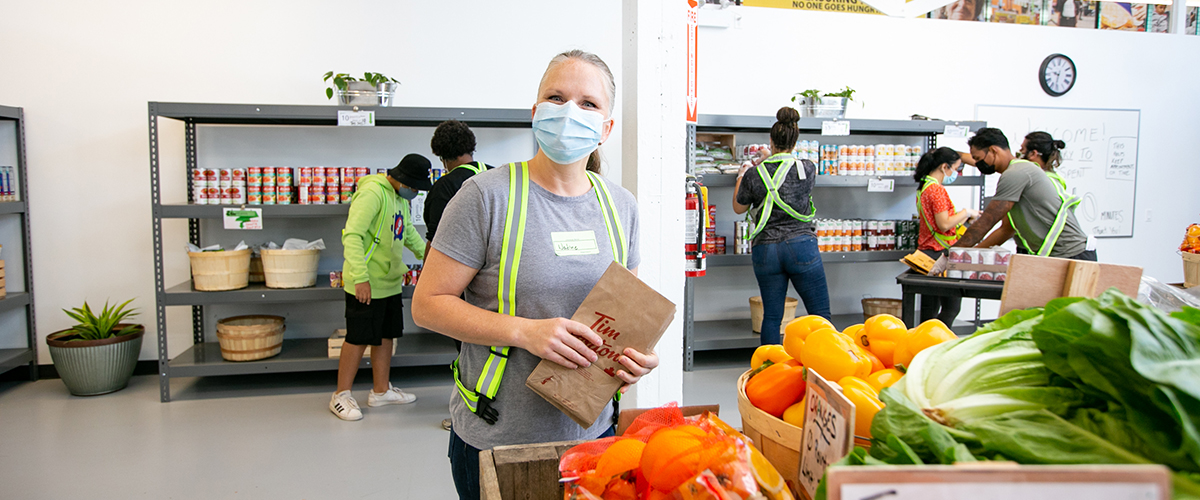
- Food Selection: Some food banks operate like grocery stores, allowing you to “shop” for items that fit your preferences and needs. Others provide pre-packed boxes or bags of food. The selection typically includes non-perishable staples like pasta, rice, canned goods, and often fresh produce, dairy, and meat if available.
- Volunteers: Food banks are heavily reliant on volunteers who are often compassionate individuals committed to helping their community. They are there to assist you, answer questions, and ensure you have a positive experience.
- Privacy: While you’ll be interacting with staff and volunteers, efforts are typically made to maintain your privacy. You are not expected to share more than you are comfortable with.
Remember, the goal is to provide temporary relief, and there is no shame in seeking this support as a part of managing your personal finances during a difficult period.
Beyond Emergency Food: Additional Support Services
Many food banks recognize that food insecurity is often a symptom of deeper financial challenges. Consequently, they frequently offer or can refer you to additional support services aimed at fostering long-term financial stability. These may include:
- Financial Literacy Programs: Workshops on budgeting, debt management, and savings.
- Job Search Assistance: Resume writing, interview skills, and job placement resources.
- Benefit Enrollment Support: Help applying for government benefits like SNAP (food stamps), Medicaid, or housing assistance.
- Referrals to Social Services: Connections to mental health counseling, substance abuse programs, or domestic violence shelters.
- Medical and Dental Referrals: Access to low-cost or free healthcare services.
Inquiring about these additional resources during your visit can open doors to comprehensive support that addresses not just immediate hunger but the underlying financial pressures.
Budgeting and Financial Planning with Food Bank Support
Integrating food bank assistance into your personal financial strategy is a sophisticated way to manage resources when income is scarce. It’s not just about getting free food; it’s about strategically freeing up cash flow to address other critical financial obligations and lay the groundwork for recovery.
Reallocating Saved Funds: Strategic Financial Adjustments
The most immediate financial benefit of using a food bank is the reduction in grocery expenses. This saved money is a crucial resource that can be strategically reallocated. Instead of viewing it as “extra cash,” consider it an opportunity to fortify other weak points in your budget. For instance, saved grocery money could be used to:

- Pay Down High-Interest Debt: Even small payments can help reduce interest accrual on credit cards or payday loans, preventing debt spirals.
- Cover Essential Bills: Ensure rent, utilities, or transportation costs are paid on time, avoiding late fees, shut-offs, or loss of critical services that could further destabilize your finances.
- Address Medical Needs: Purchase prescription medications, cover co-pays, or pay for essential health services that might otherwise be neglected.
- Build a Tiny Emergency Fund: Even tucking away $10 or $20 each week can start to build a buffer against future unexpected expenses, a cornerstone of financial resilience.
This strategic reallocation transforms food bank assistance from a simple handout into a powerful tool for proactive personal finance management during times of crisis.
Developing a Sustainable Budget
When food costs are covered by a food bank, it provides an opportune moment to reassess and rebuild your budget from the ground up. With one major expense temporarily alleviated, you can gain a clearer picture of your remaining income and outgoings.
- Track Everything: Utilize this period to meticulously track every dollar coming in and going out. Use apps, spreadsheets, or even a simple notebook.
- Categorize Expenses: Identify fixed costs (rent, loan payments) and variable costs (transport, personal care, entertainment).
- Identify Areas for Further Reduction: With food costs off your immediate plate, you might find other non-essential spending that can be reduced or eliminated.
- Prioritize Remaining Funds: Allocate your income according to a strict priority list: housing, utilities, transportation, debt payments, and then modest savings.
- Plan for When Food Bank Use Ends: A sustainable budget also involves a plan for when food bank assistance is no longer needed or available. This includes gradually reincorporating a food budget while simultaneously working on increasing income or reducing other expenses.
A well-structured budget, even when reliant on external support, is an empowering financial tool that puts you back in control.
Seeking Professional Financial Guidance
Navigating severe financial hardship can be overwhelming. This is where professional financial guidance, often available through non-profit credit counseling agencies or community organizations, becomes invaluable. Many food banks also offer referrals to these services. A financial counselor can help you:
- Create a Realistic Budget: An objective third party can offer insights and strategies you might overlook.
- Negotiate with Creditors: They can help you communicate with lenders to set up more manageable payment plans for debts.
- Explore Debt Relief Options: Understand bankruptcy, debt consolidation, or other forms of debt management.
- Identify Additional Benefit Eligibility: Ensure you are accessing all government programs you qualify for.
Even if you’re not paying for advice, engaging with these resources is a smart financial move. It’s an investment in your financial future, leveraging expert knowledge to complement the immediate relief provided by food banks.
Proactive Steps Towards Long-Term Financial Stability
While food banks offer crucial immediate relief, the ultimate goal for anyone facing financial hardship is to achieve long-term stability and self-sufficiency. This requires a proactive approach, focusing on income generation, savings, and leveraging educational and community resources.
Exploring Income Generation Opportunities
The most direct path to reducing reliance on food banks and improving personal finance is to increase income. This can take many forms, depending on your skills, availability, and local job market:
- Skill Development and Training: Invest in yourself. Community colleges, vocational schools, and online platforms offer courses in high-demand fields that can lead to better-paying jobs. Many government and non-profit organizations offer free or subsidized training programs.
- Part-Time or Gig Work: Explore side hustles or part-time employment to supplement your main income. This could include freelancing, delivery services, online tasks, or temporary contract work. Even a few extra hours a week can significantly impact your budget.
- Negotiating Wages: If employed, explore opportunities to negotiate a raise or take on additional responsibilities that warrant higher pay.
- Starting a Small Business: For those with an entrepreneurial spirit, developing a small, home-based business can offer flexible income potential.
Every additional dollar earned reduces the pressure on your existing budget and builds a stronger financial foundation, ultimately reducing the need for emergency assistance.
Building an Emergency Fund (Even Small Amounts Matter)
An emergency fund is the cornerstone of financial security. It’s a pool of money specifically set aside to cover unexpected expenses without derailing your entire budget or forcing you back into debt. While building a substantial emergency fund (3-6 months of living expenses) might seem impossible when you’re struggling to feed yourself, starting small is critical.
- Automate Savings: Set up automatic transfers of even $5 or $10 from your checking to a separate savings account each payday.
- Windfalls and Extra Income: Dedicate any unexpected money – a tax refund, a bonus, or earnings from a side gig – directly to your emergency fund.
- Cut back on Non-Essentials: Prioritize saving over discretionary spending. Every dollar saved is a step towards financial independence.
Even a modest fund of a few hundred dollars can prevent a minor financial hiccup from turning into a major crisis, reducing future reliance on services like food banks.
Leveraging Community Resources for Skill Development and Employment
Beyond the immediate food assistance, local communities often host a wealth of resources designed to help individuals move towards greater financial stability. These resources are critical for skill development and employment and are often free or low-cost:
- Public Libraries: Offer free computer access, internet, job search workshops, and online learning platforms (e.g., LinkedIn Learning).
- Workforce Development Centers: Provide career counseling, resume building, interview coaching, and access to job listings.
- Non-Profit Organizations: Many local charities focus on specific areas like adult education, literacy programs, or vocational training.
- Mentorship Programs: Connecting with experienced professionals can provide invaluable guidance and networking opportunities.
Actively seeking out and utilizing these community resources is a proactive financial strategy. It’s an investment in your human capital, enhancing your employability and earning potential, and ultimately moving you away from a dependency on emergency services towards a path of self-sufficiency.
The Broader Financial Impact and Community Responsibility
Accessing a food bank is a personal financial decision made out of necessity, but it also reflects broader economic realities and highlights the interconnectedness of community financial health. Understanding this wider context can foster greater empathy and reinforce the importance of collective action.
The Economic Landscape and Food Insecurity
Food insecurity is not solely an individual failing; it is deeply intertwined with macroeconomic factors. Inflation, stagnating wages, housing costs, unemployment rates, and global supply chain disruptions all contribute to a landscape where many struggle to afford basic necessities. When the cost of living outpaces income growth, even individuals with full-time jobs can find themselves in situations where their earnings are simply not enough to cover food, housing, and other essential bills. Food banks serve as a critical buffer against these systemic pressures, absorbing some of the shocks that would otherwise lead to widespread destitution. Recognizing this link underscores that addressing food insecurity requires not just individual effort but also broader economic policies that promote living wages, affordable housing, and equitable access to opportunities.
How Supporting Food Banks Strengthens Community Financial Health
Food banks are more than just providers of meals; they are economic stabilizers within communities. By ensuring that individuals and families have access to nutritious food, they contribute to better health outcomes, improved educational attainment for children (who can concentrate better when fed), and greater workforce participation. A healthier, better-nourished population is more productive and resilient, contributing positively to the local economy. Moreover, the existence of food banks prevents a more significant drain on other public services that would arise if basic needs were completely unmet. Donating money, food, or time to food banks is therefore not just an act of charity, but an investment in the overall financial health and stability of the community. It’s a testament to collective responsibility for mitigating the harsh realities of economic inequality.
Advocating for Systemic Financial Solutions
While food banks offer vital immediate relief, they are ultimately a response to a problem, not a solution to its root causes. For long-term financial stability across society, advocacy for systemic changes is essential. This includes supporting policies that aim to:
- Increase Minimum Wage to a Living Wage: Ensure that full-time work provides an income sufficient to cover basic needs without reliance on supplementary services.
- Expand Access to Affordable Housing: Reduce the burden of housing costs, which often consume a disproportionate share of low-income budgets.
- Strengthen Social Safety Nets: Enhance and streamline access to benefits like SNAP, unemployment insurance, and affordable healthcare.
- Invest in Education and Job Training: Create pathways for individuals to move into higher-paying, stable careers.
- Promote Financial Literacy and Inclusion: Equip individuals with the knowledge and tools to manage their finances effectively and access mainstream financial services.
By understanding how to access food banks, strategically integrating them into personal finance management, and advocating for policies that reduce the need for such services, we can collectively work towards a future where food insecurity is a rarity, and everyone has the opportunity for financial stability and dignity.
aViewFromTheCave is a participant in the Amazon Services LLC Associates Program, an affiliate advertising program designed to provide a means for sites to earn advertising fees by advertising and linking to Amazon.com. Amazon, the Amazon logo, AmazonSupply, and the AmazonSupply logo are trademarks of Amazon.com, Inc. or its affiliates. As an Amazon Associate we earn affiliate commissions from qualifying purchases.