
In the journey of personal finance, managing and optimizing your various accounts is a crucial skill. While opening a savings account is often approached with excitement about future goals, the decision to close one is equally significant and requires careful consideration. Whether you’re consolidating accounts, seeking better interest rates elsewhere, moving banks, or simply no longer need a particular account, understanding the correct procedure for closing a savings account is vital to avoid potential pitfalls and ensure a smooth transition.
This guide will walk you through the motivations behind closing an account, the essential preparatory steps, the actual process, common challenges to sidestep, and what to do once the account is officially closed. Approaching this task with diligence will not only prevent headaches but can also lead to more efficient financial management.
Why You Might Consider Closing Your Savings Account
The decision to close a savings account isn’t made lightly. Various factors, both personal and financial, can lead individuals to consider this step. Understanding these common motivations can help you determine if closing an account is the right move for your current financial situation.
High Fees or Poor Interest Rates
One of the most common drivers for closing a savings account is dissatisfaction with its performance. In an increasingly competitive banking landscape, consumers constantly seek accounts that offer the best value. If your current savings account charges excessive monthly maintenance fees, withdrawal fees, or other hidden costs that eat into your savings, it might be time to move on. Similarly, if the interest rate offered by your bank is significantly lower than what competitors are providing, especially in an environment where interest rates are rising, you’re essentially leaving money on the table. Switching to an account with lower fees and a higher Annual Percentage Yield (APY) can significantly boost your savings growth over time.
Consolidating Accounts
Many individuals accumulate multiple savings accounts over the years, sometimes without a clear purpose for each. This can happen through opening accounts for specific short-term goals that have since been met, or simply due to inertia. Managing numerous accounts can become cumbersome, making it difficult to track your overall financial picture and optimize your savings strategy. Consolidating these funds into fewer, more strategically chosen accounts can simplify your finances, reduce administrative overhead, and provide a clearer view of your wealth. It also makes it easier to meet minimum balance requirements for premium accounts that offer better benefits.
Moving Banks or Relocating
Life changes often necessitate financial adjustments. If you’re physically relocating to a new city, state, or even country, your current bank might not have a strong presence in your new location. This can make banking inconvenient, especially for in-person transactions or accessing ATMs. Similarly, if you’re generally dissatisfied with your bank’s customer service, online banking experience, or overall offerings, you might decide to move all your financial relationships, including savings accounts, to a new institution that better meets your needs. Closing your old account is a natural part of establishing a new primary banking relationship.
Fraud Concerns or Security Breaches
In an era of increasing cyber threats, security is paramount. If you’ve been a victim of fraud related to your account, or if your bank has experienced a significant data breach that shakes your confidence in their security measures, closing the account might be a necessary step to protect your financial assets. While banks typically have strong security protocols, a personal sense of vulnerability or a desire for a fresh start with an institution perceived as more secure can be a compelling reason to close an existing account.
Account Is No Longer Needed or Dormant
Sometimes, a savings account simply outlives its purpose. Perhaps you opened it for a specific goal – a down payment on a house, a new car, or a special vacation – and that goal has been achieved. If the account is now sitting with a minimal balance and no clear future use, it might be considered dormant. Dormant accounts can sometimes incur fees, and they represent an unnecessary piece of administrative clutter. Closing an account that is no longer serving a purpose is a sensible way to streamline your financial life and prevent potential future charges.
Essential Steps Before You Close Your Account
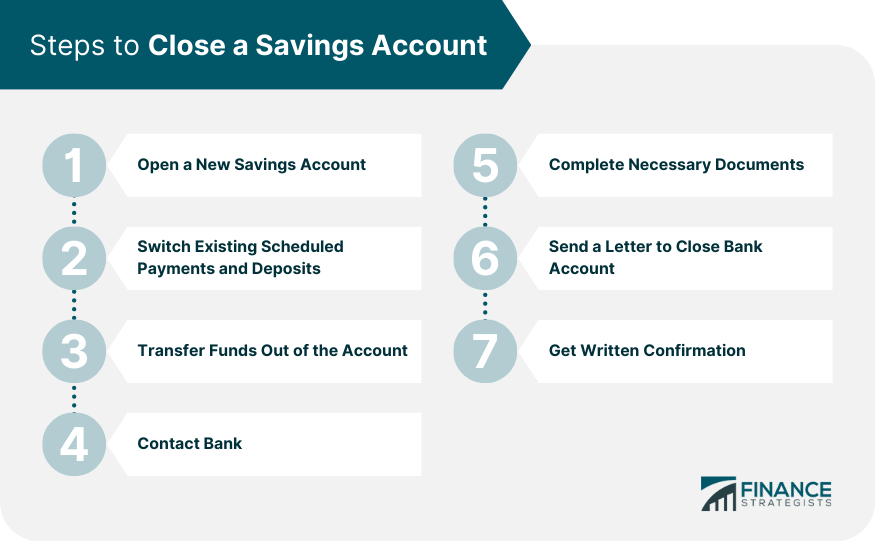
Closing a savings account isn’t as simple as just telling your bank you want to shut it down. There are several critical preparatory steps you must take to ensure a smooth closure and avoid any unintended consequences. Skipping these steps can lead to missed payments, lost funds, or unexpected fees.
Review Your Account Statement Thoroughly
Before initiating the closure, pull up your most recent account statements, preferably for the last few months. Scrutinize them for any recurring direct debits, automatic transfers, or linked services. This could include subscriptions, loan payments, bill payments, or transfers to investment accounts. You need to identify all such outgoing transactions that rely on this account. Also, check for any pending deposits or withdrawals that might still be processing. It’s crucial that all transactions clear before you proceed.
Transfer Funds to a New or Existing Account
You cannot close an account that has funds remaining in it, unless you’re requesting a check for the balance, which can delay the process. The most efficient approach is to transfer the entire balance out of the account into another checking or savings account you own. This can usually be done via an online transfer, wire transfer, or by writing a check from your savings (if it has check-writing privileges). Ensure the new account is fully established and ready to receive funds before initiating the transfer. Make sure to transfer every last penny; some banks require a zero balance to formally close an account.
Update All Linked Services and Automatic Payments
This is perhaps the most critical preparatory step. Every service, direct deposit, or automatic payment linked to your savings account must be updated before closure. This includes:
- Direct Deposits: Notify your employer or any other source of recurring income (e.g., government benefits, pension) about your new account details.
- Automatic Bill Payments: Update utility companies, loan providers, insurance companies, and any subscription services with your new bank information.
- Linked Investment Accounts: If your savings account is linked to a brokerage account for transfers, update those details.
- External Transfers: Any standing instructions for transfers to other banks or individuals must be re-established from your new account.
Failing to update these links can result in missed payments, late fees, or disruption of essential services. It’s wise to keep the old account open for a week or two after updating everything to ensure all new connections are functioning correctly.
Check for Minimum Balance Requirements or Closing Fees
Some banks impose a fee for closing an account, especially if it’s closed within a certain period after opening (e.g., 90 or 180 days). Review your account agreement or contact your bank directly to inquire about any such fees. Additionally, if your account had minimum balance requirements, ensure that closing it doesn’t trigger any outstanding charges. It’s best to understand all potential costs upfront to avoid surprises.
Preserve Records and Download Statements
For tax purposes, personal record-keeping, or potential future disputes, it’s always a good practice to have a complete record of your financial history. Before closing your account, download or request physical copies of all your statements for at least the past five to seven years. Confirm that you have access to historical transaction data, especially for any periods that might be relevant for tax audits or financial reviews. Once the account is closed, accessing these records can be more challenging.
The Process of Closing Your Savings Account

Once you’ve completed all the necessary preparatory steps, you’re ready to officially close your savings account. The exact process can vary slightly depending on your bank, but generally, it involves a few common methods and specific requirements.
Choose Your Preferred Method of Closure
Banks typically offer several ways to close an account, catering to different levels of convenience and security:
- Online: Many modern banks allow you to initiate an account closure through their online banking portal or mobile app. This is often the quickest and most convenient method, especially for fully digital banks. You may need to navigate to the account settings or contact support via secure message.
- Phone: You can usually call your bank’s customer service line to request an account closure. Be prepared to verify your identity with personal information and account details. The bank representative will guide you through the process.
- In-Person: Visiting a local branch is often the most secure way to close an account, as you can speak directly with a banker and receive immediate confirmation. Bring a valid form of identification (driver’s license, passport) and your account details.
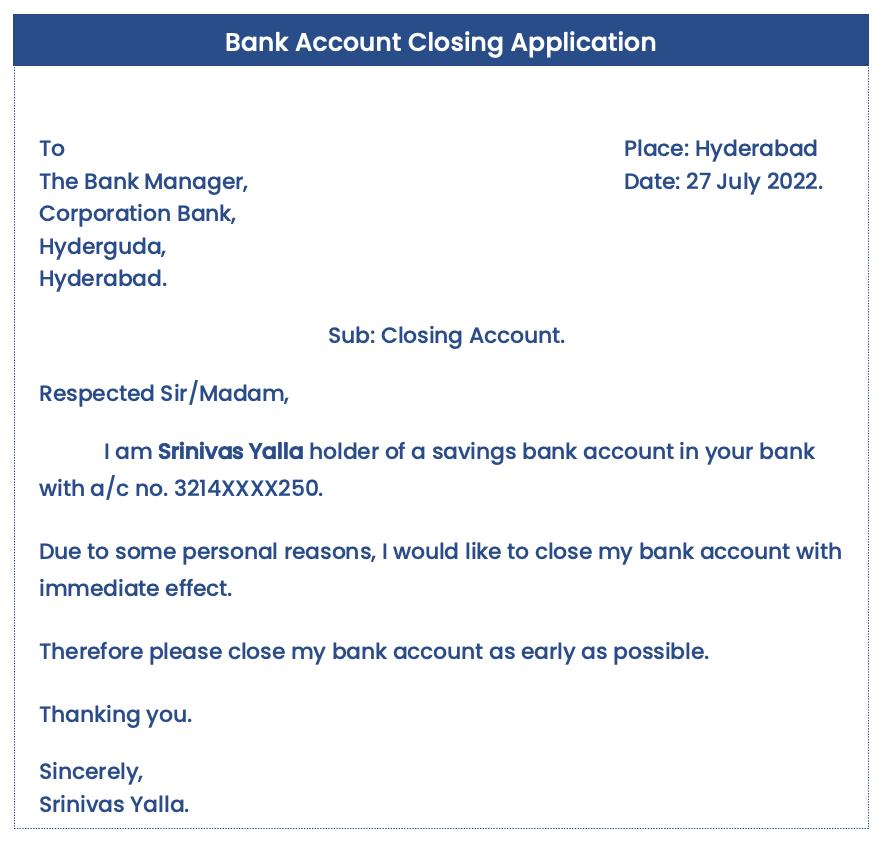
- Mail: Some banks still accept written requests for account closure, particularly if you’re not near a branch or prefer a paper trail. You’ll typically need to send a signed letter including your account number, full name, address, and a clear request to close the account, along with instructions for the remaining balance if any (e.g., send a check to your address).
Provide Necessary Information and Request Confirmation
Regardless of the method chosen, you will need to provide specific information to verify your identity and authorize the closure. This usually includes your account number, full legal name, address, and potentially your Social Security Number or other identification details. If you’re closing in person, you’ll need photo ID.
Crucially, always request written confirmation of the account closure. This could be an email, a letter sent via postal mail, or a printed document if you close it in person. This confirmation serves as your proof that the account has been officially closed and that you are no longer responsible for it. This documentation is invaluable should any discrepancies arise in the future.
What to Do with Your Account Card and Checks
Once the account is formally closed and you have received confirmation, it’s imperative to properly dispose of any associated debit cards, ATM cards, or unused checks. Do not simply throw them in the trash. Cut up your debit/ATM card, ideally through the magnetic strip and chip, to render it unusable. Shred any unused checks to prevent identity theft or fraudulent use. This final step protects your security even after the account is no longer active.
Potential Pitfalls and How to Avoid Them
Closing a savings account seems straightforward, but several common mistakes can turn a simple task into a financial headache. Being aware of these potential pitfalls can help you navigate the process smoothly.
Forgetting Linked Accounts or Services
As highlighted earlier, the most frequent and problematic mistake is failing to update all direct deposits, automatic payments, and linked third-party services before closing the account. Forgetting to reroute your salary or a critical bill payment can lead to significant disruptions, late fees, or even damage to your credit score. To avoid this, meticulously review all statements from the past 6-12 months and create a checklist of every recurring transaction. It’s also wise to keep the old account open for a short transition period (e.g., 2-4 weeks) after updating everything to ensure all new connections are functioning correctly before final closure.
Not Transferring All Funds or Leaving a Small Balance
Some individuals inadvertently leave a small residual balance in an account, thinking it will automatically be sent to them. While banks usually issue a check for any remaining funds, this can sometimes be delayed or require additional steps. More importantly, some banks require a zero balance to formally close an account. A small, forgotten balance could prevent the account from fully closing, potentially leading to dormancy fees or other charges. Always transfer every single penny out of the account before initiating the closure request. If an online transfer isn’t possible for a very small amount, the bank might be able to process a final transfer or issue a check during the closure process.
Ignoring Dormancy Fees or Maintenance Charges
If you simply stop using a savings account without formally closing it, it can eventually become dormant. Banks typically have policies regarding dormant accounts, often imposing fees if no activity occurs for an extended period (e.g., 1-5 years). These dormancy fees can slowly erode any remaining balance until it reaches zero, and in some cases, the funds might even be turned over to the state as unclaimed property. Formally closing the account prevents it from falling into dormancy and incurring unnecessary charges.
Lack of Written Confirmation of Closure
Relying solely on a verbal confirmation that your account is closed is a risky move. Without a written record, you have no proof if a dispute arises later. Always insist on receiving a physical letter or an email from the bank confirming the exact date of closure and that the account is fully settled with a zero balance. Keep this confirmation in your financial records indefinitely. This document is your safeguard against any future claims or errors regarding the account.
What to Do After Closing Your Account
Closing a savings account is a significant financial action, and your responsibilities don’t end the moment you receive closure confirmation. A few proactive steps post-closure can help ensure a smooth transition and optimize your financial strategy moving forward.
Monitor Your New Account Closely
For at least a few months after closing your old savings account, diligently monitor the new account where you’ve rerouted your direct deposits and automatic payments. Check your statements regularly to ensure that all expected funds are arriving and all bills are being paid on time. If you notice any missing deposits or failed payments, you can quickly investigate and rectify the issue. This proactive monitoring minimizes the risk of late fees or service interruptions due to forgotten updates.
Keep Records of Closure Securely
As mentioned, your written confirmation of account closure is a vital document. Store it securely with your other important financial records. This could be in a physical filing system, a secure digital folder, or a cloud storage service. Having this documentation readily accessible can be invaluable if any questions or disputes arise regarding the closed account years down the line, such as an unexpected charge or a tax inquiry. It provides irrefutable proof that your responsibility for that account officially ended on a specific date.
Reassess Your Financial Goals and Savings Strategy
Closing a savings account offers a natural opportunity to pause and reassess your broader financial landscape. Use this moment to review your current savings goals: Are they still relevant? Have they changed? Is your new savings account structure (or newly opened account) truly optimized to help you achieve these goals efficiently?
Consider if you could be earning higher interest rates elsewhere, if your emergency fund is adequately funded, or if you should be directing more funds towards long-term investments rather than traditional savings. This reflective period can lead to smarter financial decisions, helping you align your savings habits with your long-term aspirations and ensuring your money is working as hard as possible for you. It’s an excellent time to explore high-yield savings accounts, certificates of deposit (CDs), or even investment vehicles if appropriate for your risk tolerance and time horizon.
Conclusion
Closing a savings account, while seemingly a minor administrative task, is an important step in maintaining organized and efficient personal finances. By understanding the common reasons for closure, meticulously completing the preparatory steps, following the bank’s process carefully, and avoiding common pitfalls, you can ensure a smooth and hassle-free experience.
Remember to review all linked services, transfer all funds, confirm the closure in writing, and securely dispose of old banking materials. Furthermore, use this opportunity to reassess your financial goals and optimize your savings strategy, ensuring your money is always working its hardest for you. Proactive management of your accounts empowers you to make informed decisions that contribute to your overall financial well-being and security.
aViewFromTheCave is a participant in the Amazon Services LLC Associates Program, an affiliate advertising program designed to provide a means for sites to earn advertising fees by advertising and linking to Amazon.com. Amazon, the Amazon logo, AmazonSupply, and the AmazonSupply logo are trademarks of Amazon.com, Inc. or its affiliates. As an Amazon Associate we earn affiliate commissions from qualifying purchases.