
Receiving an unexpected call from your bank, especially a major institution like Bank of America, can often trigger a mix of curiosity, concern, and sometimes even alarm. In an era rife with scam calls and sophisticated phishing attempts, discerning a legitimate communication from a fraudulent one is paramount for protecting your financial well-being. This article delves into the myriad reasons Bank of America might be reaching out, offering a comprehensive guide to understanding, verifying, and responding to these calls effectively, all while reinforcing best practices for personal financial security. Understanding the nuances of these communications is a critical component of managing your personal finances wisely, ensuring you remain proactive and protected in your banking relationship.

The Common Reasons Behind Unsolicited Calls from Your Bank
Banks initiate calls for a variety of reasons, ranging from routine updates to urgent security matters. Knowing the typical scenarios can help you contextualize an incoming call and determine its potential legitimacy. These communications are a fundamental part of how financial institutions manage customer accounts and mitigate risks.
Account Security Alerts and Fraud Prevention
One of the most frequent and critical reasons for a call from Bank of America is related to the security of your accounts. Banks employ sophisticated fraud detection systems that monitor transactions for unusual activity. If their system flags a suspicious purchase, a large withdrawal, or an unfamiliar login attempt, a representative may call to verify if the transaction was legitimate or if your account has been compromised. These calls are proactive measures designed to protect your assets and prevent unauthorized access or financial loss. They might inquire about recent card usage, online transfers, or changes to your personal information. Ignoring such calls can leave your account vulnerable to ongoing fraudulent activity, making a timely and informed response crucial.
Important Updates Regarding Your Accounts
Beyond security, banks often call to convey important information about your accounts that requires your attention. This could include notifying you about an upcoming change in terms and conditions for a credit card or loan, an expiring certificate of deposit (CD), or an issue with a recent transaction that needs clarification. They might also call to confirm changes you’ve requested, such as an address update or a new card order, ensuring that the request was indeed made by you and that the information is accurate. While less urgent than fraud alerts, these calls are vital for maintaining up-to-date account information and ensuring you’re aware of any operational adjustments that might affect your financial planning or obligations.
Debt Collection and Overdue Payments
Unfortunately, a bank call can also be a reminder about overdue payments. If you have a credit card, loan, or mortgage with Bank of America and have missed a payment, their collections department may call to discuss your account status and payment options. These calls are part of their standard procedure to recover outstanding debts and work with customers to find solutions, such as setting up a payment plan or understanding the reasons for the delay. While these calls can be uncomfortable, it’s often advisable to engage with the bank to prevent further penalties, damage to your credit score, or more aggressive collection efforts. Understanding your financial obligations and communicating openly with your bank can help mitigate long-term negative impacts on your personal finance.
Promotional Offers and New Product Introductions
Banks are also in the business of cross-selling and up-selling, so you might receive a call promoting new products or services. This could be an offer for a new credit card with better rewards, a personal loan with a competitive interest rate, an investment opportunity, or advice on how to optimize your existing accounts. While these calls are typically less urgent, they represent an opportunity for the bank to deepen its relationship with you and potentially offer financial tools that align with your current needs or future goals. However, it’s important to approach these offers critically, evaluating whether they truly benefit your financial situation before committing. These marketing calls can also be opted out of if you prefer not to receive them, a choice that empowers you to control your financial communication preferences.
Distinguishing Legitimate Calls from Potential Scams
In today’s digital landscape, the line between authentic bank communications and sophisticated scams can be incredibly thin. Scammers frequently impersonate banks, employing tactics designed to trick you into revealing sensitive financial information. Protecting your personal finances hinges on your ability to identify and differentiate between genuine inquiries and fraudulent attempts.
Red Flags of a Phishing or Impersonation Attempt
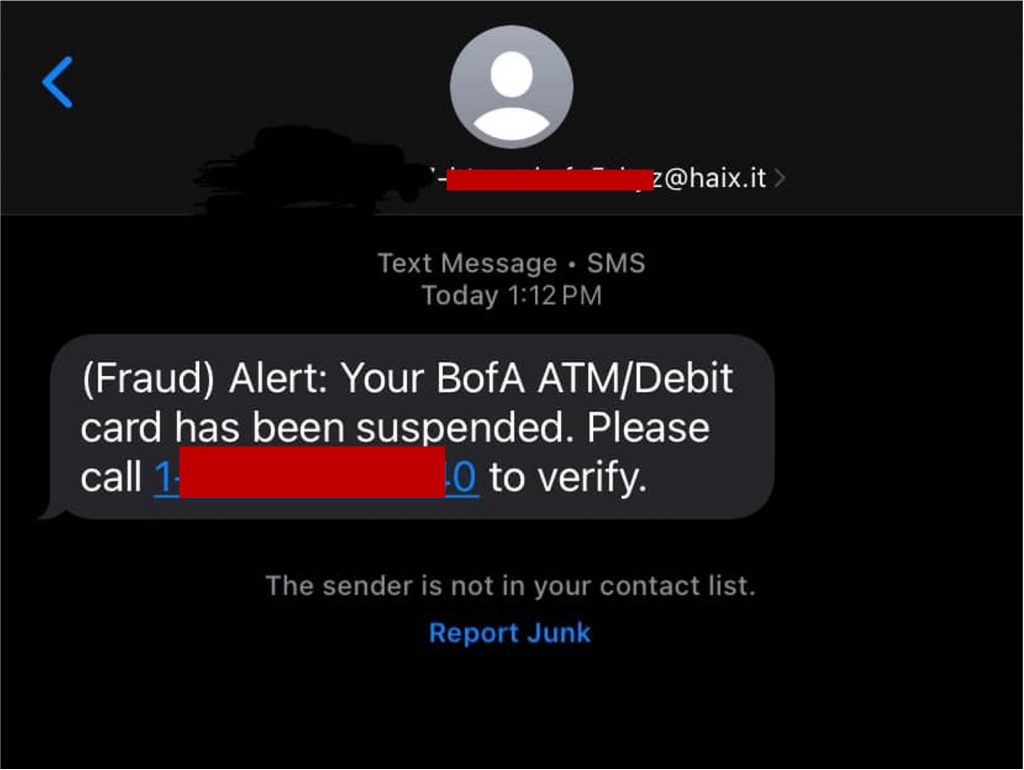
Identifying red flags is your first line of defense against financial fraud. Scammers often create a sense of urgency, claiming immediate action is required to prevent account closure, arrest, or severe financial penalties. They might demand personal information like your full Social Security number, online banking passwords, or the security code (CVV) on your card – information a legitimate bank would never ask for over the phone. Be wary of callers who use generic greetings like “Dear Bank Customer” instead of your name, or those with unusual accents or poor grammar who pressure you into downloading software or visiting suspicious websites. Another significant red flag is any request for payment via unconventional methods, such as gift cards, cryptocurrency, or wire transfers to unfamiliar accounts, as these are almost always indicators of a scam.
Verifying the Caller’s Identity
When in doubt, always assume the call could be a scam. The safest approach is to never provide personal or financial information to an unsolicited caller. Instead, politely inform the caller that you will call the bank back directly. Then, hang up. Do not use any phone numbers provided by the caller, as these could be part of the scam. Instead, retrieve the official customer service number from the back of your Bank of America debit or credit card, from your official bank statements, or directly from the bank’s official website (e.g., bankofamerica.com). By initiating the call yourself using a verified number, you can be certain you are speaking with a legitimate representative. This simple verification step is crucial for maintaining control over your financial security.
The Information Your Bank Will (and Won’t) Ask For
A legitimate Bank of America representative will never ask you for your full Social Security number, your complete debit/credit card number, your online banking password, or your one-time passcodes/PINs over the phone. They might ask for partial information to verify your identity, such as the last four digits of your account number or your date of birth, but never information that could grant them direct access to your accounts. If a caller asks for information that feels too personal or sensitive, it’s a strong indication of a scam. Be particularly vigilant about requests to transfer money to “secure” accounts or to purchase anything on behalf of the bank; these are classic scam tactics designed to defraud you. Empowering yourself with this knowledge is a key component of robust personal finance management.
Your Proactive Steps When Receiving a Call
Responding effectively to an unexpected call from your bank requires a structured approach that prioritizes security and verification. Your actions during and after the call can significantly impact the safety of your financial information and assets.
What to Do During the Call: Pause, Verify, Protect
When Bank of America calls, especially if it’s an automated message or an unusual request, your immediate reaction should be to pause. Avoid making rash decisions or divulging information under pressure. If the call seems suspicious, do not confirm any personal details. Instead, state clearly that you will call them back using the official number. This gives you time to research and verify the legitimacy of the call without feeling rushed or coerced. Never click on links in suspicious text messages or emails that claim to be from your bank. Remember, your primary goal is to protect your financial information and assets from potential threats.
How to Follow Up and Confirm Authenticity
After ending a potentially suspicious call, the crucial next step is to follow up. Contact Bank of America directly using a verified phone number—the one on the back of your card, your bank statement, or the official website. Explain that you received a call and want to confirm its legitimacy. Provide the details of the call, such as the topic discussed or any information they attempted to solicit. The bank’s customer service can verify if they indeed tried to contact you and for what purpose. If it was a scam, they can also guide you on reporting the incident and taking steps to secure your accounts, which is an important aspect of financial due diligence.
Updating Your Communication Preferences
To manage the volume and nature of calls you receive, consider updating your communication preferences with Bank of America. Most banks offer options to specify how you wish to be contacted (e.g., email, text, phone) and to opt out of promotional calls. You can usually do this through your online banking portal, by calling customer service, or by visiting a branch. While you can opt out of marketing calls, it’s generally advisable to remain opted in for security alerts and important account updates, as these communications are vital for protecting your financial interests. Reviewing and adjusting these preferences ensures that you receive necessary information while minimizing unsolicited interruptions.
Managing Your Relationship with Bank of America (and Other Financial Institutions)
A healthy banking relationship is built on clear communication, proactive management, and leveraging the tools provided by your financial institution. Taking an active role in managing your accounts is crucial for personal financial stability and security.
Leveraging Online Banking and Mobile Apps
Modern banking has largely shifted to digital platforms, and Bank of America’s online banking portal and mobile app are powerful tools for managing your finances. These platforms allow you to monitor transactions, view statements, pay bills, transfer funds, set up alerts, and even communicate securely with bank representatives. Regularly checking your accounts online can often pre-empt the need for a bank to call you about unusual activity, as you can spot and report discrepancies yourself. Furthermore, many banks offer push notifications and secure messaging within their apps for important alerts, providing a more secure and convenient way to receive urgent information than a phone call. Embracing these digital tools is fundamental to contemporary money management.
Understanding Your Account Statements and Notifications
Your monthly account statements, whether paper or electronic, are invaluable resources for understanding your financial activity. Review them diligently to spot any unauthorized transactions, incorrect charges, or unfamiliar fees. Similarly, pay attention to any email or text notifications you receive from Bank of America. While exercising caution with all digital communications, legitimate notifications can alert you to important changes, upcoming payments, or suspicious activities. Setting up customized alerts within your online banking profile can provide real-time updates on deposits, withdrawals, or large purchases, giving you immediate insight into your account’s status and enhancing your personal financial vigilance.
Regular Security Reviews and Best Practices
Maintaining robust financial security is an ongoing process. Regularly review your online banking login history for unauthorized access. Update your passwords frequently, using strong, unique combinations, and enable two-factor authentication (2FA) wherever possible. Be cautious about opening attachments or clicking links in emails from unknown senders, even if they appear to be from your bank. Keep your contact information with the bank updated so that they can reach you effectively for legitimate reasons. By adhering to these best practices, you create a stronger defense against potential threats and ensure your personal finances remain protected against evolving scam techniques.
The Evolving Landscape of Bank Communications
The way banks communicate with their customers is constantly evolving, driven by technological advancements, regulatory requirements, and changing consumer preferences. Staying informed about these shifts is crucial for maintaining a secure and efficient banking relationship.
The Digital Shift: Email, SMS, and Push Notifications
While phone calls remain a channel for certain urgent or complex matters, banks are increasingly relying on digital communication methods. Secure email, SMS text messages, and mobile app push notifications are becoming standard for delivering alerts, updates, and even marketing messages. These channels offer speed, convenience, and often a higher degree of security when accessed through official bank applications or encrypted portals. However, this digital shift also means an increased need for vigilance against phishing emails and smishing (SMS phishing) attempts. Always verify the sender and avoid clicking suspicious links; instead, navigate directly to your bank’s official website or app to access information.
Regulatory Compliance and Customer Protection
Financial institutions like Bank of America operate under strict regulatory frameworks designed to protect consumers. Regulations like the Telephone Consumer Protection Act (TCPA) govern how banks can contact you, particularly regarding promotional calls. Additionally, laws related to data privacy and security (like GLBA in the U.S.) dictate how your personal financial information is handled and protected. These regulations influence the nature and frequency of bank communications, aiming to balance effective customer service with the prevention of harassment and fraud. Understanding that banks are legally bound to protect your data reinforces the importance of verifying any caller who asks for sensitive information.
The Importance of a Strong Client-Bank Relationship
Ultimately, your relationship with Bank of America is a partnership in managing your financial health. Open and honest communication, proactive engagement with your accounts, and a diligent approach to security are cornerstones of this relationship. By understanding why your bank might call, how to verify their identity, and what steps to take to protect yourself, you empower yourself to navigate the complexities of modern banking with confidence. Staying informed, leveraging available tools, and adhering to security best practices ensure that calls from your bank are productive interactions rather than sources of anxiety, fostering a secure and prosperous financial journey.
aViewFromTheCave is a participant in the Amazon Services LLC Associates Program, an affiliate advertising program designed to provide a means for sites to earn advertising fees by advertising and linking to Amazon.com. Amazon, the Amazon logo, AmazonSupply, and the AmazonSupply logo are trademarks of Amazon.com, Inc. or its affiliates. As an Amazon Associate we earn affiliate commissions from qualifying purchases.