
Navigating your personal finances often requires ready access to critical information, and few pieces are as fundamental as your bank account number. Whether you’re setting up direct deposit for a new job, arranging a wire transfer, linking external financial accounts, or simply reconciling your records, knowing where and how to quickly locate your Bank of America account number is essential. This comprehensive guide will walk you through the various methods to find this vital piece of information, delve into its significance, and equip you with best practices for its security.

In an increasingly digital world, managing your money has become more streamlined, yet the need for specific identifiers remains paramount. Your Bank of America account number acts as a unique fingerprint for your individual account within the bank’s vast system, distinguishing your funds and transactions from millions of others. Understanding its role and ensuring you can retrieve it efficiently is a cornerstone of effective personal finance management.
The Essential Role of Your Bank Account Number
Your Bank of America account number is more than just a sequence of digits; it’s the primary identifier for your specific checking, savings, or other deposit account. It acts as the destination address for incoming funds and the source identifier for outgoing transactions. Without it, many common financial activities would be impossible.
Key Scenarios Requiring Your Account Number
Understanding why you need your account number often clarifies its importance. Here are some of the most common situations:
- Setting Up Direct Deposit: This is perhaps the most frequent use. For your paycheck, government benefits, or tax refunds to be deposited directly into your account, your employer or the issuing agency will require both your Bank of America account number and the corresponding routing number.
- Initiating Wire Transfers: Whether you’re sending or receiving money domestically or internationally, your account number is crucial for ensuring funds reach the correct destination. Wire transfers are high-value, time-sensitive transactions where accuracy is paramount.
- Linking External Accounts: Many people use budgeting apps, investment platforms, or other financial services that require linking to your primary bank account. This often involves providing your account number for verification and transaction purposes.
- Automated Payments and Withdrawals: For recurring bills, loan payments, or subscriptions to be automatically deducted from your account, you’ll need to provide your account number to the service provider.
- Tax Purposes: When filing taxes, you may need your account information for direct deposit of refunds or direct debit of payments.
- Resolving Banking Issues: If there’s an error on your statement, an unauthorized transaction, or you need to communicate specific details to Bank of America customer service, your account number is the quickest way for them to identify your records.
- Receiving Funds from Other Parties: While less common than direct deposit, if another individual or business needs to send you money directly to your account (e.g., a settlement, a gift), they may request your account number.
Differentiating Your Account Number from Your Routing Number
It’s crucial not to confuse your account number with your routing number, although both are essential for many transactions.
- Account Number: This is specific to your individual account within the bank. It tells the system where within Bank of America your money should go or come from.
- Routing Number (ABA Transit Number): This is a nine-digit code that identifies Bank of America itself and the specific branch or region that services your account. It tells other financial institutions which bank to send money to. Bank of America, being a national bank, may have different routing numbers depending on the state where the account was opened or the type of transaction. You usually need both for electronic transfers.
Step-by-Step Guide: Locating Your Bank of America Account Number
Thankfully, Bank of America offers several convenient and secure methods to find your account number. The best method for you will depend on your immediate access to various resources.
Via Bank of America Online Banking and Mobile App
For most customers, online banking and the mobile app are the quickest and most accessible ways to find account information.
-
Using Bank of America Online Banking (Desktop/Browser):
- Log In: Go to the official Bank of America website (bankofamerica.com) and log in to your online banking account using your User ID and Passcode.
- Select Account: Once logged in, you’ll see a summary of your accounts. Click on the specific checking or savings account for which you need the number.
- Access Account Details: Look for a section like “Account Details,” “Information & Services,” or similar. The exact wording might vary slightly over time.
- Reveal Number: Your full account number might be partially masked (e.g., showing only the last few digits). There’s usually an option to “Show full account number” or an icon (like an eye) to reveal it. You might need to re-enter your passcode or answer a security question to view it for security purposes.
- Note or Copy: Carefully note down or copy the full account number.
-
Using the Bank of America Mobile App:
- Log In: Open the Bank of America mobile app on your smartphone or tablet and log in using your credentials or biometric authentication (fingerprint/Face ID).
- Select Account: From the account summary screen, tap on the specific checking or savings account.
- View Account Details: Look for an option like “Account details,” “I want to…”, or a gear/settings icon.
- Find Account Number: Similar to online banking, your account number might be partially obscured. Tap to reveal the full number, which may require additional security verification.
- Be Cautious: Avoid taking screenshots of your full account number, especially if your device is not fully secure.
On Your Bank of America Statements (Paper or Electronic)
Your bank statements are a reliable source of your account number, whether you receive them physically or digitally.
-
Electronic Statements (eStatements):
- Access Online Banking/App: Log in to your Bank of America online banking or mobile app (as described above).
- Navigate to Statements: Look for a “Statements & Documents” or “eStatements” section.
- Select Statement: Choose the most recent statement for the desired account. It will usually open as a PDF.
- Locate Account Number: Your full account number is typically printed prominently near the top of the statement, often along with your name and address.
-
Paper Statements:
- Retrieve Recent Statement: Find a physical paper statement from Bank of America for the relevant account.
- Examine Top Section: Your account number will be clearly visible, usually at the top of the statement, near your name and address.
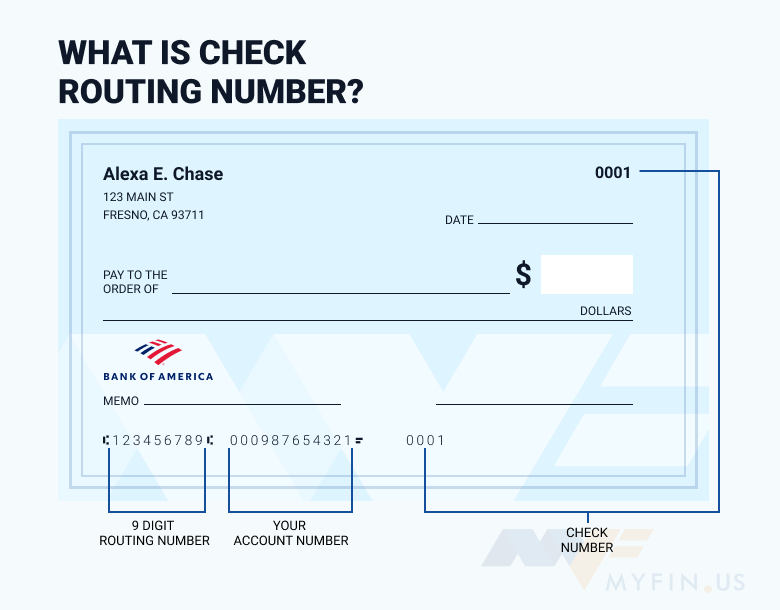
Identifying It on Your Personal Checks and Deposit Slips
For checking accounts, your physical checks and deposit slips are a very common place to find your account number.
-
On Personal Checks:
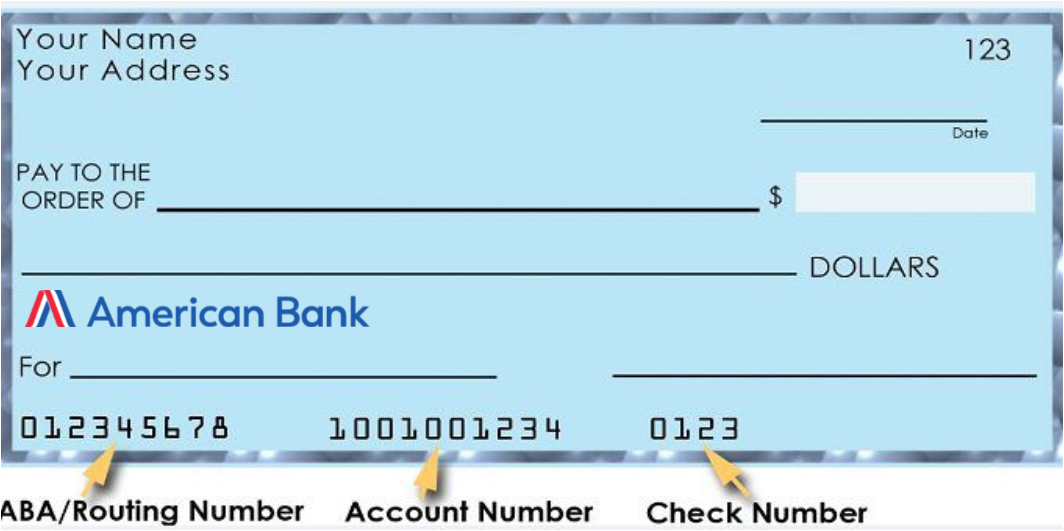
- Locate the Numbers: Look at the bottom of a personalized check. You will see a series of numbers separated by special symbols.
- Identify Account Number:
- The first set of numbers (usually nine digits) is your routing number.
- The second set of numbers (which can vary in length, typically 10-12 digits) is your account number.
- The third set is the check number.
- Be Aware: While convenient, be cautious when sharing checks, as they contain both your routing and account numbers, which could be misused if they fall into the wrong hands.
-
On Deposit Slips:
- Similar Layout: Deposit slips usually have the same number configuration at the bottom as your checks: routing number, then account number.
Direct Assistance: Branch Visits and Customer Service
If you’re unable to access your account number through digital means or statements, or prefer direct interaction, Bank of America provides in-person and phone support.
-
Visiting a Bank of America Branch:
- Prepare: Bring a valid government-issued photo ID (e.g., driver’s license, passport).
- Speak to a Teller/Representative: Explain that you need your account number. They will be able to look it up for you after verifying your identity.
- Security: This is a highly secure method as it involves direct identification.
-
Contacting Bank of America Customer Service:
- Find the Number: The general customer service number for Bank of America is typically found on the back of your debit card, on their website, or on your statements.
- Call and Verify: When you call, you’ll go through a security verification process. Be prepared to answer questions about your personal information, recent transactions, or details known only to you.
- Request Account Number: Once your identity is verified, the representative can provide your account number.
- Note Down: Have a pen and paper ready to write down the number accurately.
Understanding the Anatomy of Your Bank Information: Account and Routing Numbers
A deeper understanding of these numbers can enhance your financial literacy and confidence when handling transactions.
Deconstructing Your Bank of America Account Number
Your account number is a unique identifier within Bank of America’s internal ledger system. Its specific length and format are proprietary to the bank, but typically it’s a sequence of 10 to 12 digits. Unlike credit card numbers which have a specific structure to identify the issuer and account type, bank account numbers are more opaque to the public, primarily serving as internal identifiers. Its primary purpose is to ensure that deposits and withdrawals are accurately attributed to your specific financial bucket.
The Significance of Bank of America Routing Numbers
As mentioned, Bank of America utilizes various routing numbers. This is common for large national banks due to their expansive branch networks and different processing centers. The specific routing number assigned to your account usually depends on:
- The State Where You Opened the Account: Often, a routing number is tied to the geographic region of the branch where your account was initially opened.
- The Type of Transaction: Sometimes, different routing numbers are used for specific types of transactions, such as wire transfers versus ACH (Automated Clearing House) transfers (like direct deposits).
- Finding Your Bank of America Routing Number:
- Online Banking/Mobile App: Often displayed alongside your account number in the account details section.
- Checks/Deposit Slips: The nine-digit number on the bottom left.
- Bank of America Website: They have a dedicated tool to look up routing numbers by state or transaction type. It’s always a good idea to verify the correct routing number for the specific transaction you’re making, especially for wire transfers.
Safeguarding Your Financial Details: Best Practices for Security
Your account and routing numbers are sensitive pieces of information. Protecting them is paramount to preventing financial fraud and identity theft.
Protecting Your Account Number from Unauthorized Access
- Limit Sharing: Only provide your account number when absolutely necessary and to trusted entities (e.g., your employer, known billers, reputable financial institutions).
- Be Wary of Phishing Scams: Never provide your account number via unsolicited emails, texts, or phone calls. Bank of America will never ask for your full account number or login credentials through these channels. Always initiate contact yourself if you have doubts.
- Secure Online Access: Use strong, unique passwords for your online banking. Enable two-factor authentication (2FA) if available. Log out of your online banking session when finished, especially on public or shared computers.
- Shred Documents: When disposing of old bank statements, checks, or anything with your account number, shred them thoroughly.
- Physical Security: Keep your checkbook, debit card, and bank statements in a secure place at home.
Vigilant Monitoring and What to Do in Case of Compromise
- Regularly Review Statements: Check your bank statements (both paper and electronic) regularly for any unfamiliar transactions. Report discrepancies immediately.
- Set Up Account Alerts: Bank of America allows you to set up alerts for various account activities, such as large withdrawals, balance drops, or international transactions. Use these to stay informed.
- What to Do if Information is Compromised:
- Contact Bank of America Immediately: If you suspect your account number or other personal information has been compromised, call Bank of America’s fraud department as soon as possible. Their contact information is usually on their website or the back of your debit card.
- Monitor Credit Reports: Place a fraud alert or freeze your credit with the major credit bureaus (Equifax, Experian, TransUnion) to prevent new accounts from being opened in your name.
- Change Passwords: Update passwords for your online banking and other financial accounts.
Finding your Bank of America account number is a straightforward process once you know where to look. By utilizing online banking, mobile apps, statements, or direct support, you can quickly access this crucial information. More importantly, understanding its role alongside your routing number and implementing robust security practices will ensure your financial information remains safe and your banking experience is secure and hassle-free.
aViewFromTheCave is a participant in the Amazon Services LLC Associates Program, an affiliate advertising program designed to provide a means for sites to earn advertising fees by advertising and linking to Amazon.com. Amazon, the Amazon logo, AmazonSupply, and the AmazonSupply logo are trademarks of Amazon.com, Inc. or its affiliates. As an Amazon Associate we earn affiliate commissions from qualifying purchases.